The Symptom
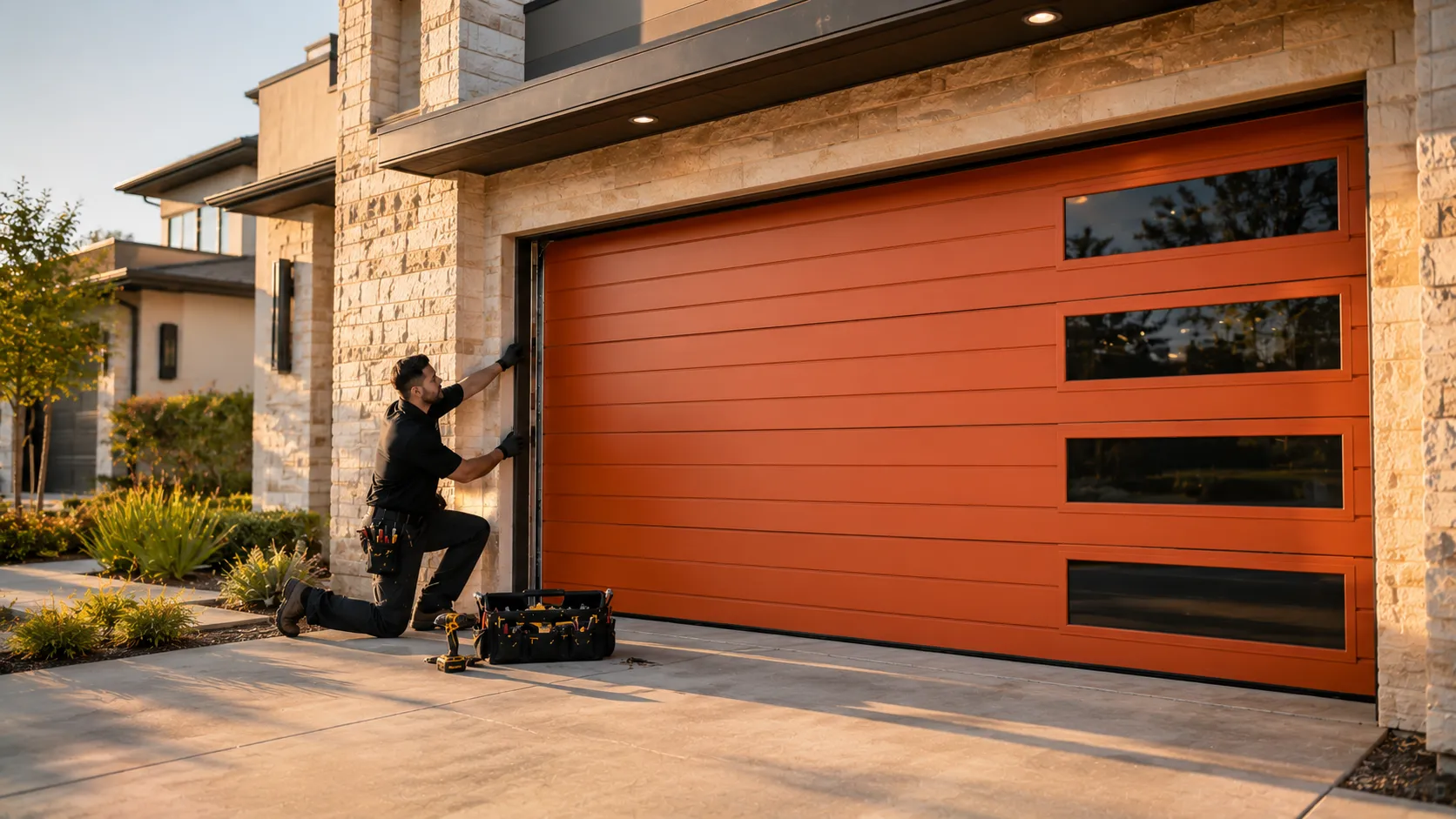
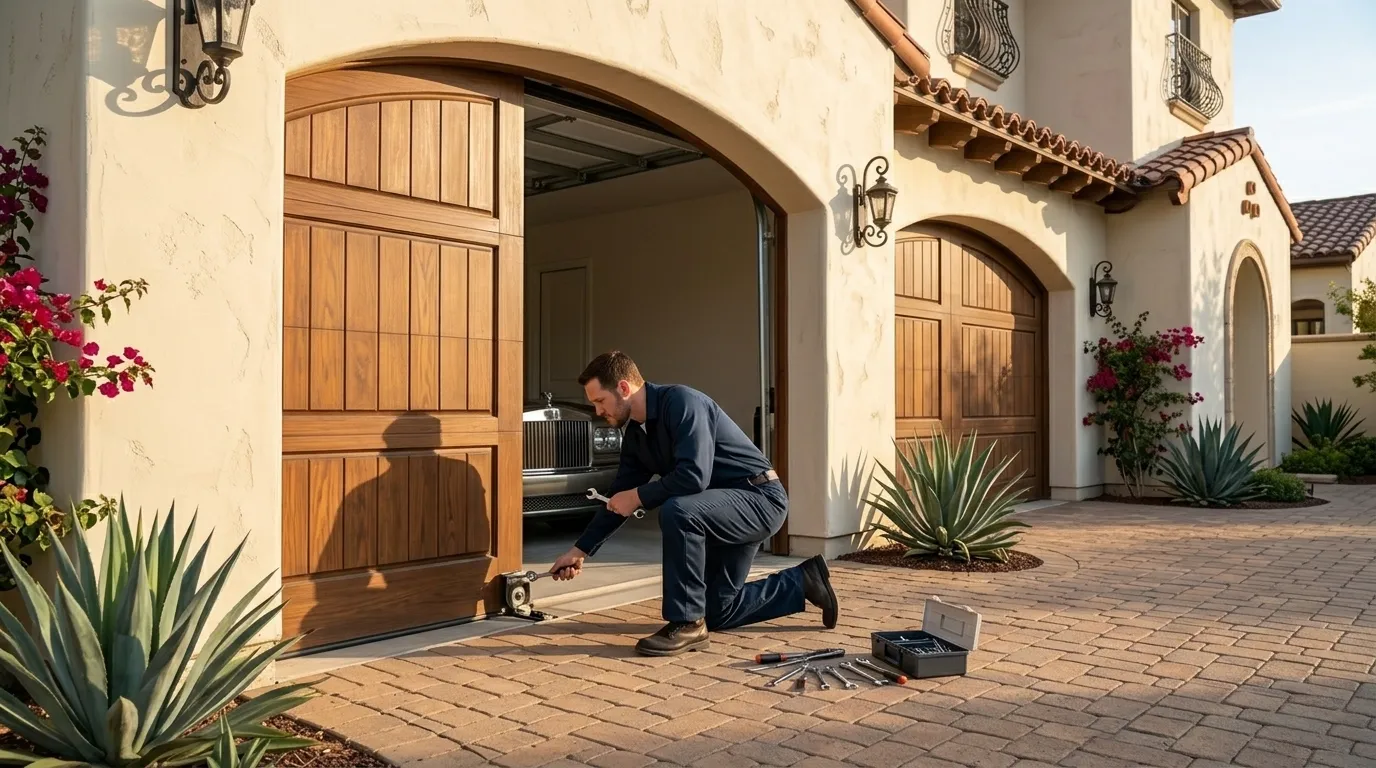
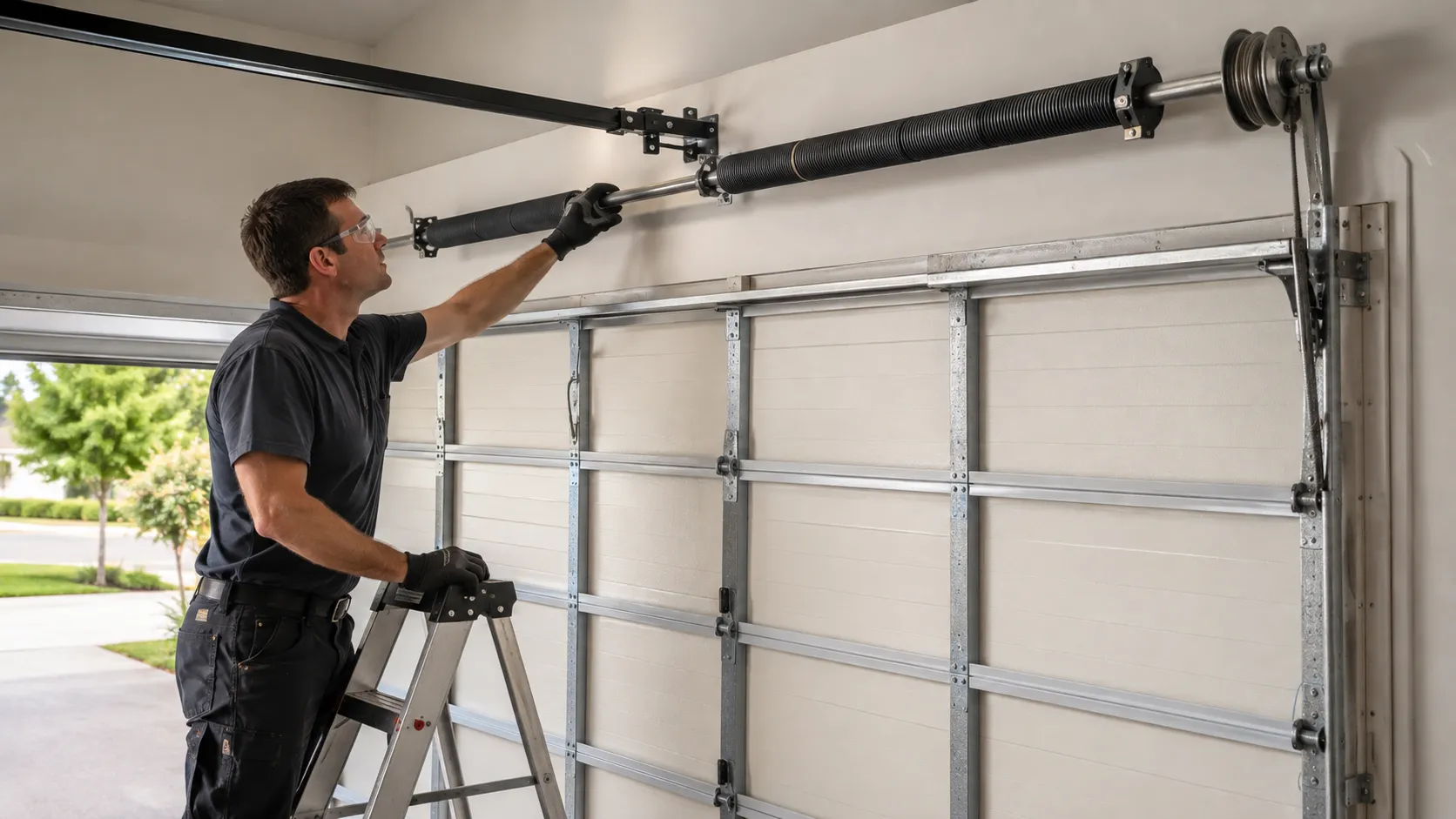
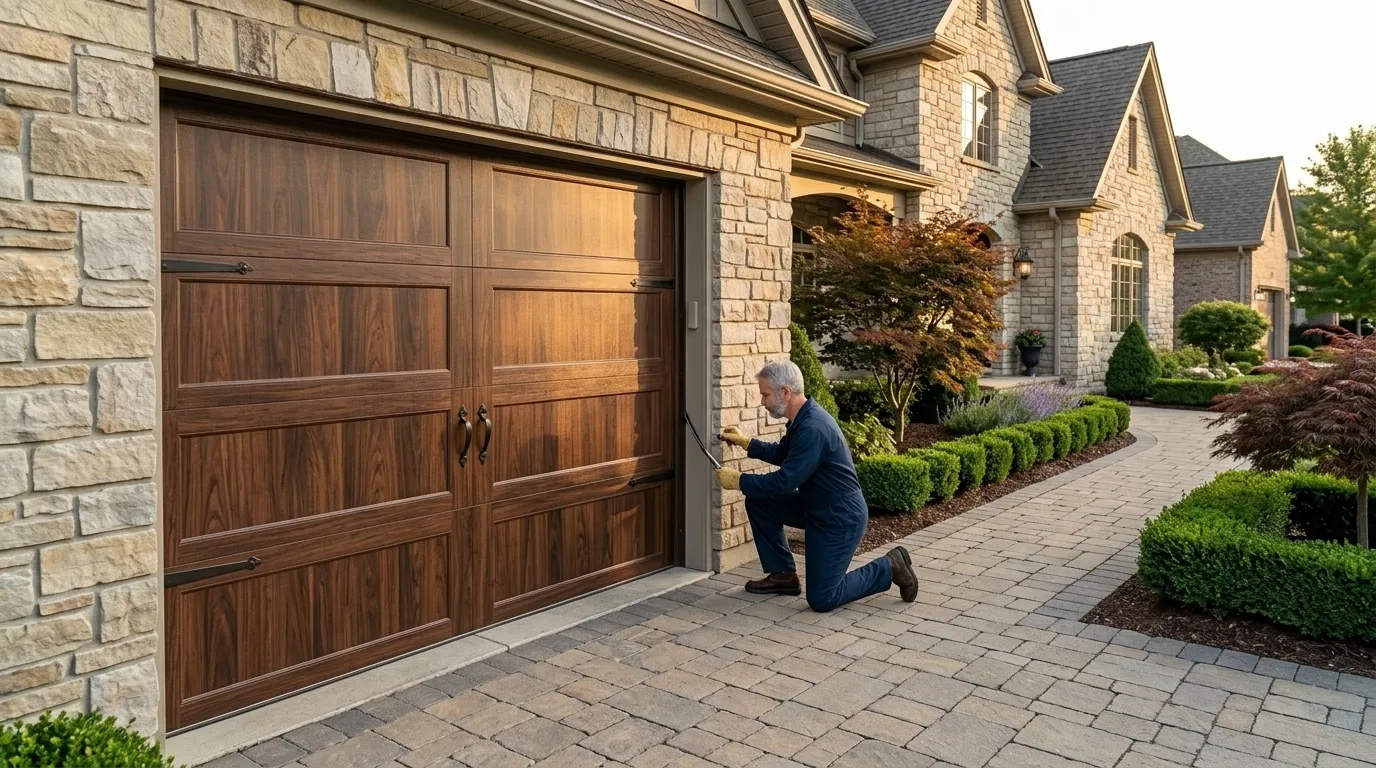
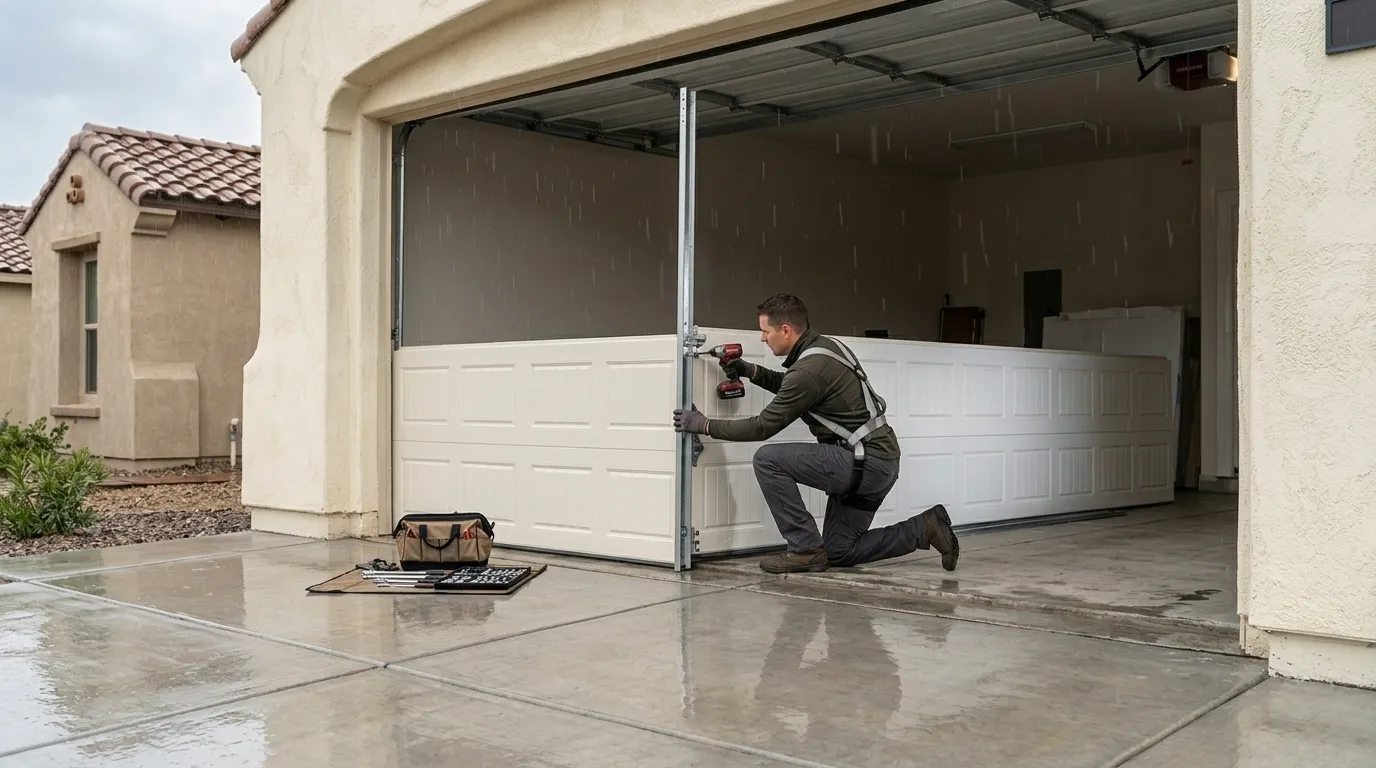
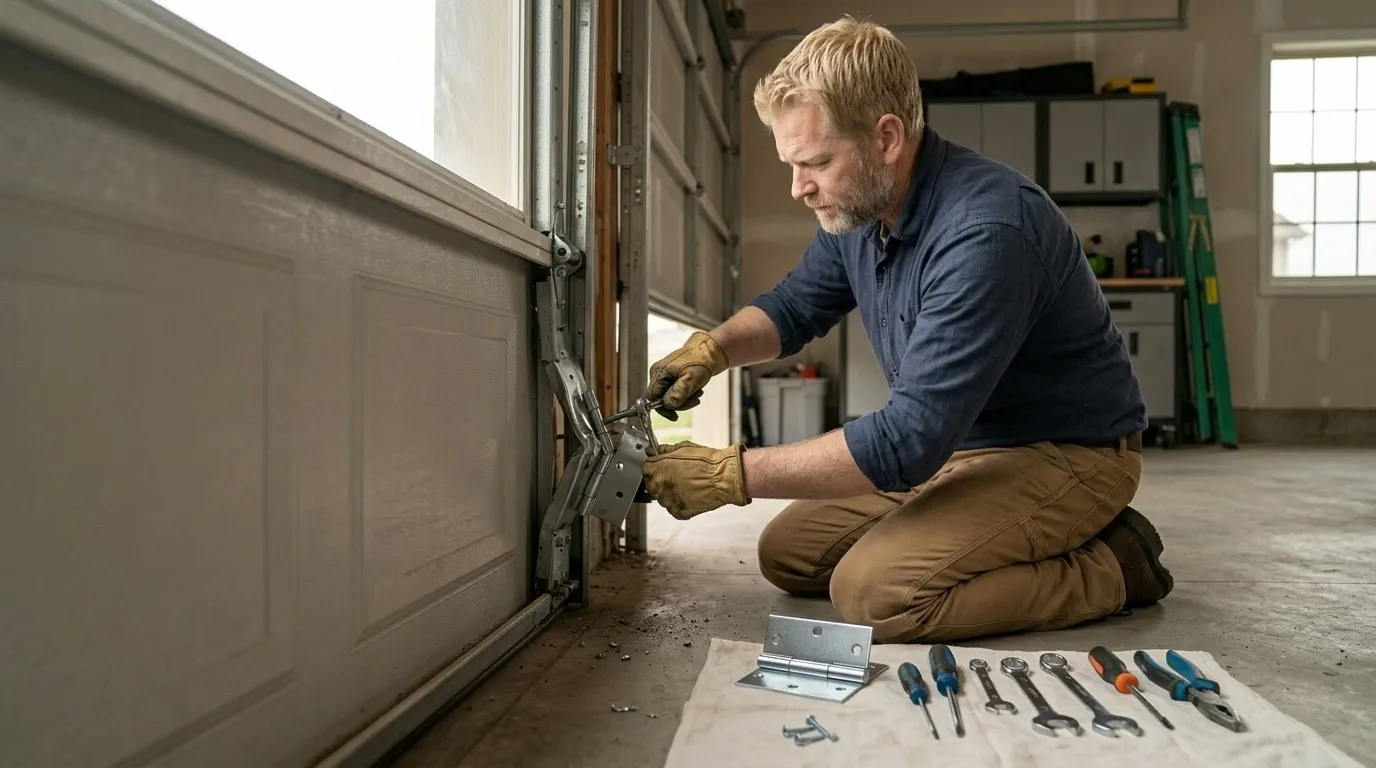
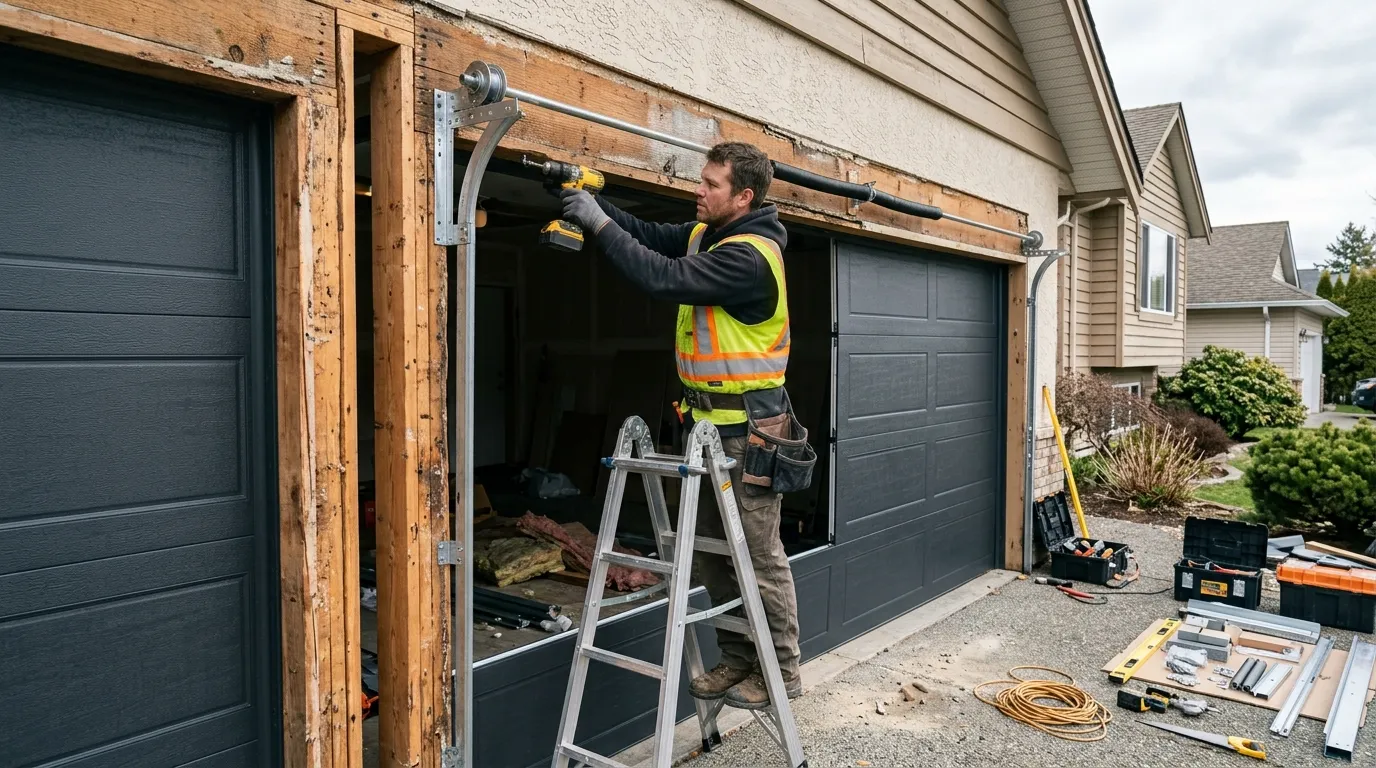
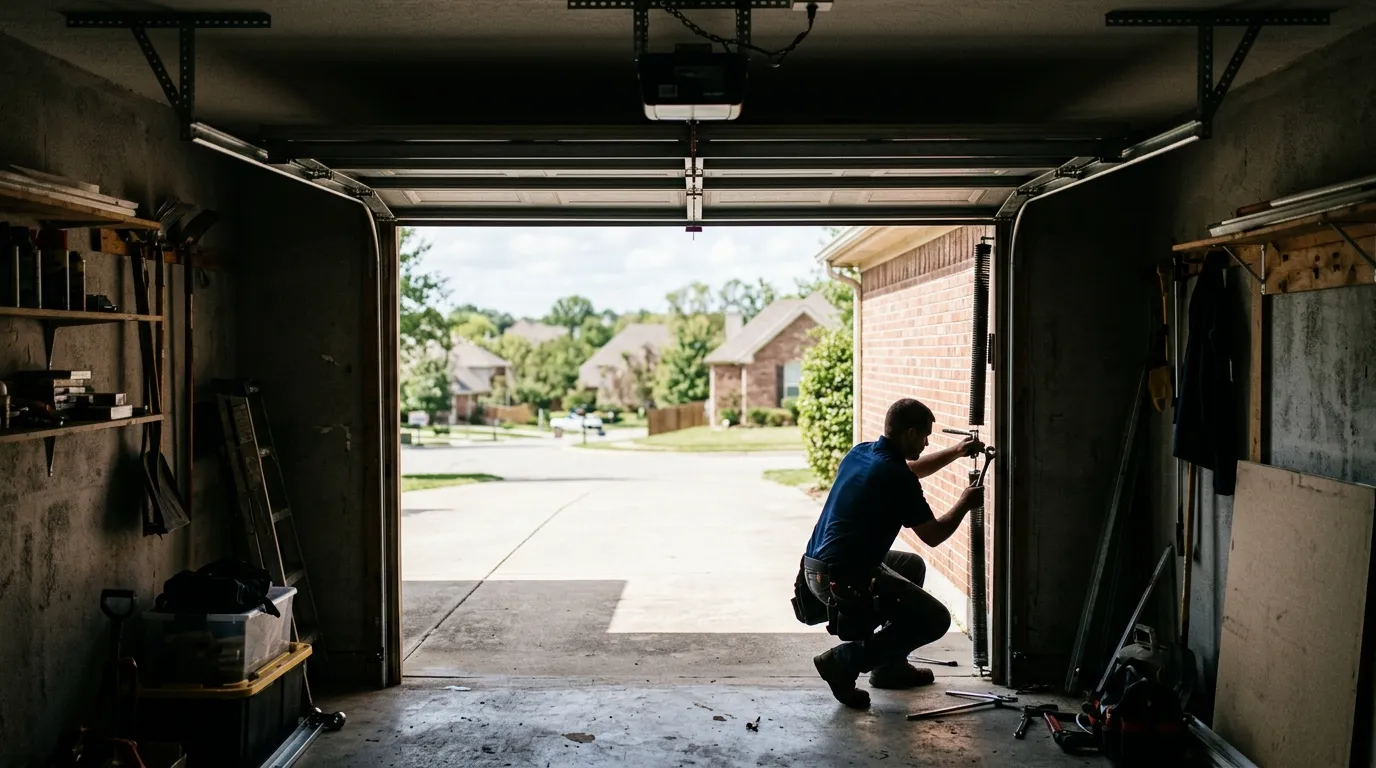
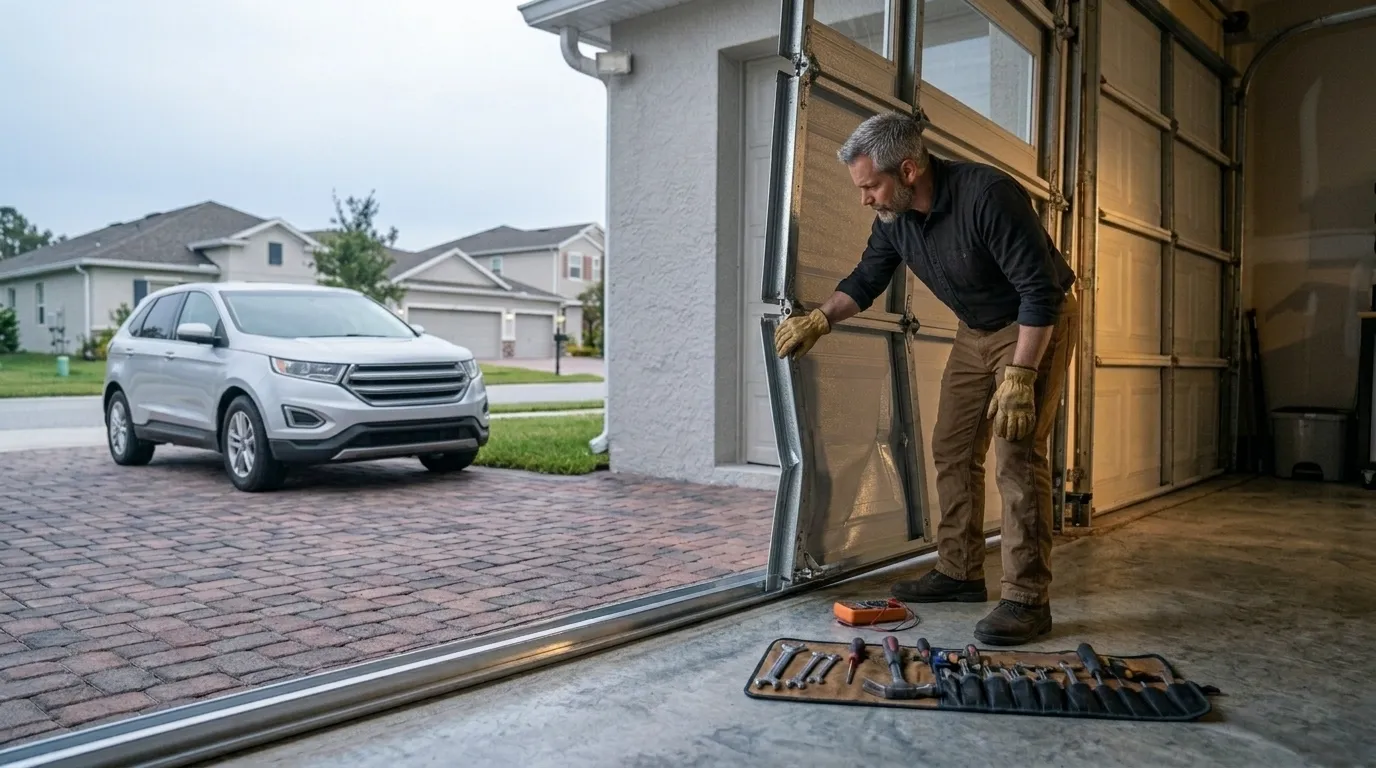
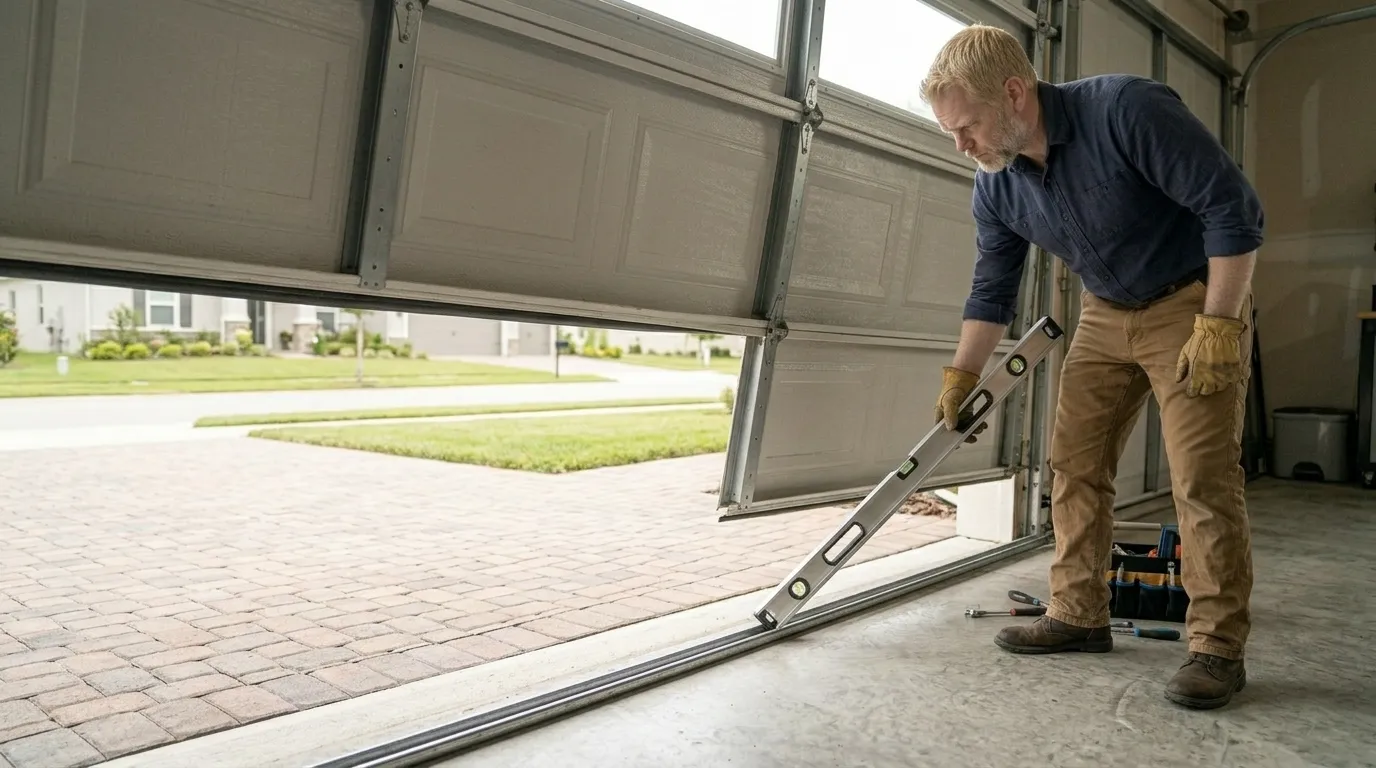
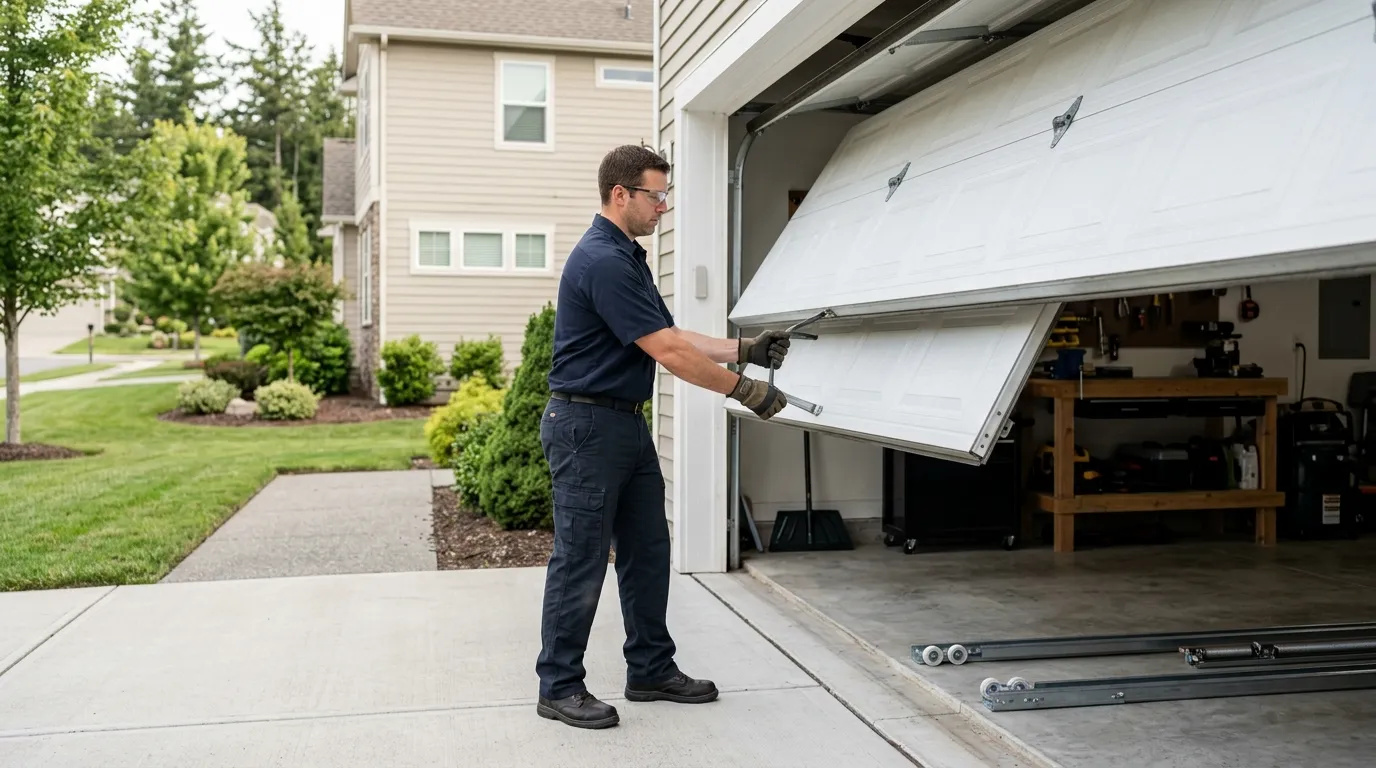
The most common call isn't a dead motor. It's a door that reverses on its own, won't close all the way, or grinds and stalls halfway up. In Burbank's older stock - the city's houses run from 1943 to 2012 with the median sitting at 1959 - a lot of those symptoms trace back to openers bolted onto original hardware that was never built for a motorized unit. A one-piece door on side-mounted torsion springs, common in that era, puts different stress on a header bracket than the sectional doors modern openers are designed around, and an opener fighting that mismatch throws error codes and safety reversals long before the motor itself is actually worn out.
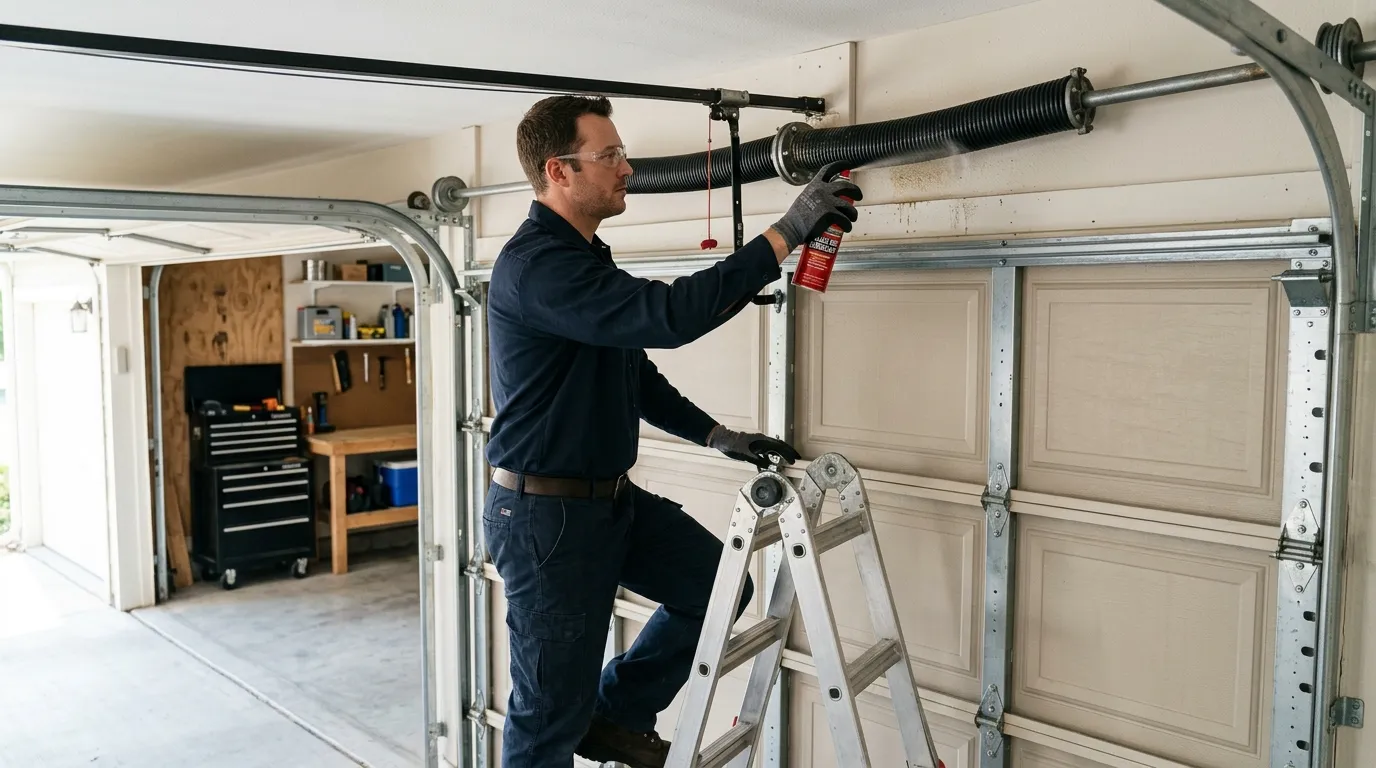
Heat plays a smaller but real part. The area's climate band is moderate rather than extreme heat, so this isn't the kind of fault line where openers cook themselves in a single summer. What shows up instead is gradual: circuit boards and photo-eye sensors drift out of calibration over years of warm afternoons in an unconditioned garage, and a chain or belt that was fine in cooler months starts skipping once the garage holds heat into the evening. It reads as a random glitch. It's usually just age plus heat, slowly.
What It Costs
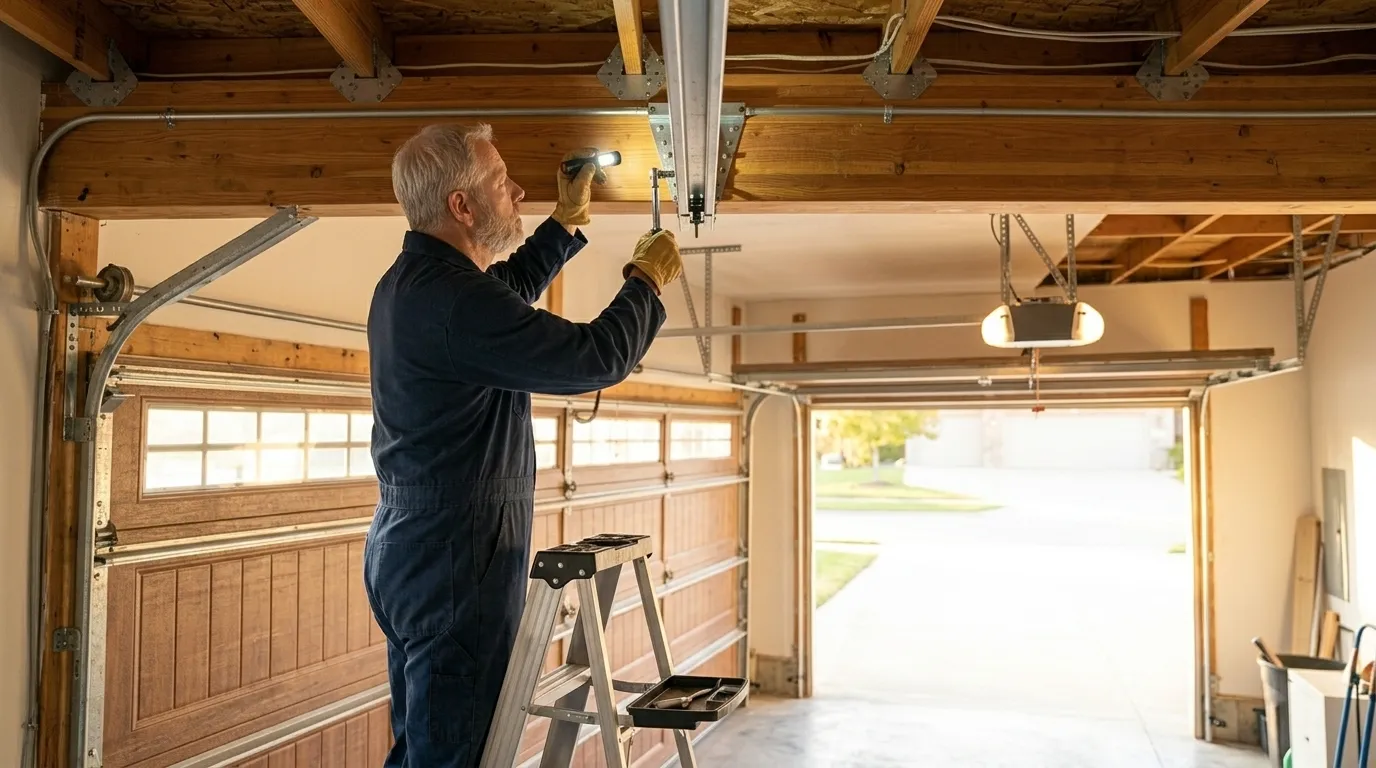
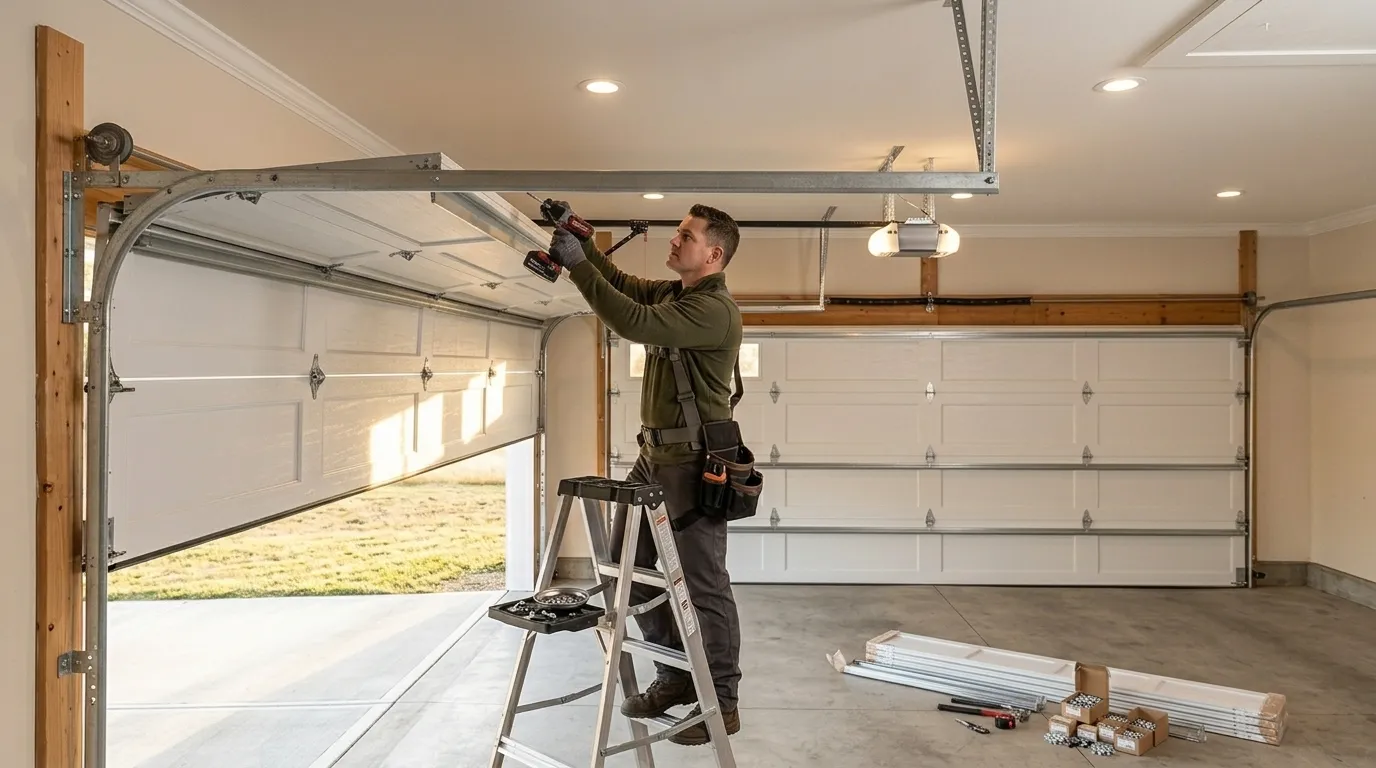
What drives the price on an opener job is rarely the motor itself - it's what the door and the opening demand around it. A double door is heavier than a single, and heavier doors need a stronger drive unit, which costs more than the base model. If the garage has an original header that isn't rated for a modern opener's mounting bracket, that's added labor and material before the motor ever goes up. Belt-drive units cost more up front than chain-drive but run quieter, which matters more in an attached garage under a bedroom than a detached one.
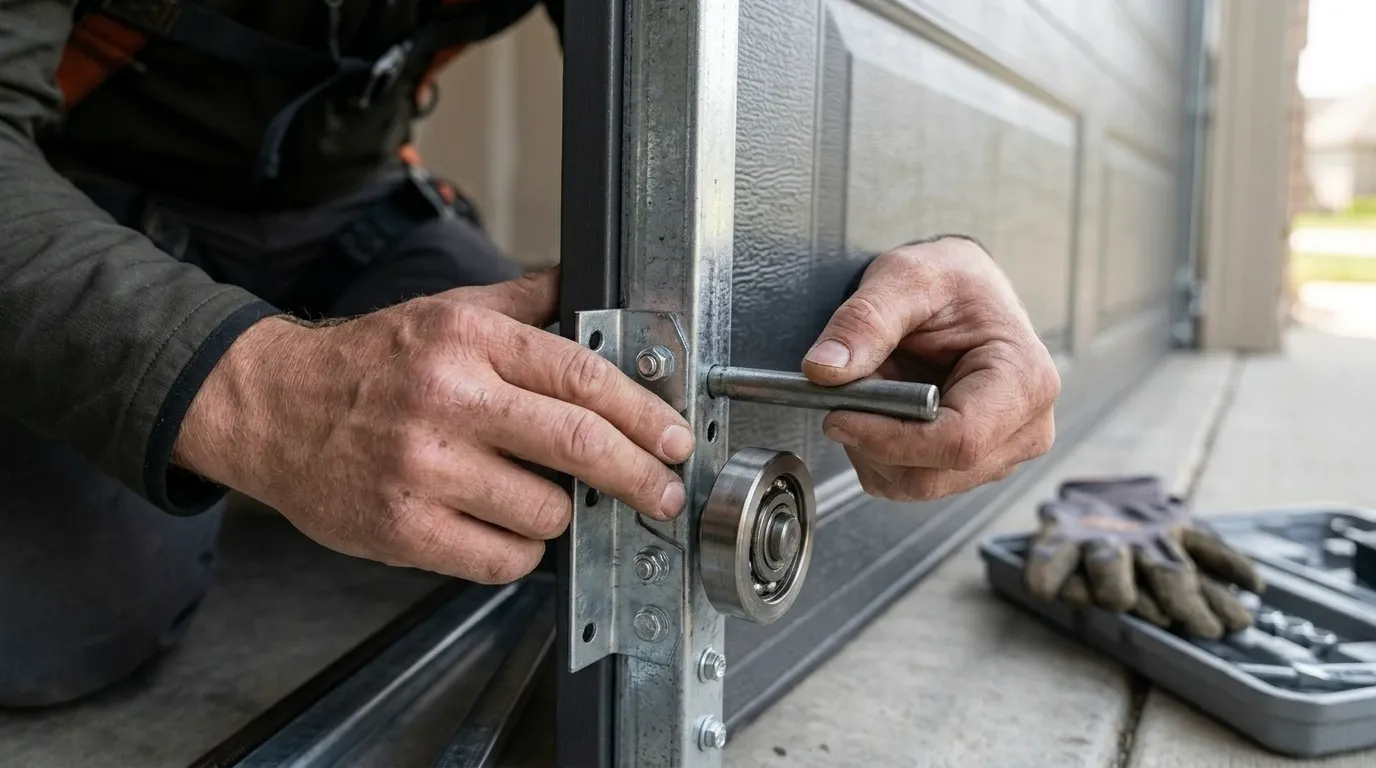
We don't have a flat number to quote here because it genuinely depends on the door in front of us - weight, track condition, and whether the existing wiring and wall control can be reused all change the number. One honest limitation: if a door is old enough that the springs, rollers, and track are all near the end of their life too, putting a brand-new opener on it is sometimes throwing good money after bad. In that case we'll say so before the sale, not after.