How Long You Are Without the Door
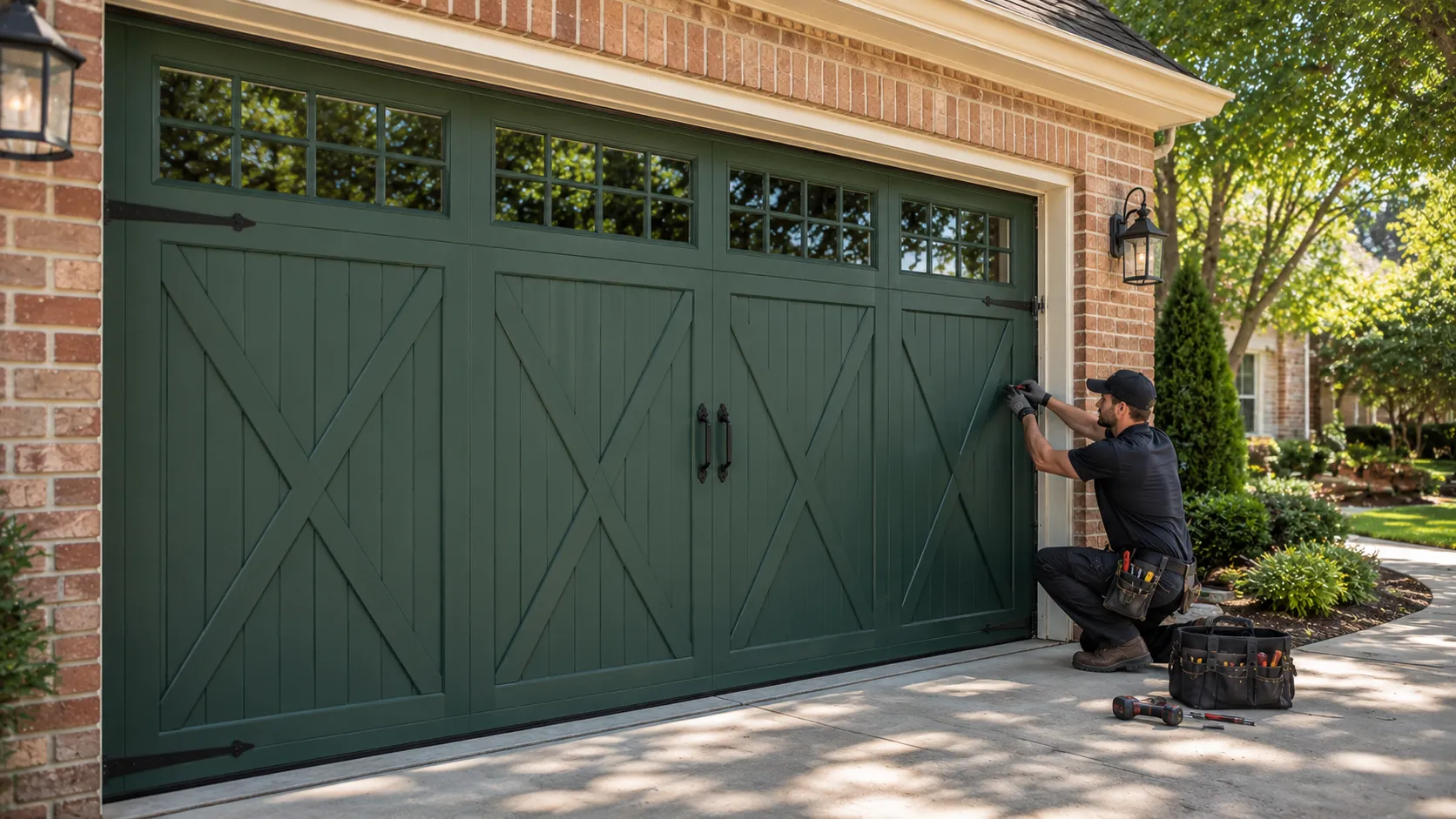
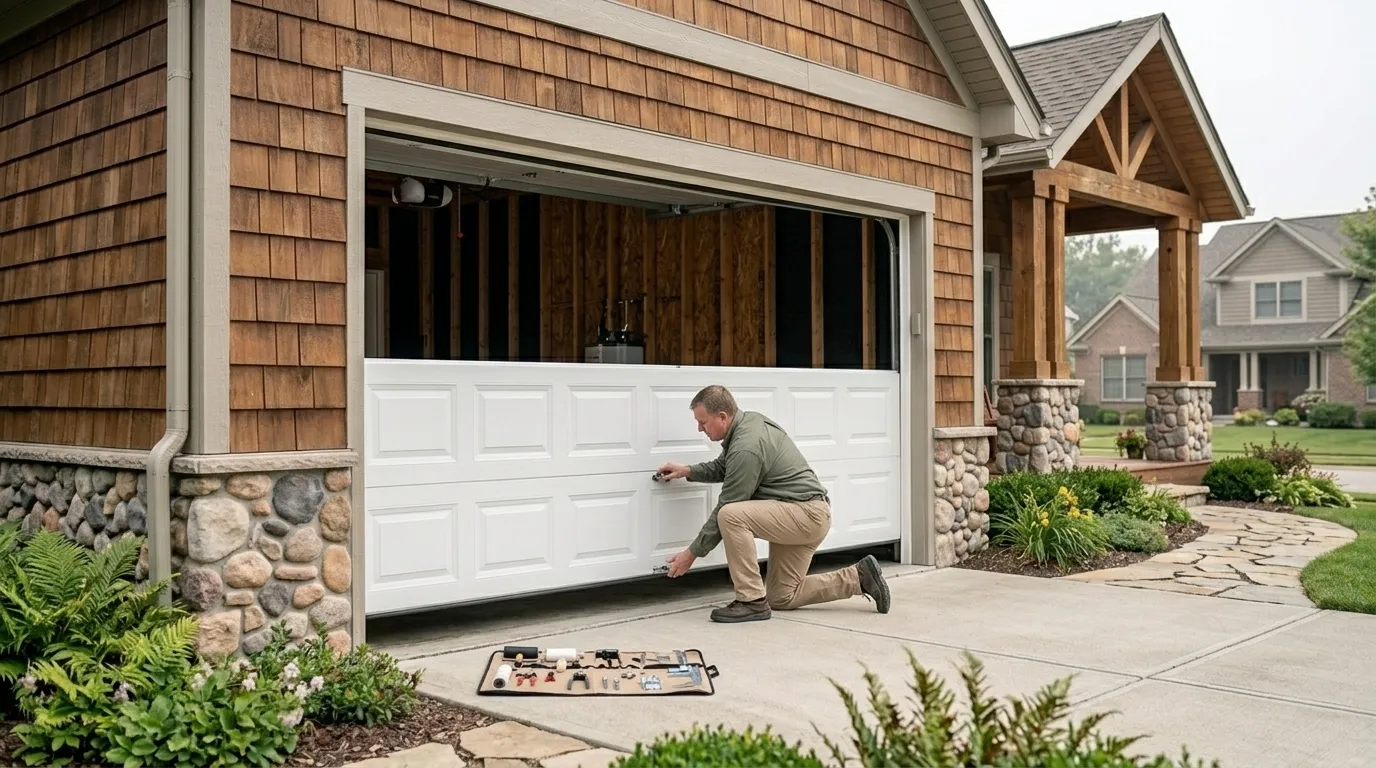
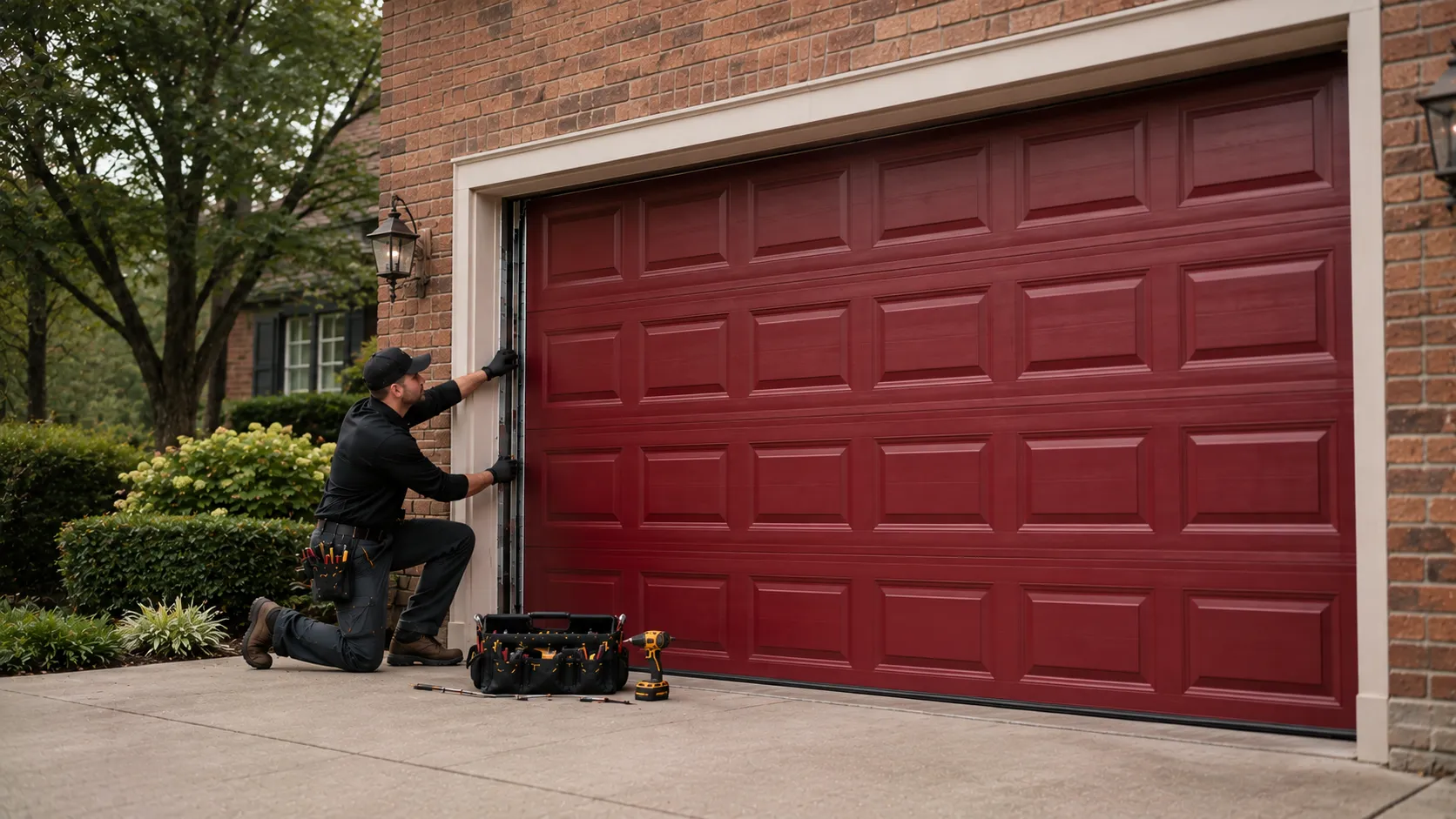
The crew works out of Burbank, 19 miles from Pico Rivera, so a new-door job here gets booked as a single planned trip rather than a quick in-and-out. That distance shapes the day: once the truck is on site with the door and hardware, the old unit comes out and the new one goes up in one visit, because a second trip back out isn't practical for either side. What can stretch the timeline is the door itself - if the opening needs a custom width or a low-headroom kit because of an older frame, that part has to be ordered ahead of the visit, so the installer knows before the truck ever leaves Burbank. Once the door and parts are on hand, a straightforward double-door swap on a garage in reasonable shape is typically a one-day job from tear-out to a working opener. What isn't a one-day fix is a header that needs rebuilding or a slab that's settled enough to throw off the track alignment - that gets flagged on the first look, not discovered mid-install.
What It Costs
There's no flat number to quote here, because what drives the cost on a Pico Rivera install is the same thing that drives the timeline: the age and condition of the opening. A standard-width steel door on a frame that's square and in good shape costs less to install than one where the header needs shoring up or the track has to be re-hung to correct for a frame that's shifted over sixty-plus years. Insulation is a real variable too - this area sits in a moderate-heat climate band, so a heavier insulated door isn't a must-have the way it would be somewhere with harsher summers, but plenty of owners still choose one for the noise reduction and the extra R-value on an attached garage. Opener replacement, if the old one's original to the house, adds to the job separately from the door itself. The honest answer is that pricing gets set after the crew sees the actual opening, not off a phone call - a quote given without seeing a 1957-era frame is a guess, and guesses on framing repairs are how jobs go over budget.
What Can Go Wrong
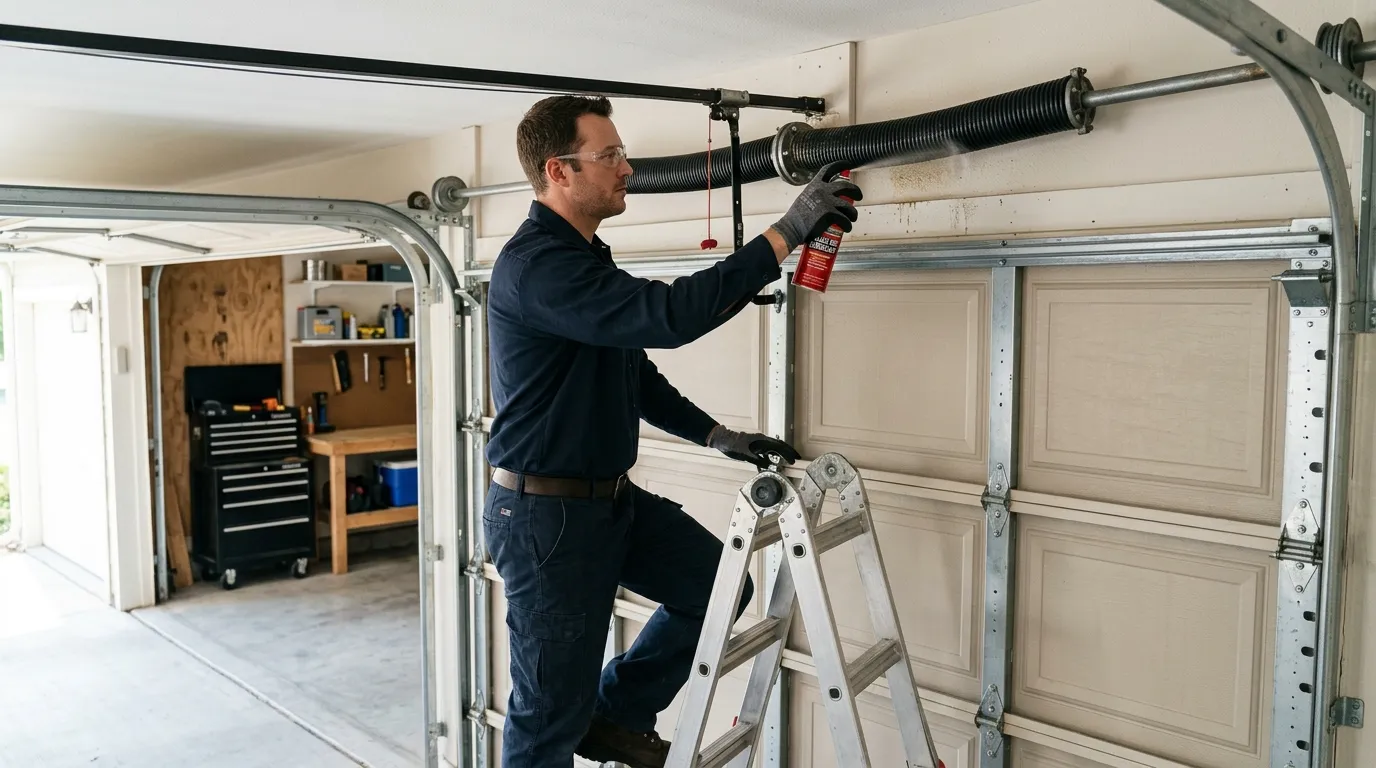
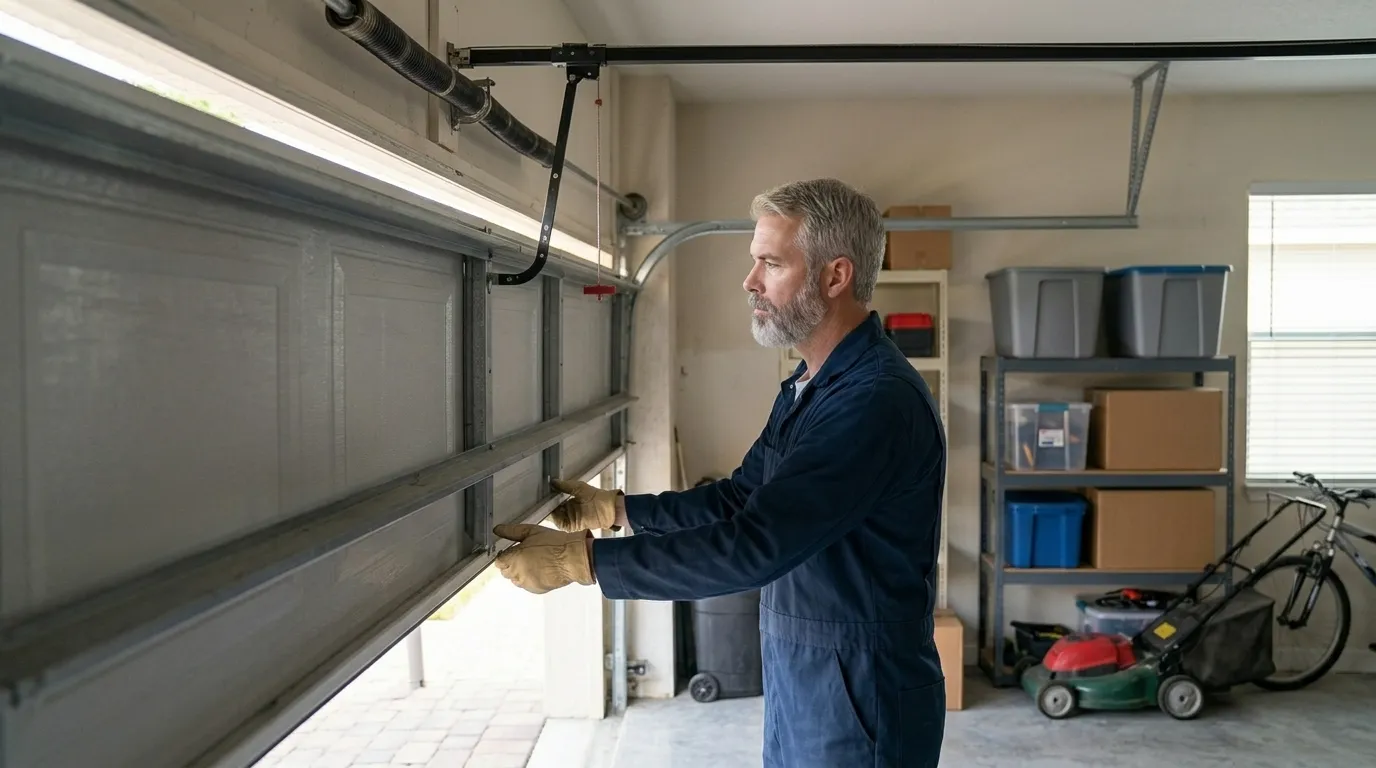
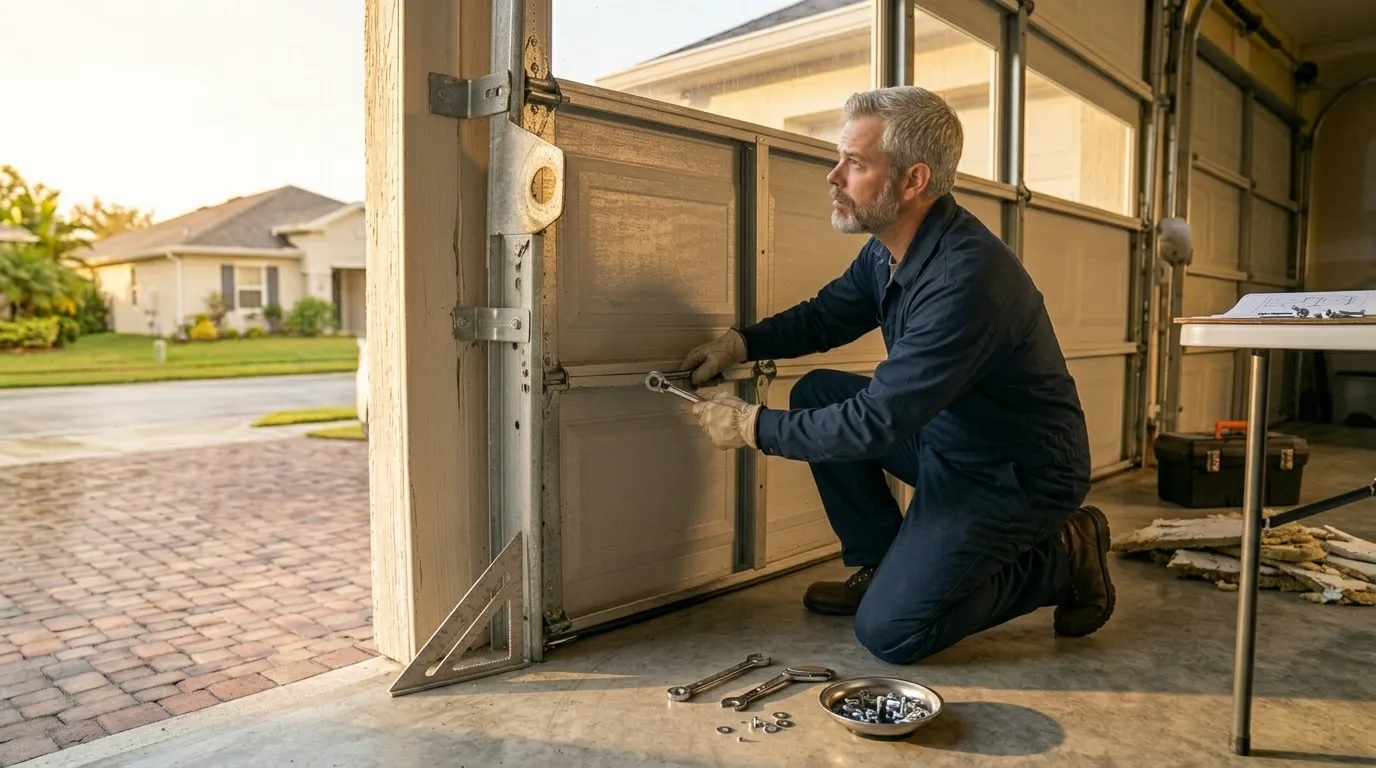
The most common surprise on an older Pico Rivera install isn't the door - it's what's behind the drywall. On houses built around 1957, headers were often sized for a lighter wood door, and swapping in a heavier insulated steel door can mean the header needs reinforcing before the new track will hold true. Slabs from that era have also had six-plus decades to settle, and a floor that's out of level by even half an inch can throw off how the door seats against the weather seal, showing up later as light or draft along the bottom panel. Openers get overlooked too - if the existing one is original to the house, its mounting bracket and travel limits are usually built for the old door's weight, not the new one, and reusing it without checking the specs can strain the motor from day one. None of this is unusual for the age of the housing stock here, but it does mean an install quoted purely by door size, without eyes on the actual frame and slab, is the kind of quote that changes once the old door comes down.