Why It Happens Here
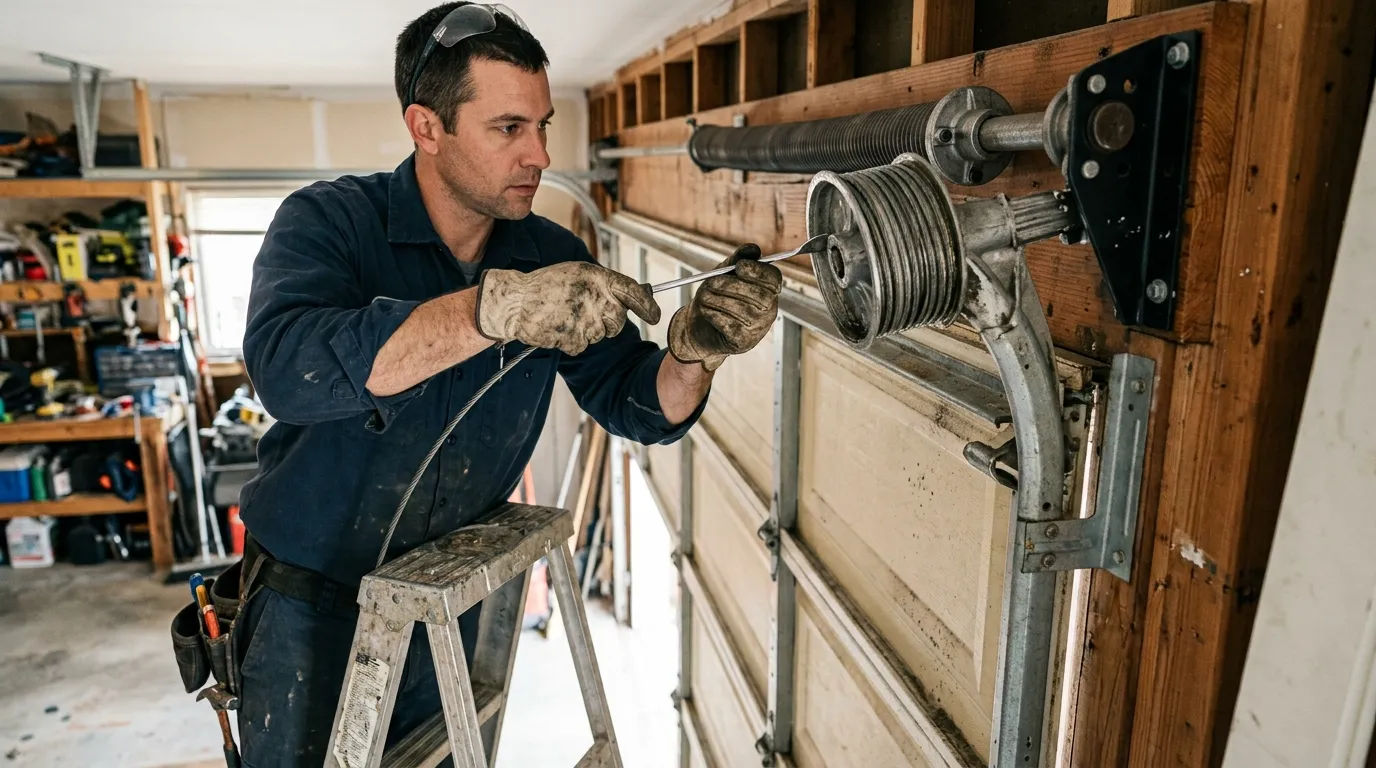
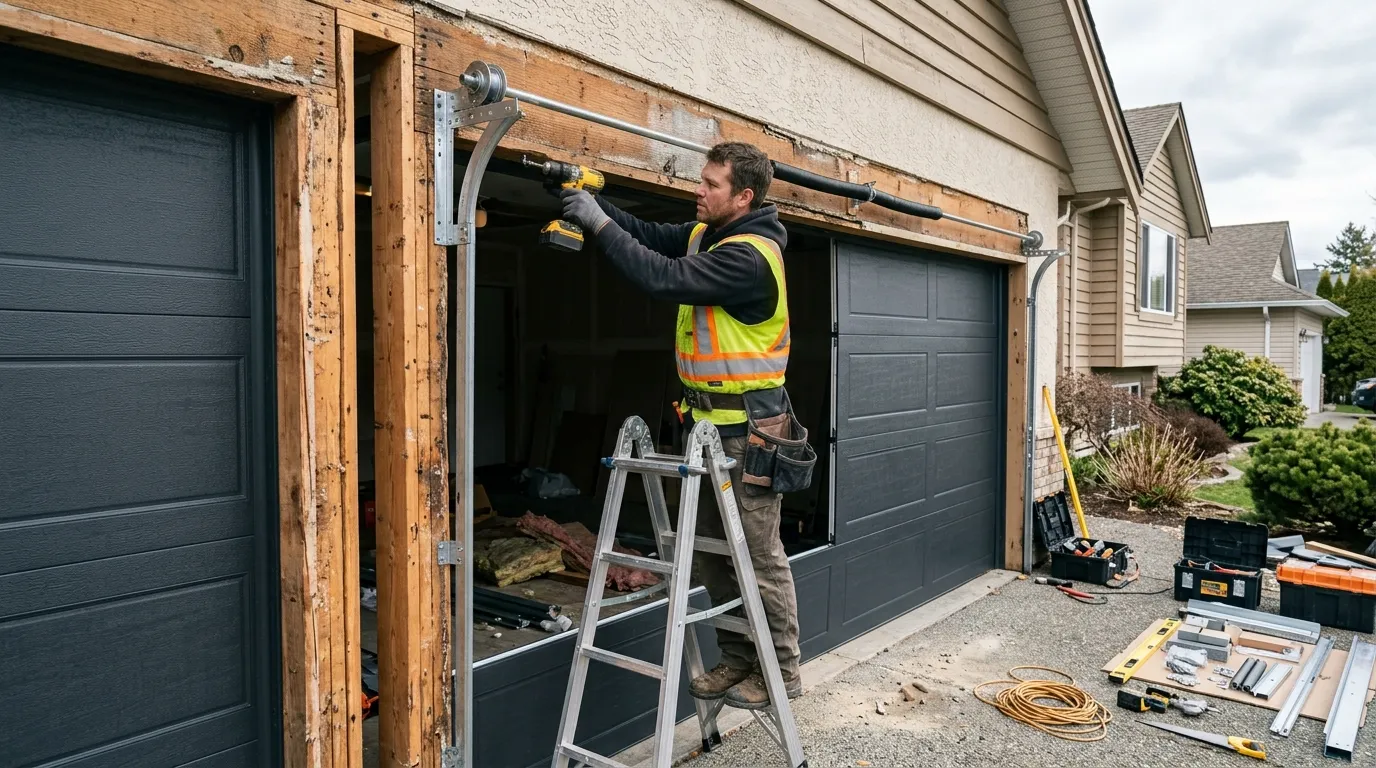
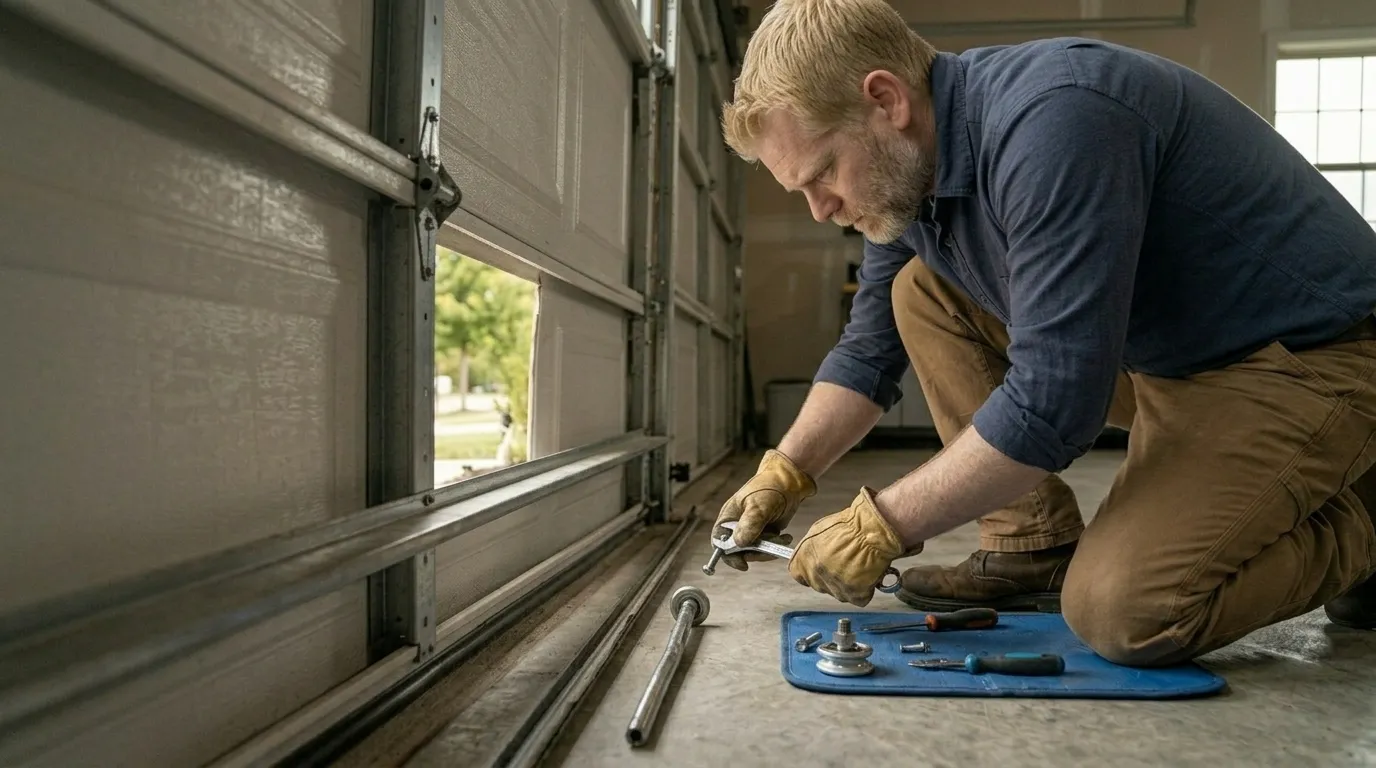
A house built around 1945, which is close to the median build year for a lot of Altadena, went up with a garage door running on side-mounted extension springs, not the torsion spring over the header that became the default on later production. That matters because extension springs stretch and fatigue differently, and the safety cables that should run through them are the first thing that gets skipped in a cheap repair.
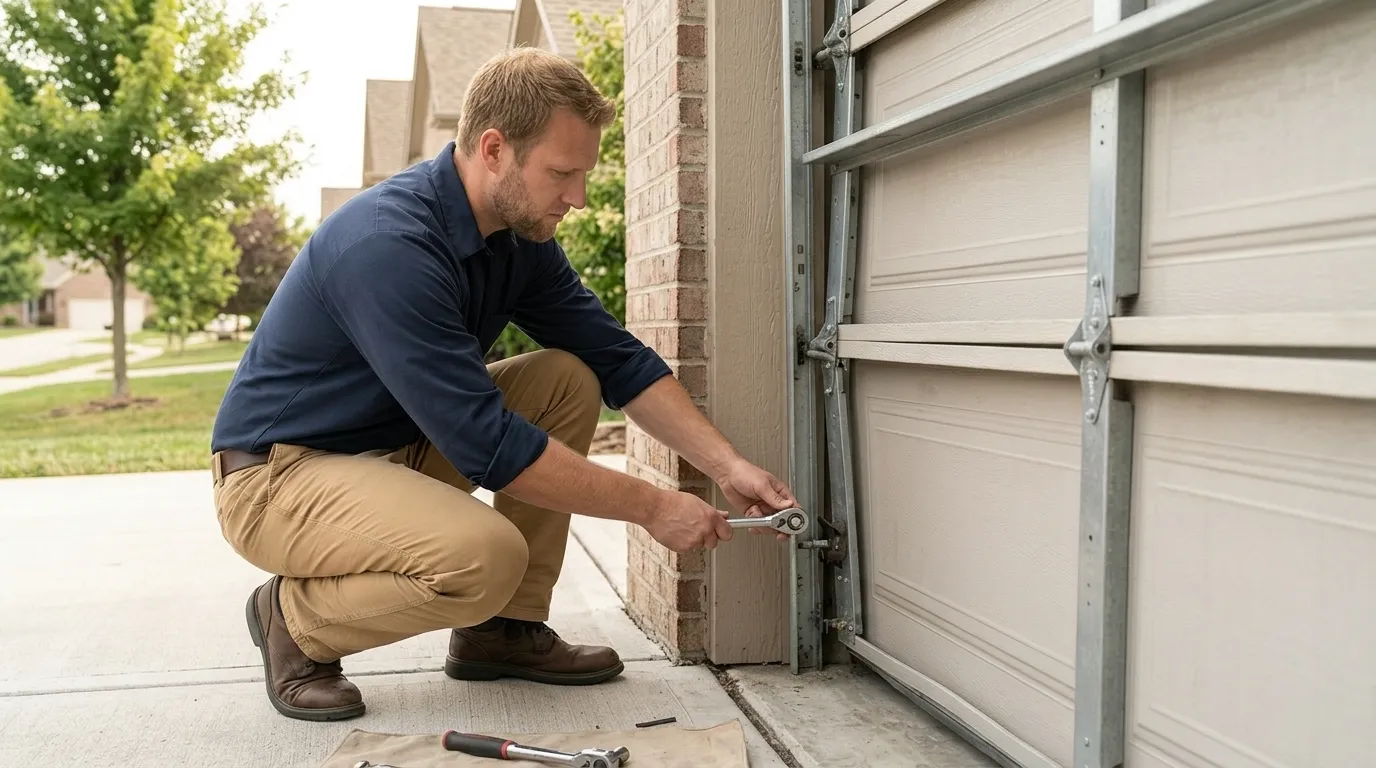
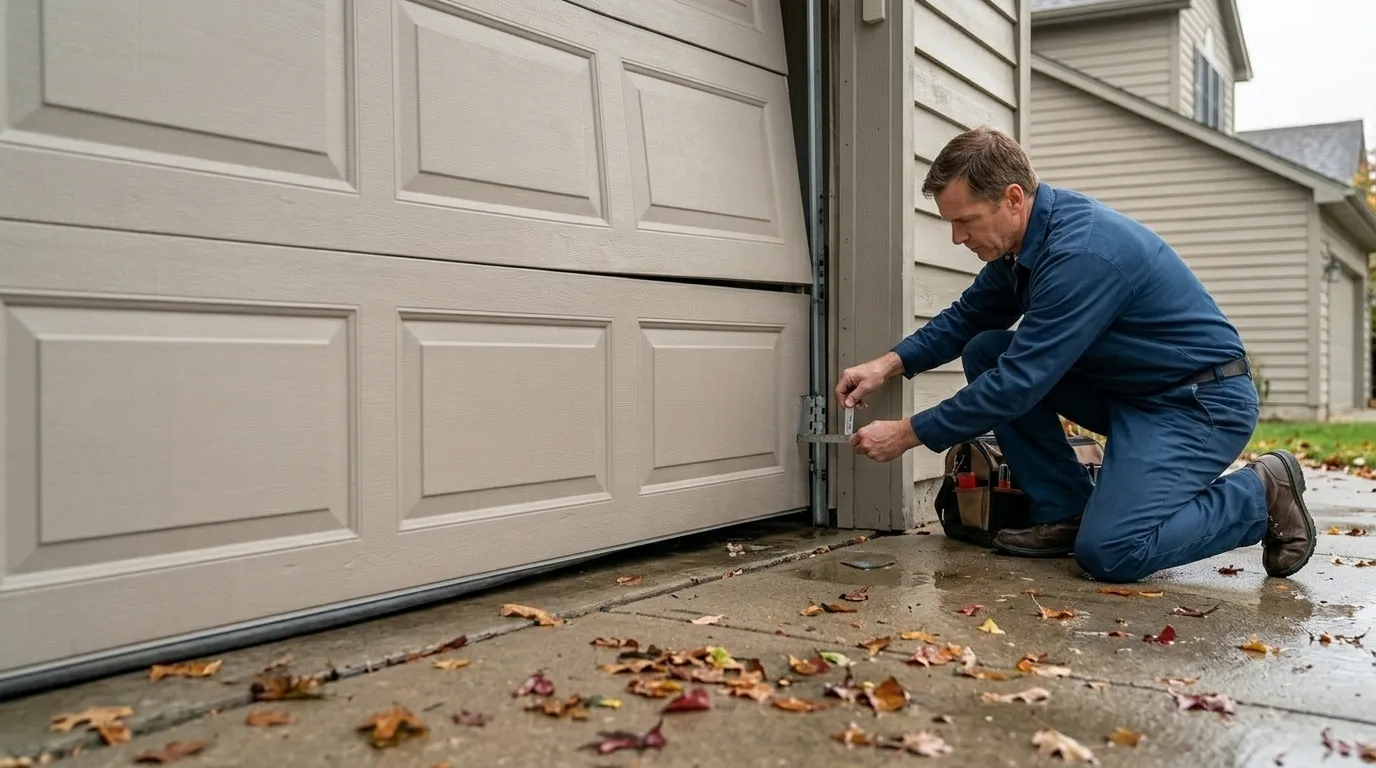
At roughly that age, the other common failure is the track itself. Original steel track from the 1940s and 50s is narrower and lighter gauge than what's sold today, and it bends easily if a roller starts to bind. On a lot of these older doors we also find the original hardware paired with a much newer opener that was bolted on without adjusting the spring tension to match - a mismatch that shows up as a door that reverses itself or won't fully close.
Altadena sits in the same moderate-heat climate band as the rest of the area we cover, so we're not dealing with freeze-related steel contraction here. The wear pattern is age and metal fatigue, not weather.
Parts We Carry
For houses from this era we carry extension springs in the common Altadena-era sizes, along with the safety cables that should run through them but often don't. We also carry replacement track sections sized to match the older, narrower rail rather than only the wider modern profile - mixing the two doesn't work.
On the opener side, we carry parts for aligning an opener with older torsion or extension hardware rather than assuming everything is one standard setup, since that mismatch is common on original doors that got a newer opener bolted on at some point.
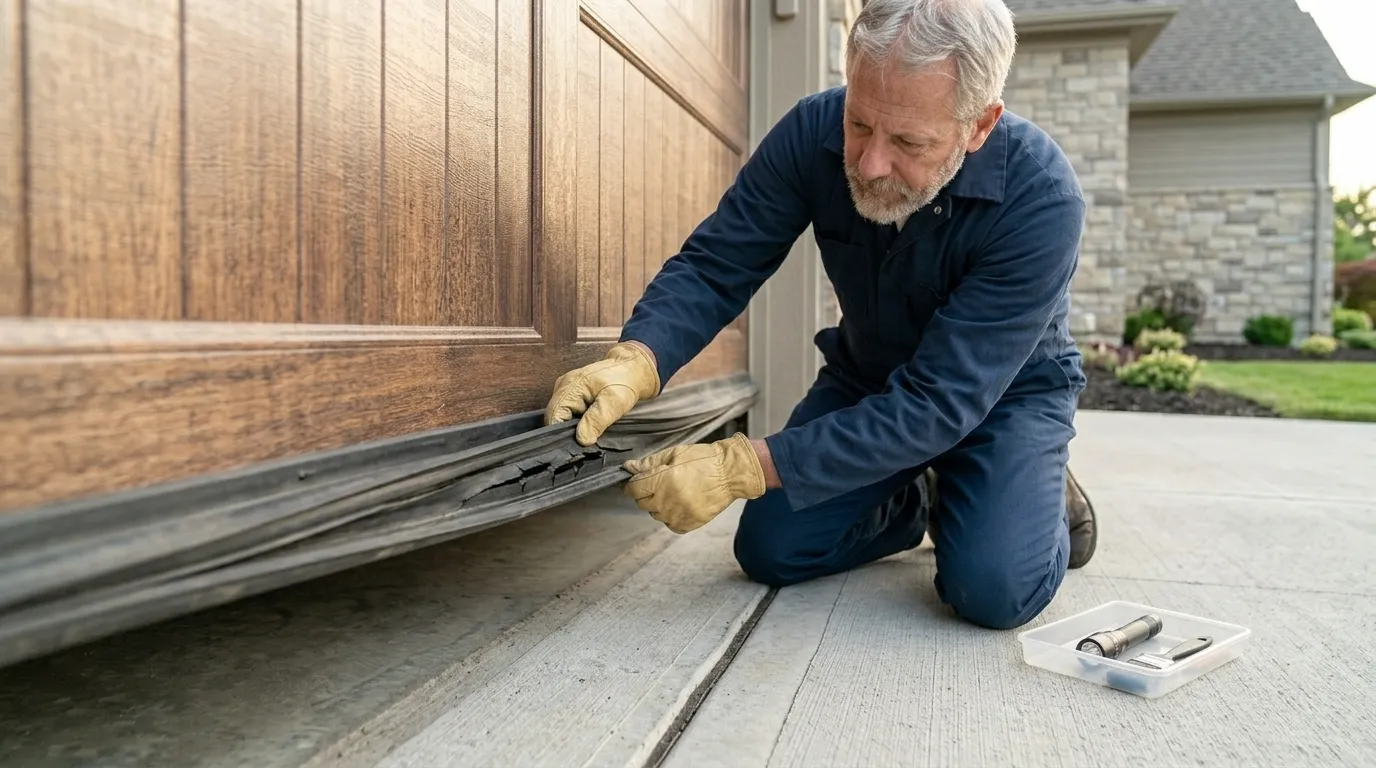
Here's the honest limitation: if the door itself is an original wood panel door from the 1940s and it's warped or delaminating, we don't rebuild wood panels on-site. That's a specialty job outside what we carry parts for, and at that point replacing the door is usually the better call than chasing a repair on original wood.