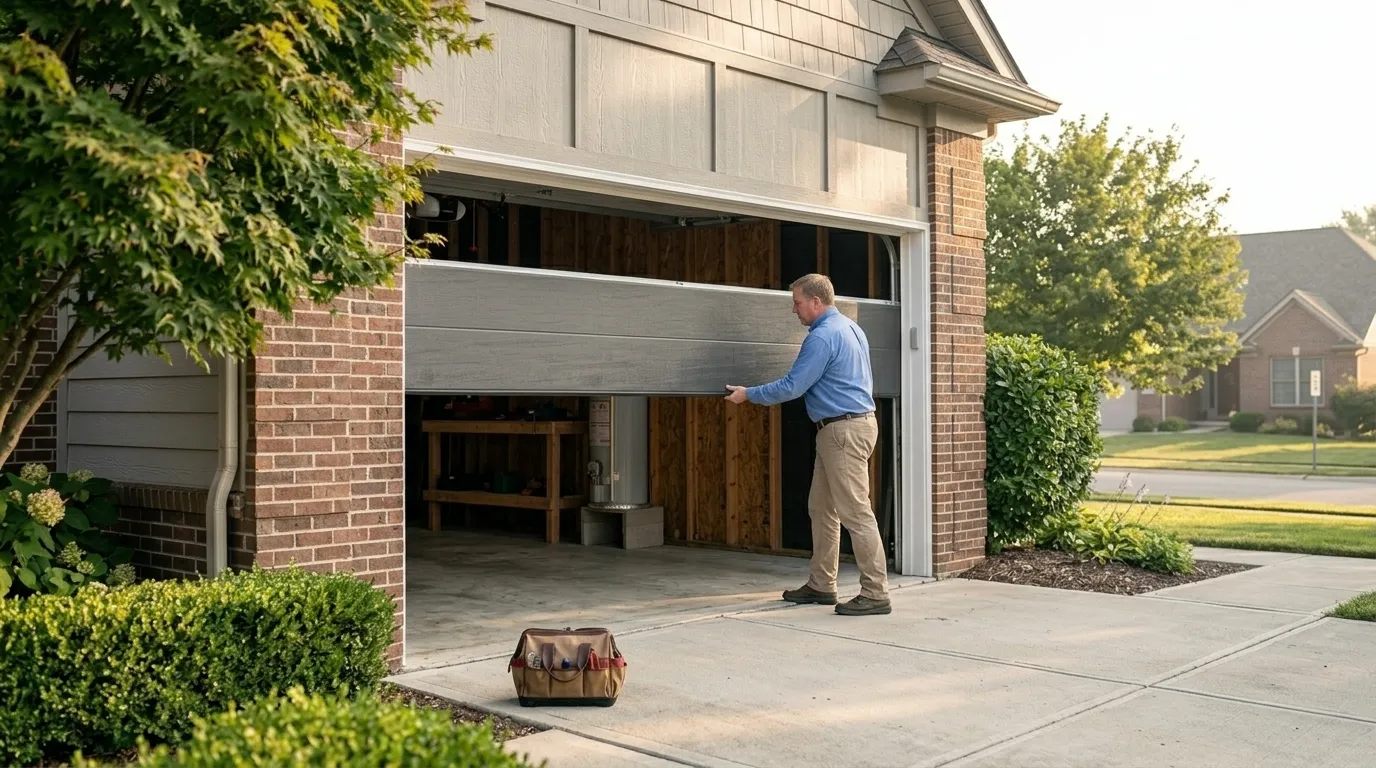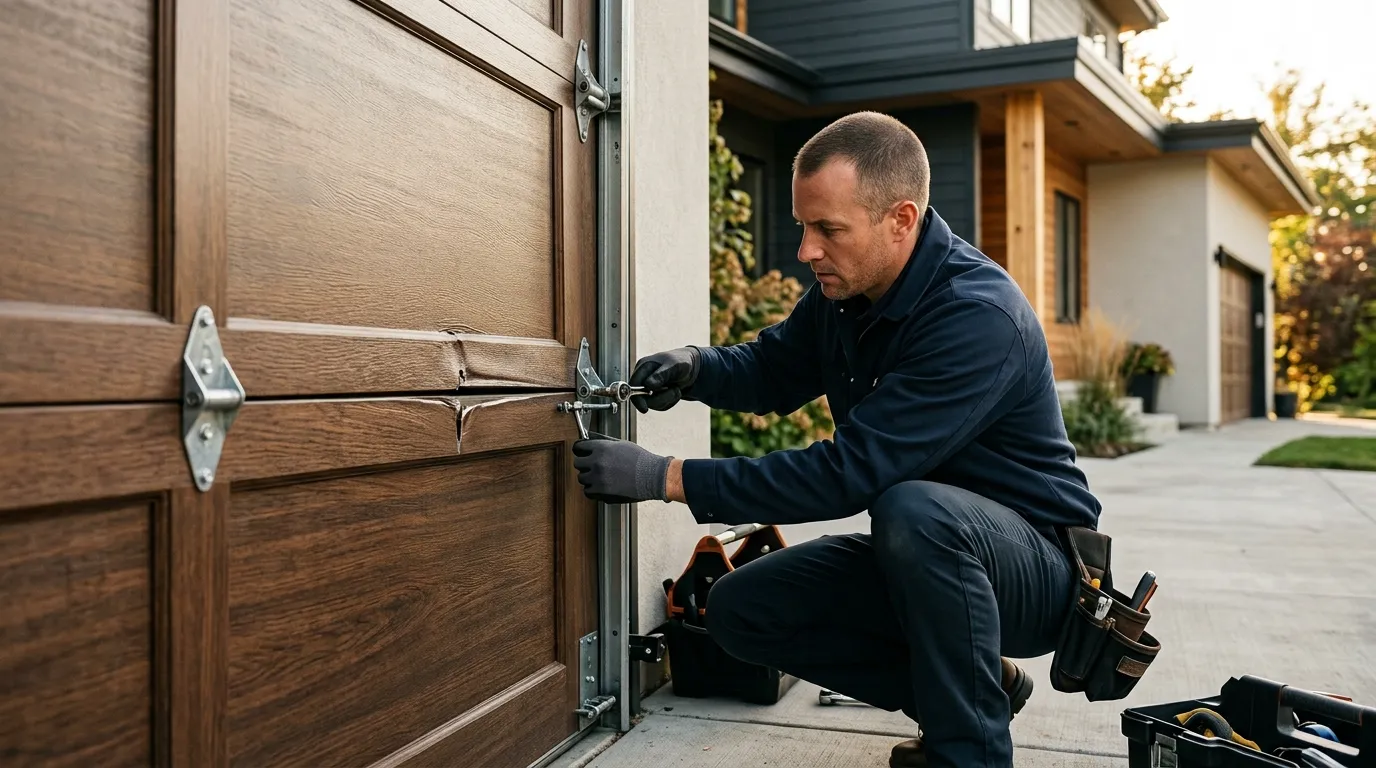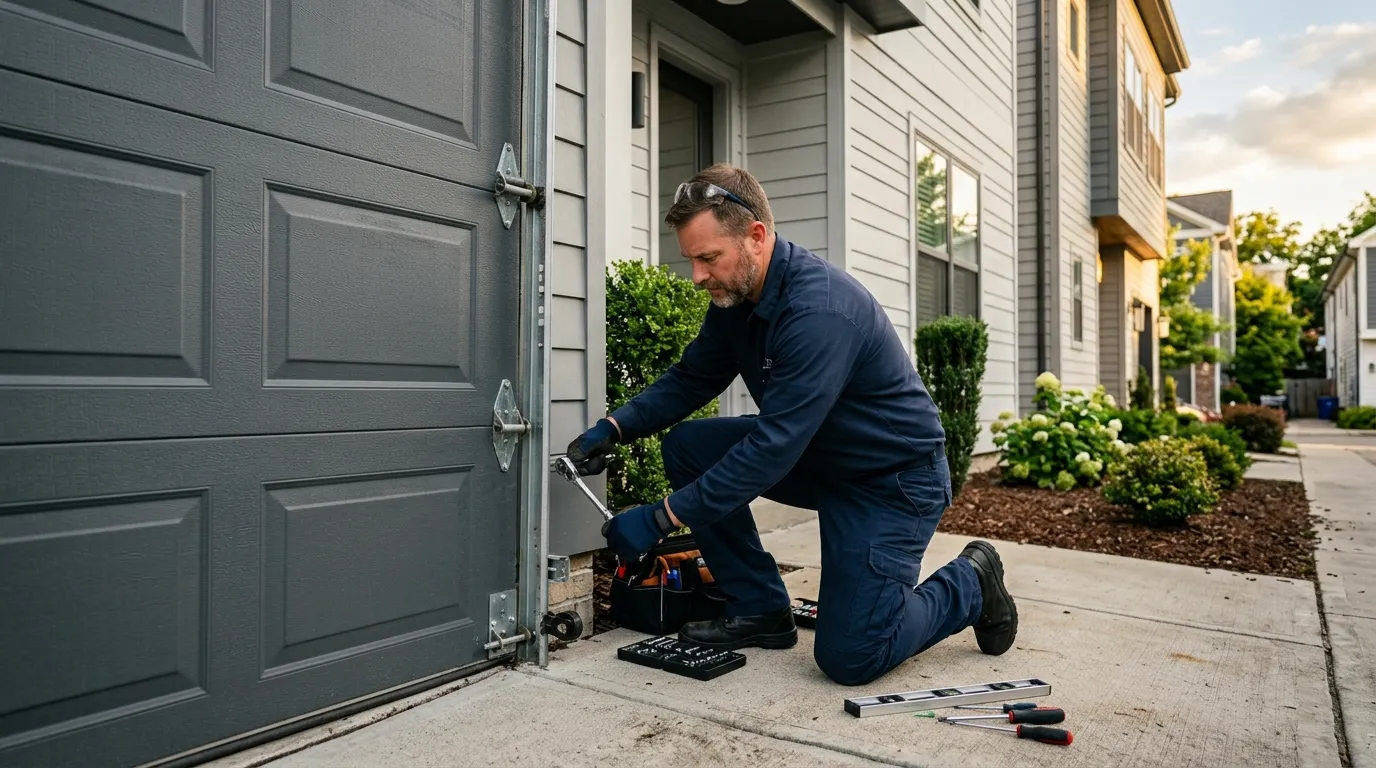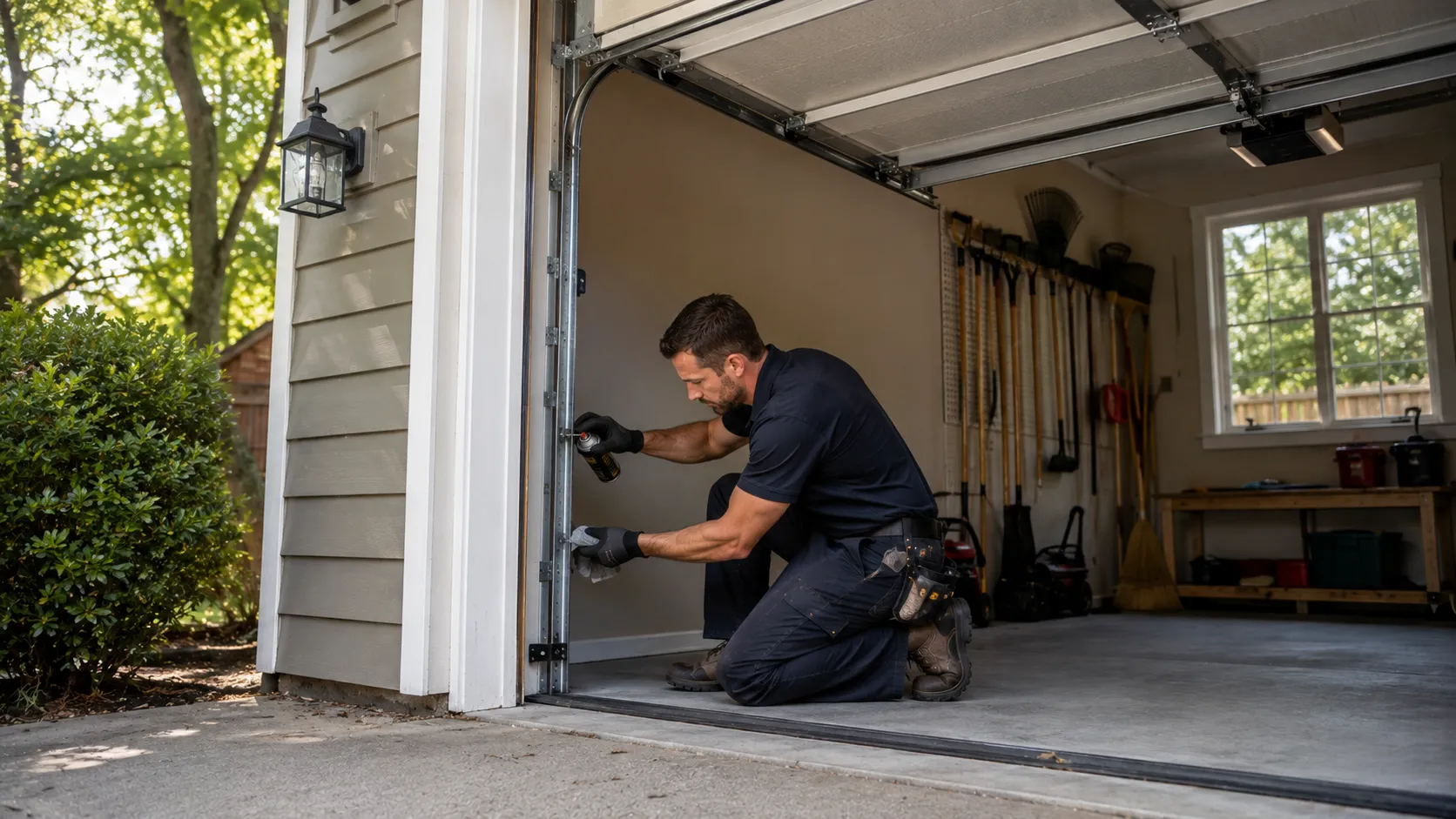
Why It Happens Here
Altadena's median year built is 1945, noticeably older than much of the wider service area we cover, where the mix runs 1943 through 2012 with a median around 1959. That gap matters on a garage door. A house built in the mid-1940s was framed before steel sectional doors were standard, and a lot of those openings still carry retrofitted hardware - springs and tracks bolted onto a frame that was never built for them. That's a different fault pattern than a door installed new on a house built in 1975.
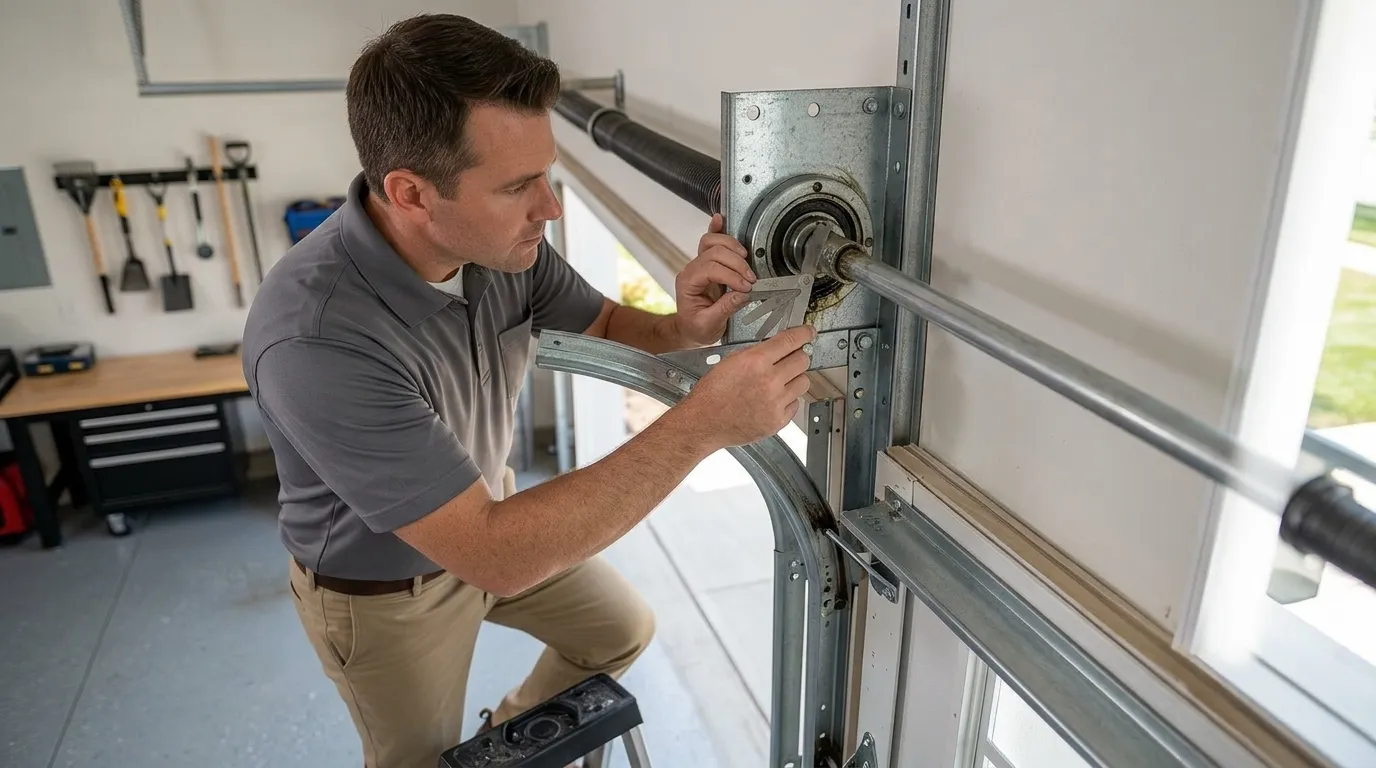
The climate band here runs moderate on heat, which is kinder to doors than a lot of the country - you're not fighting the kind of temperature swings that crack panels or warp wood on their own. What actually fails on these older Altadena doors is age and mismatch: a torsion spring rated for a door ten pounds lighter than the one it's holding, or a track bent slightly out of true decades ago and never fixed, just worked around until a roller finally gives out.
Parts We Carry
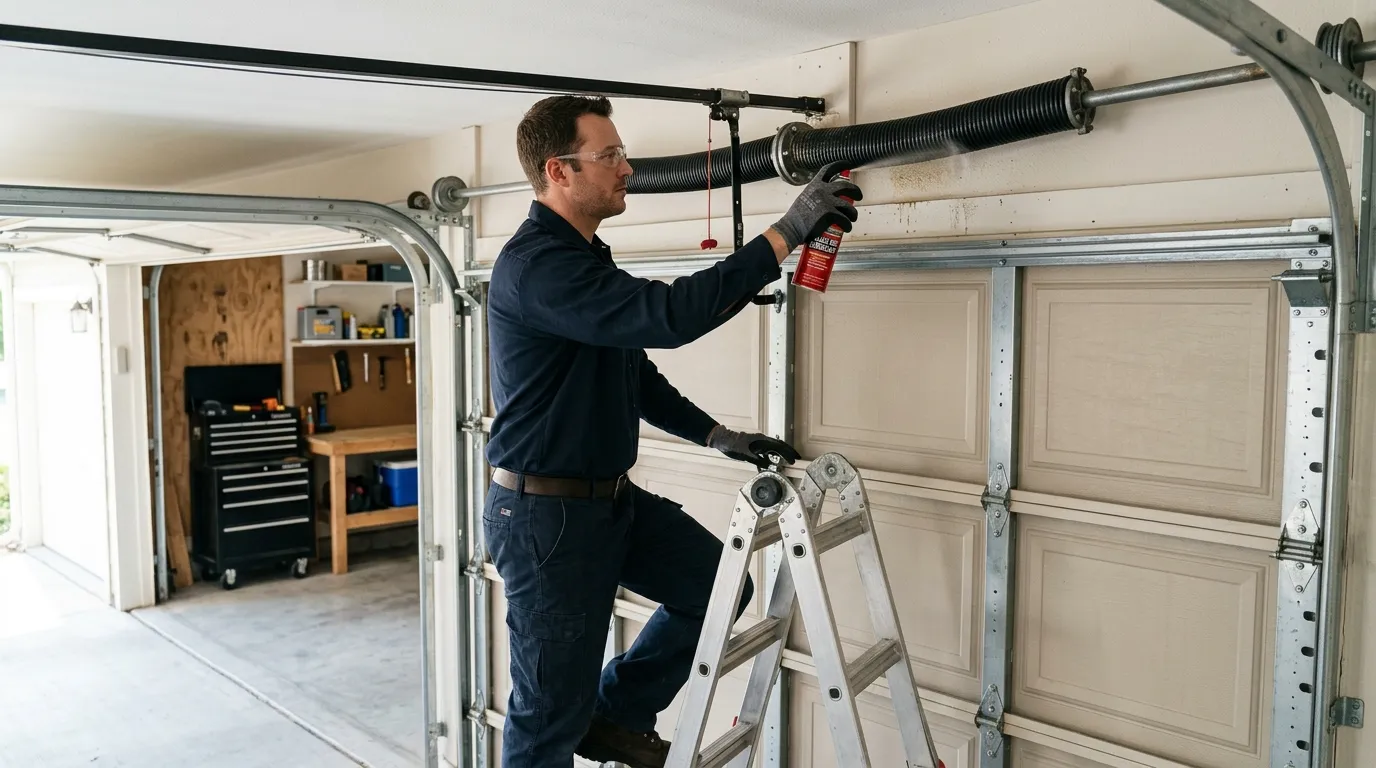
For a house from the mid-1940s, the part that fails first is usually the spring - sized wrong for the door weight, or original-era hardware that's simply worn out after decades of cycles. We carry standard torsion and extension springs sized to match, plus the shafts and cables that go with them.
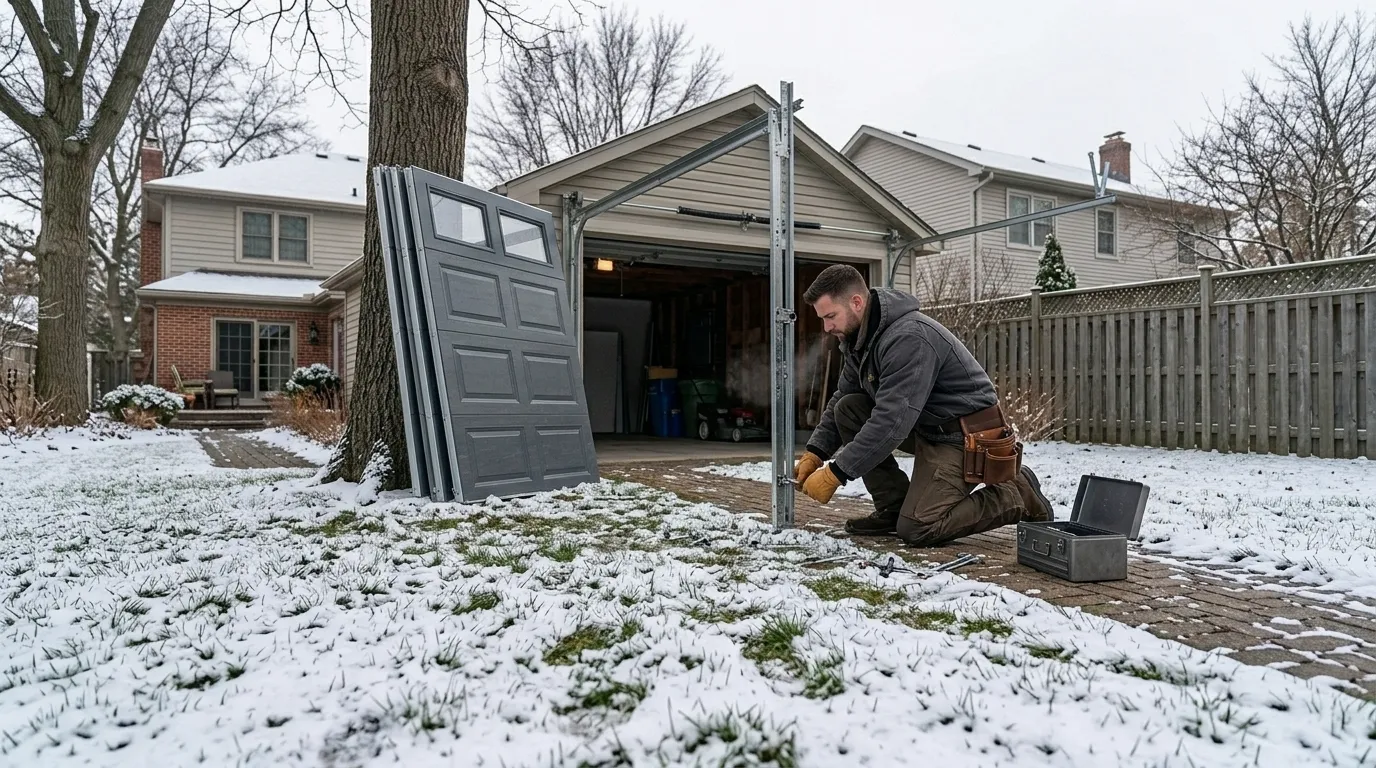
What we don't carry on the truck is a custom-width door built to match an opening that's been reframed or resized over the years - that's a special order, and if your Altadena house has had work done to the garage over the decades, the opening may not match a stock size. We'll measure on site and tell you straight if that's the case rather than force a fit that won't hold up.
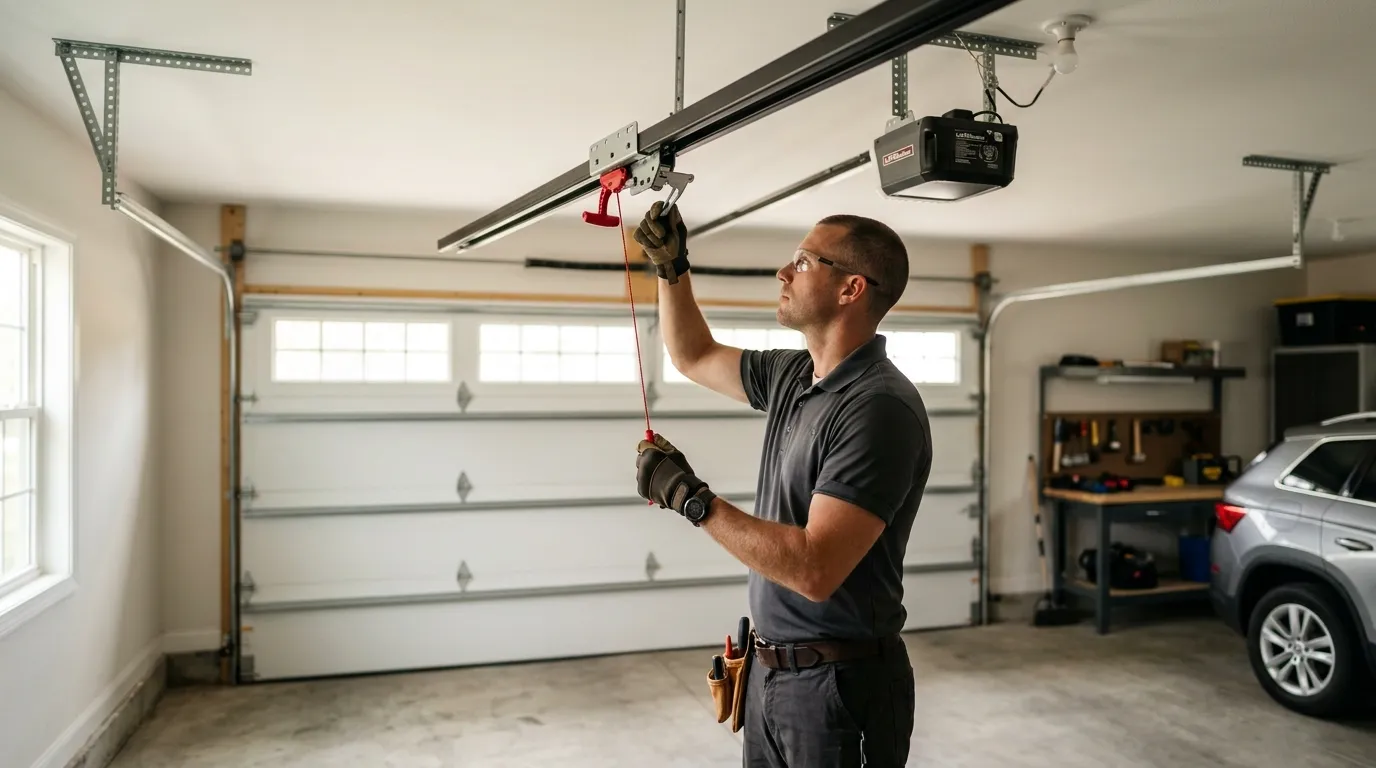
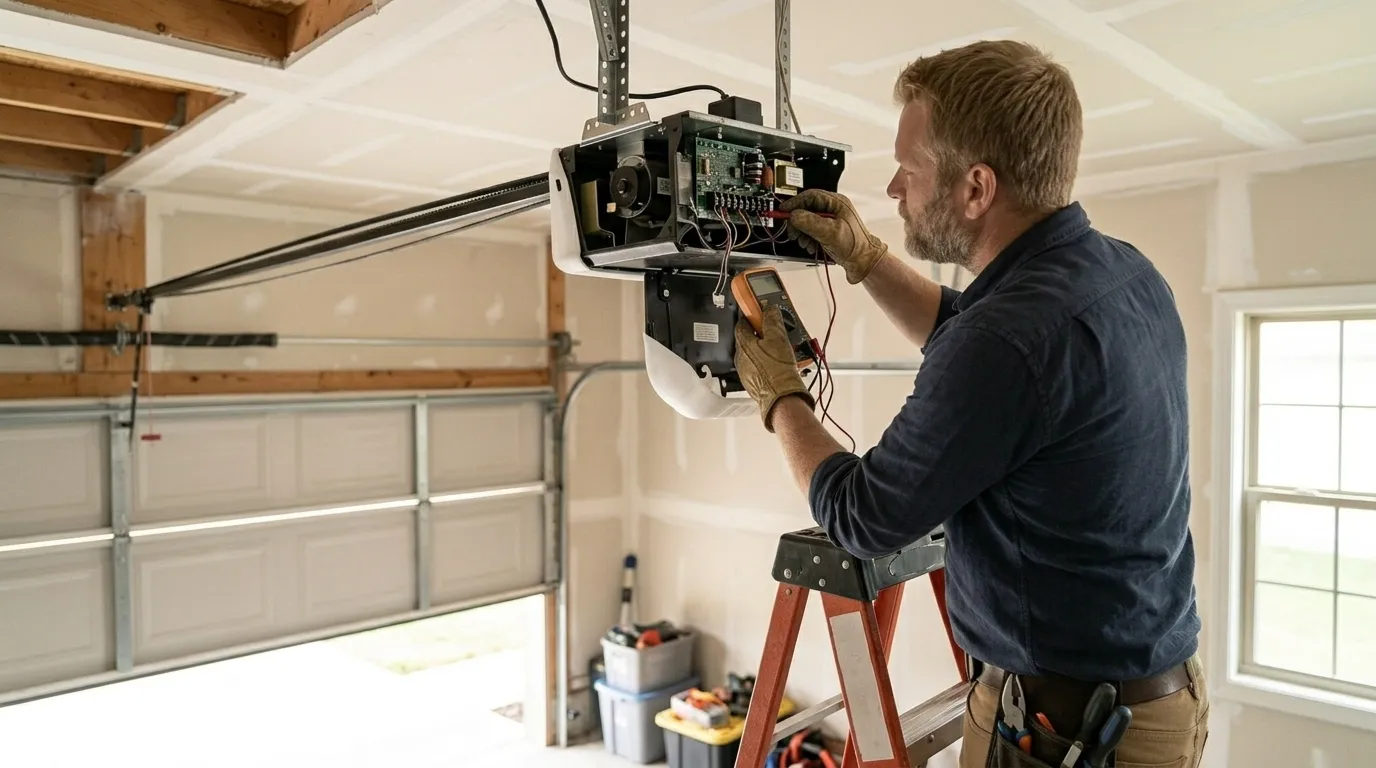
We also carry standard opener logic boards and drive components, rollers in steel and nylon, and cable sets sized for both single and double doors. What we won't do is sell you a full replacement opener when the fix is a $20 part - we'll say so.