Why It Happens Here
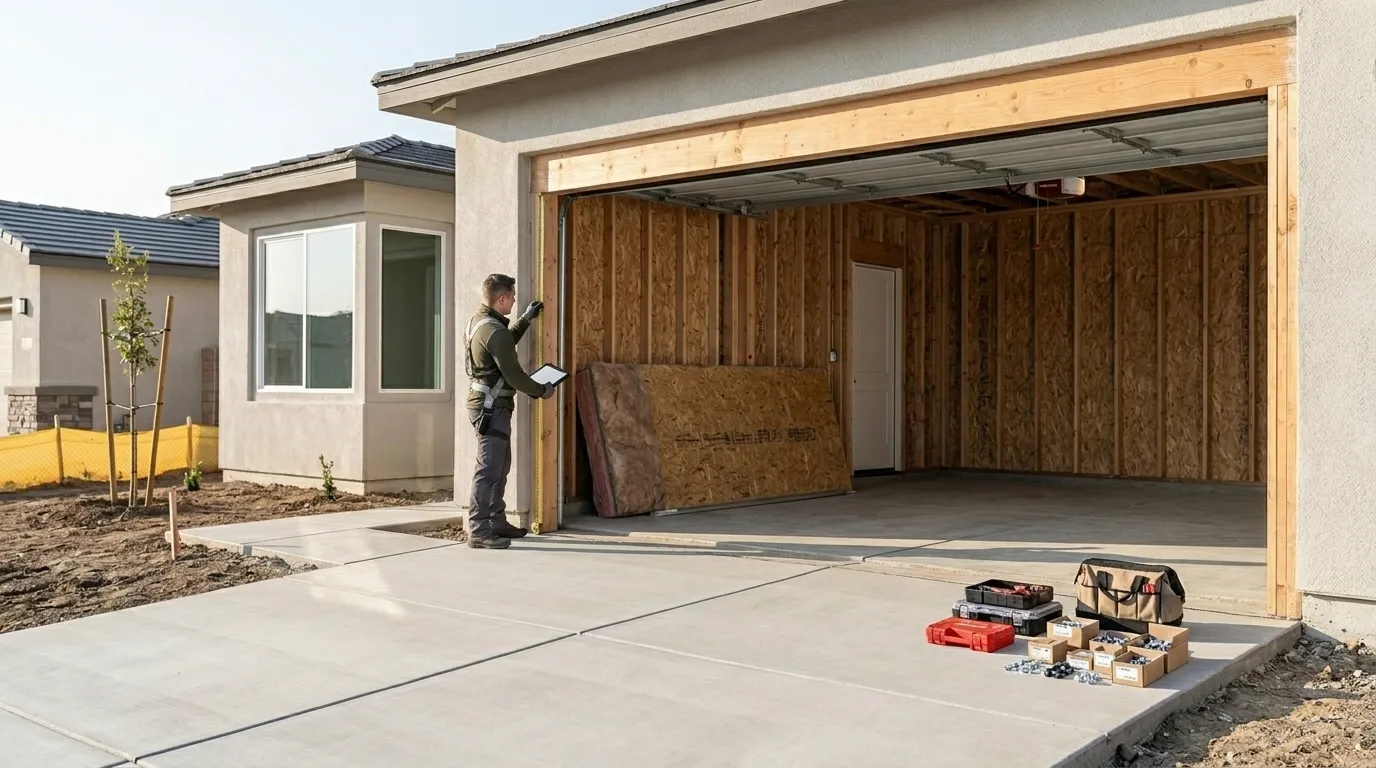
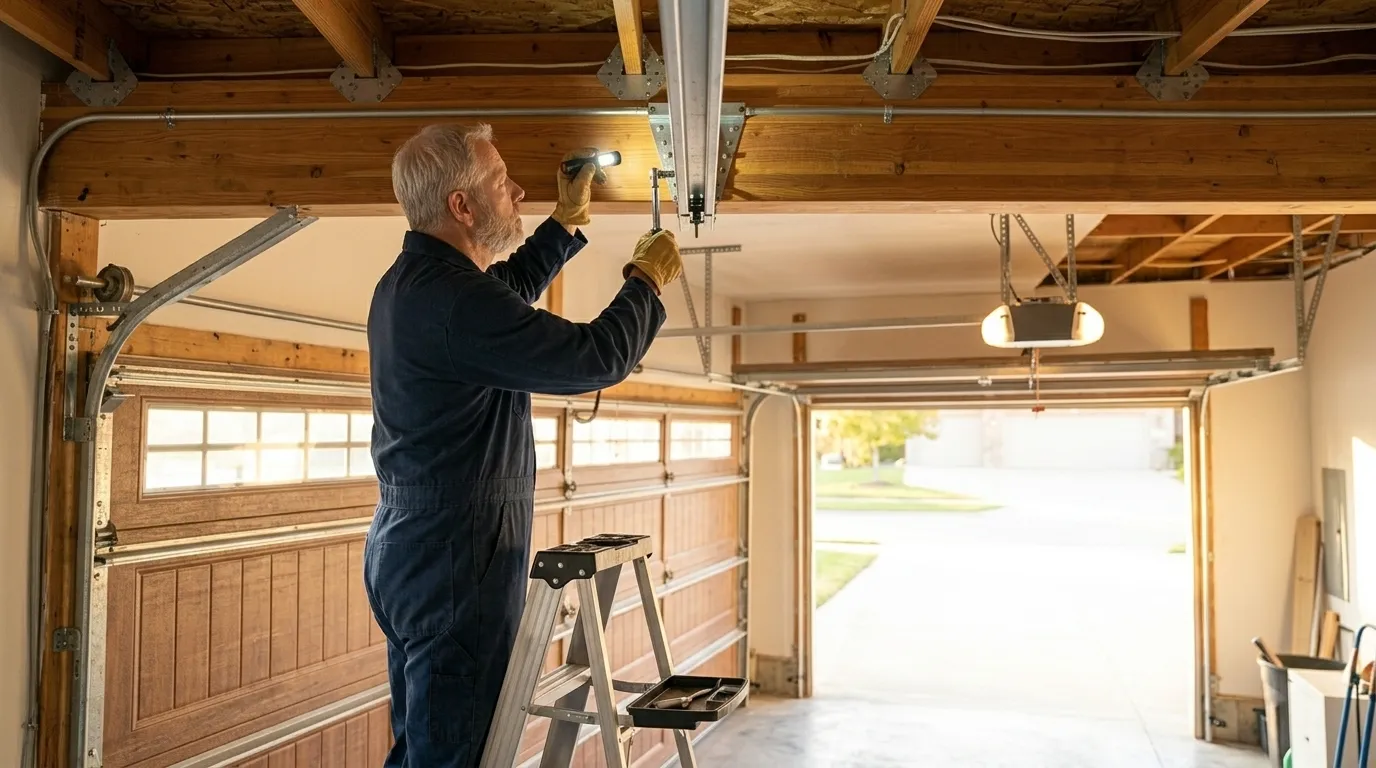
The median house in this part of Altadena went up around 1945. Automatic garage door openers didn't become a normal home feature until the 1960s and later, which means a lot of these garages were built with no opener in mind at all - no wall switch wiring, no outlet near the header, sometimes no header strong enough for a modern rail bracket without added blocking.
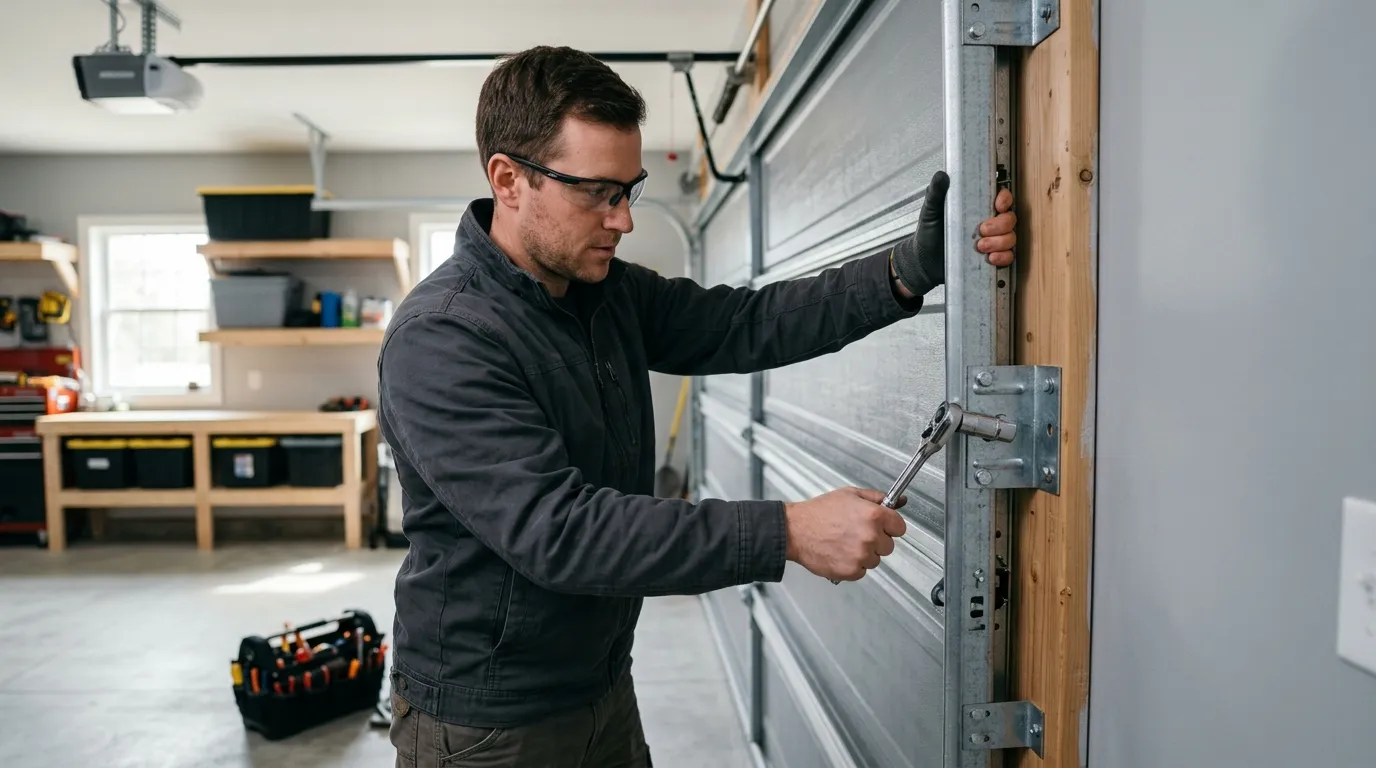
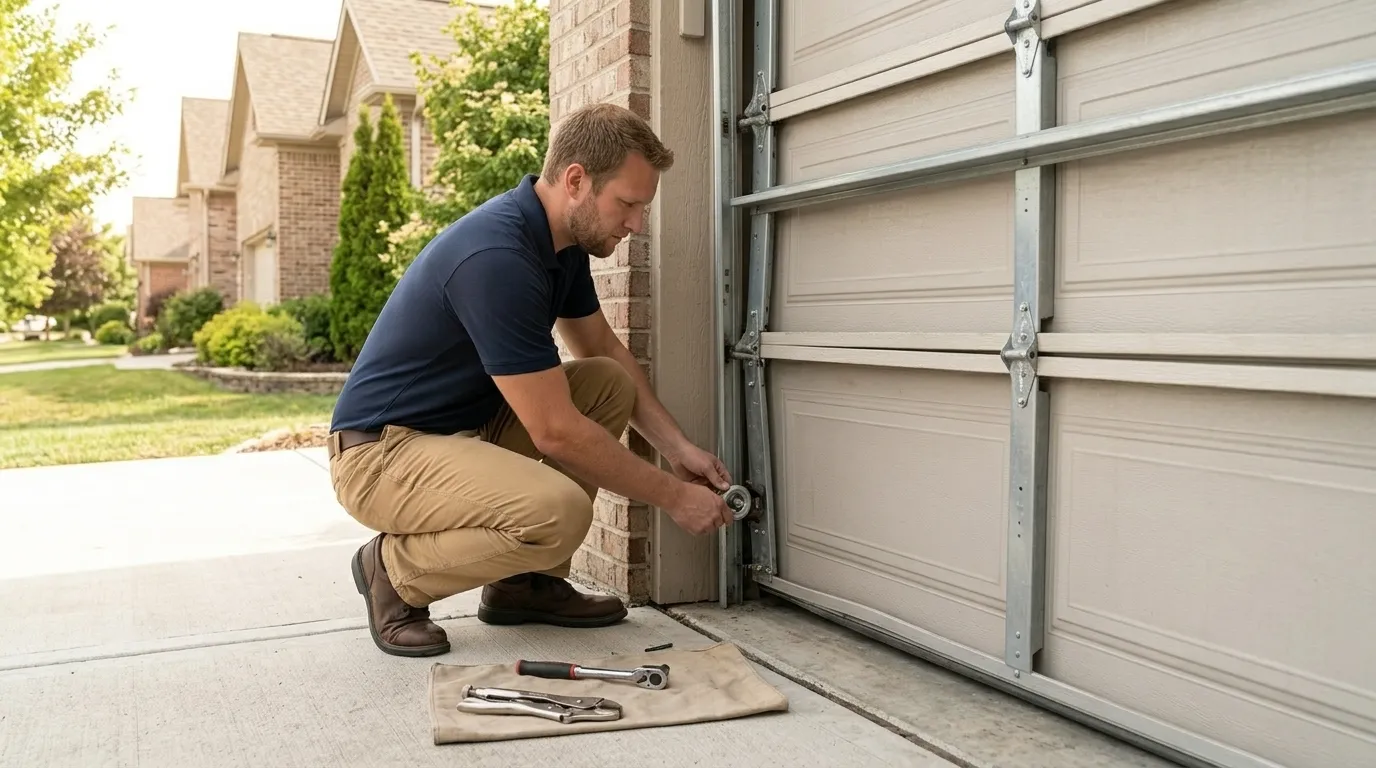
What we run into: doors and tracks that were fitted decades after the garage itself, on hardware sized for hand-lift, not motor-lift. A retrofit opener on a door like that doesn't just bolt on - the track alignment, the spring tension, and the header all need checking first, or the opener burns out trying to lift a door that isn't balanced for it.
Across the wider service area the housing stock runs 1943 to 2012 with a median around 1959, so Altadena sits at the older edge of that range, not the middle. That's the difference that matters here: newer suburbs we cover have headers and wiring already sized for openers. Altadena more often doesn't, and that's the first thing we check, not the opener brand.
Parts We Carry
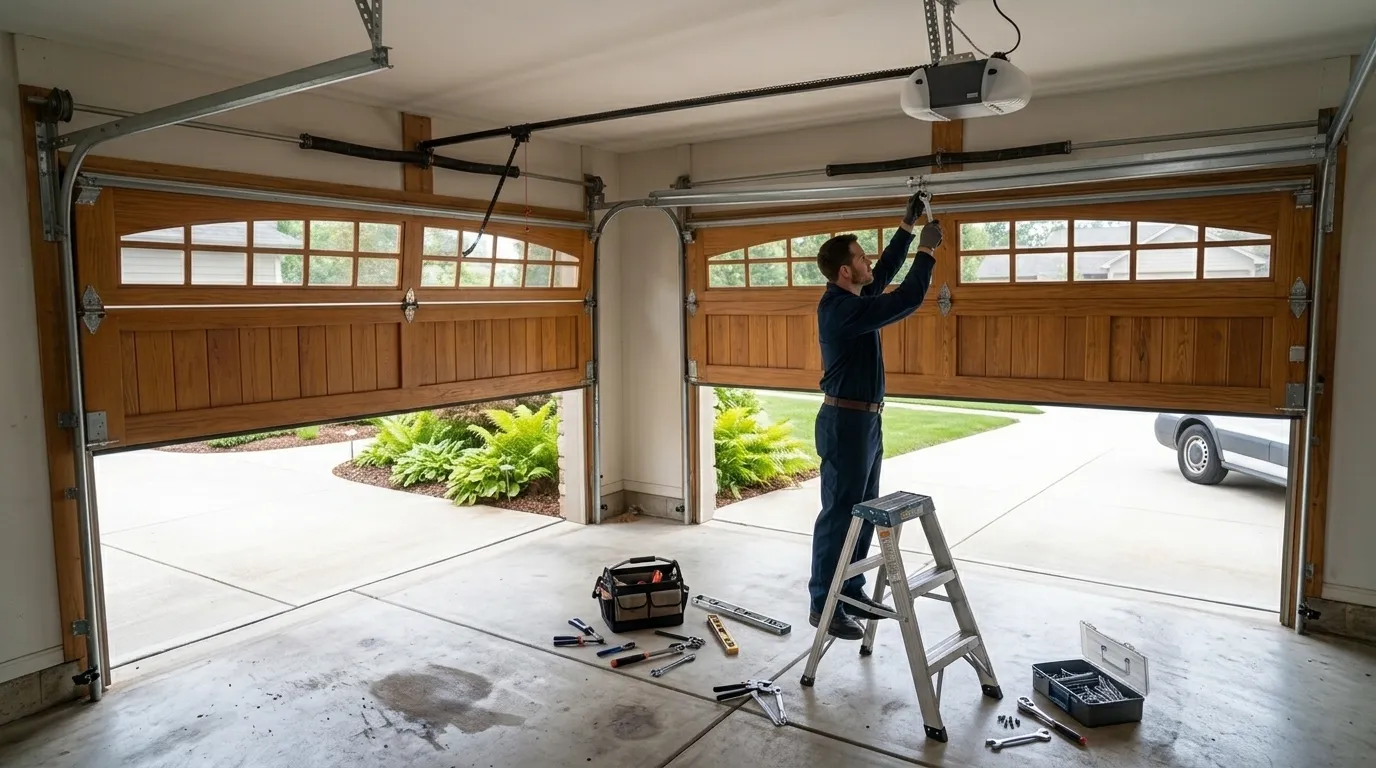
For houses of this era we carry openers with adjustable force settings that suit doors heavier than the aluminum sectional panels common in newer construction - wood or wood-composite doors from an older retrofit are heavier and need more careful force calibration, not just more horsepower. We stock both belt-drive and chain-drive units; chain drive tends to be the better fit where the door and track are original-era hardware, since belt drives assume a lighter, better-balanced door.
We also carry the wiring components for header runs that never had opener power pulled to them - wire nuts, conduit, junction boxes - because that's the part of an Altadena install that's often missing entirely, not damaged. Wall control stations, keypads, and battery backup units are on the truck as options, but they're add-ons, not part of the base install.
What we don't stock: parts for doors so old or so warped that the door itself needs replacing before an opener makes sense. If the panels are cupped or the track is bent past adjustment, we'll say so rather than bolt a new opener to a door that's going to fail anyway.