The Symptom
La Crescenta-Montrose's housing runs a median build year of 1958, a touch older than the broader service area's 1959 median, and that number matters more than the weather does here. This side of the foothills sits in the same moderate-heat climate band as the rest of the territory, so we don't see the spring-fatigue-from-heat-cycling failures that show up in hotter valley stretches. What we see instead is straight age: a torsion spring that has done its 10,000-cycle life span twice over, a center bearing plate that was never swapped because nothing failed loud enough to force it, hinges rusted at the pivot from sixty-some years of morning dew rolling down off the hills.
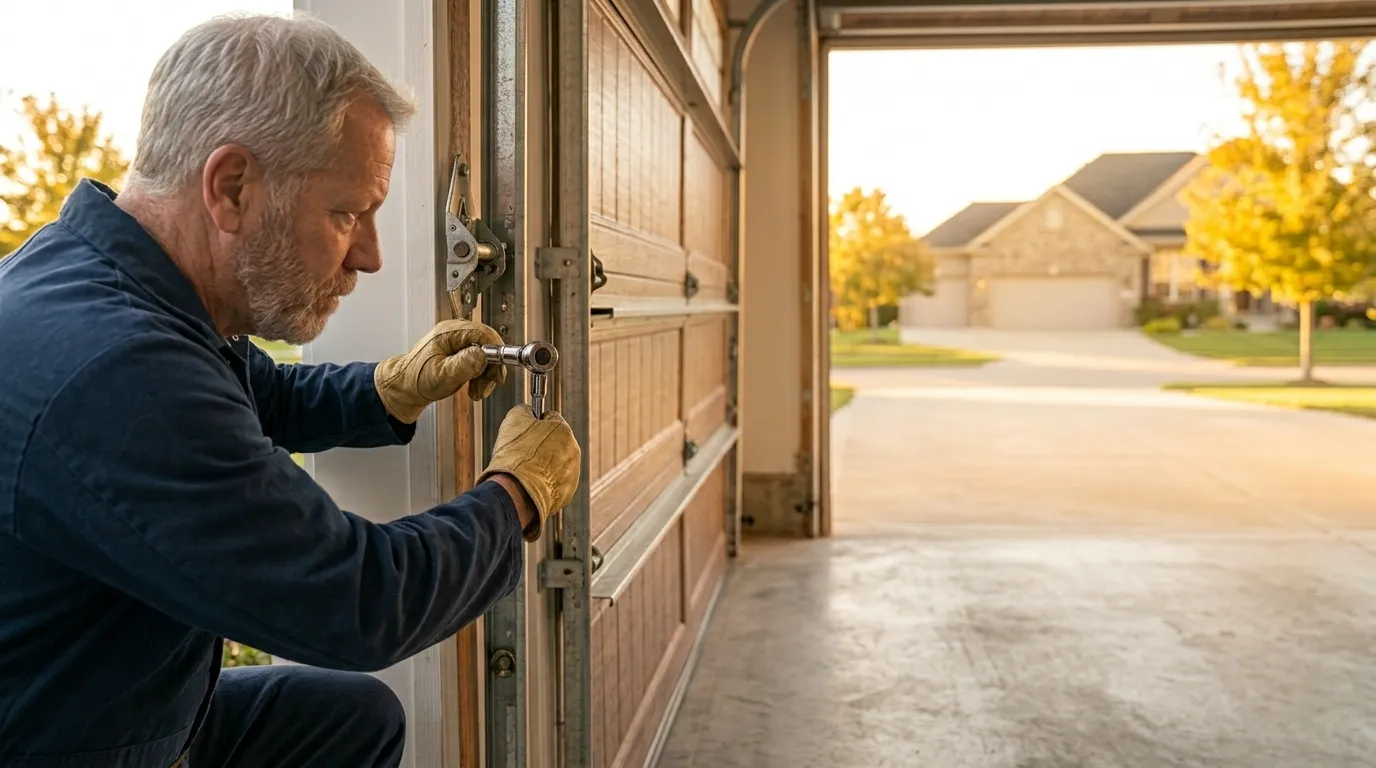
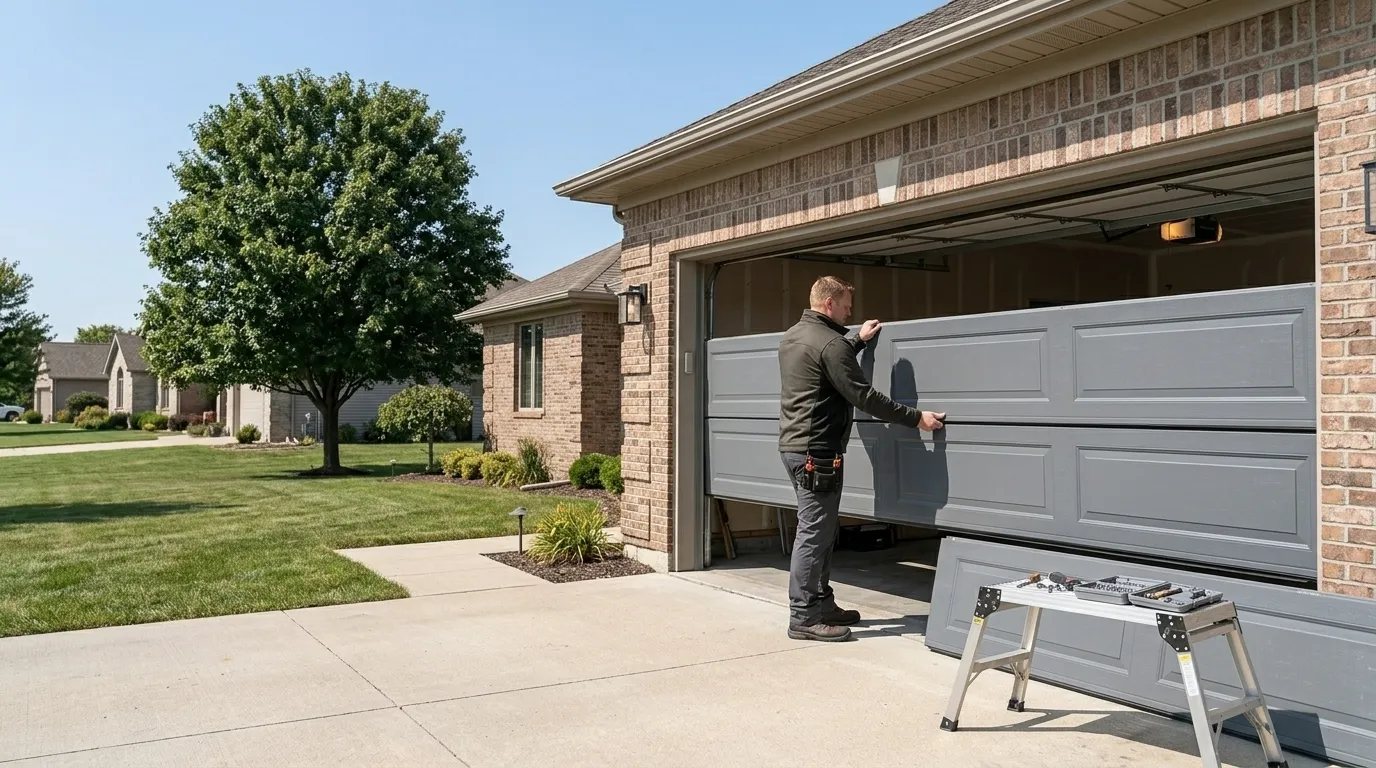
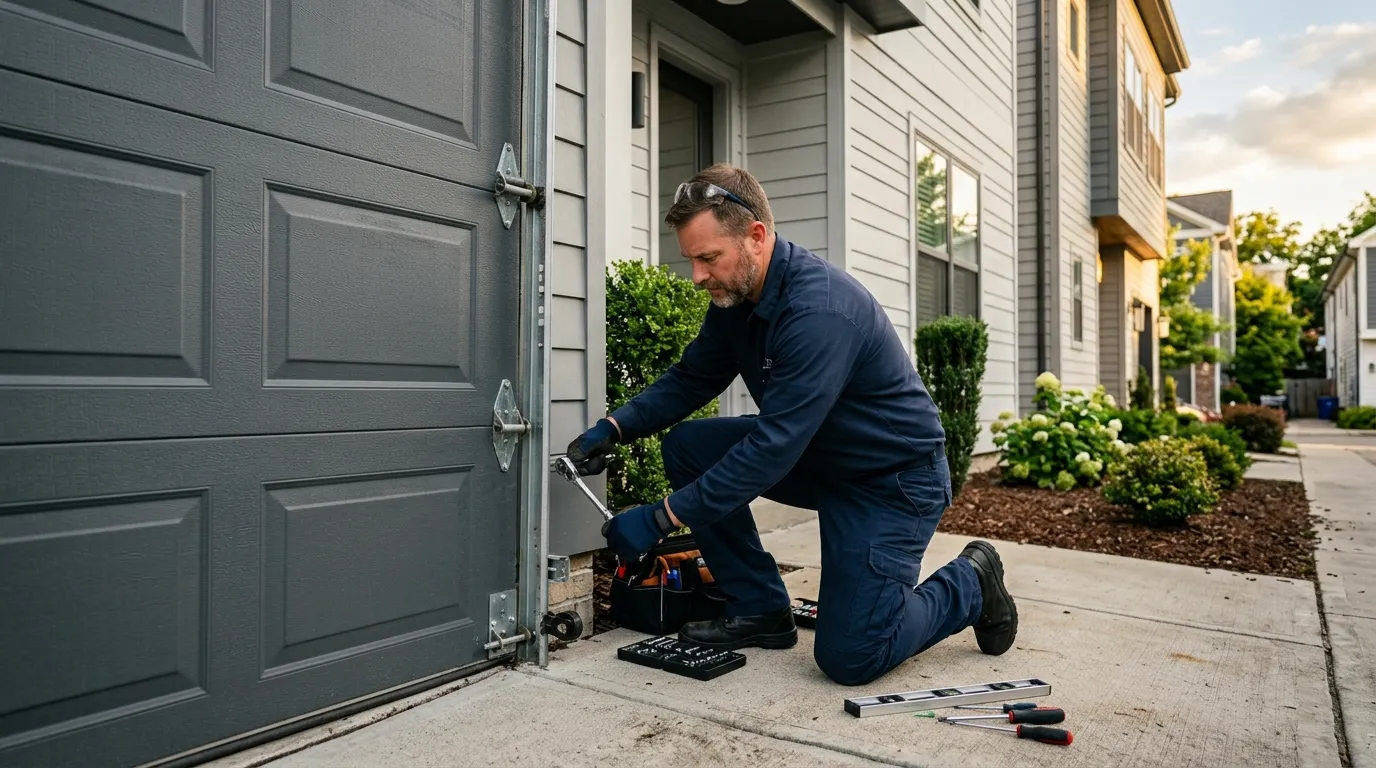
The telltale sign is a door that goes up rough, hesitates a third of the way, and comes down crooked - one side of the original hardware finally giving out while the other side, replaced at some point by a prior owner, still holds. That mismatch is common on houses this old: half-replaced systems where the newer parts are carrying more load than they were sized for, because the matching old parts are still bolted in on the other side.
Parts We Carry
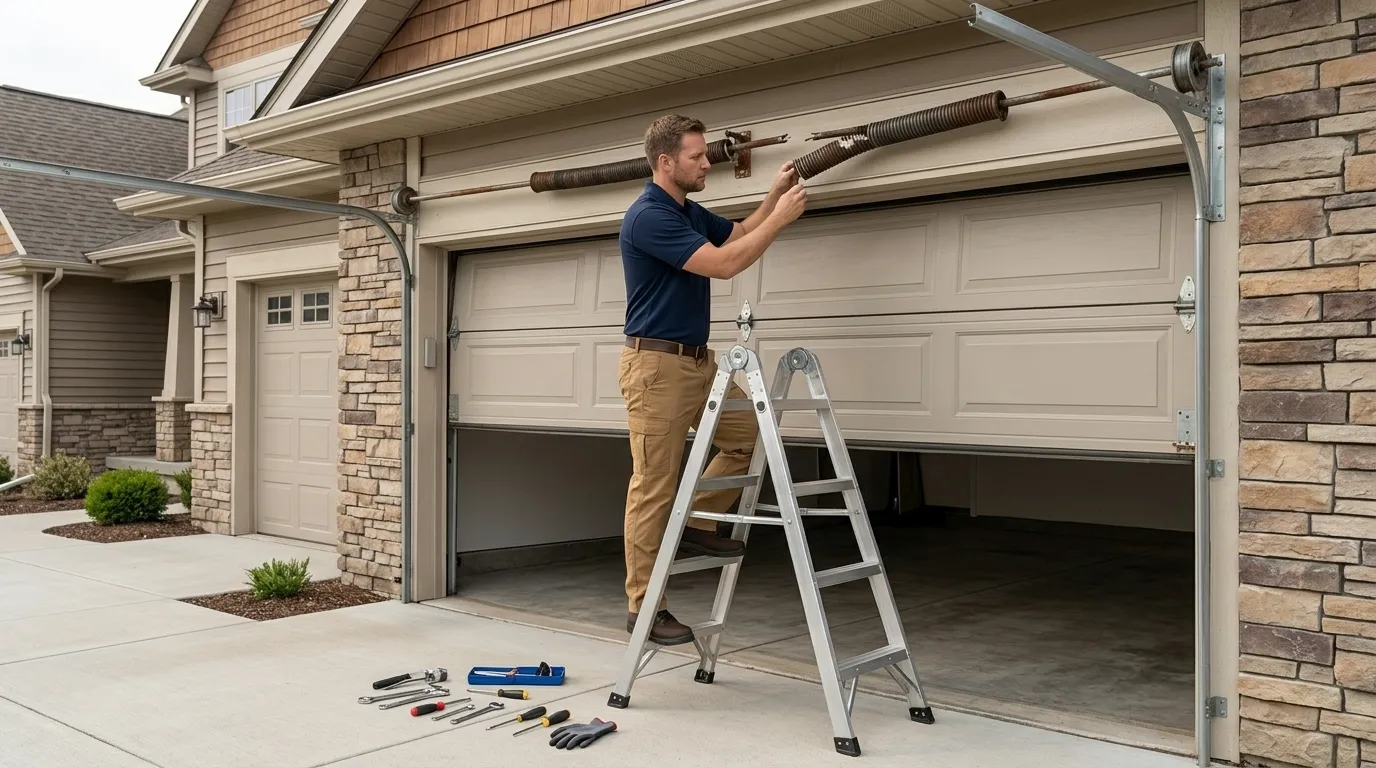
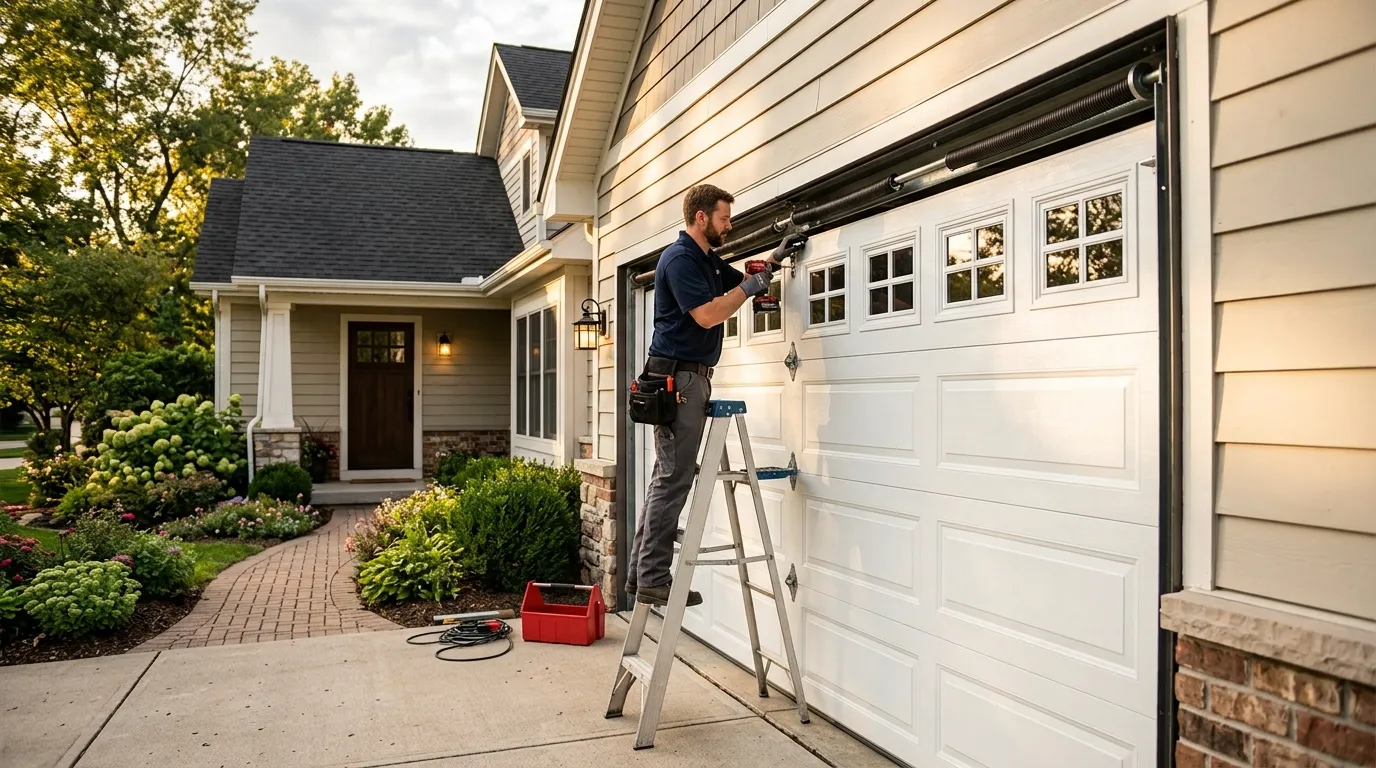
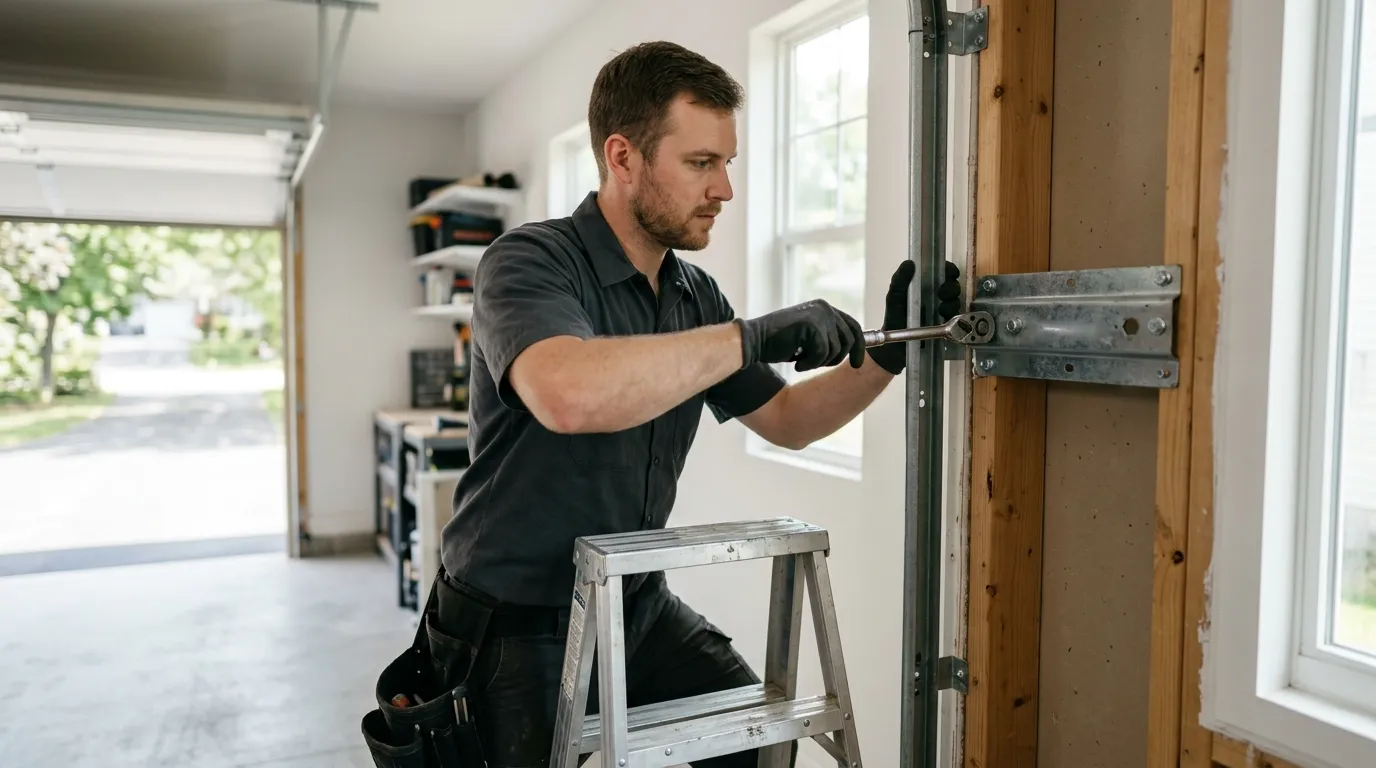
For a door dating to the late 1950s, the spring, the hinges, and the track brackets are often not the same part numbers you'd order for a door installed in the last twenty years. We carry torsion springs across a range of wire sizes and wind lengths on the truck specifically because houses in this age bracket - and there are a lot of them across the service area's older stock - need something other than the standard modern replacement.
Where we run into trouble is original one-piece doors with side-mounted track hardware, a configuration common on houses from this era that newer double-torsion systems replaced decades ago. If your door is still the original slab, some of that hardware isn't something we carry stocked; it may need to be special-ordered, and that can mean the job spans more than one visit. We'll tell you straight if that's the situation rather than force a part that doesn't fit.
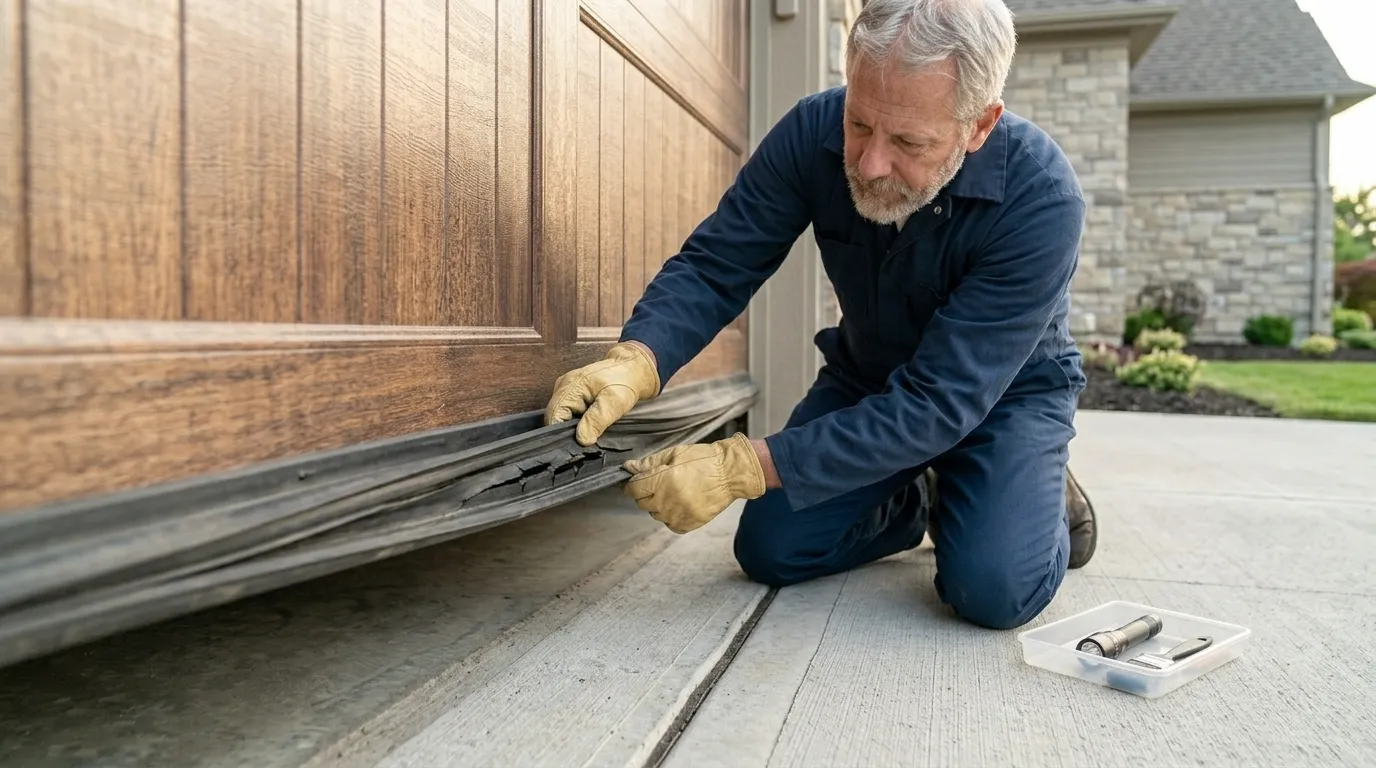
Cables, rollers, and standard extension springs we carry in enough sizes to cover most of what's out there. Openers are usually the easiest fix - most failures are the logic board or the motor, not anything tied to the age of the house.