The Symptom
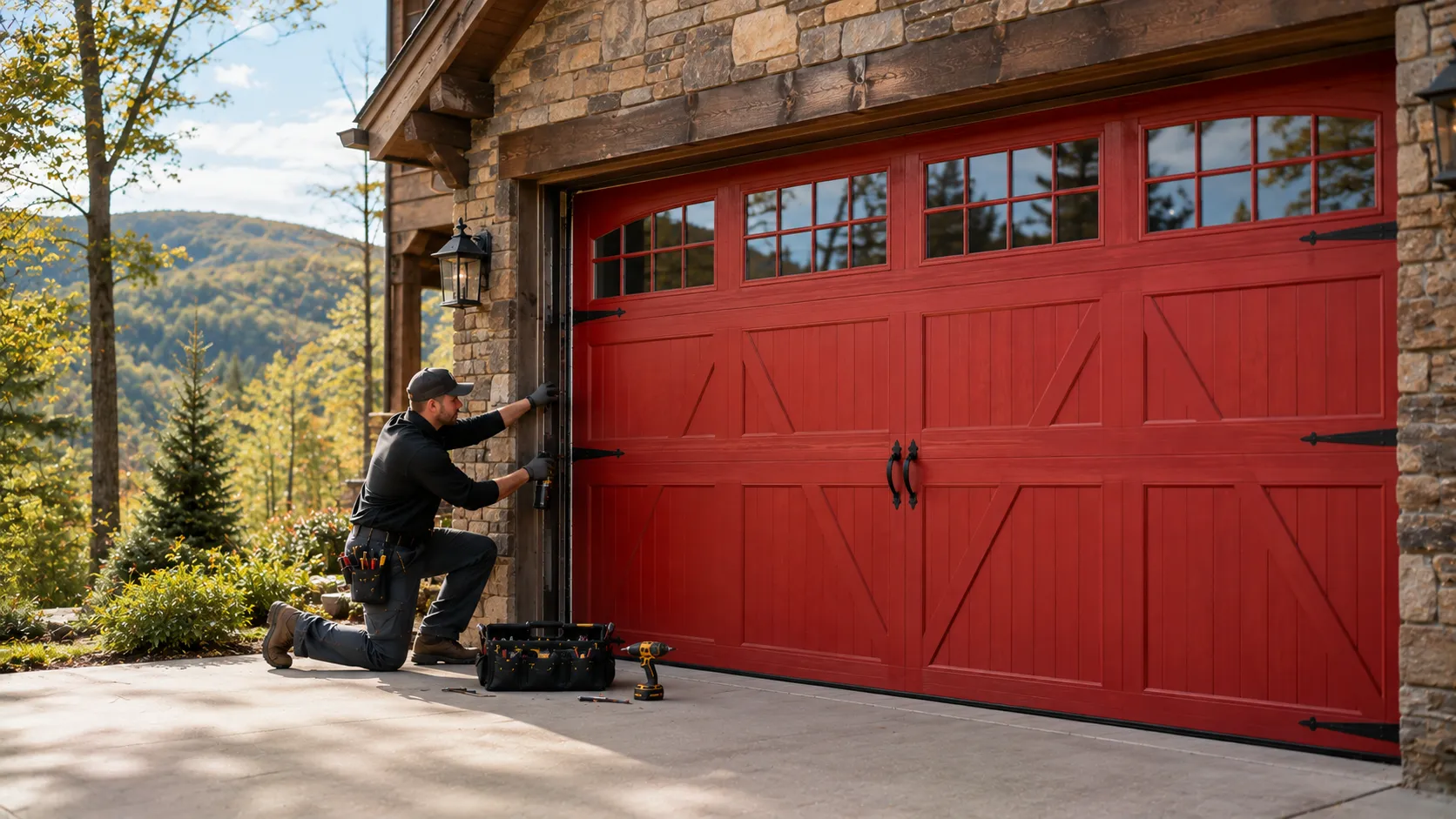
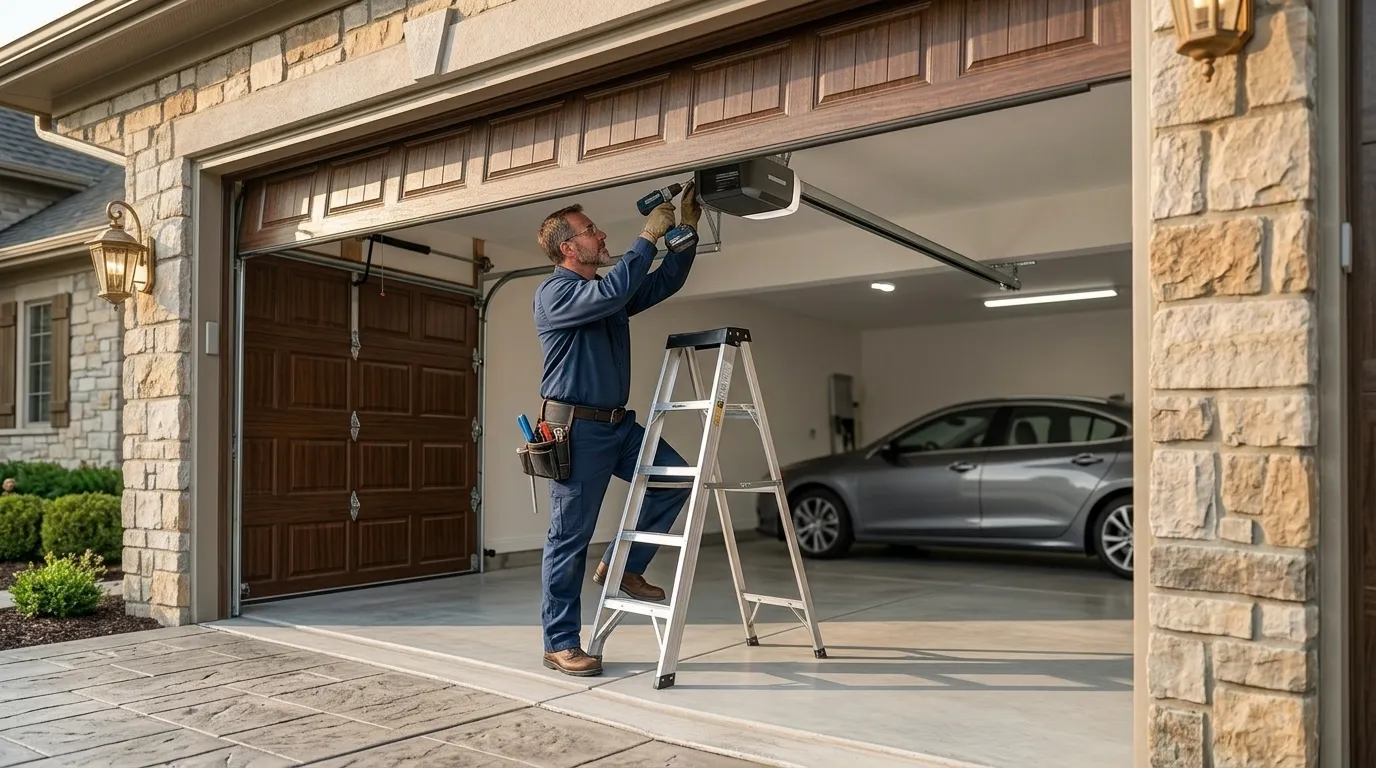
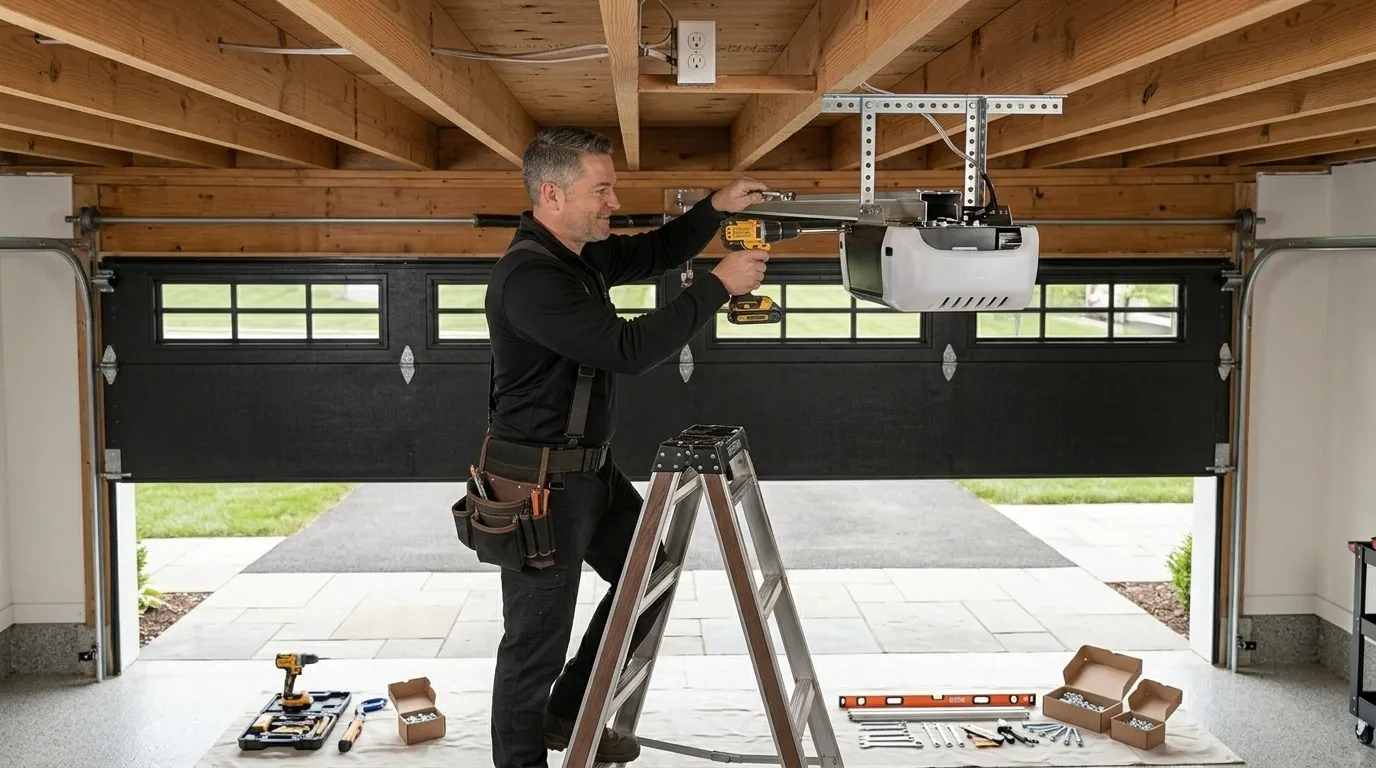
The median house in La Crescenta-Montrose went up in 1958, which puts it squarely in the pre-1960 wave that makes up most of the housing stock across the areas we serve. That era means a lot of original torsion or extension hardware still hanging on doors that have had two or three openers bolted on top of it over the decades. The symptom we see most from these houses isn't a dead opener - it's a door that the opener is straining to lift because the spring underneath it lost tension years ago and nobody replaced it.
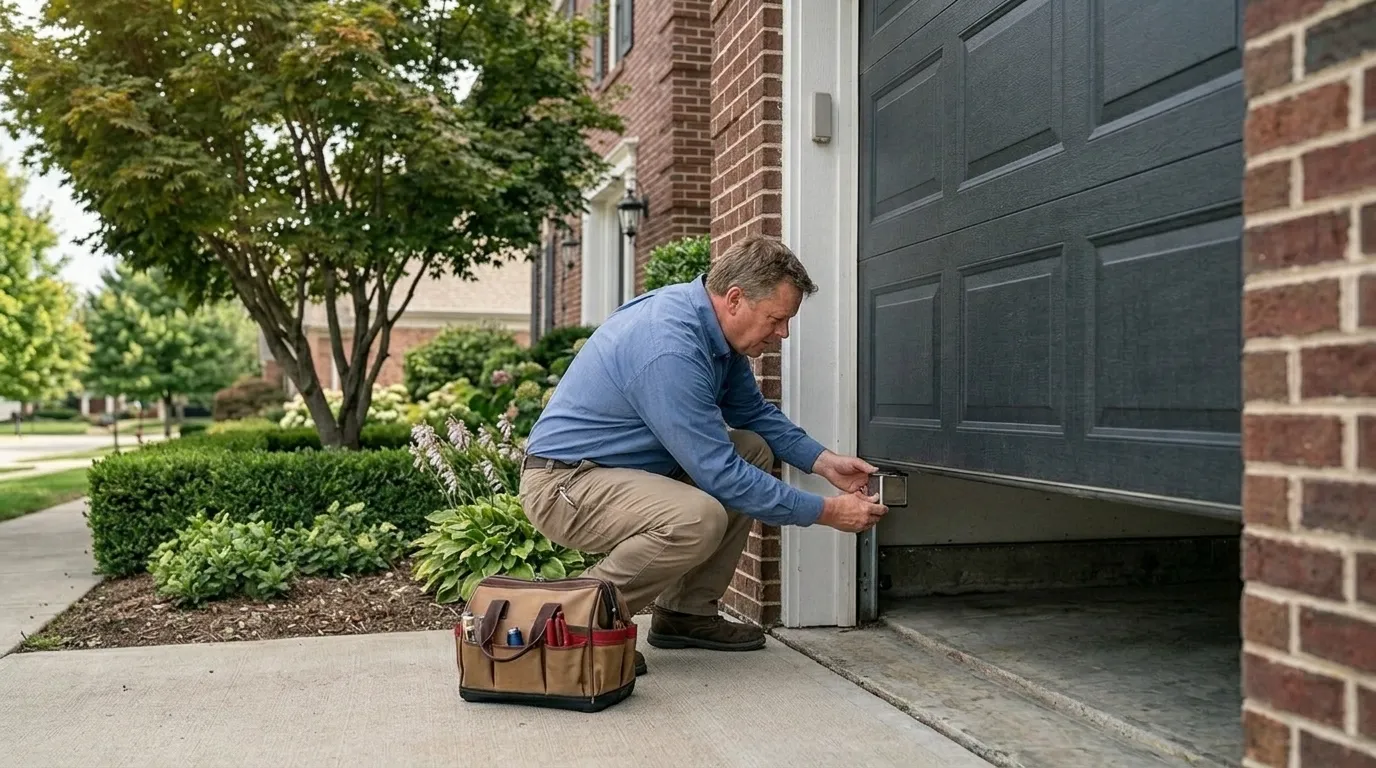
Homeowners describe it as the door "getting heavier" or the opener "struggling" on the way up, sometimes with a grinding or reversing partway through the cycle. That's not an opener problem, even though the opener is what's making the noise. On a house this age, we're usually looking at spring wear, worn rollers on an original track, or hinges that have stretched their bolt holes over sixty-some years of cycling. The opener is just the last thing to show it.
Parts We Carry
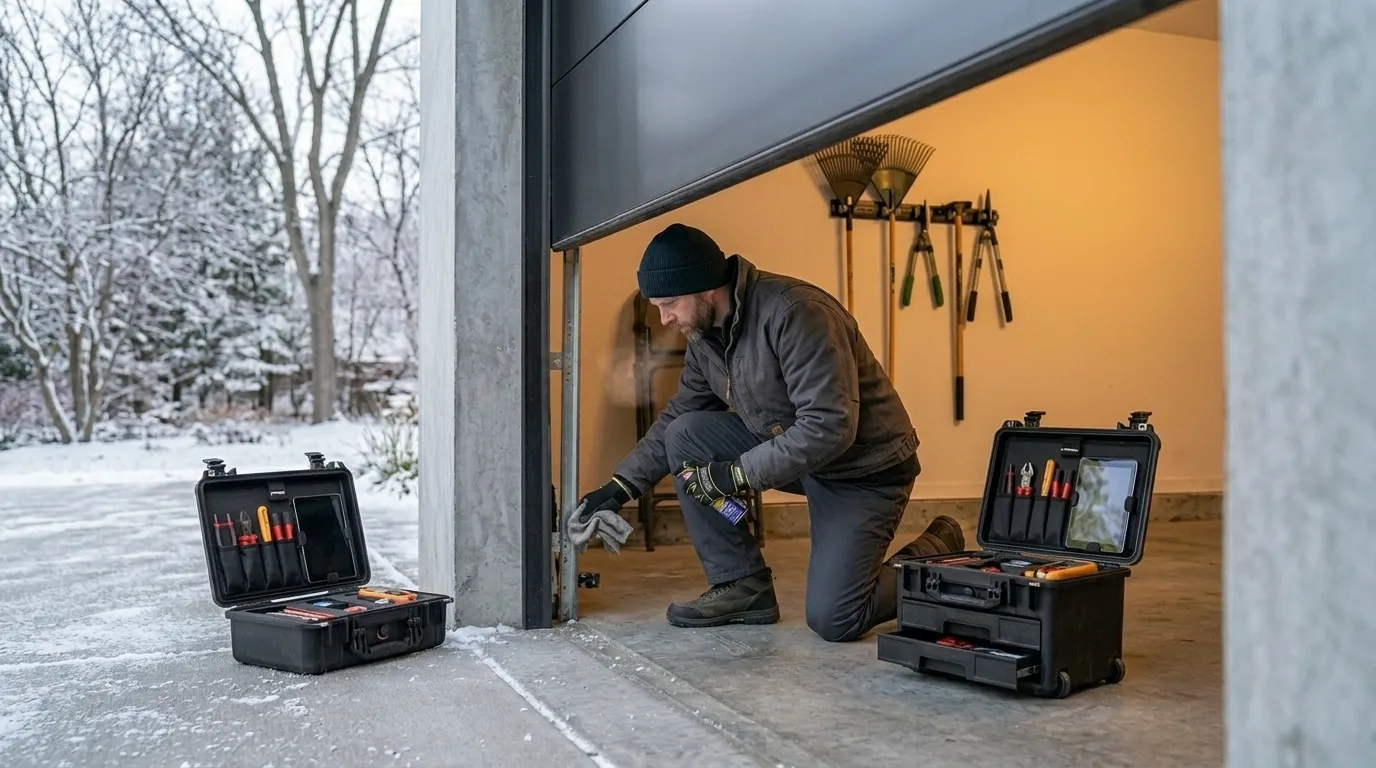
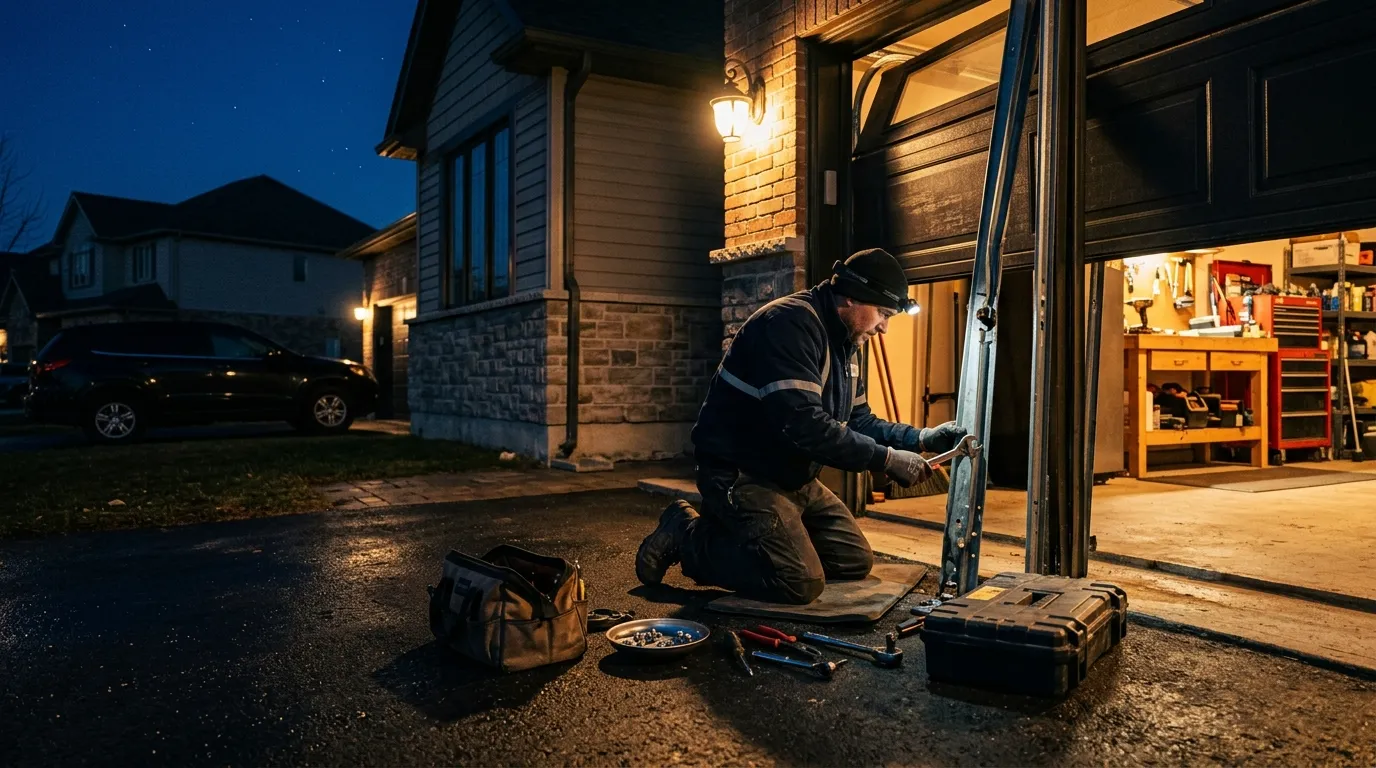
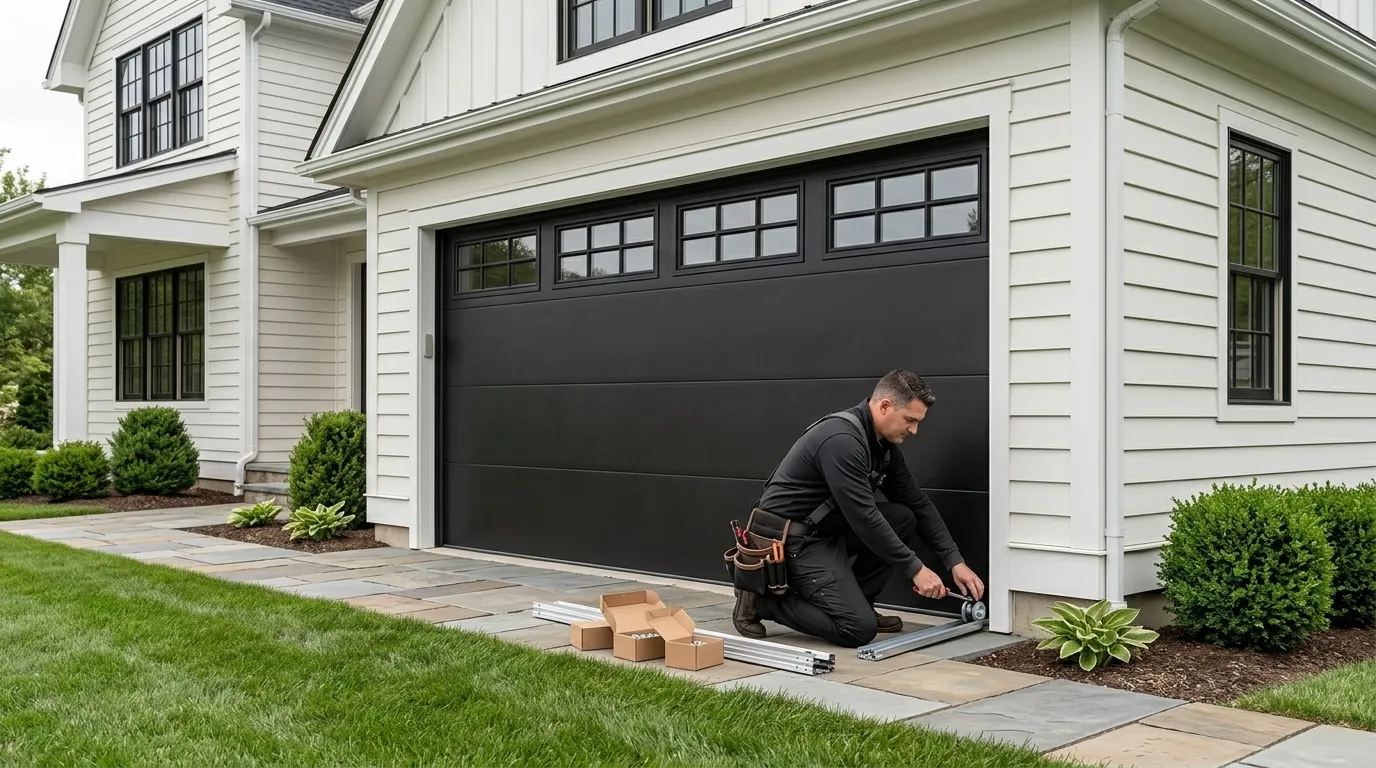
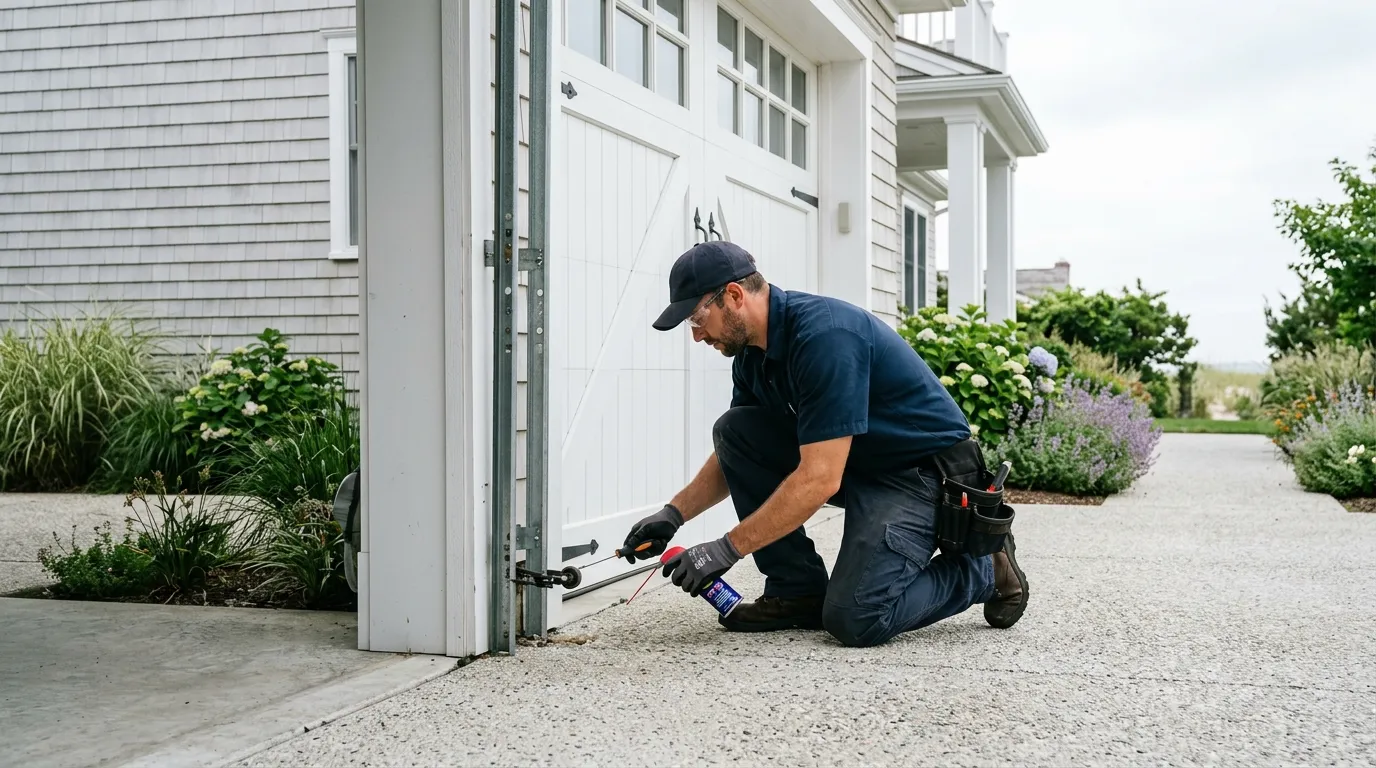
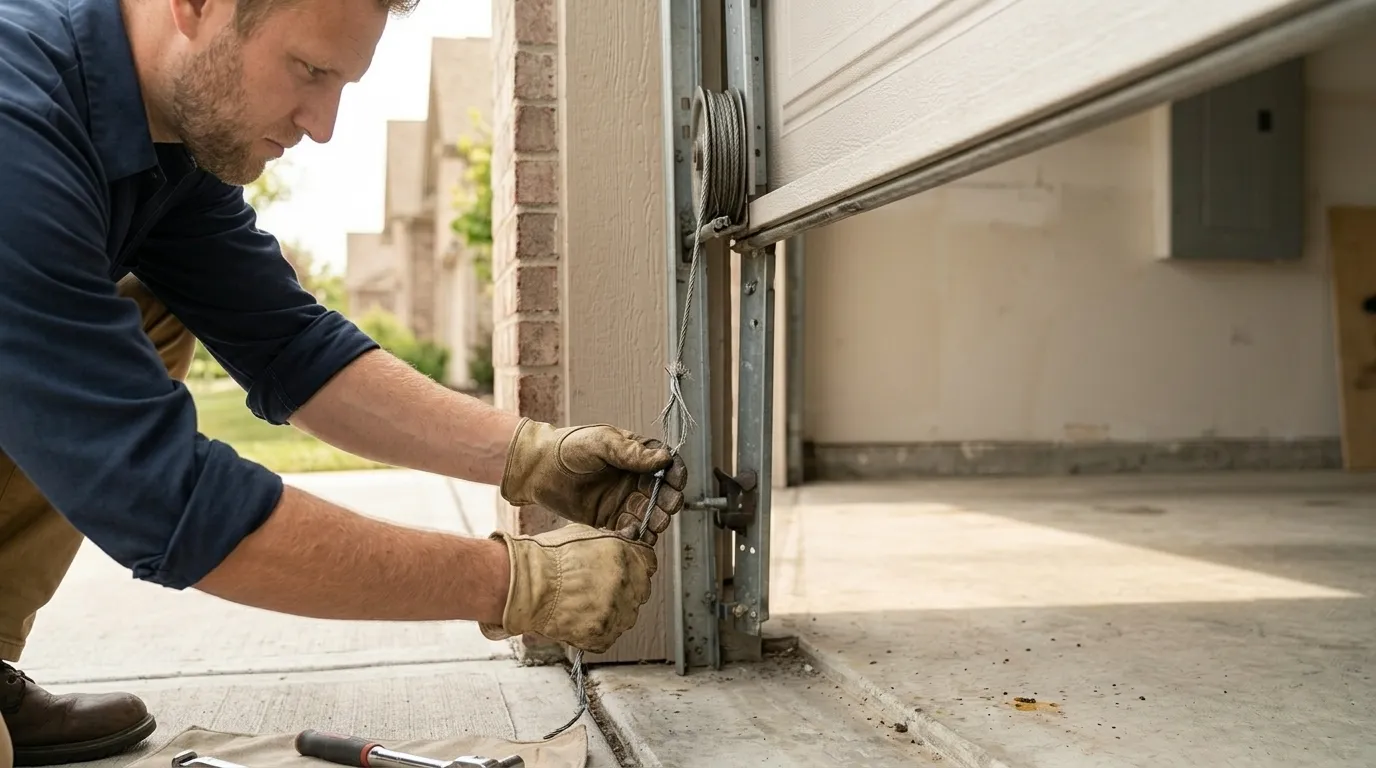
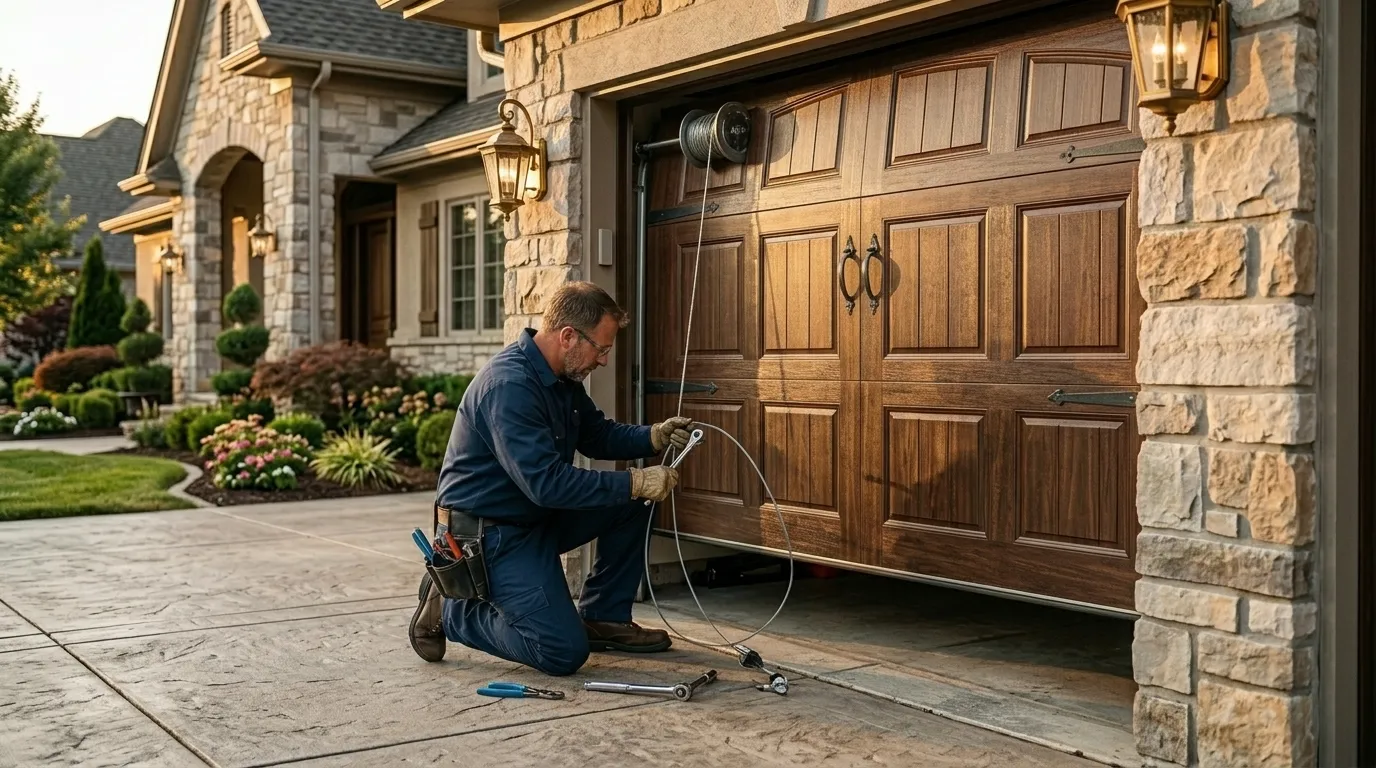
Because so much of what we see in La Crescenta-Montrose is original or near-original hardware from a 1958-era build, we keep torsion springs sized for older single and double doors on the truck, along with extension spring kits for the houses that were never converted over. We also carry standard rollers, hinges, and cable in the sizes that fit these older track setups, so a worn roller or a snapped cable doesn't turn into a second trip.
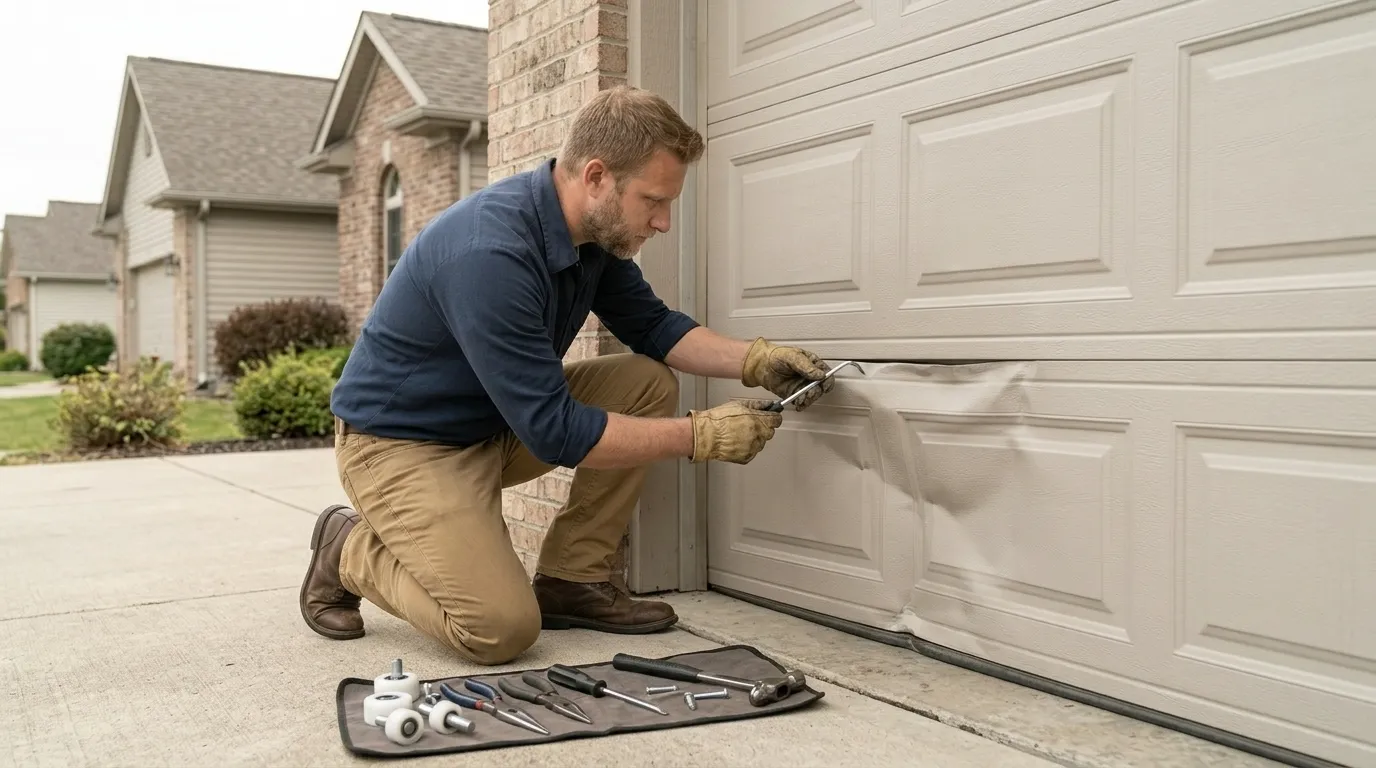
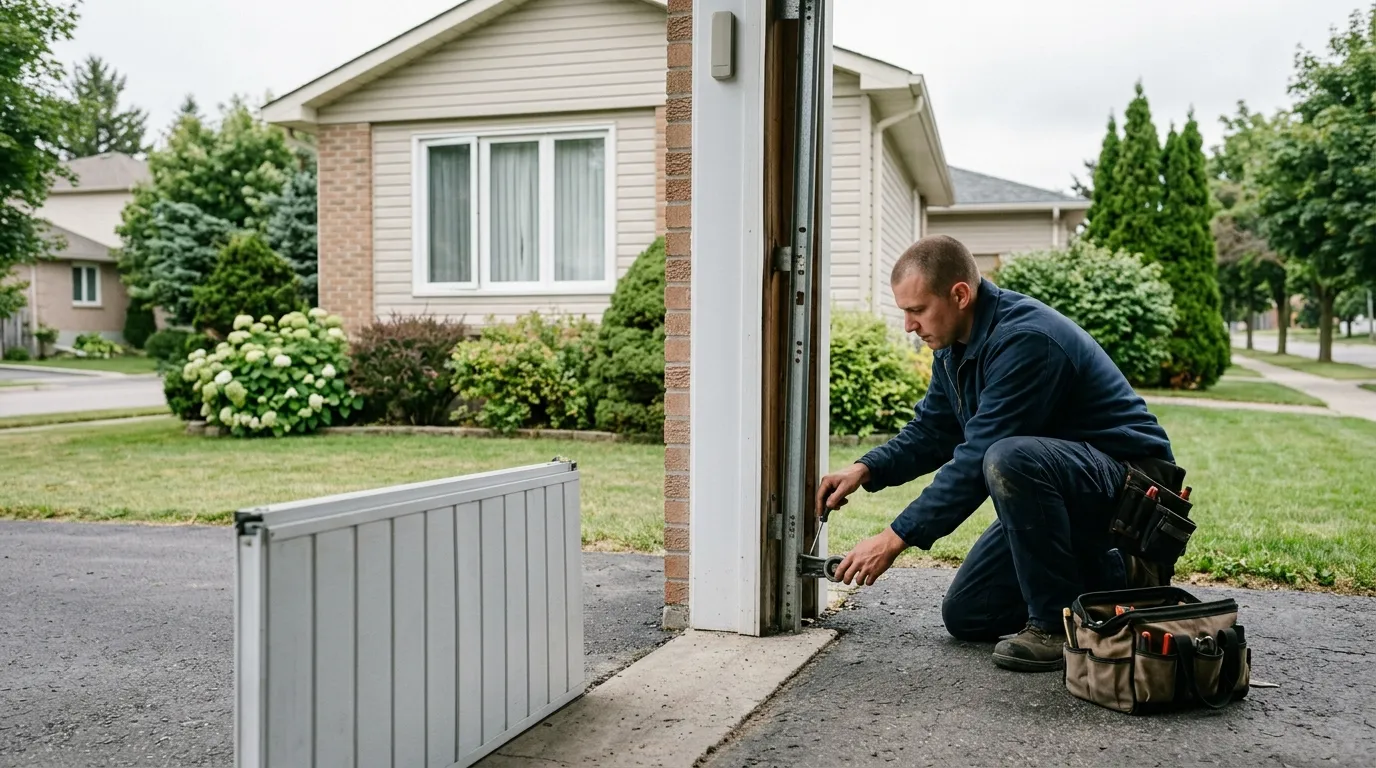
What we don't carry on the truck is a match for every discontinued panel design. If a door is old enough that the manufacturer stopped making that panel profile, we're either sourcing a compatible replacement or talking with you about a full door swap instead of a patch. That's not us pushing a bigger job - a mismatched panel looks worse than the dent it replaced, and at some point patching costs more in labor than it saves you in parts.