The Symptom
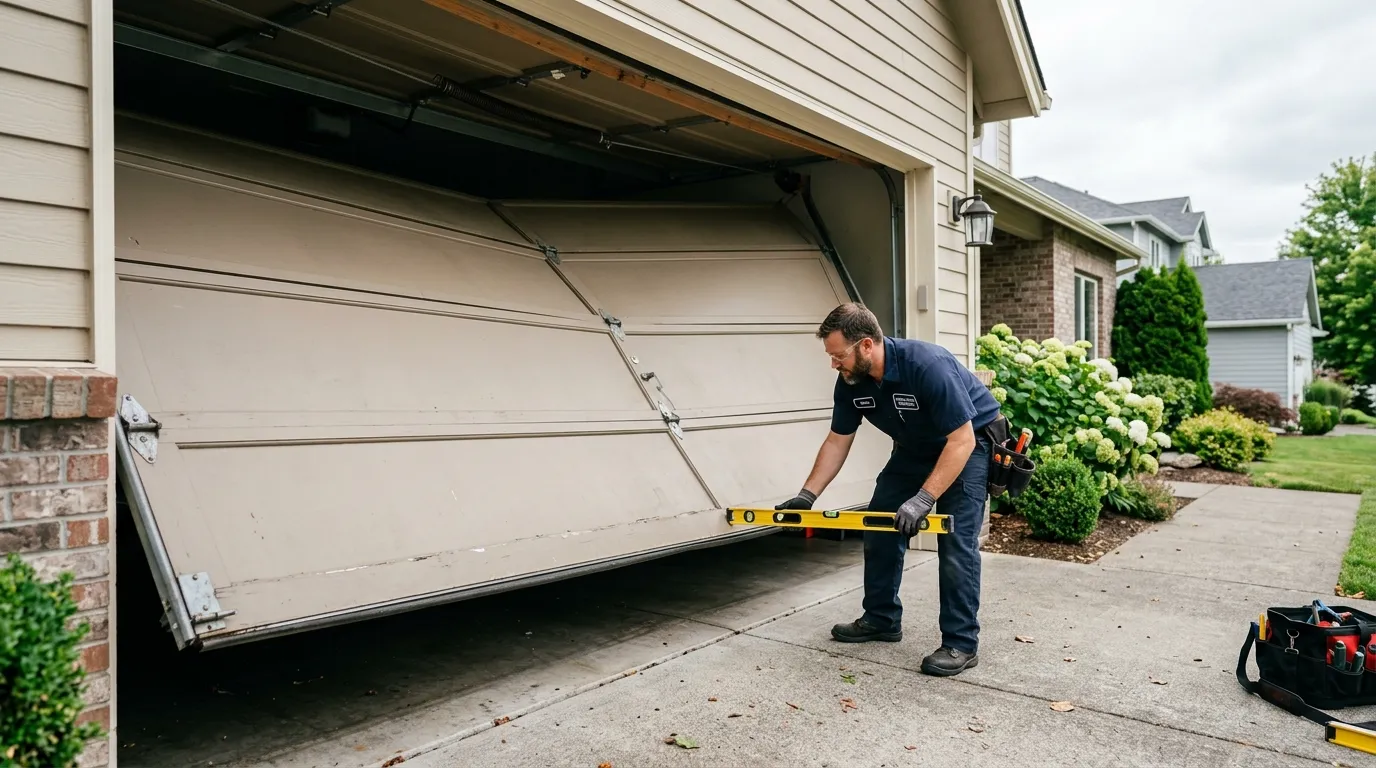
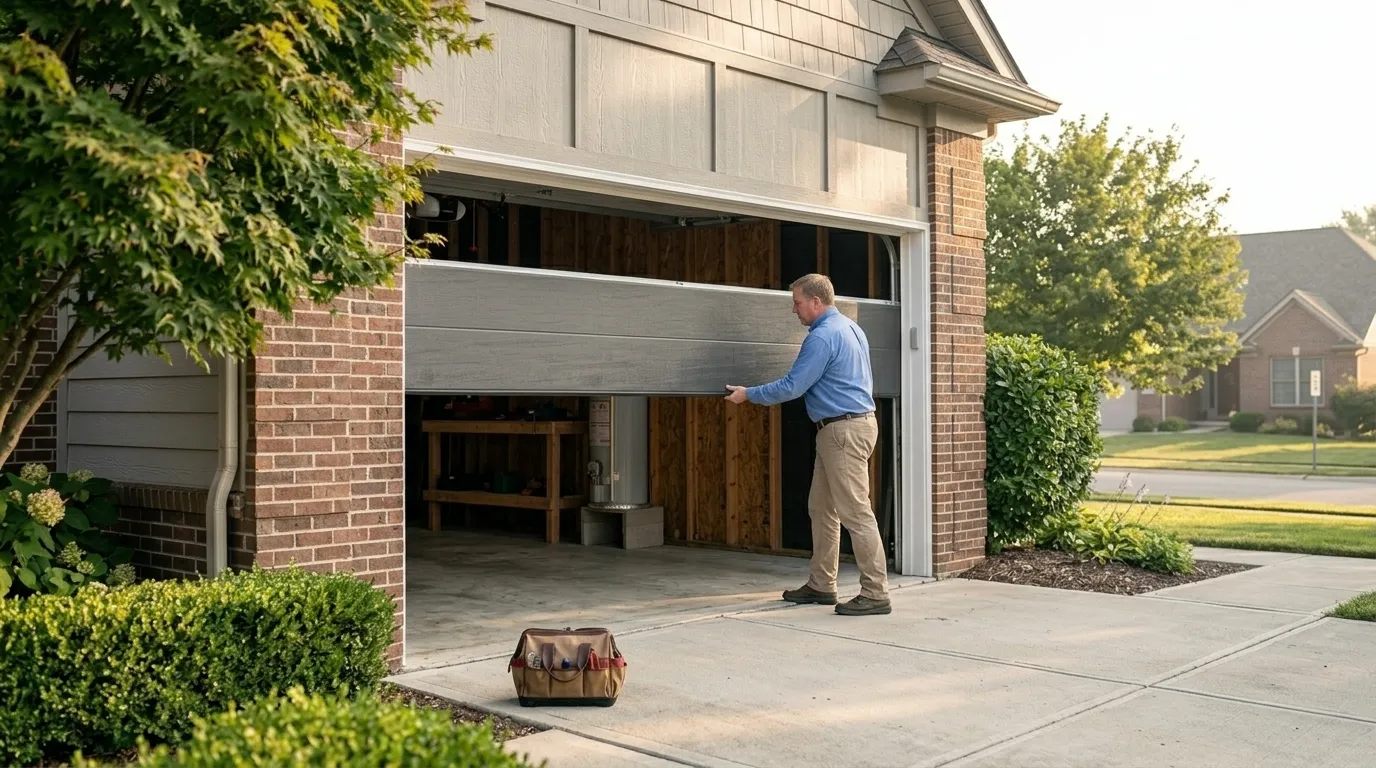
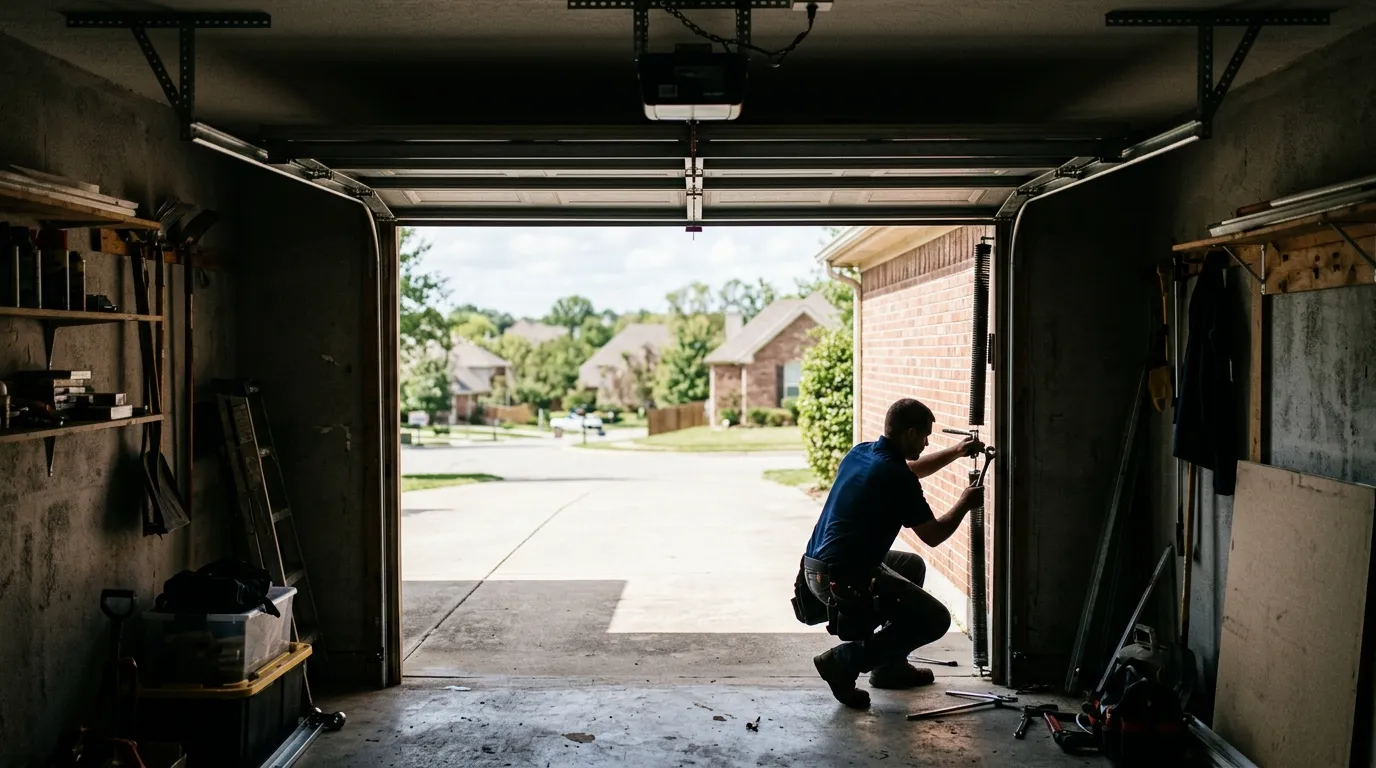
Median year built in La Crescenta-Montrose runs around 1958, which puts most garages here squarely in the pre-1960 wave that shaped this whole side of the service area. Doors from that era are usually single-layer, heavier per square foot than anything sold today, and hung on torsion springs sized for a door that's since been swapped for something newer and lighter - or never swapped at all. The complaint we hear most from this town isn't a dead opener, it's a door that slams the last foot of travel or won't budge past halfway. That's a spring that's lost tension for a door mass it was never rebalanced for.
Homeowners here also tend to own rather than rent - median household income of $119,775 in the area points to a stable, owner-occupied street where a door gets fixed rather than left to the next tenant. That changes the conversation: we're usually talking repair-and-keep, not a stopgap before a move.
Parts We Carry
For a foothill community running mostly on 1950s and '60s garages, the parts that matter are torsion springs sized for heavier original doors, steel rollers to replace the ones that have worn oval, and the older-style extension spring safety cables that a lot of these garages never had retrofitted. We stock common torsion spring sizes and standard track sections on the truck. What we don't keep on hand are parts for uncommon or discontinued door models - if your garage still has its original 1958-era hardware from a manufacturer that's long gone, we may need to order a compatible part rather than pull one off the shelf, and that can add a day or two. We'll tell you that up front rather than let you wait on a same-day promise we can't keep from a 6-mile drive.