What Can Go Wrong
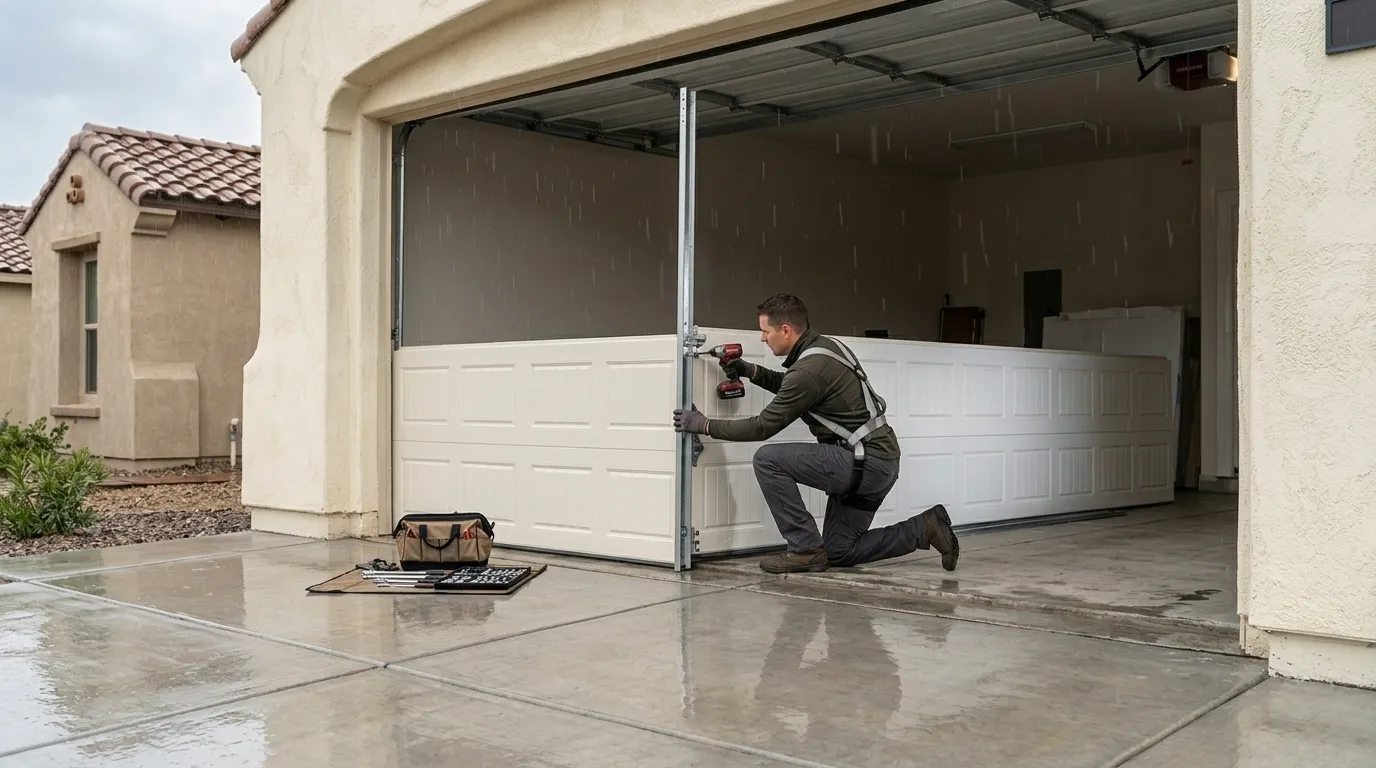
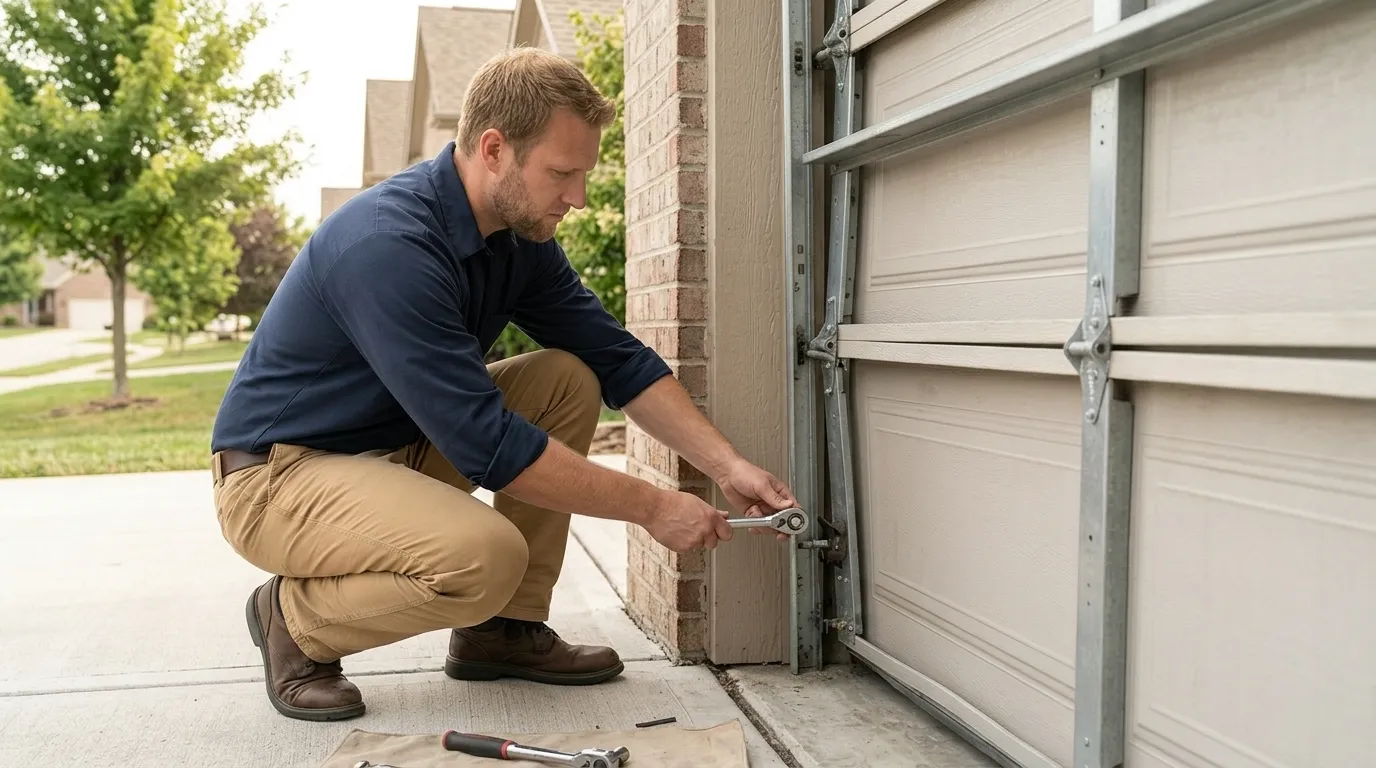
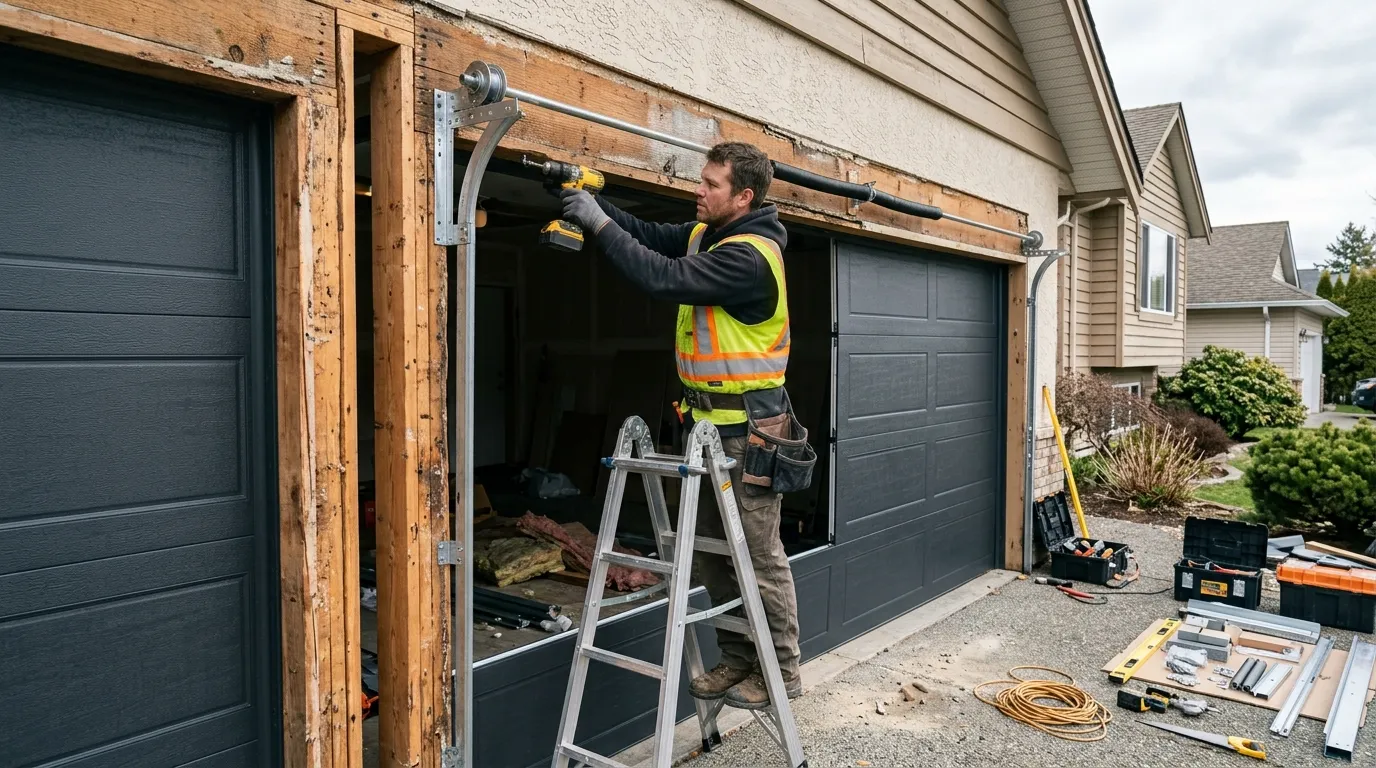
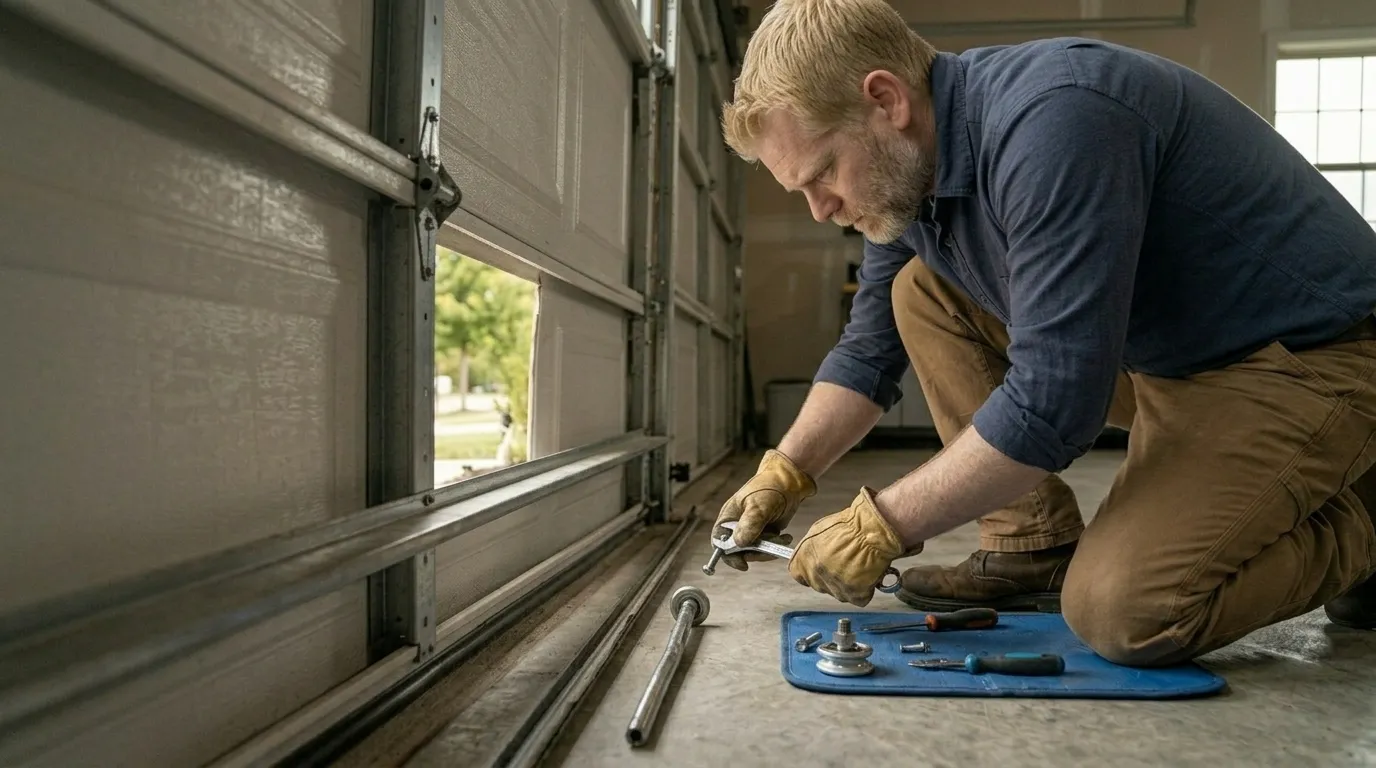
A house built in 1957 was framed for a door and track sized to that era's standards, not today's. The most common call we get from this stretch of foothill homes involves torsion springs that were never upgraded - original wind counts on shafts that have carried the door's weight for six decades. Rollers on original track wear unevenly because the track itself has settled slightly with the house. We also see openers that were bolted onto older doors as a retrofit, which means the safety sensors and travel limits don't always match the door's actual weight and pitch. None of this is exotic. It's just old hardware doing old-hardware things, on a door that's outlasted several owners.
How Long You Are Without the Door
We come from Burbank, about 7 miles down into La Cañada Flintridge, so factor drive time into any same-day expectation rather than assuming a local branch around the corner - there isn't one, and we won't pretend otherwise. Most single spring or cable jobs on a door this age are a one-visit fix once we're on site. Where it runs longer is parts: if the door needs a panel or a track section that matches original 1950s-era sizing rather than current stock widths, we may need to order it, and that's a wait measured in days, not hours. We'll tell you on the first visit whether your job is same-visit or needs a return trip.
The Symptom
If your door is groaning or catching partway up, that's usually the spring or the track, and on a house built around 1957 it's often both, since original hardware ages together. A door that won't stay open, or drops suddenly, is almost always the spring - don't put your hands or a car under it. An opener that runs but the door barely moves points to a spring that's lost tension, not a motor problem, no matter what the opener's diagnostic light says. Moderate heat swings in this area aren't usually the driver of these faults the way freeze-thaw regions see; here it's age and wind count on the springs, plain and simple.