What Can Go Wrong
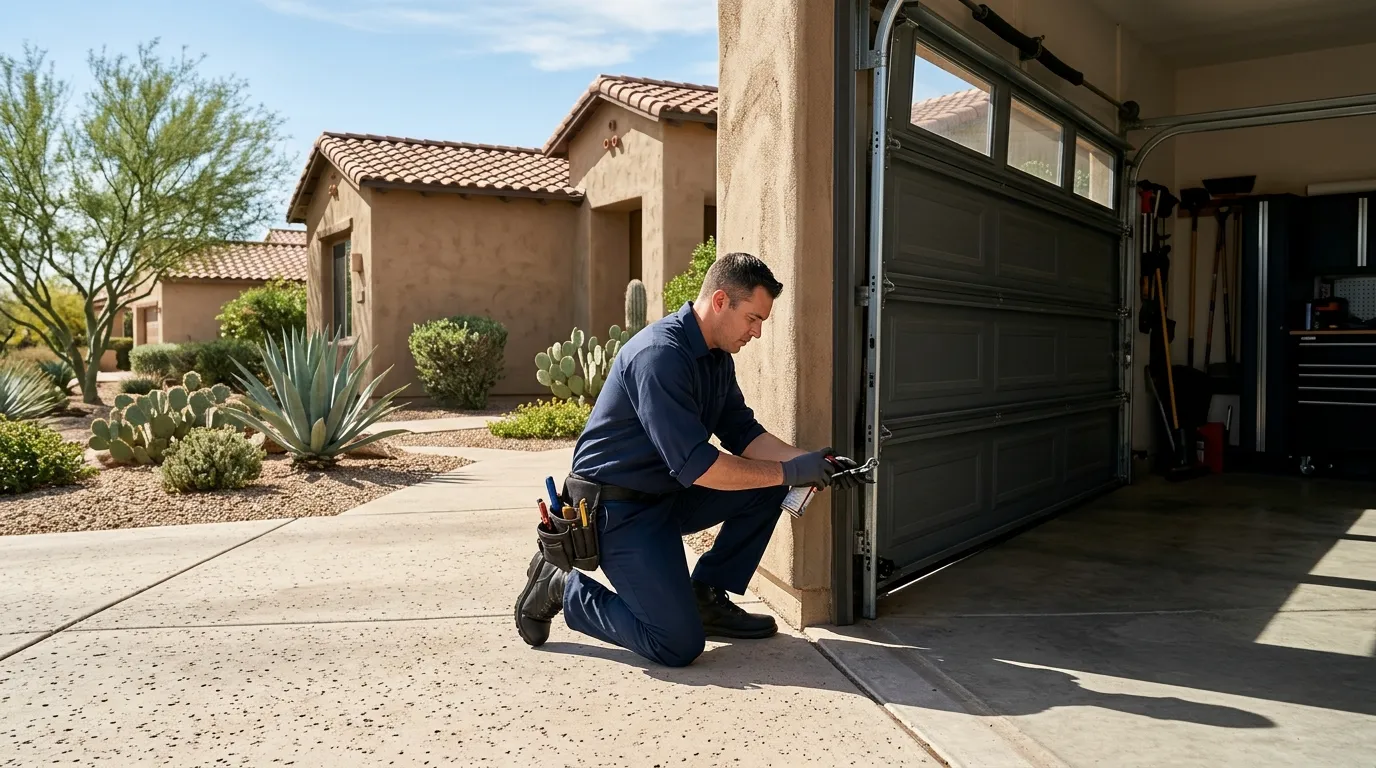
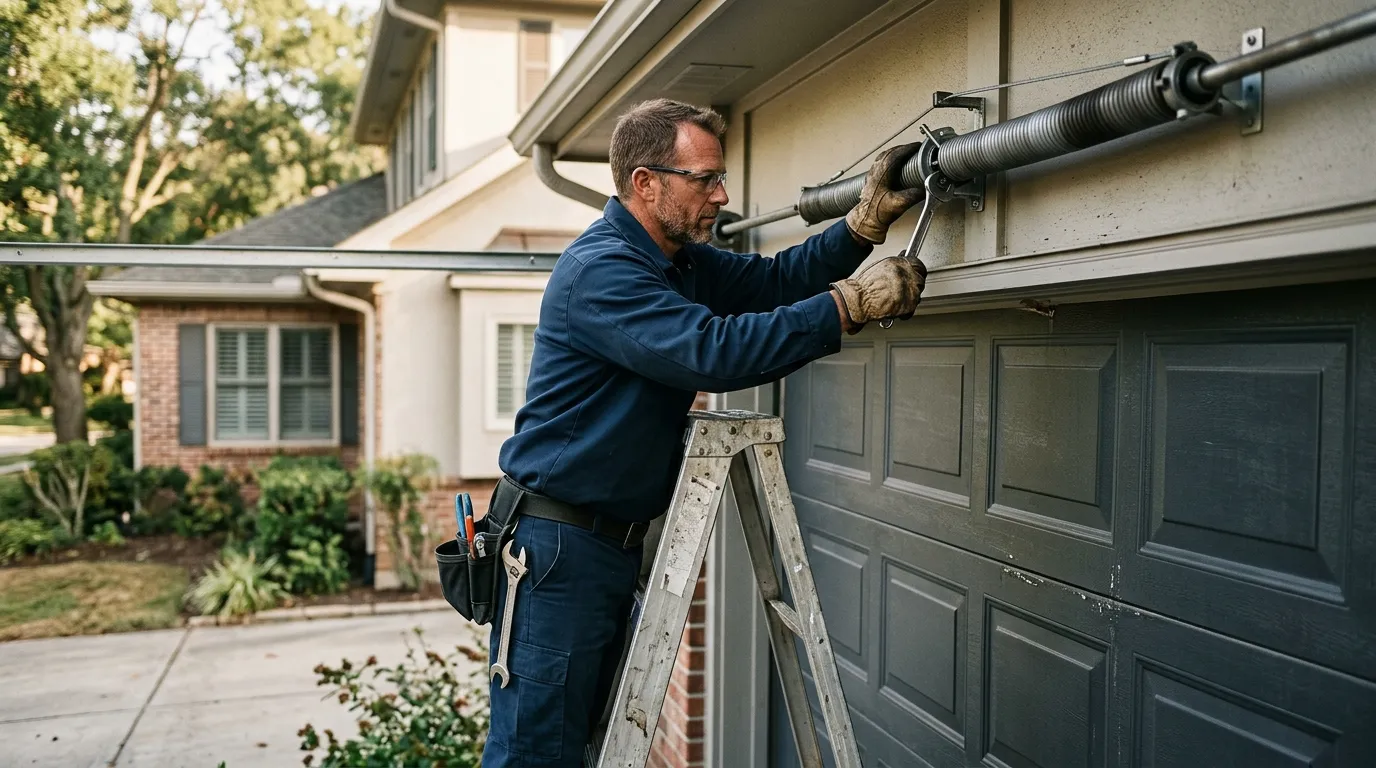
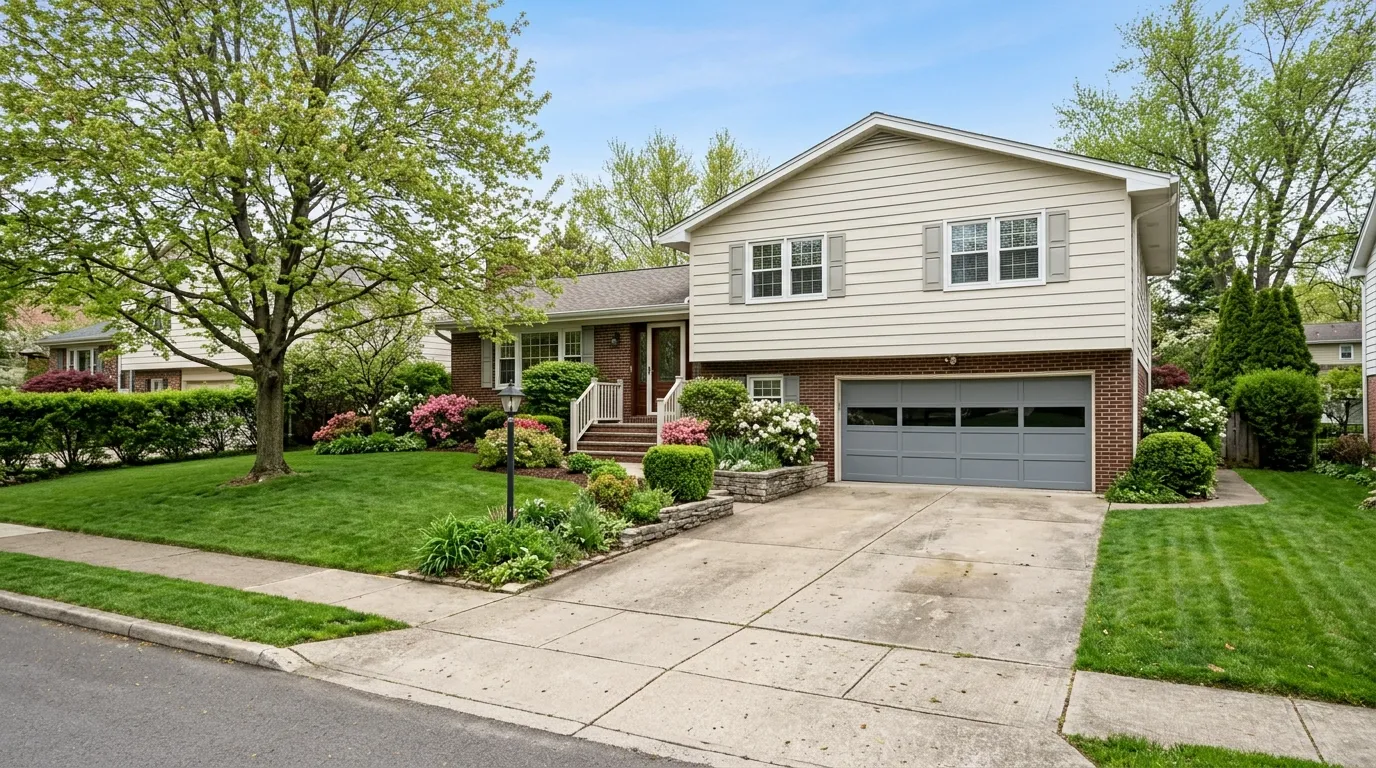
Torsion springs on 1950s-era construction were sized for lighter, single-layer wood doors. If that door was ever swapped for a heavier insulated steel one without upsizing the spring, the spring has been overworked every single cycle since. That's the failure we see most in houses from this build era: a spring that looks fine until it snaps clean, usually on a cold morning or after a long stretch of use.
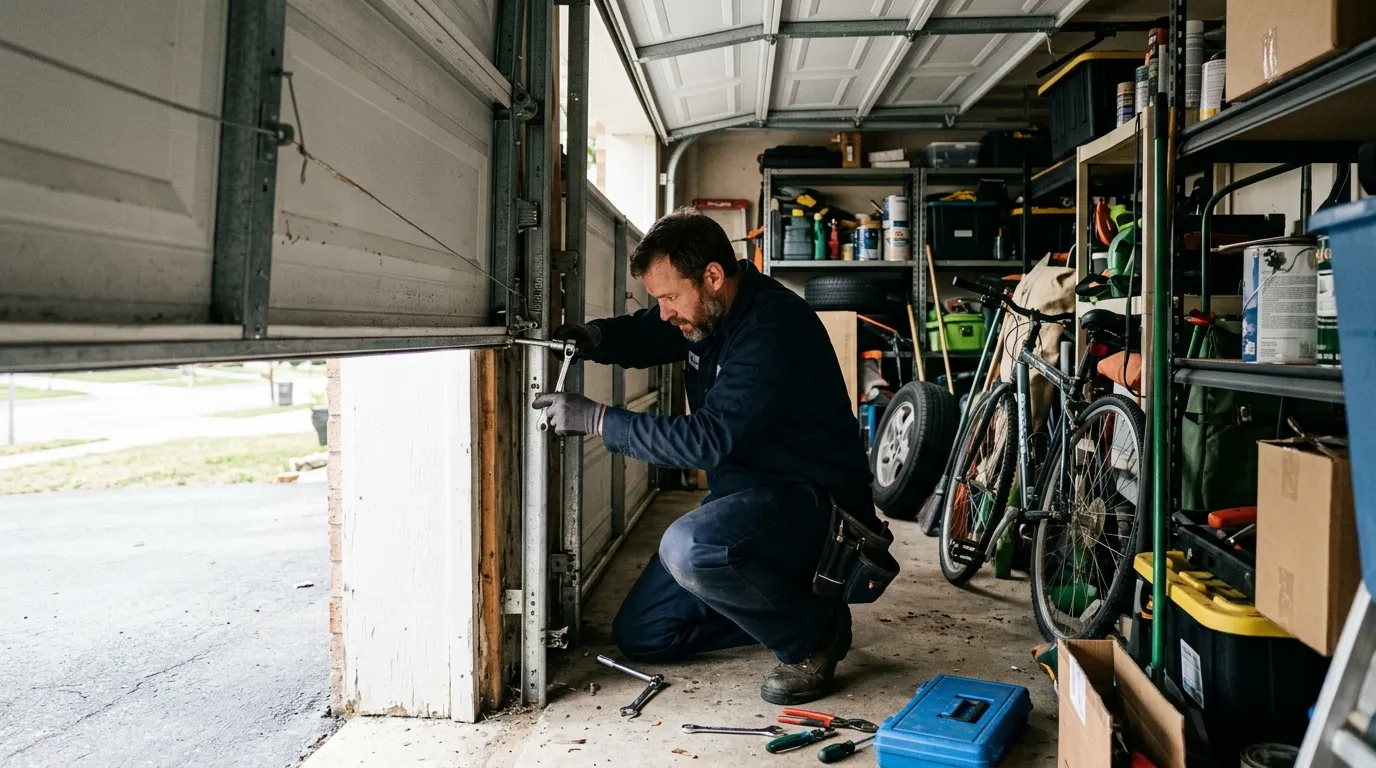
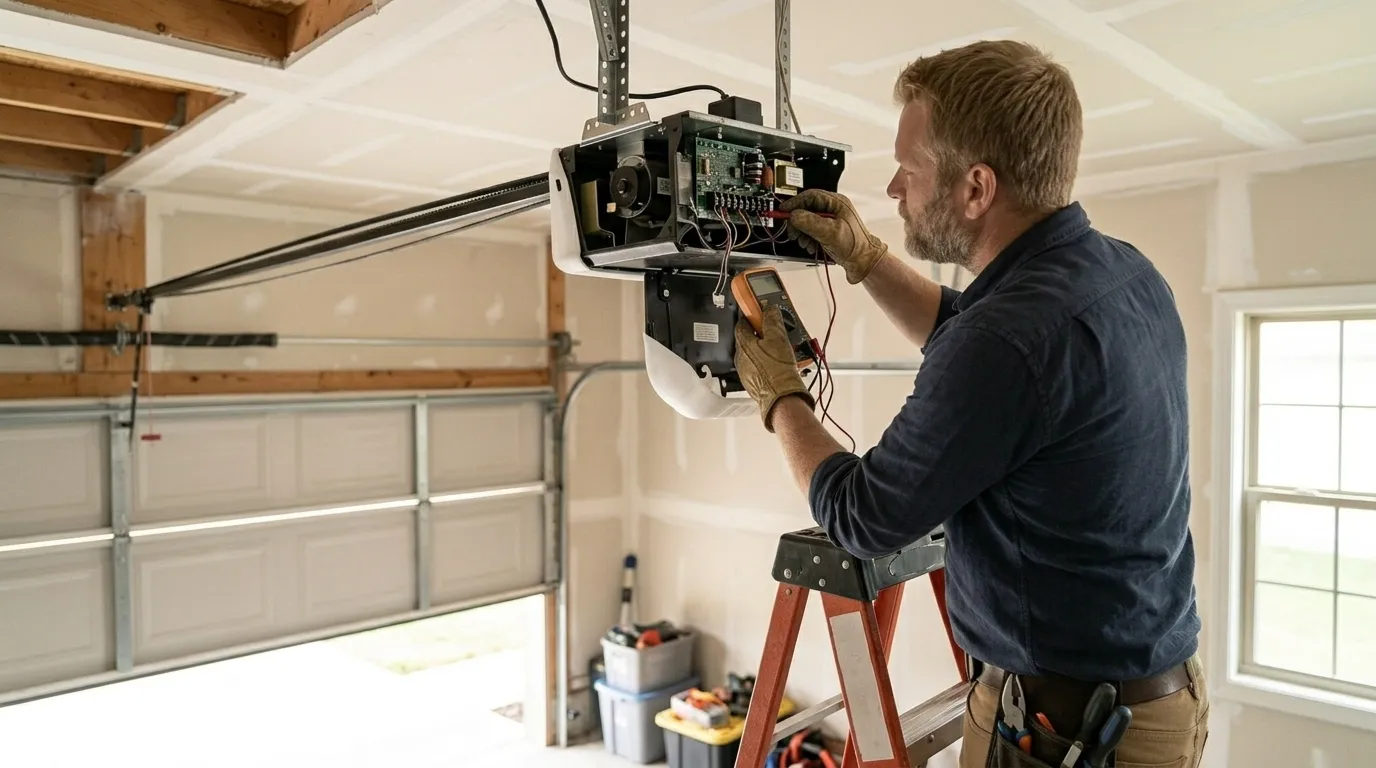
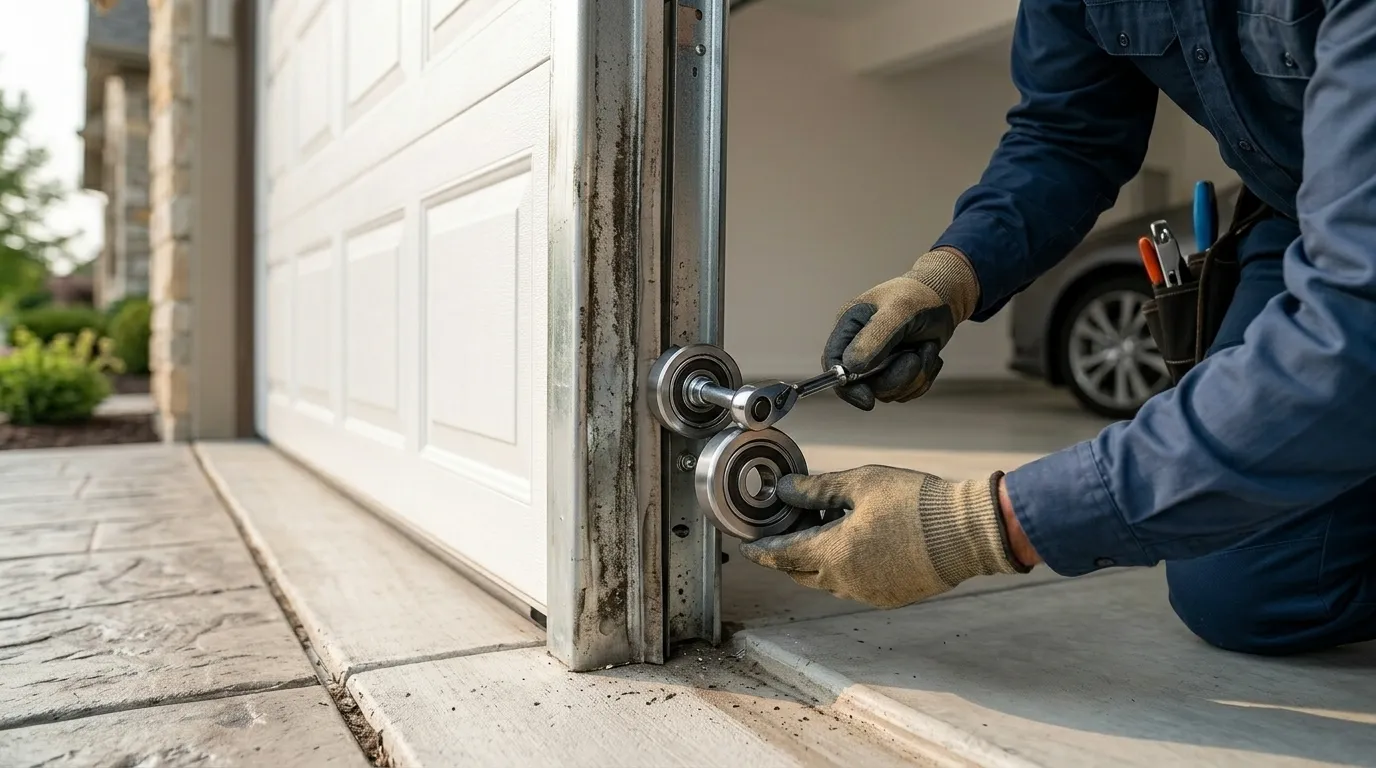
Rollers are the second issue. Original steel rollers without nylon sleeves wear the track groove unevenly over decades, so even a new spring won't fix a door that binds halfway up. And on a handful of the oldest houses, the opener itself predates safety reversal sensors - worth knowing before you assume a repair is as simple as swapping one part.
We won't pretend every door here has the same problem. Houses closer to newer construction pockets may have had full replacements already. But the median build year across this stretch of homes is old enough that original hardware is still the most common call we get out this way.
How Long You Are Without the Door
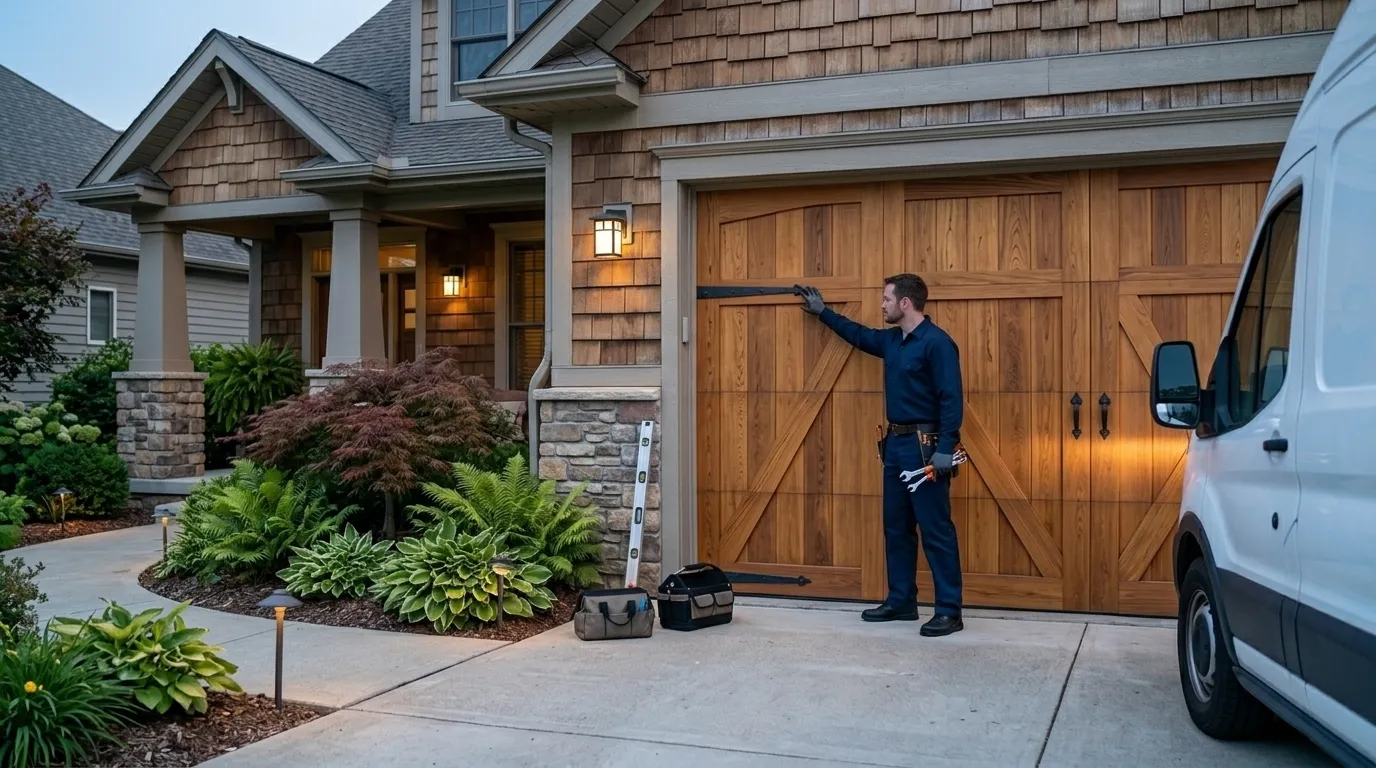
We run out of Burbank, about 7 miles from La Cañada Flintridge, so there's drive time built into any call regardless of the fix. We don't advertise a fixed response window for this town - we haven't got a number for that and won't invent one.
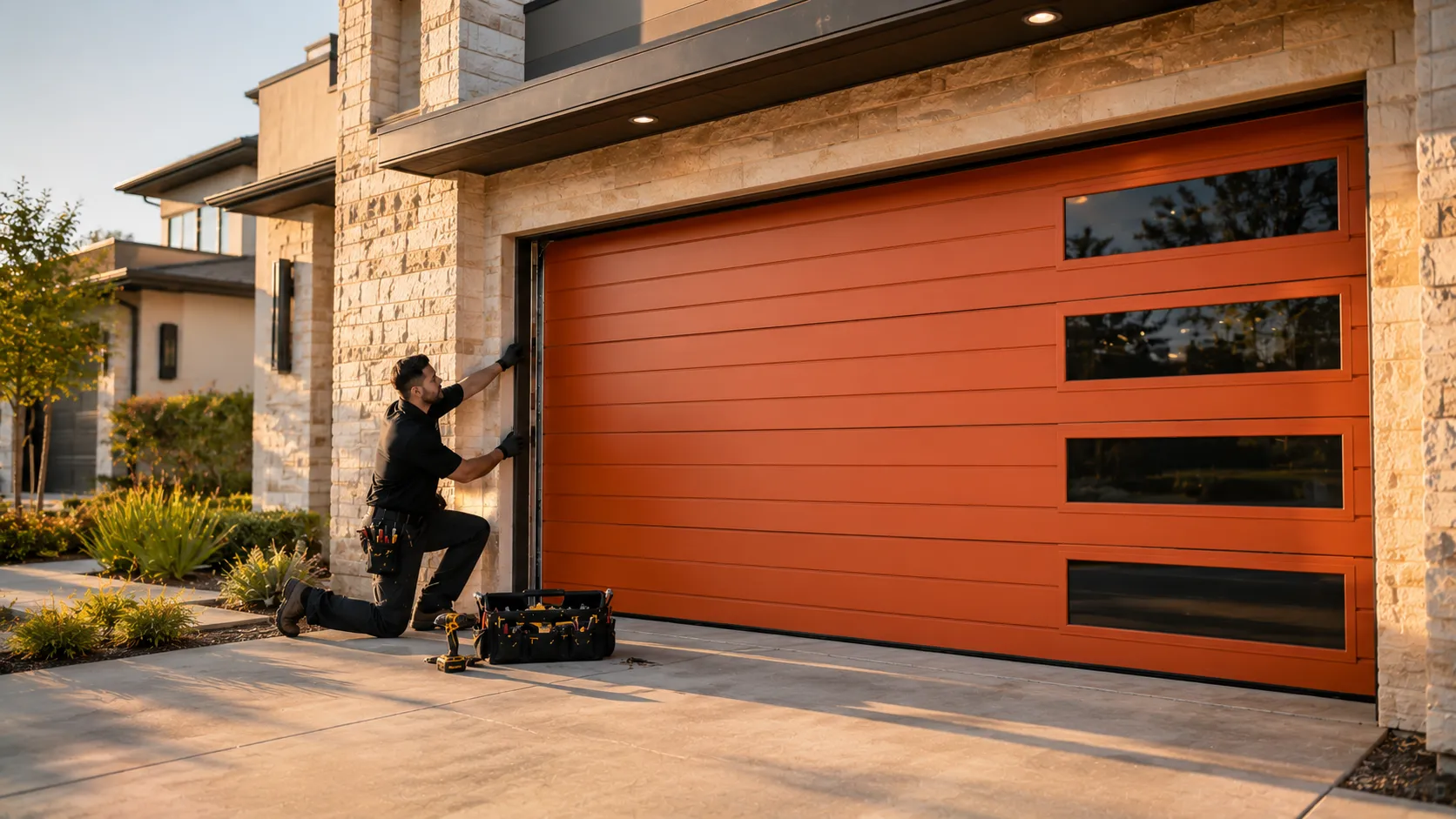
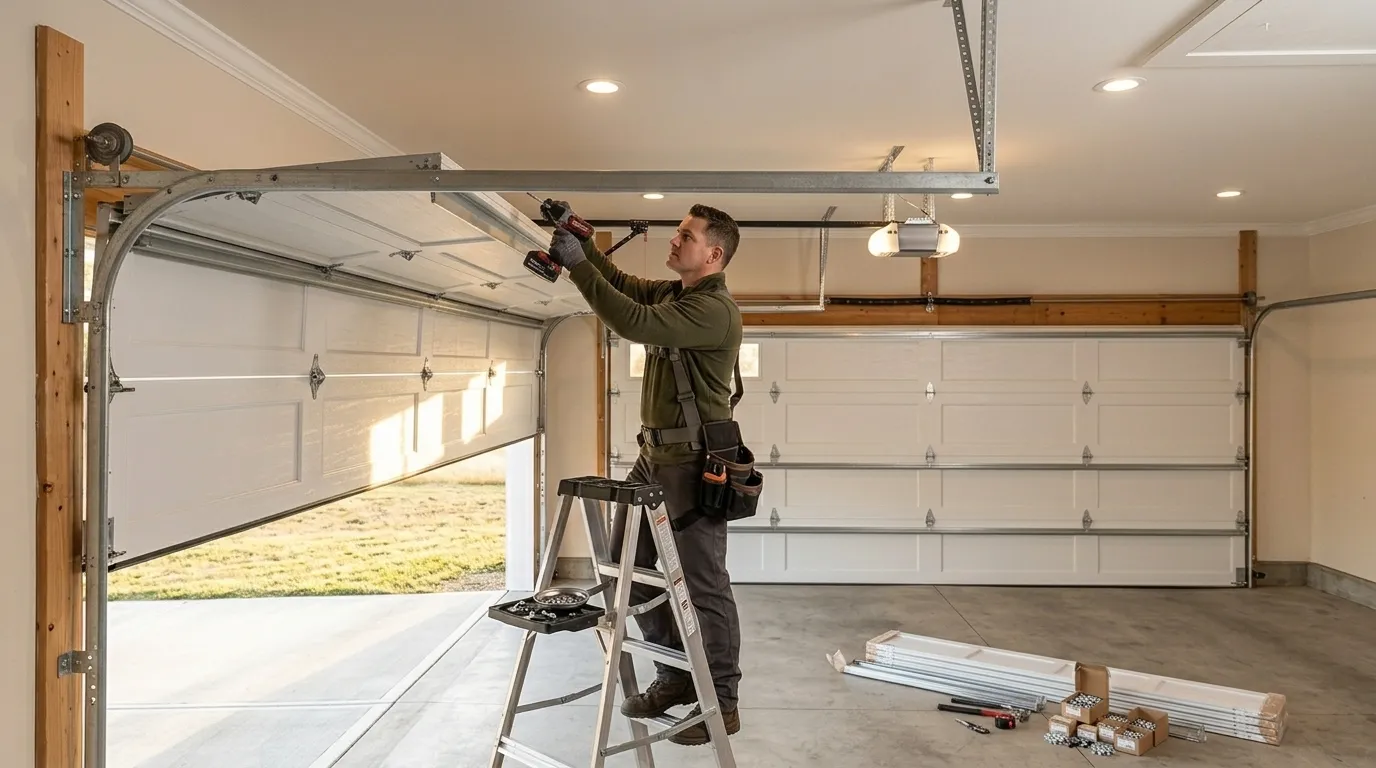
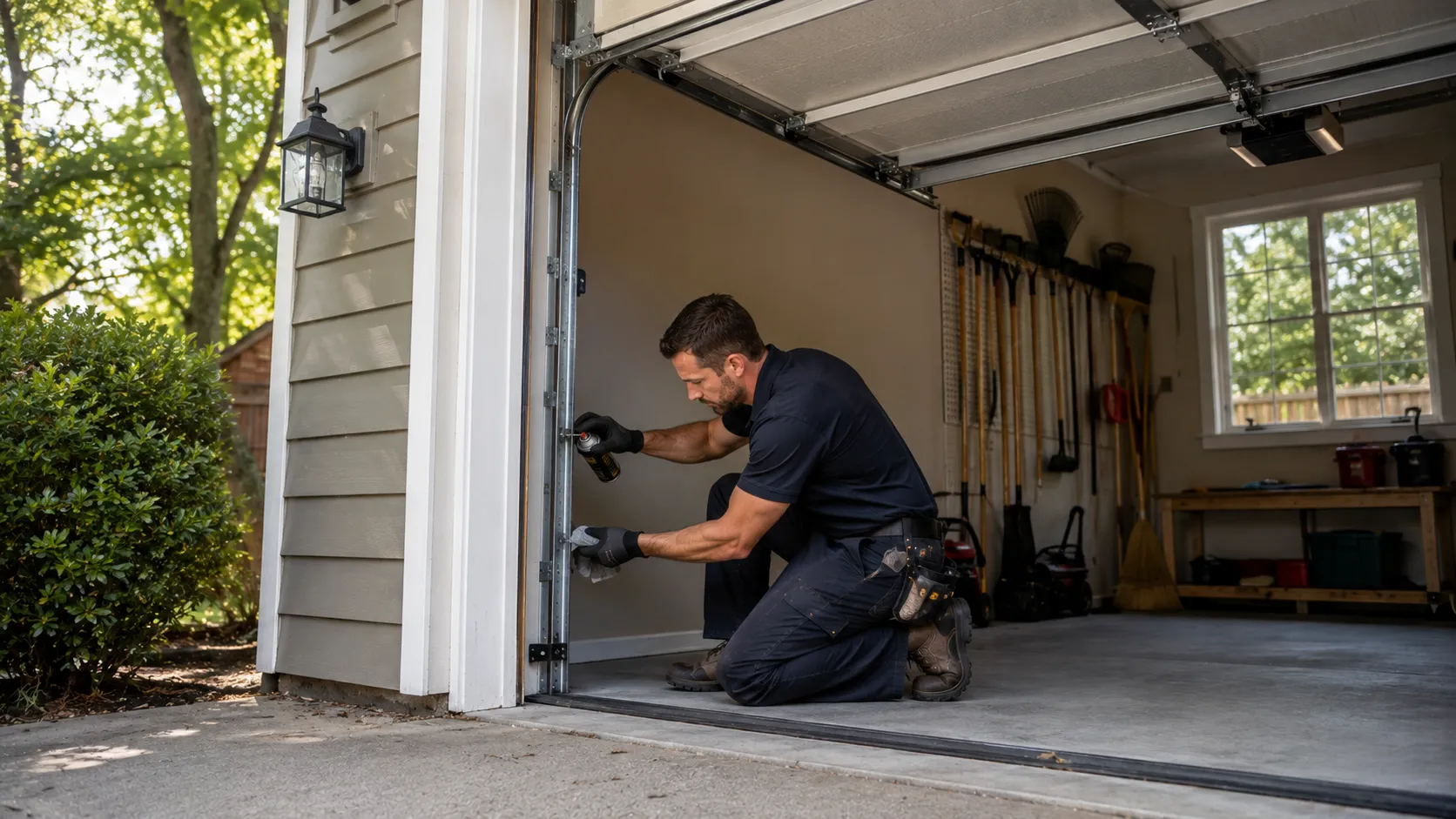
Once a tech is on site, a straight spring replacement usually has the door back in service the same visit. A full hardware rebuild, where track, rollers, and cable all come off together, takes longer on site and may need a follow-up if a part isn't on the truck. Given how much of this town's housing stock is original to a 1957 median build, hardware rebuilds are common enough that it's worth asking upfront whether your tech expects a one-visit fix or a two-parter.
The Symptom
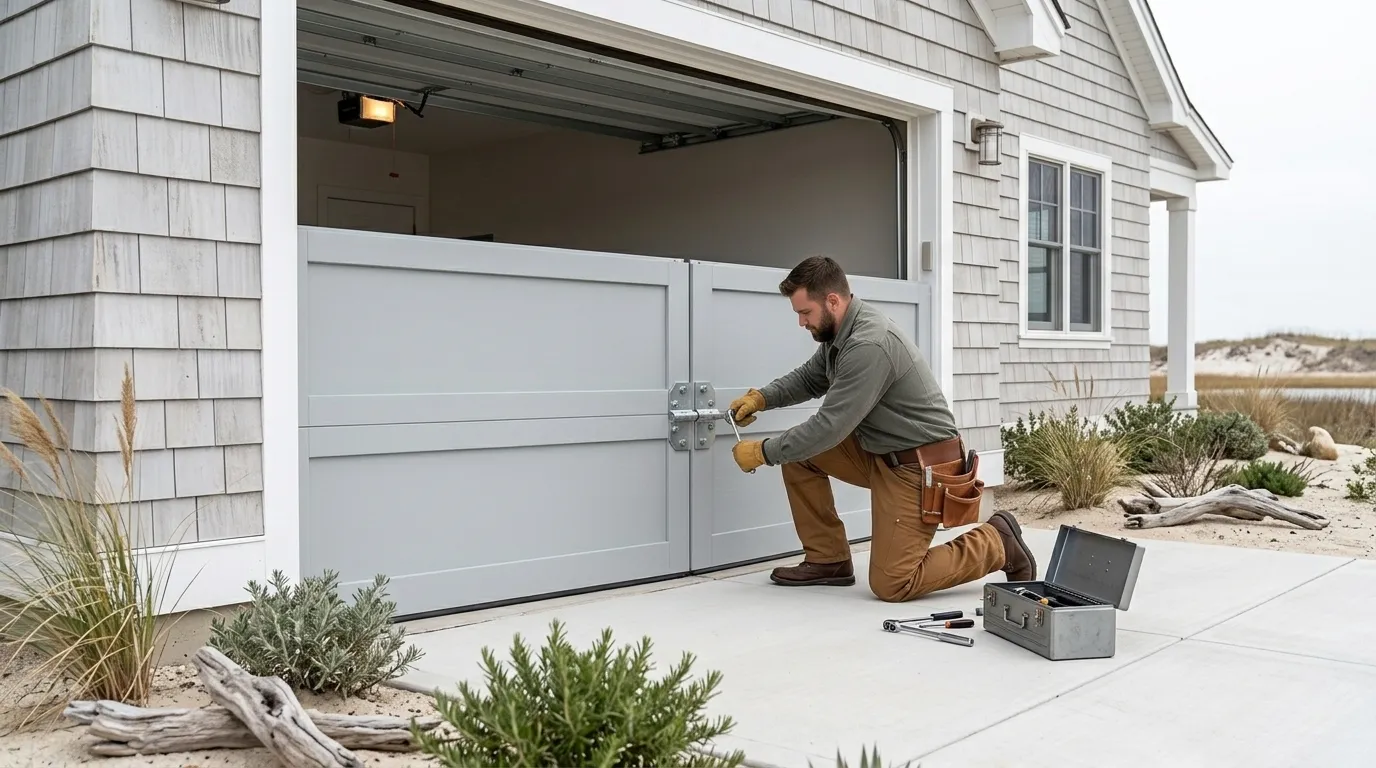
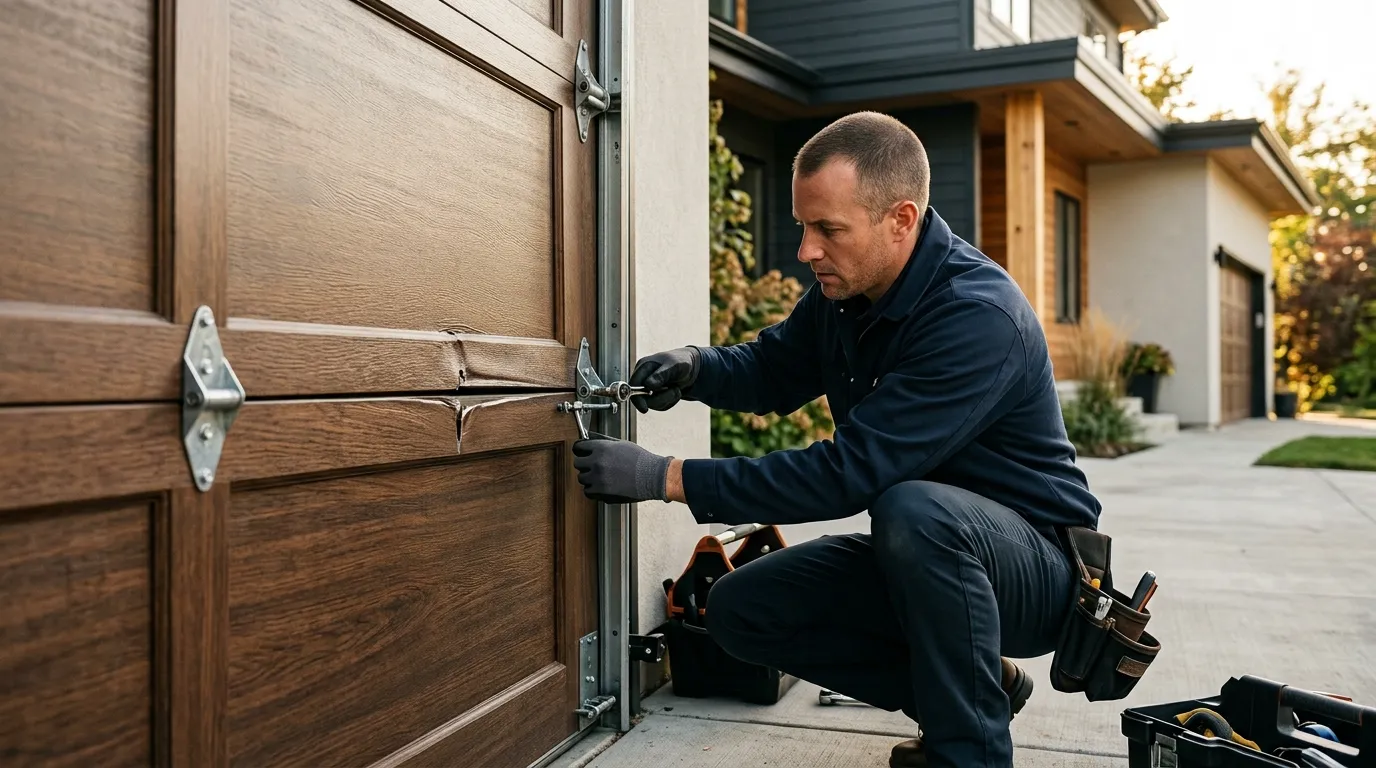
The call we get most from this part of town starts the same way: a loud bang, then the door won't budge, or it opens a few inches and stops. That's a snapped torsion spring nine times out of ten, and it lines up with what you'd expect from a house built around 1957 with original or aging hardware.
A second common symptom is a door that runs rough - grinding, catching, or drifting off the track partway up. That's usually the rollers, not the spring, and it's more common in houses that never upgraded from steel rollers to nylon. Either way, don't force the door by hand once it's stuck. A spring under tension that's already failing is not something to wrestle with.