What Can Go Wrong
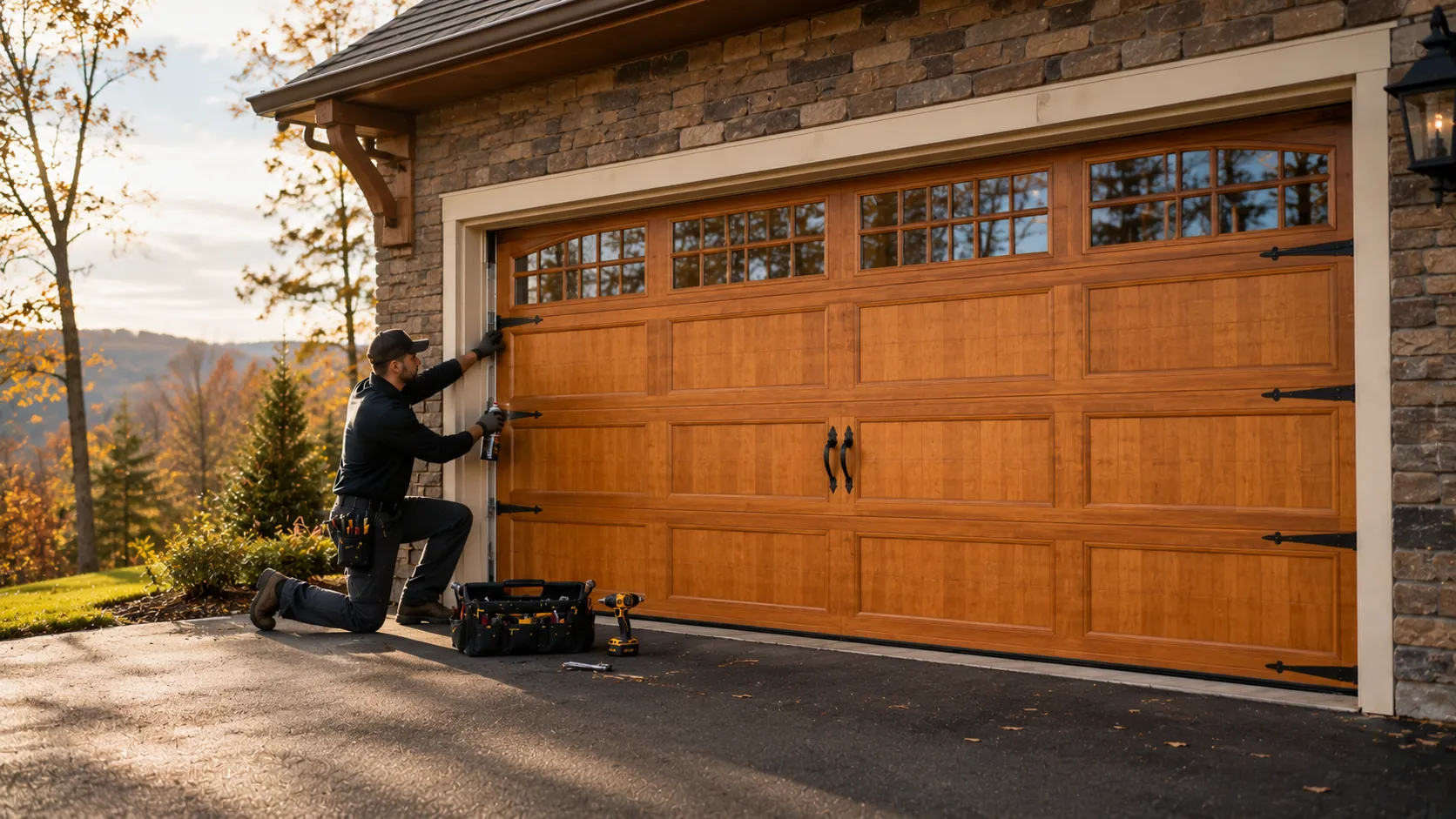
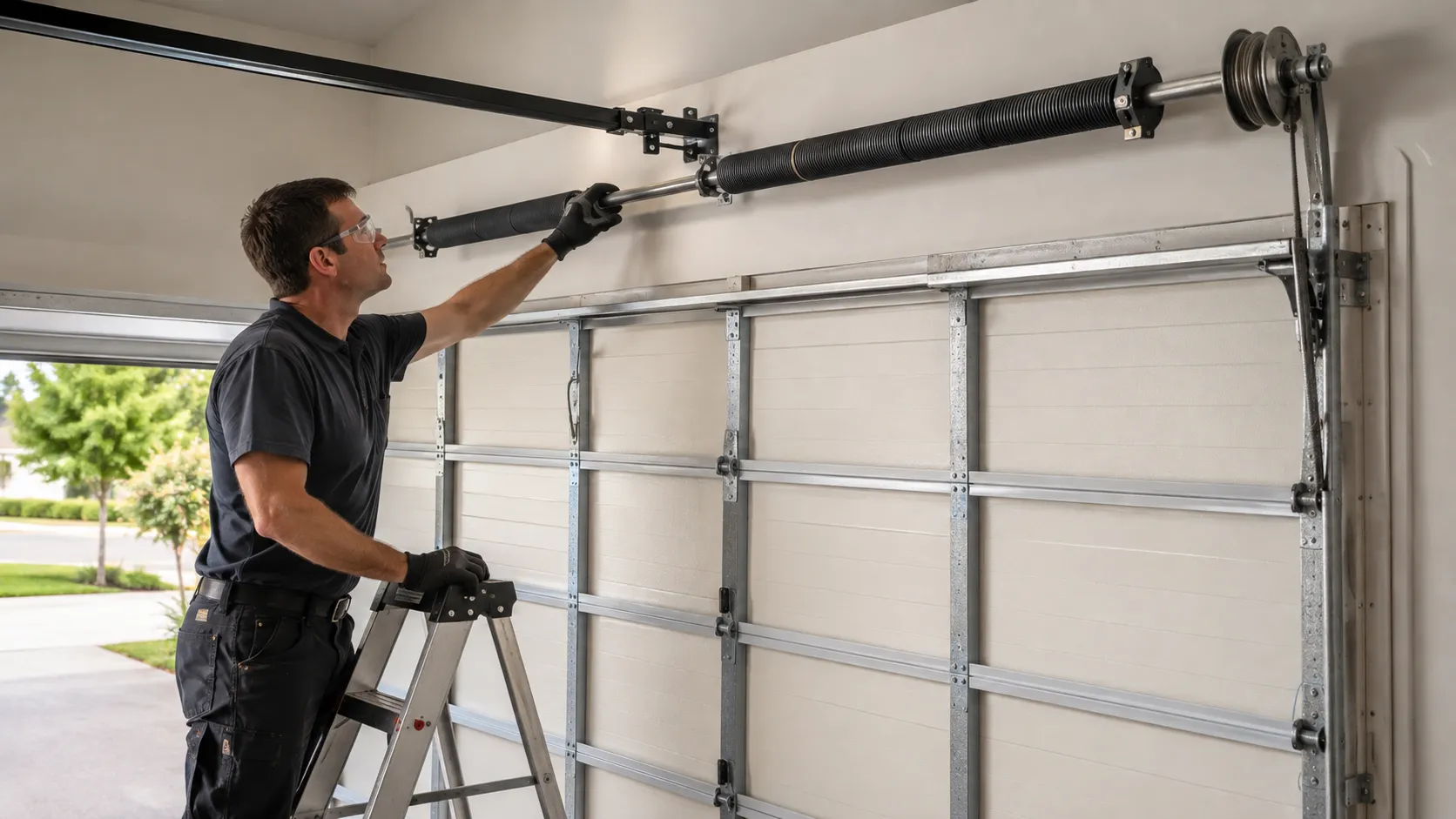
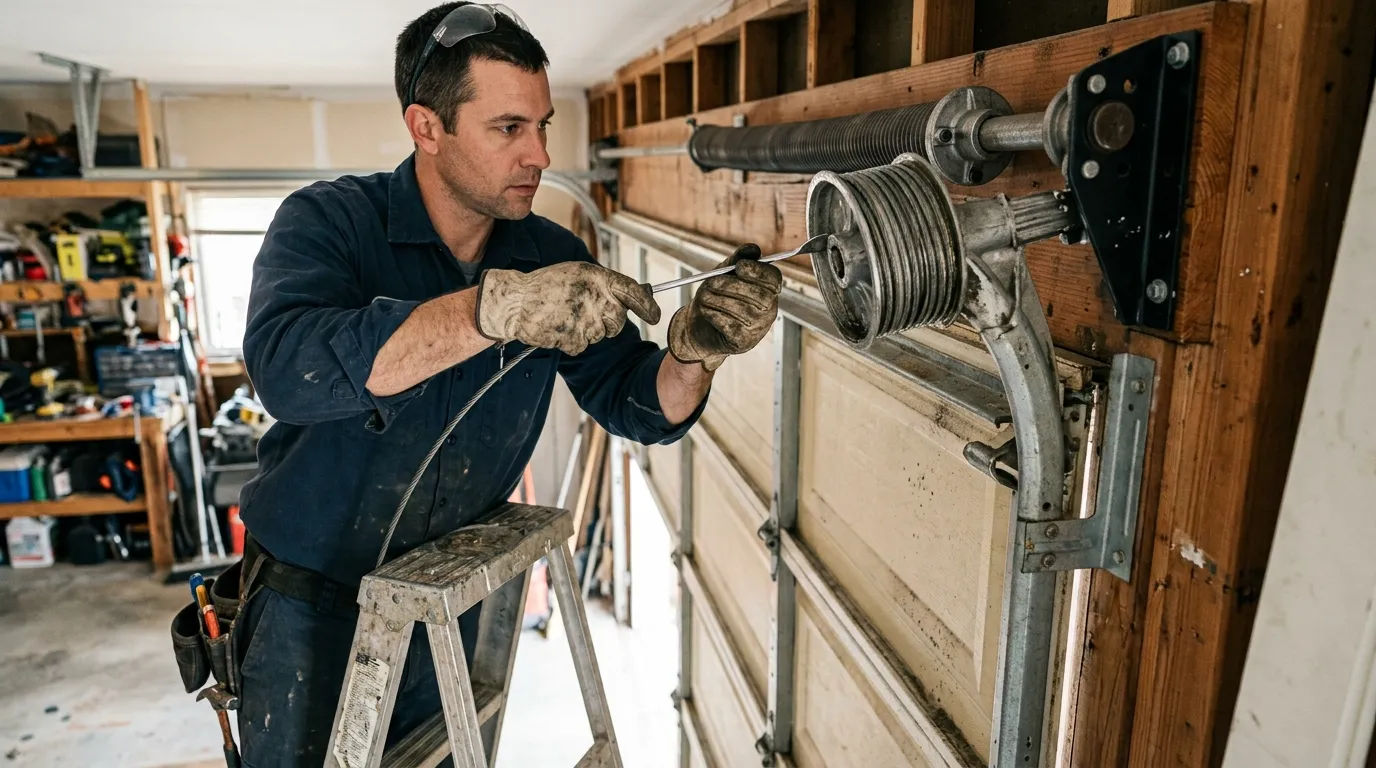
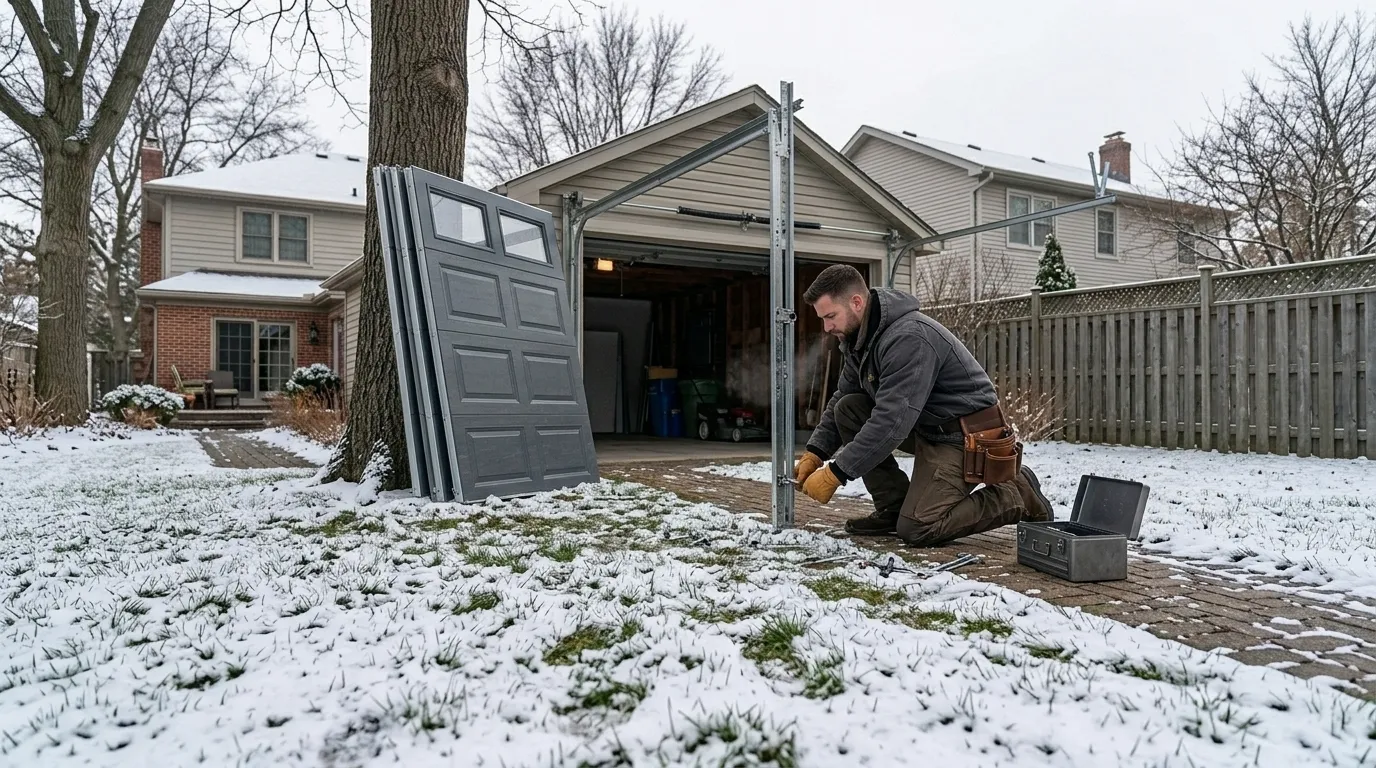
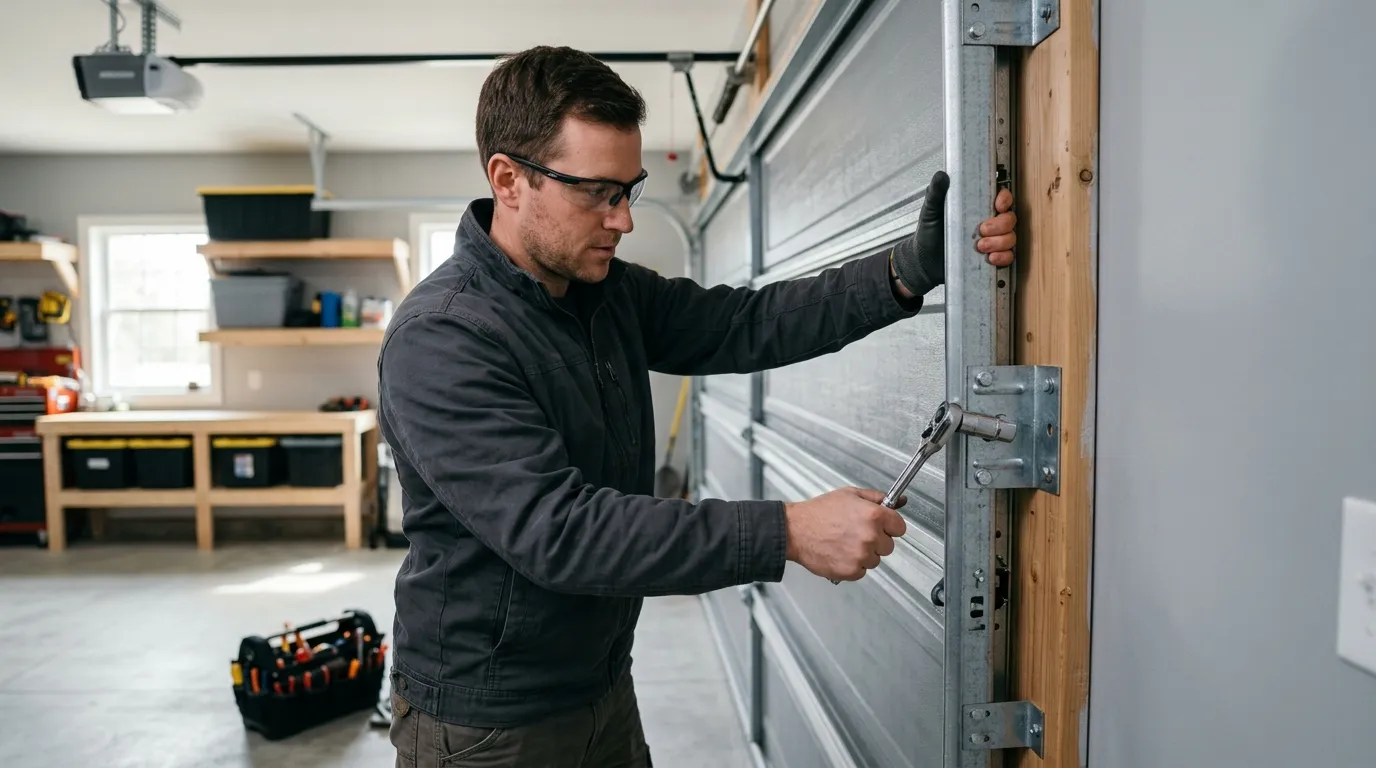
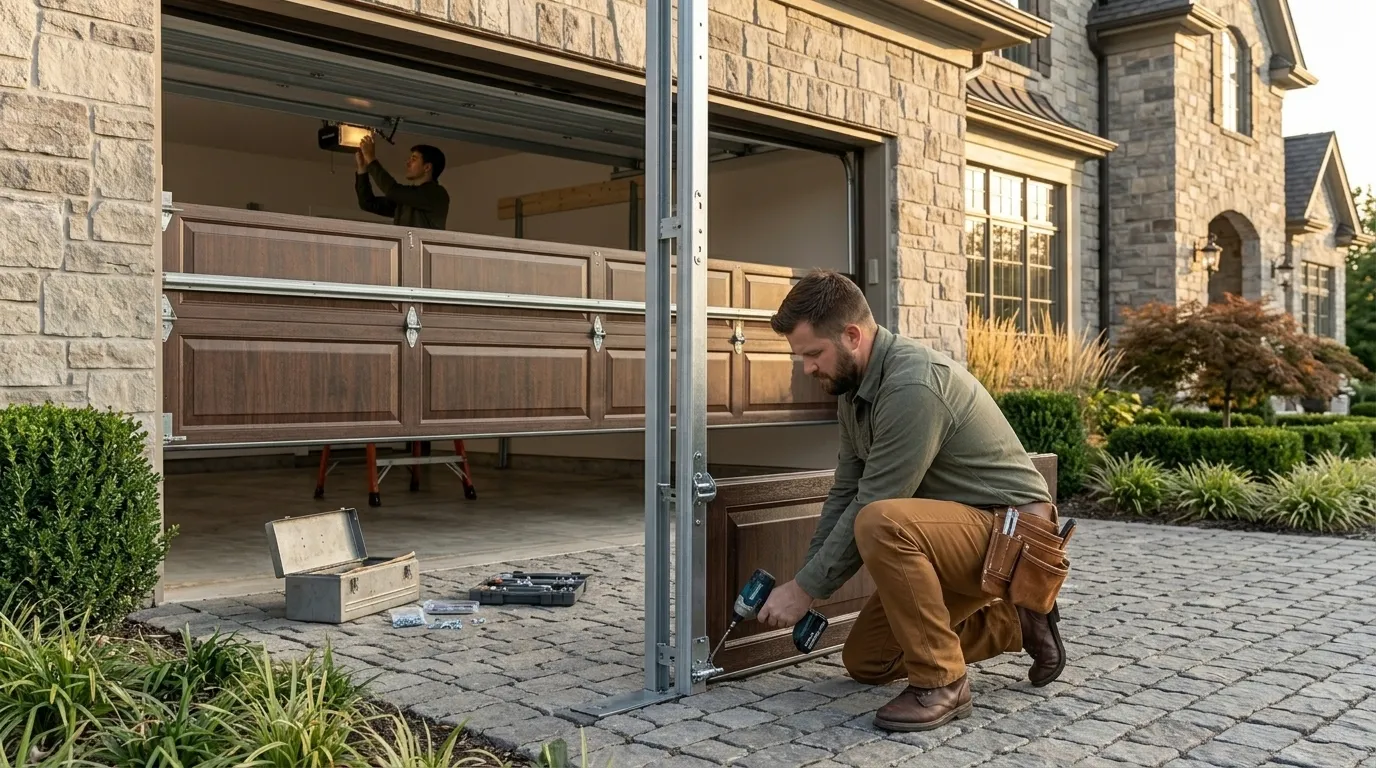
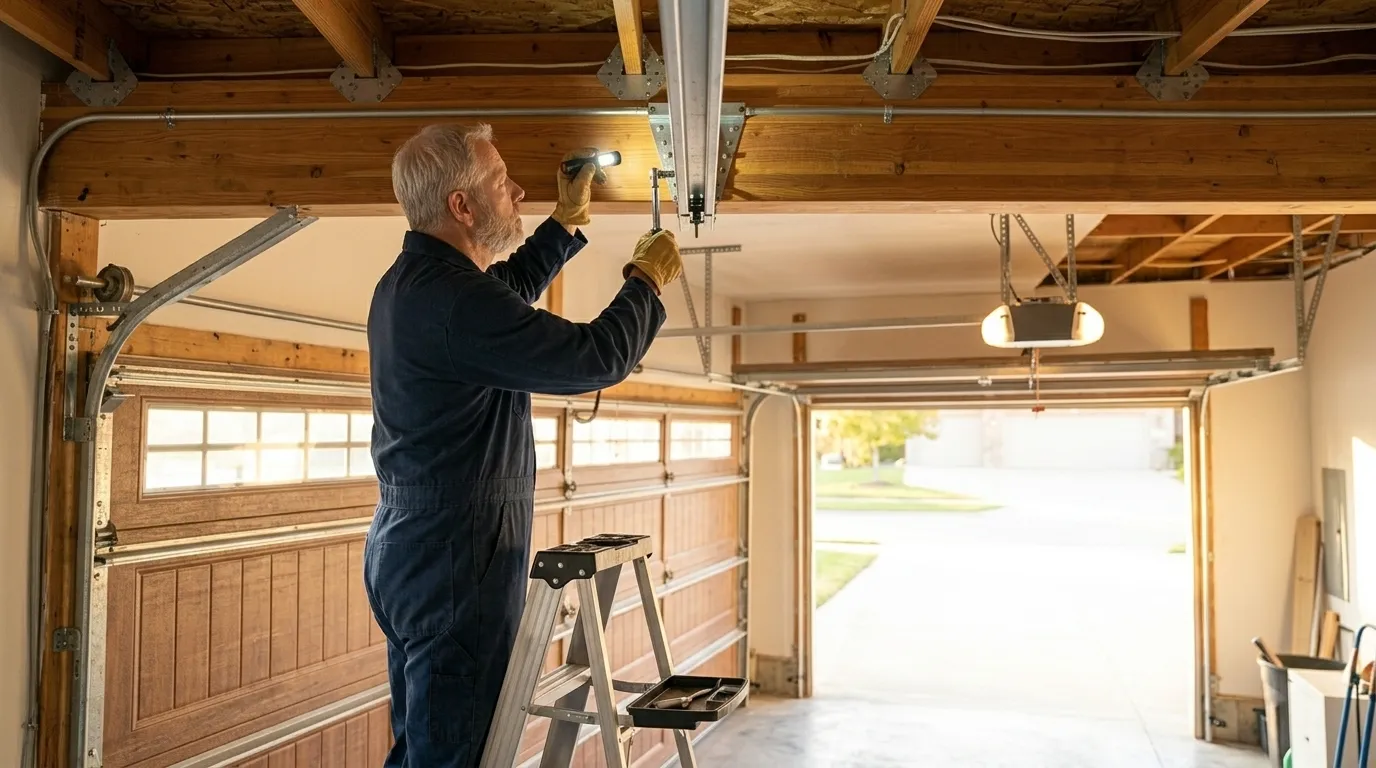
The most common surprise on these calls isn't the opener - it's what's holding the door it's about to lift. Homes in this part of the service area were mostly built between the 1940s and the early 2010s, with the median landing around 1957 here specifically, and a house that age often still has its original track and hinge hardware even if the door face has been replaced once or twice. That original hardware wasn't sized for a modern belt-drive motor's torque, so bolting a new opener onto an old bracket without checking it first can crack a header board or tear an anchor loose within a year. We check the bracket, the track condition, and whether the door is actually balanced before we mount anything - a heavy door with a weak spring fighting a strong motor is how you get a snapped cable six months later, not a working opener.
How Long You Are Without the Door
We run this job out of Burbank, and La Cañada Flintridge is about 7 miles up the road, so travel isn't what eats the clock here - the door being down while we work is. Once we're on site, the door itself is usually out of service only for the install window, not for a day or two waiting on parts, because opener units are stock items we carry on the truck. Where it stretches out is if the bracket or header needs reinforcing first, which we sometimes find on the older stock common in this town. In that case we'll finish the mechanical fix, get the door itself closing and locking safely, and schedule the opener mount as a second visit if the part we need for the header isn't something we're carrying that day.
The Symptom
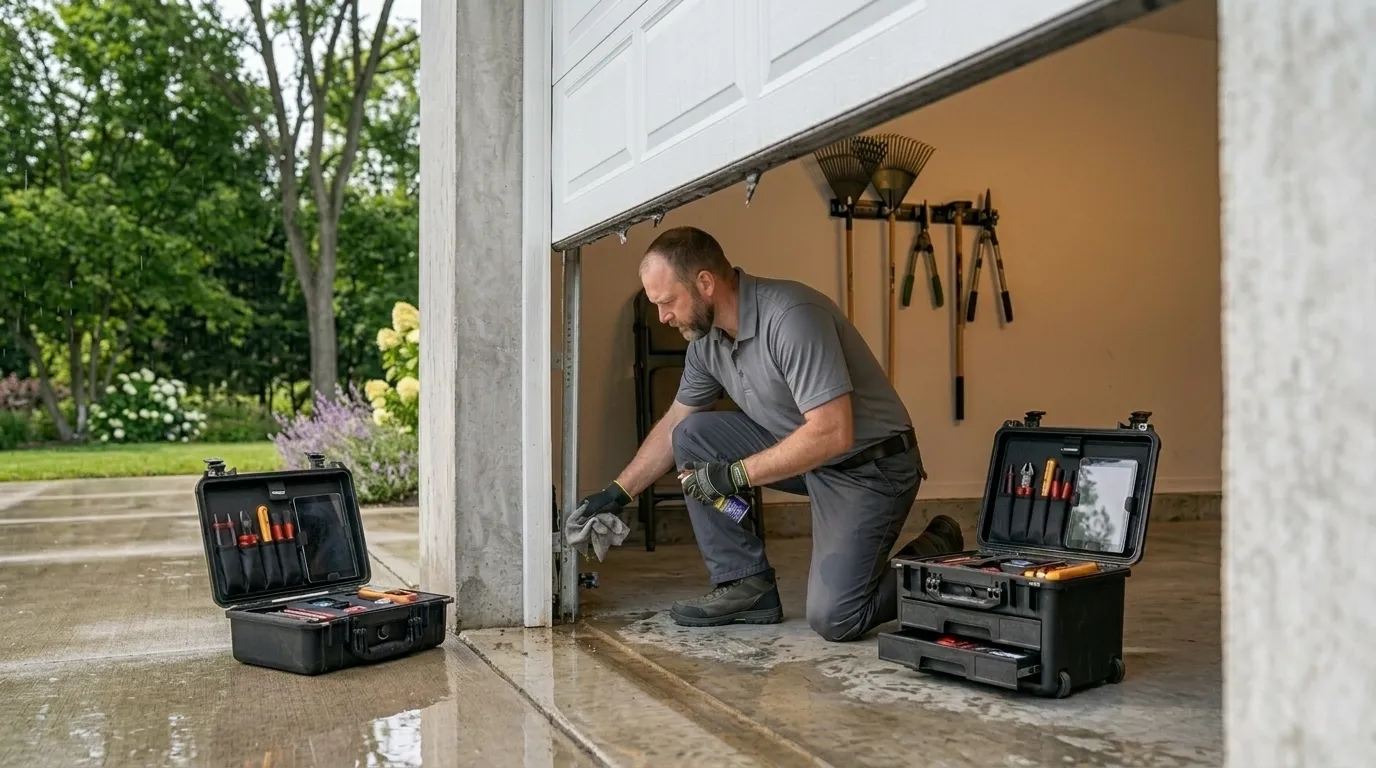
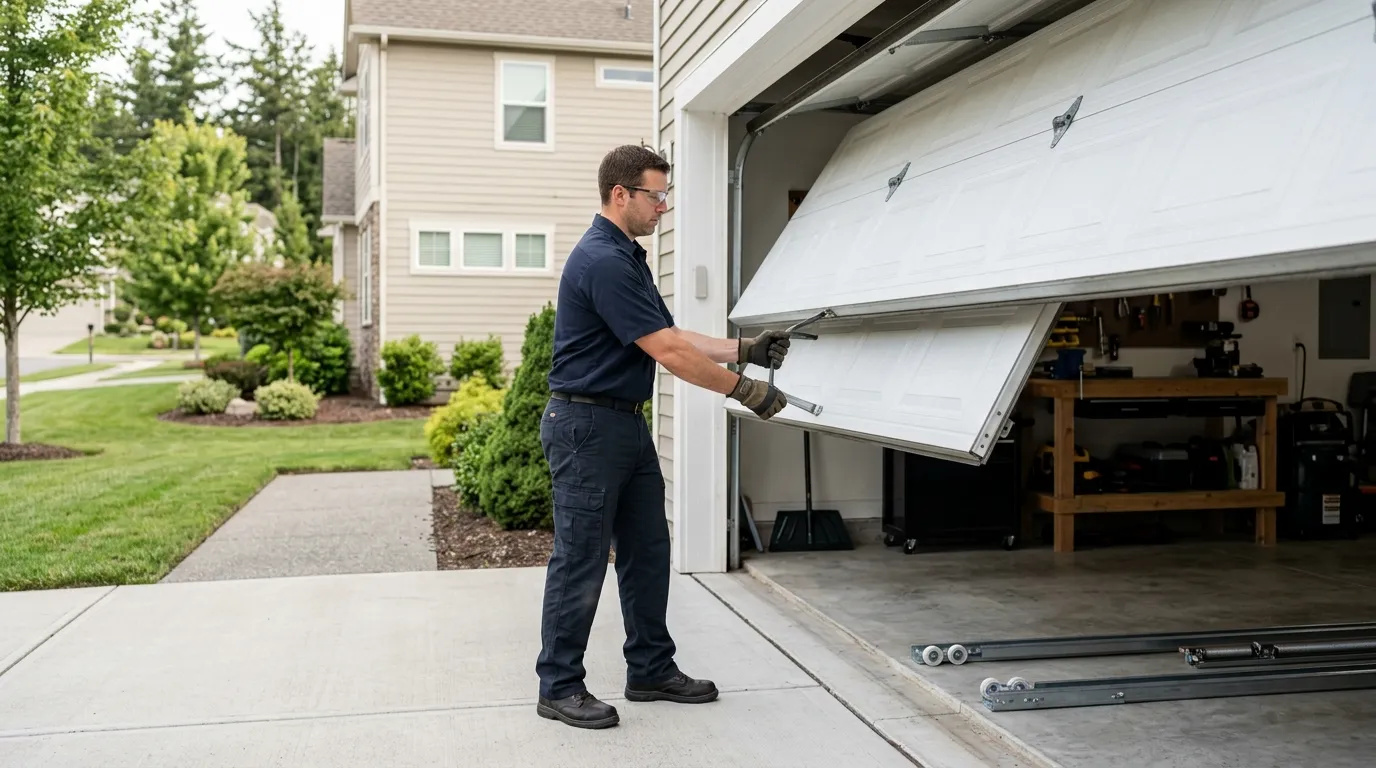
Most calls for an opener install in this town start the same way: the existing unit is straining, reversing itself partway up, or has just stopped responding to the remote, and the owner traces it back to a motor that's simply outlived the door it's attached to. On the older stock that makes up most of La Cañada Flintridge, we also see openers that were added years after the house was built, mounted on hardware that was never really rated for a motor - so the symptom isn't the opener failing on its own, it's the whole assembly working against itself. If your door is heavy, slow, or needs a shove to get moving even with the opener running, that's usually a spring or balance issue underneath the motor problem, and installing a new opener without fixing that first just wears out the new one faster.