What Can Go Wrong
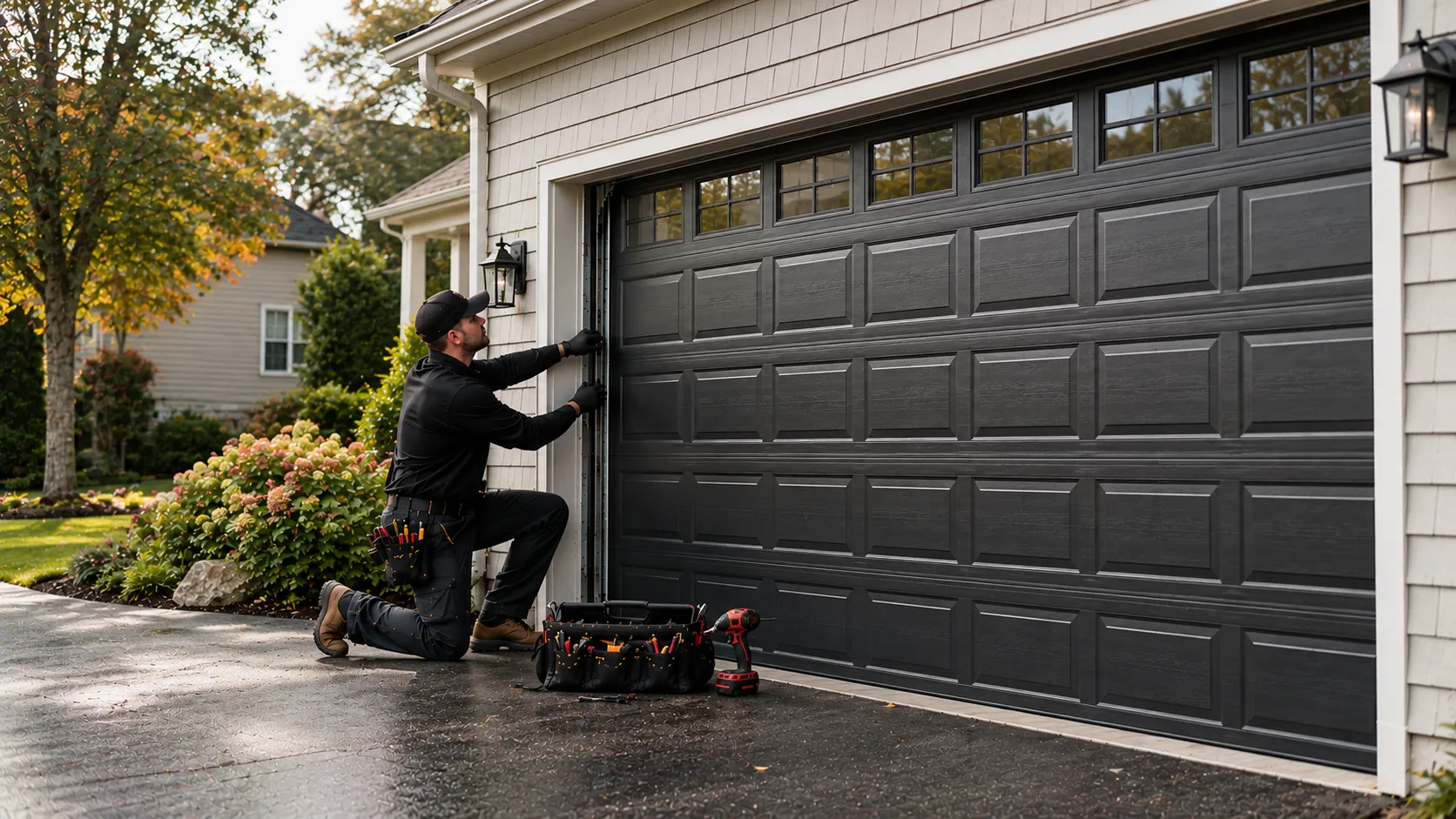
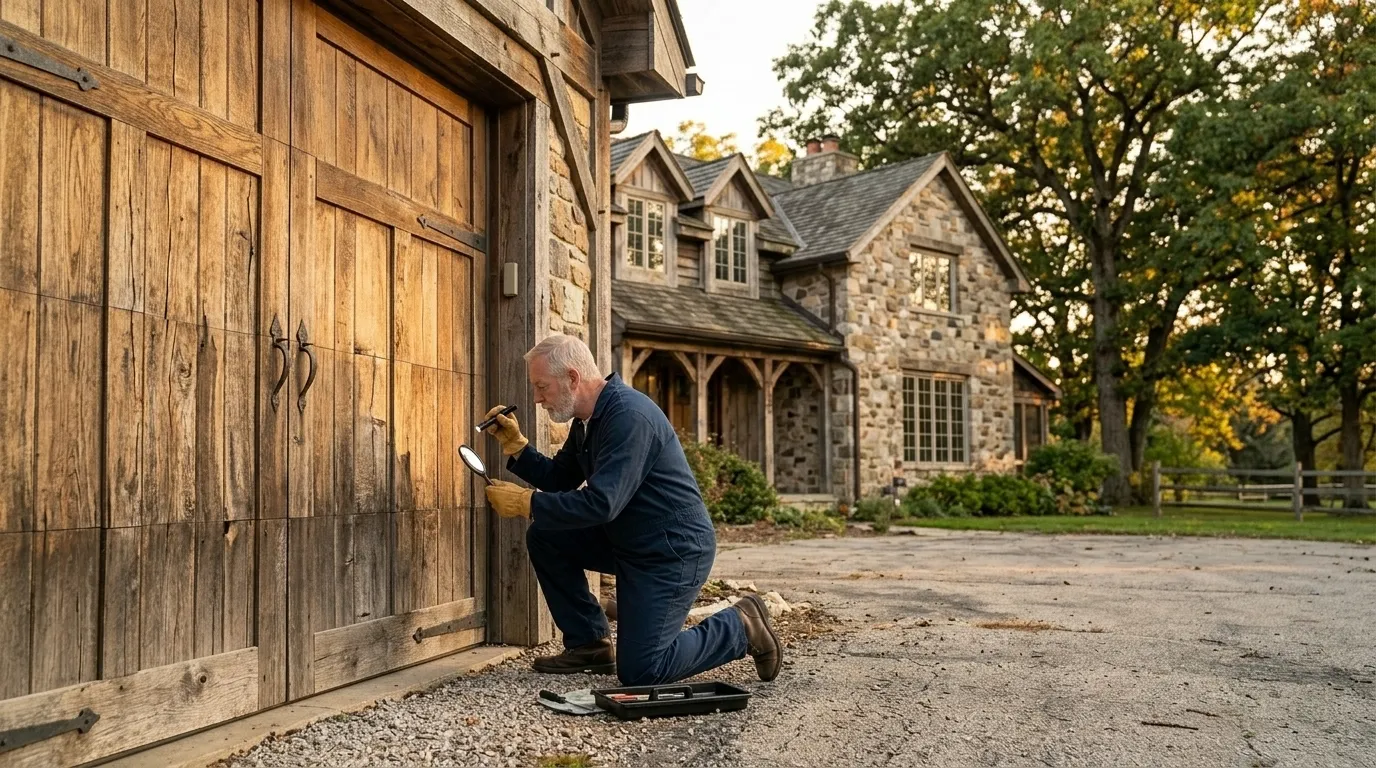
The failure we see most in this town isn't the springs - it's the jambs. A door installed when the house was built in the late 1950s was very likely bolted to wood framing that's never been touched since, and wood that's carried the same lag bolts for sixty-plus years doesn't always hold a new, heavier insulated door the same way. We check jamb integrity before we hang anything, because a beautiful new door on a soft jamb just means a callback in a year.
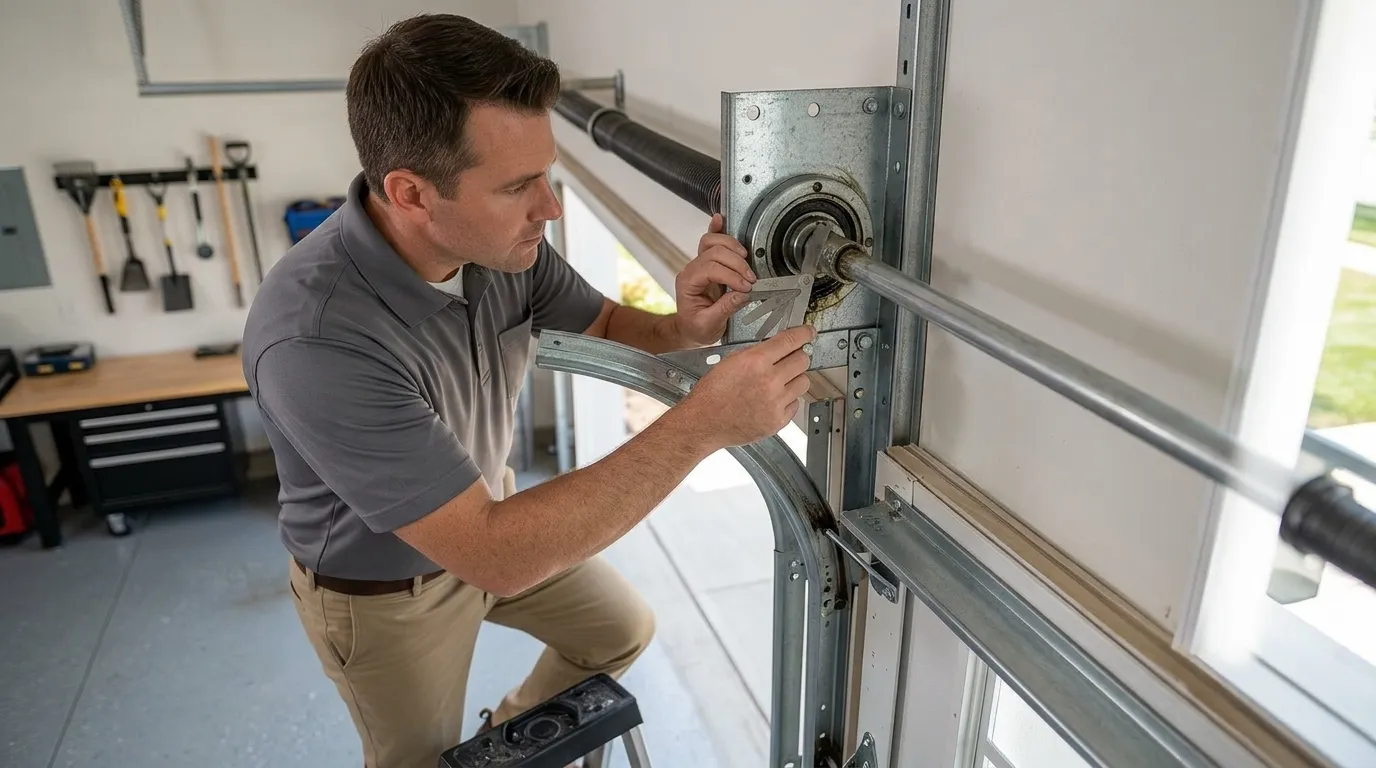
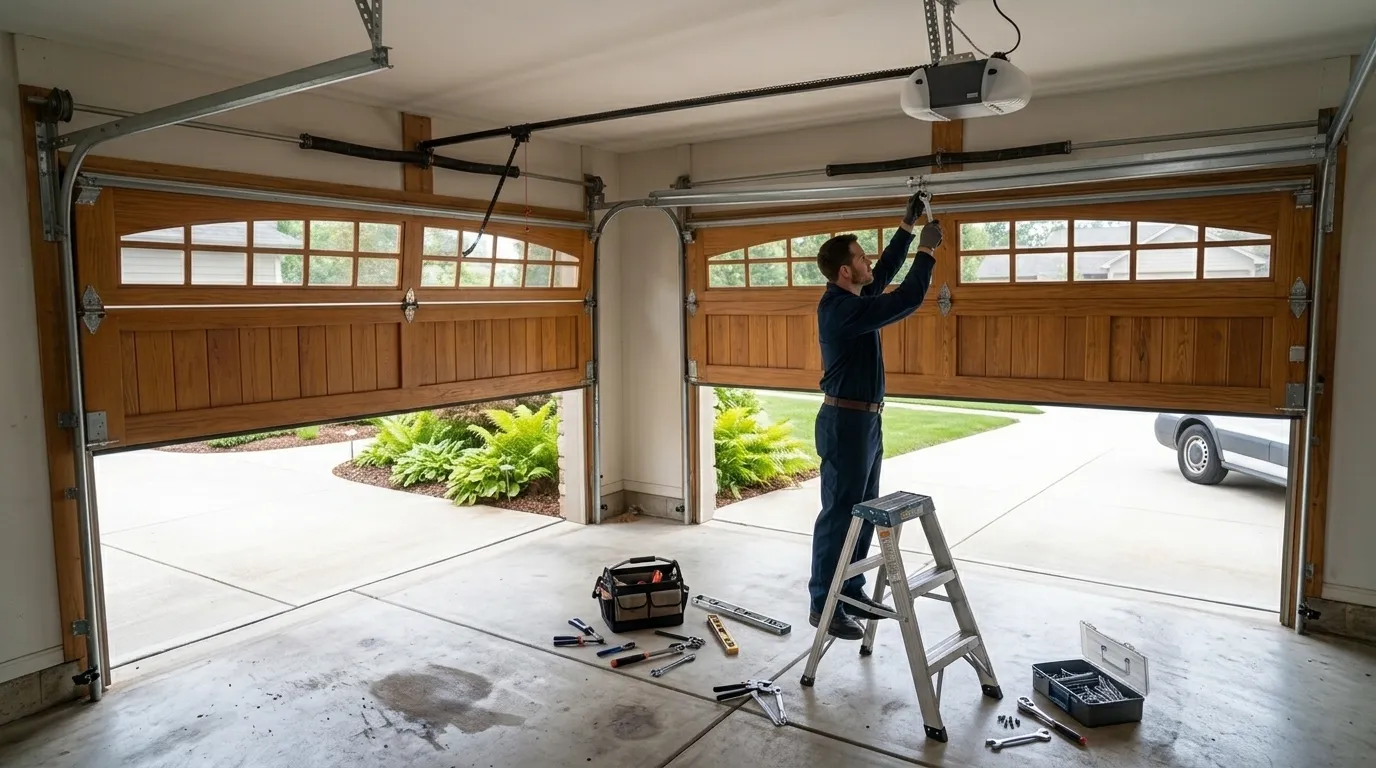
The other issue is headroom. Older single-story construction in this part of the service area sometimes has less clearance above the opening than modern torsion hardware wants, especially if the home has add-on insulation in the attic that wasn't there originally. That's a measurement problem, not a door problem, and it's the kind of thing that only shows up once someone's actually standing in the garage with a tape measure - not from a photo you send us.
We won't sell you a door that doesn't fit the opening you actually have. If the jamb needs work first, that's a separate conversation, and we'll say so plainly before we take a deposit.
How Long You Are Without the Door
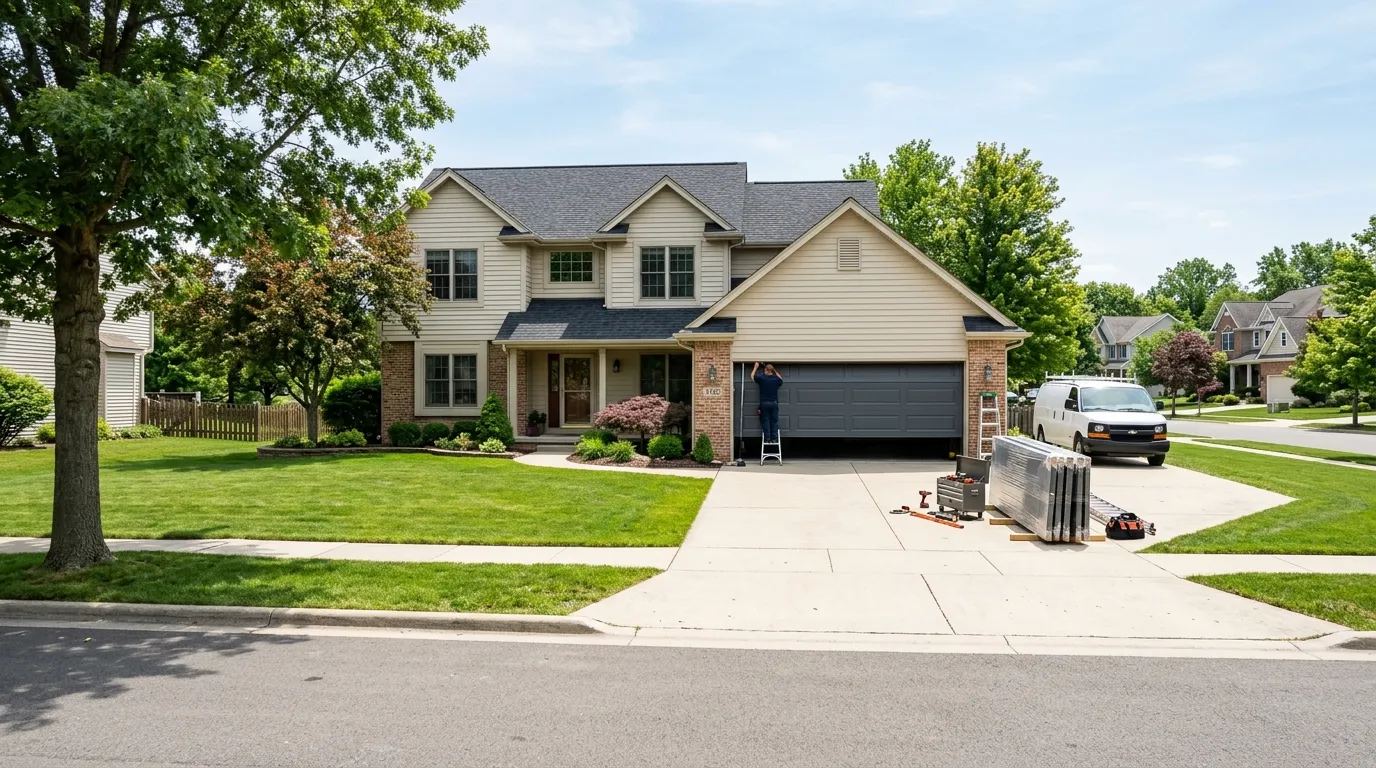
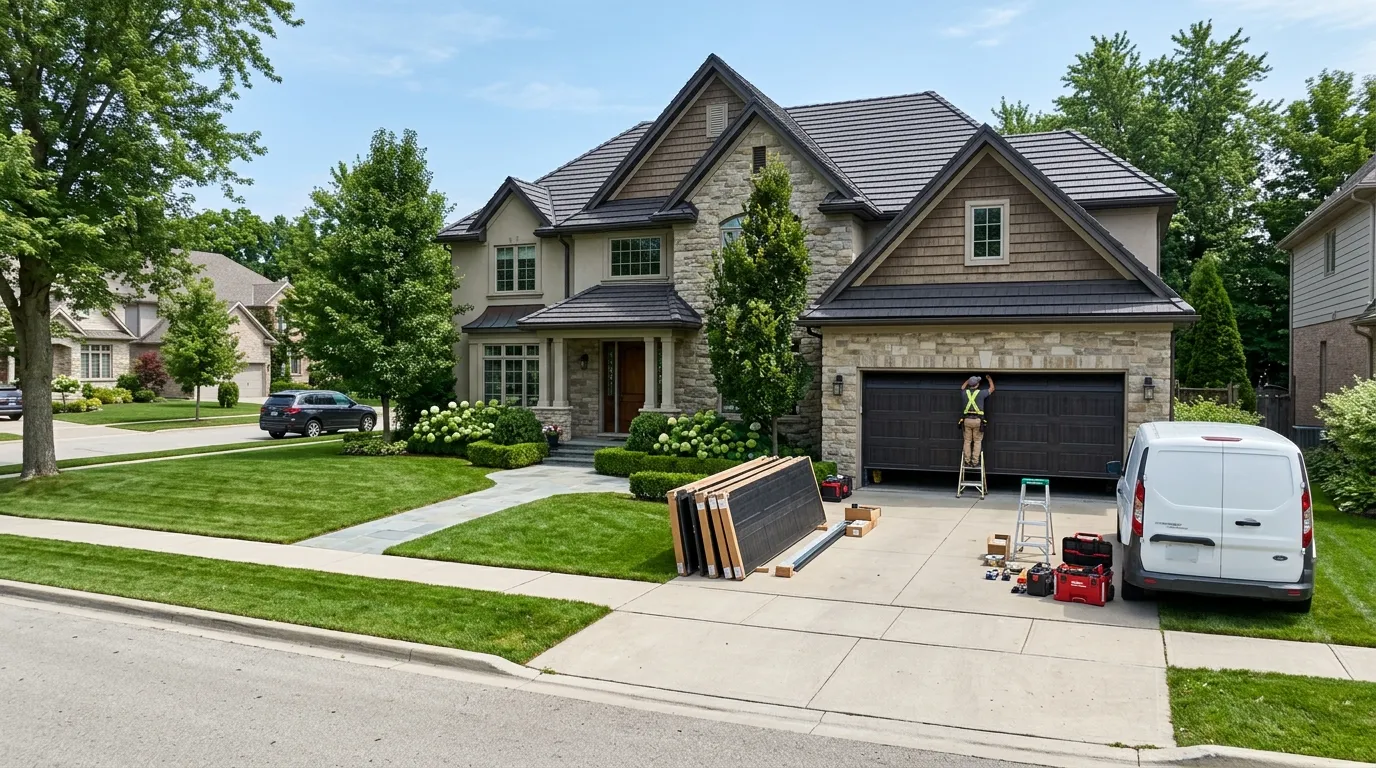
We travel to La Cañada Flintridge from Burbank, about 7 miles out, so the drive itself isn't the bottleneck - the door is. Standard sizes that match what's common in this town's 1957-median housing stock are usually in stock and go in within the day once we're on site. Custom widths, wood doors, or anything built to match an unusual original opening take longer, because that's an order from the manufacturer, not something on the truck.
During the swap itself, plan for the garage to be open and unsecured for a few hours while the old door comes down and the new one goes up and gets balanced. If you park in the garage, plan to park in the driveway that day. We don't leave a job half-hung overnight - if the day runs long, we finish it rather than come back.
The Symptom
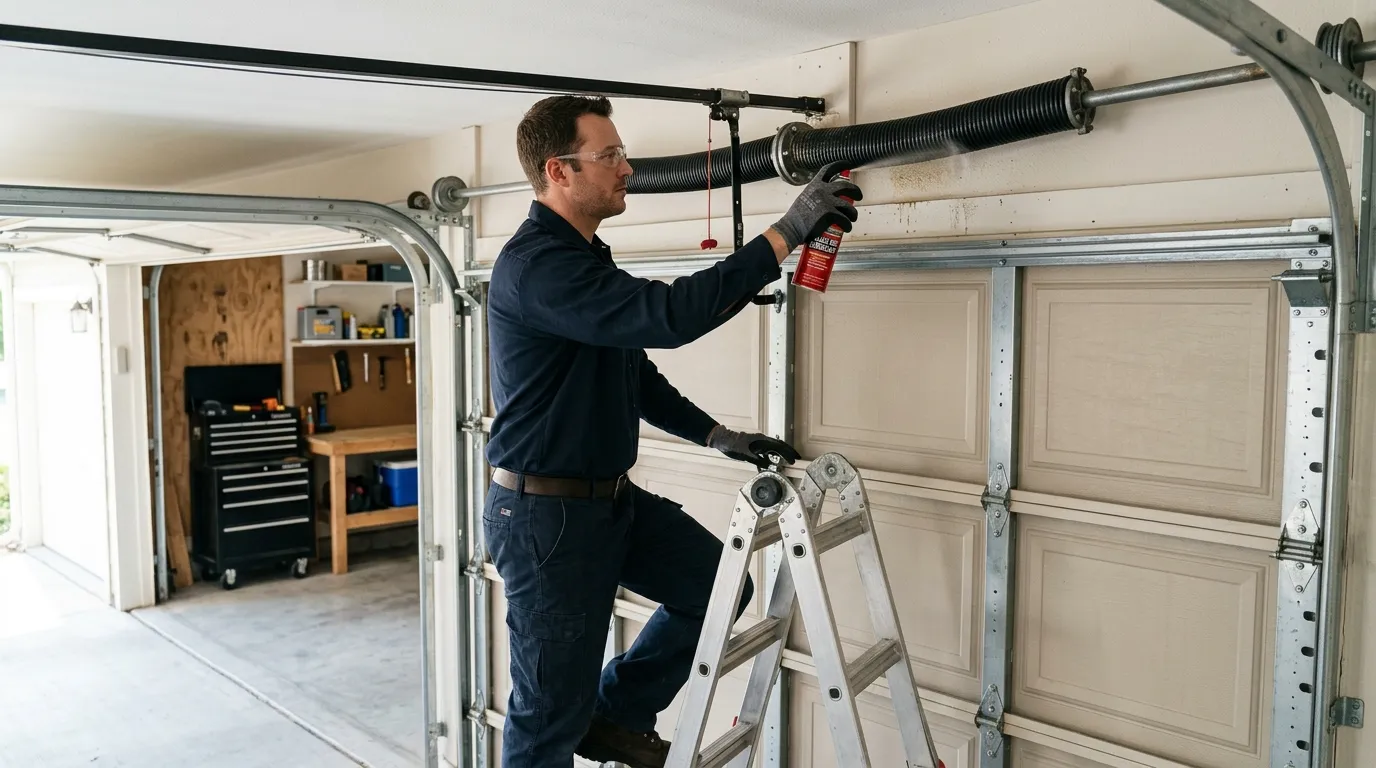
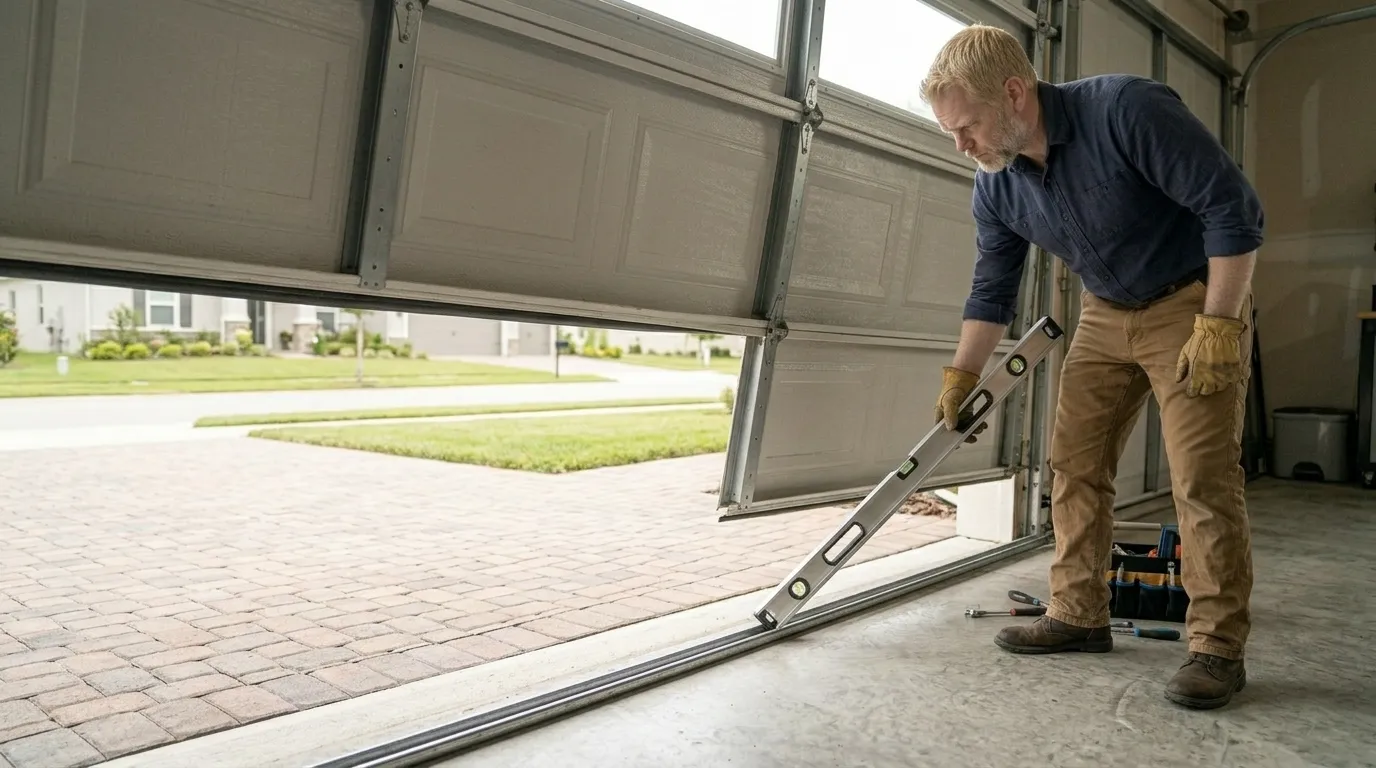
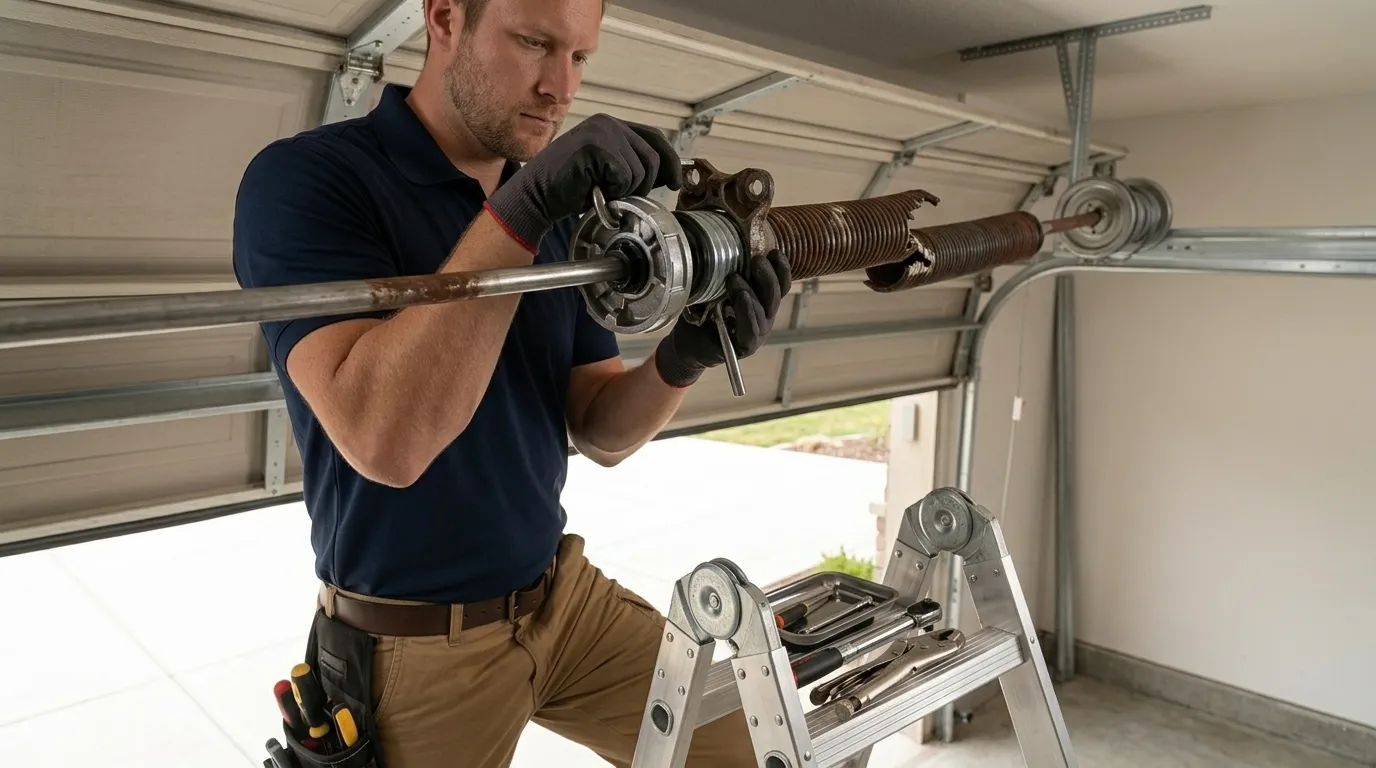
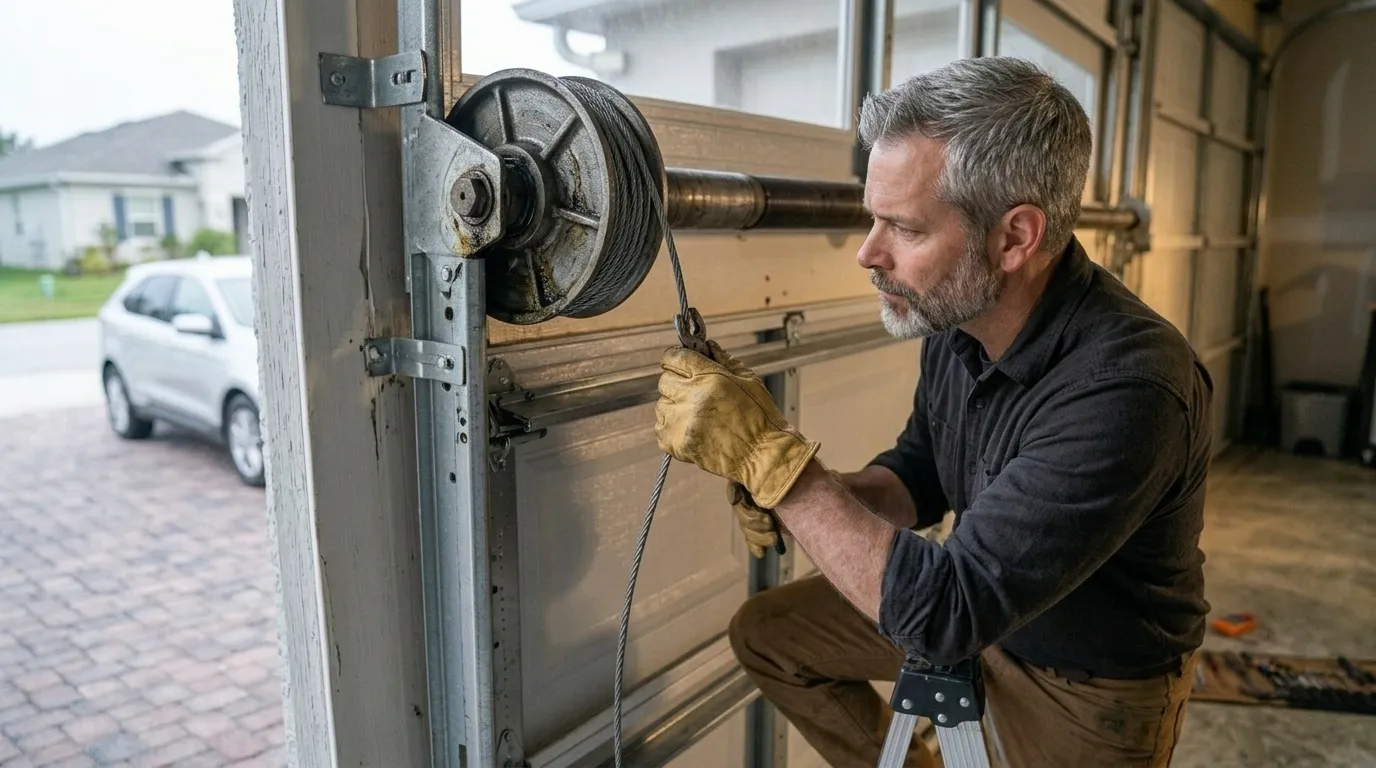
What usually gets someone calling isn't a door that won't open - it's a door that opens rough, drops crooked, or slams the last foot of travel. On a house built around 1957, that's almost always the original springs and rollers finally giving out after decades, not a sign the whole door needs replacing on its own. But once we're already in the garage for that call, a lot of homeowners here ask us to just quote the full install instead of patching hardware that's older than the roof.
That's a reasonable call to make once the door itself - the panels, not just the springs - is also showing its age: rust at the bottom panel, wood rot on an original wood door, or seams that have separated from sixty years of thermal movement. If the panels are sound and it's just tired springs and rollers, we'll say that too. Replacing a door that doesn't need replacing isn't a service we're interested in selling.