The Problem
A single-layer door on a pre-1960 house isn't broken. It's doing exactly what it was built to do, which is keep rain and animals out and add basically nothing in the way of insulation. That was fine when it went in. It's less fine now that the space behind it is finished, or storing anything that doesn't like heat swings, or attached to a wall that shares insulation with a bedroom.
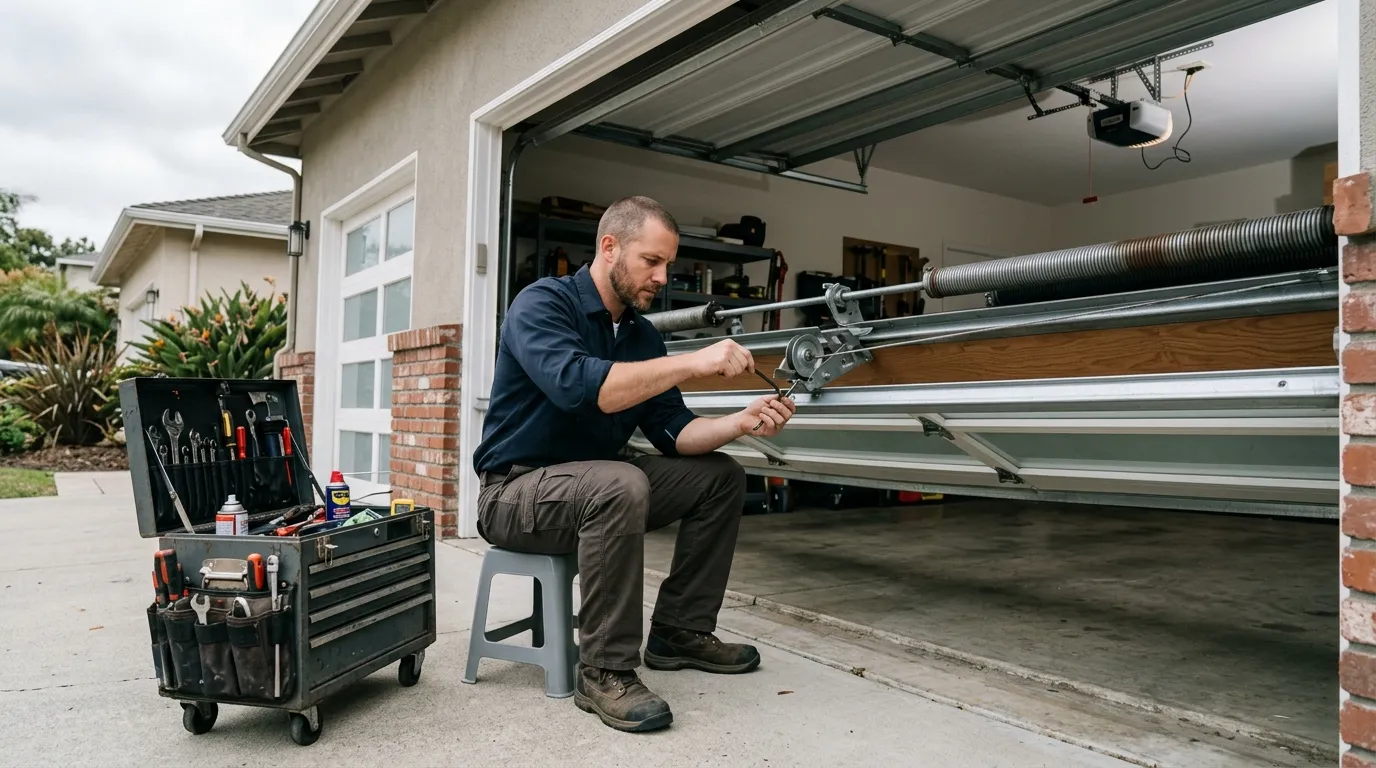
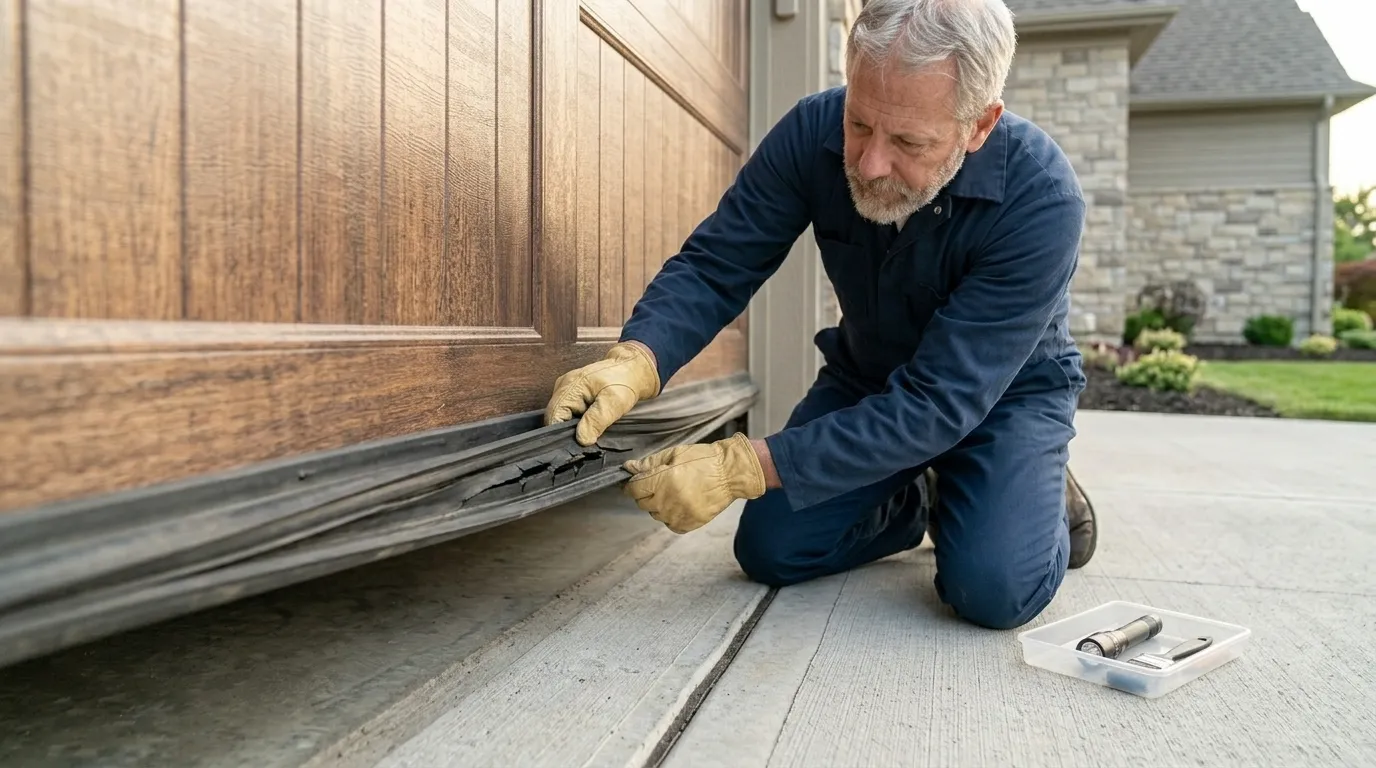
The steel itself ages the way you'd expect over 60-plus years: seams work loose, the skin oxidizes at the bottom where water sits, and the panel flexes more than it did new. None of that is dramatic. It's just wear that was never going to show up fast, because Burbank's climate band is moderate heat, not the kind of freeze-thaw cycling that cracks a panel in one bad winter. The damage here is slow and cumulative rather than sudden.
The real problem is that these doors were never engineered against a standard that didn't exist yet. You can't retrofit insulation rules onto a door built in 1959. You can only decide whether the door you have is still doing its job or whether it's time to stop patching a design that was already outdated when your grandparents' generation put it in.
Doing Nothing For Now
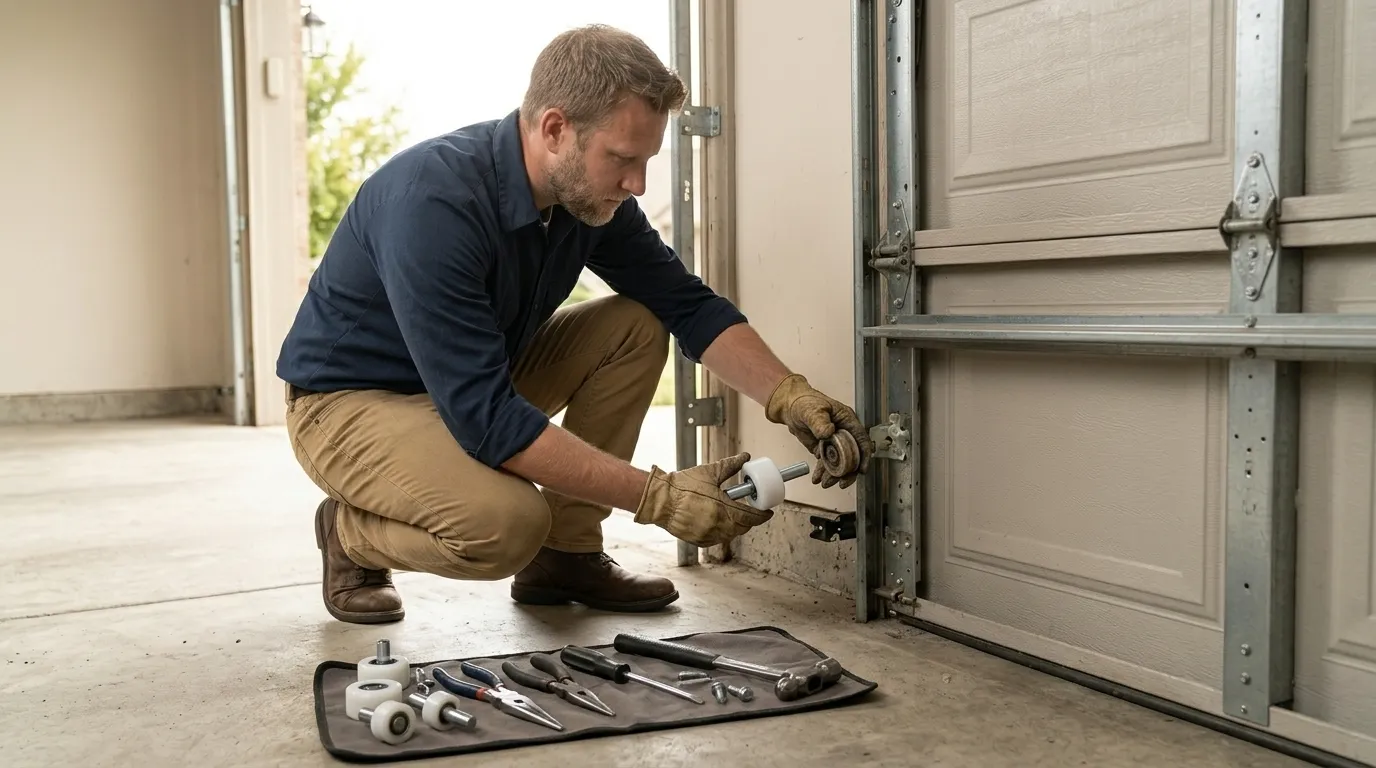
Doing nothing is a legitimate choice, and for a lot of these older doors it's the right one for a while longer. If the panel is straight, the seams are tight, and the track hardware still runs smooth, an uninsulated single-layer door can keep working for years past when you'd expect it to quit. Age alone isn't a reason to replace something that isn't failing.
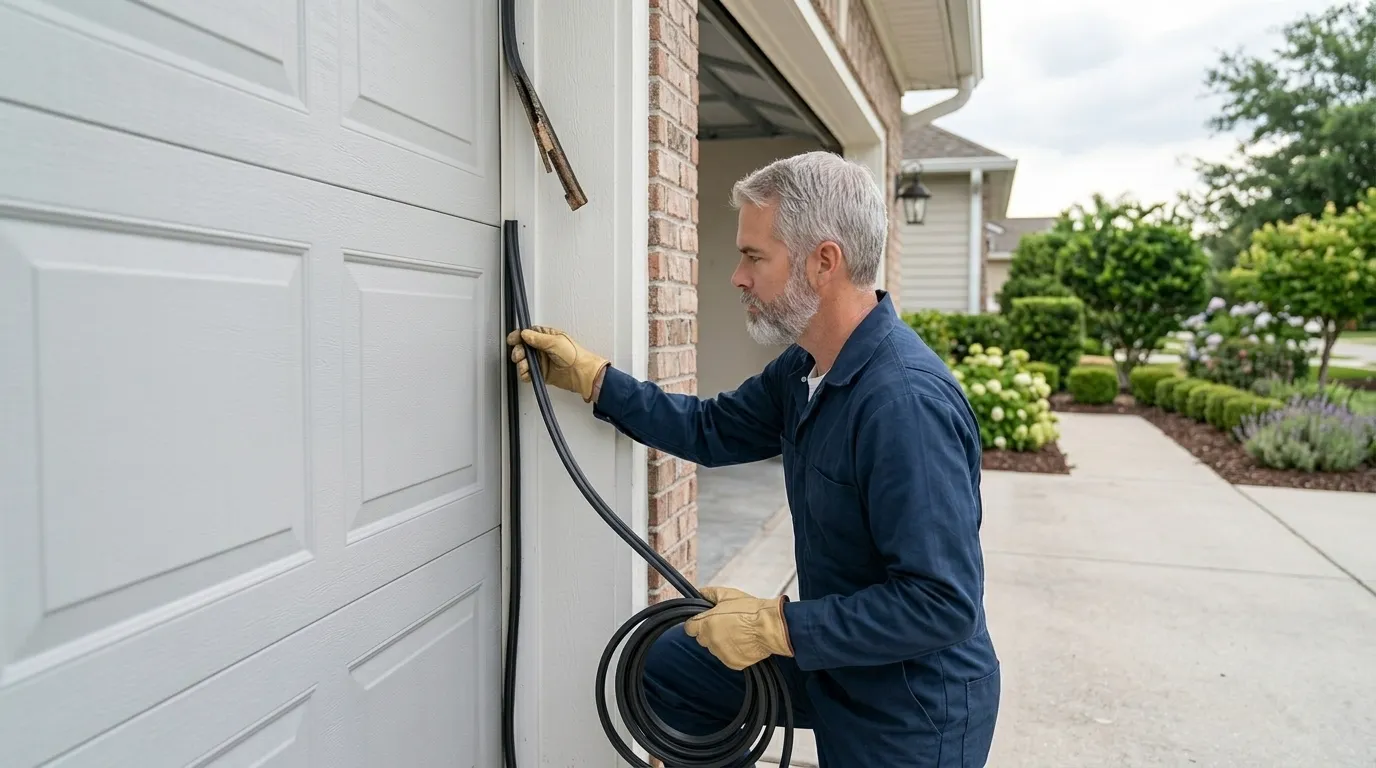
Where doing nothing gets expensive is when the door is the weak point in a garage that's been converted to living space or storage that matters. An uninsulated 1959-era panel next to a finished room means that room is fighting the door's thermal performance every day, and no amount of weatherstripping fixes a door with no core.
The honest limit here: we can't tell you from a description whether your specific door has another five years in it or six months. That call needs someone looking at the actual panel, the track wear, and the spring balance in person. What we can tell you is that a door built to no insulation standard at all isn't going to start meeting one on its own.