What Is Built Here
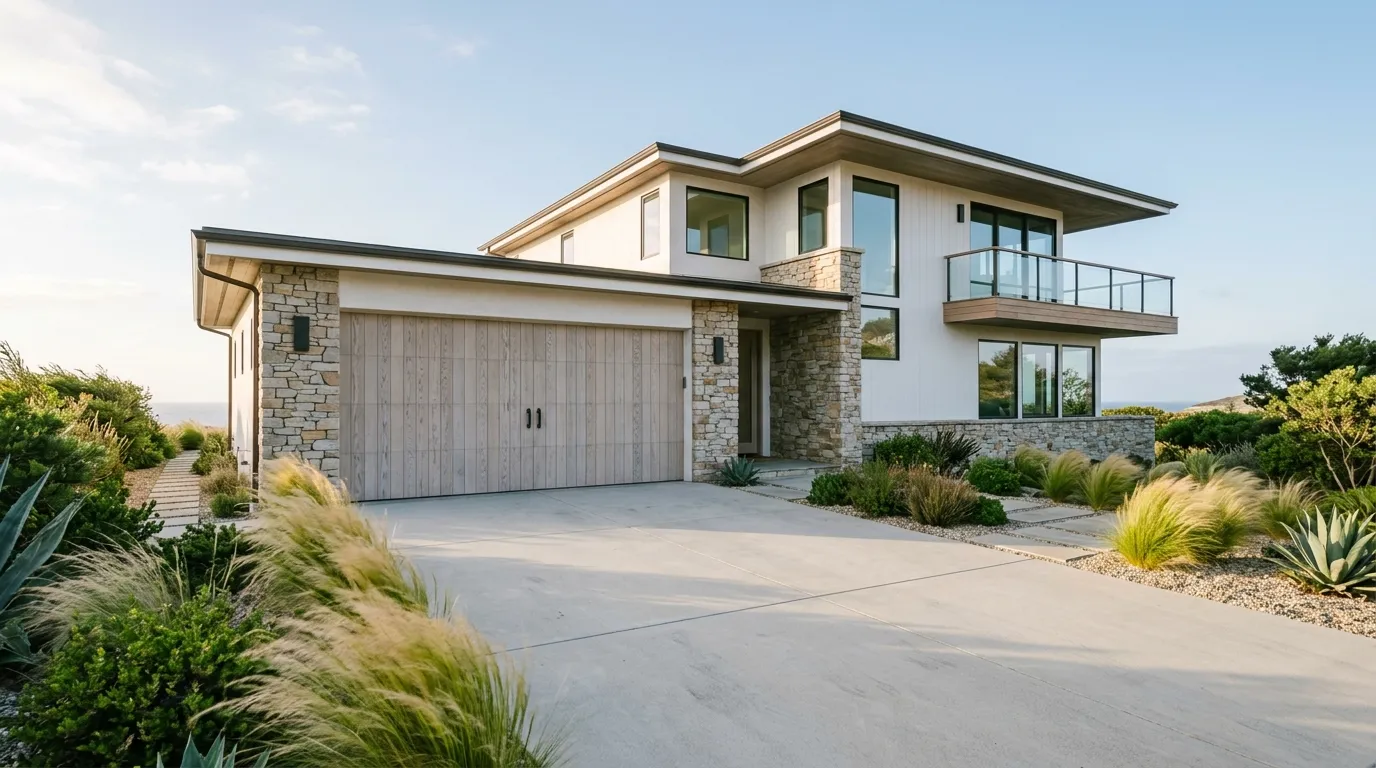
The housing stock across this side of the valley runs from 1943 up through 2012, with a median build year around 1959. That's a wide range, but the center of gravity is clear: postwar construction, garages sized for a single car or a narrow two-car bay, and openers that have usually been swapped out at least once by now even if the door itself is original.
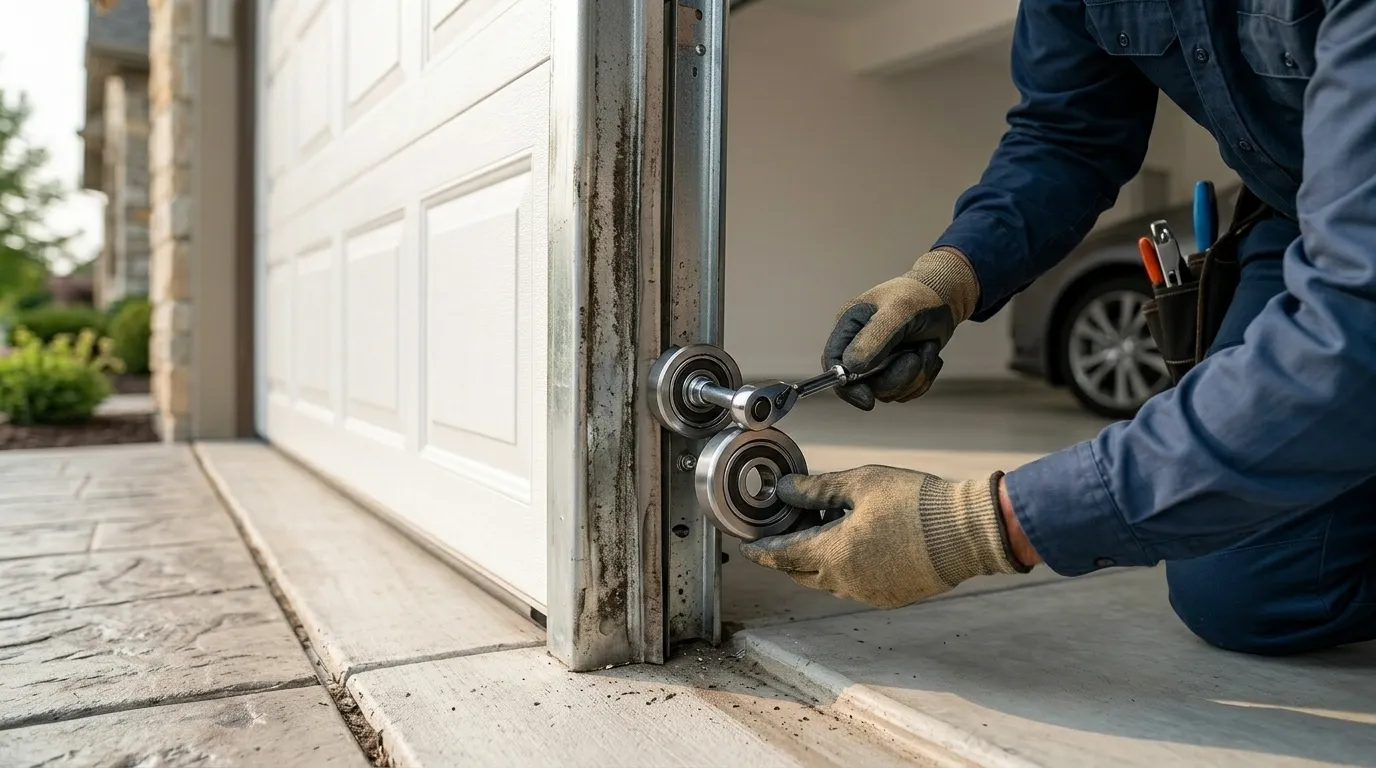
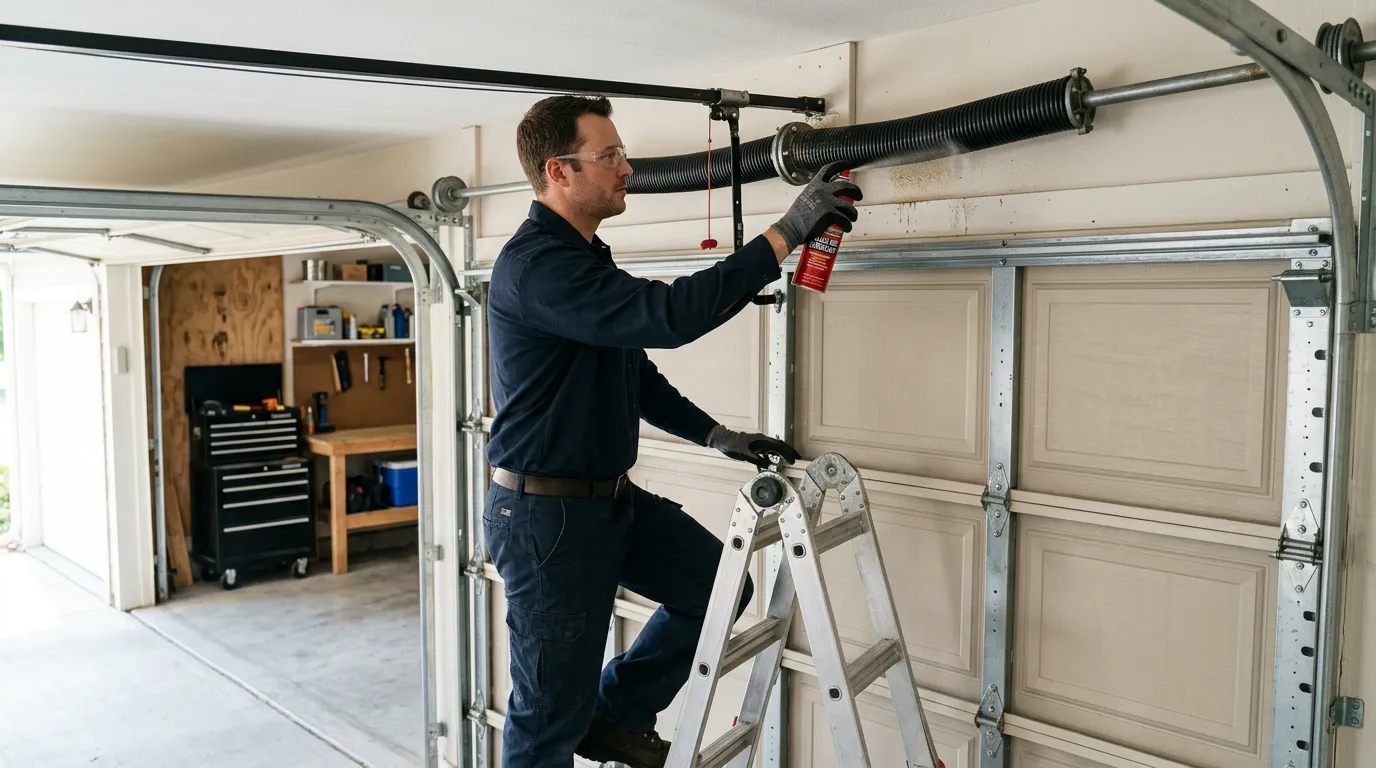
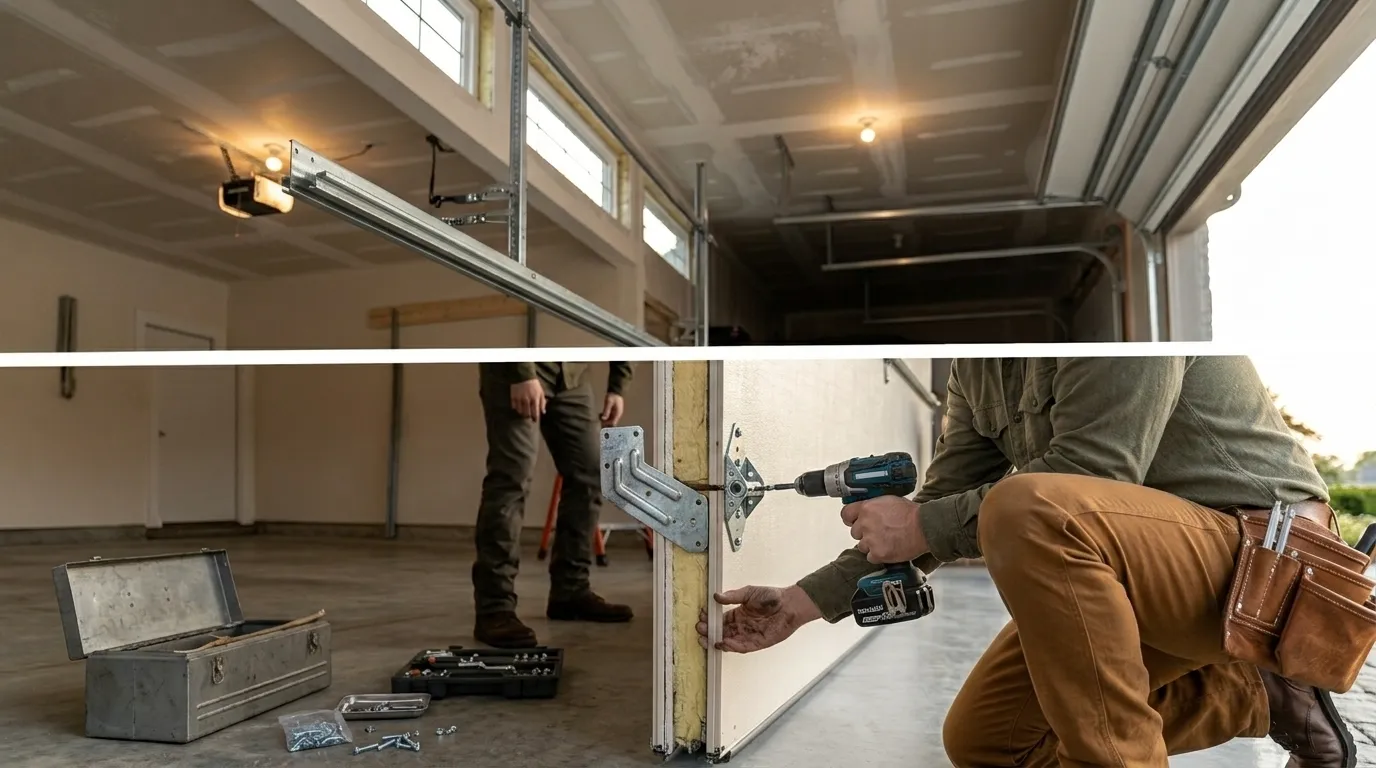
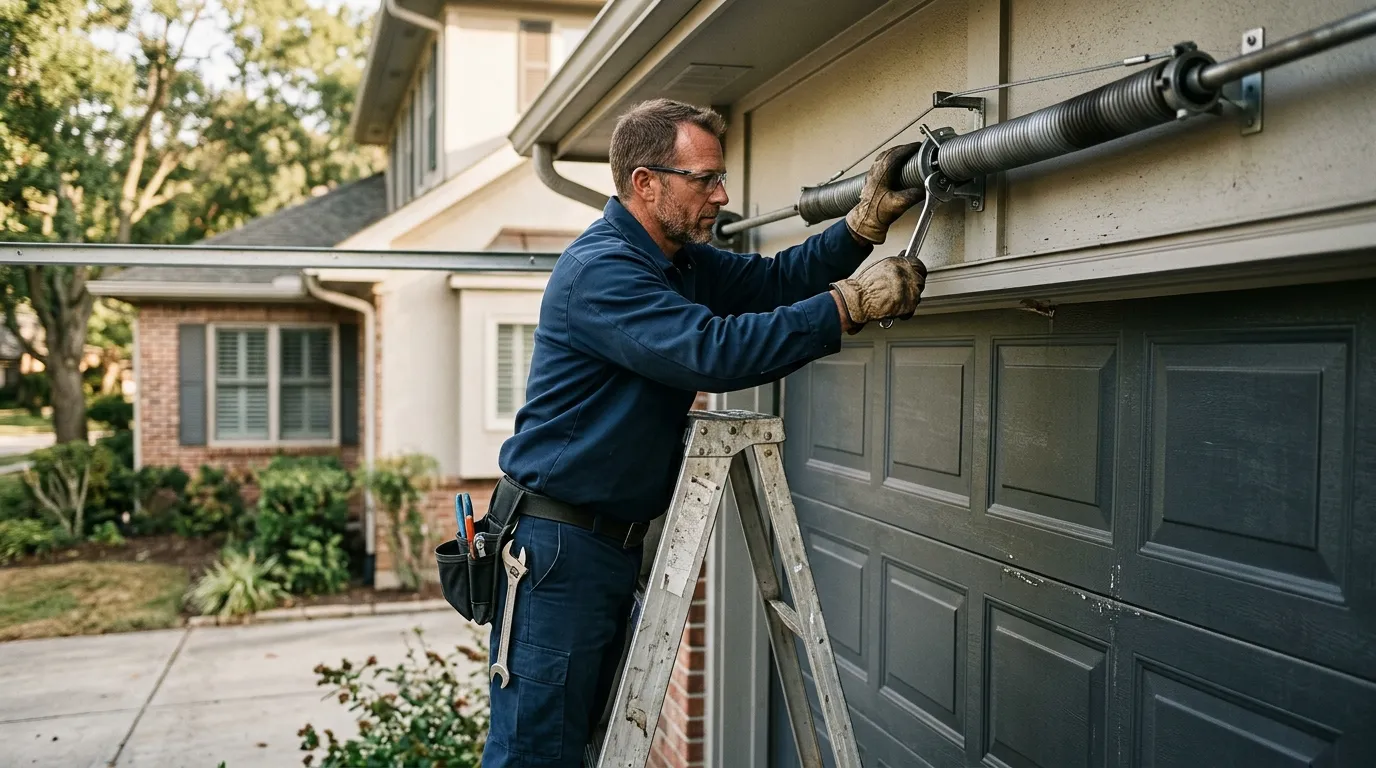
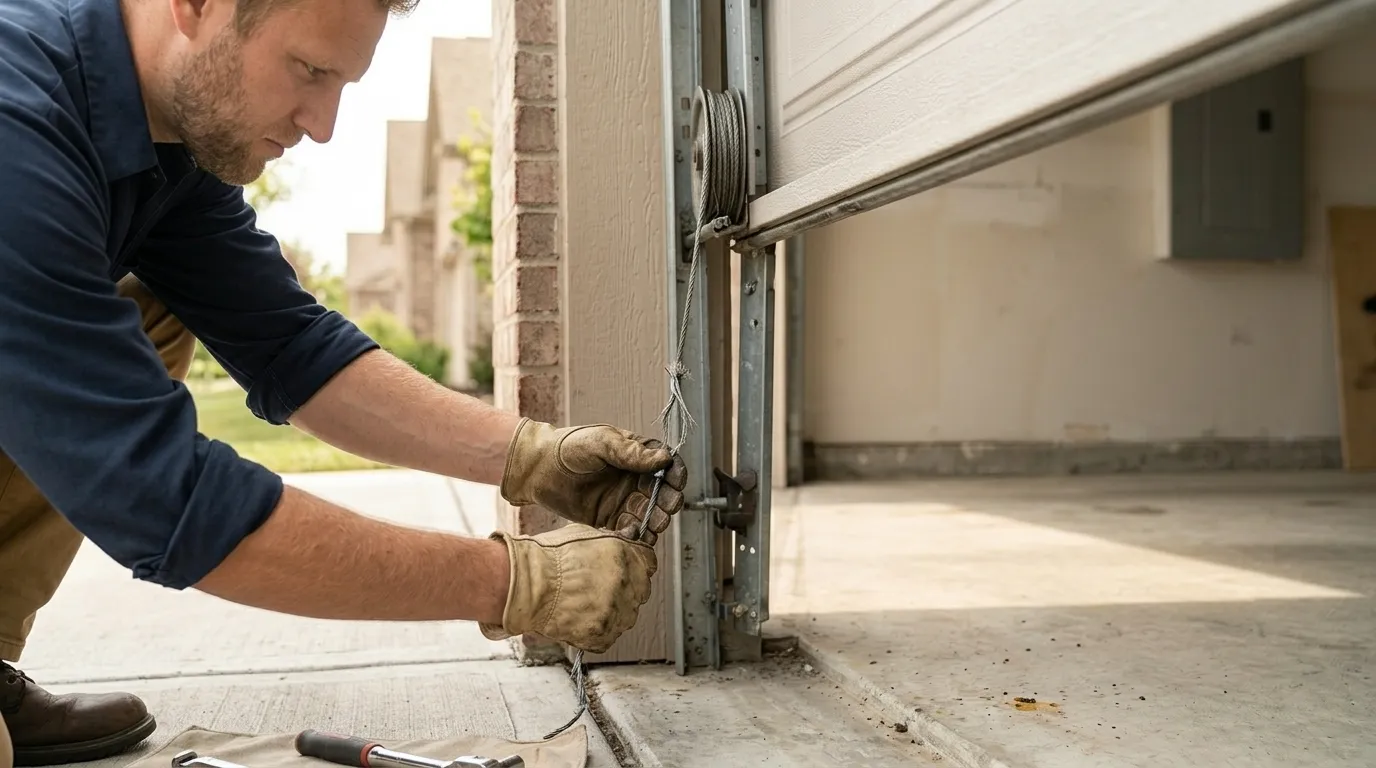
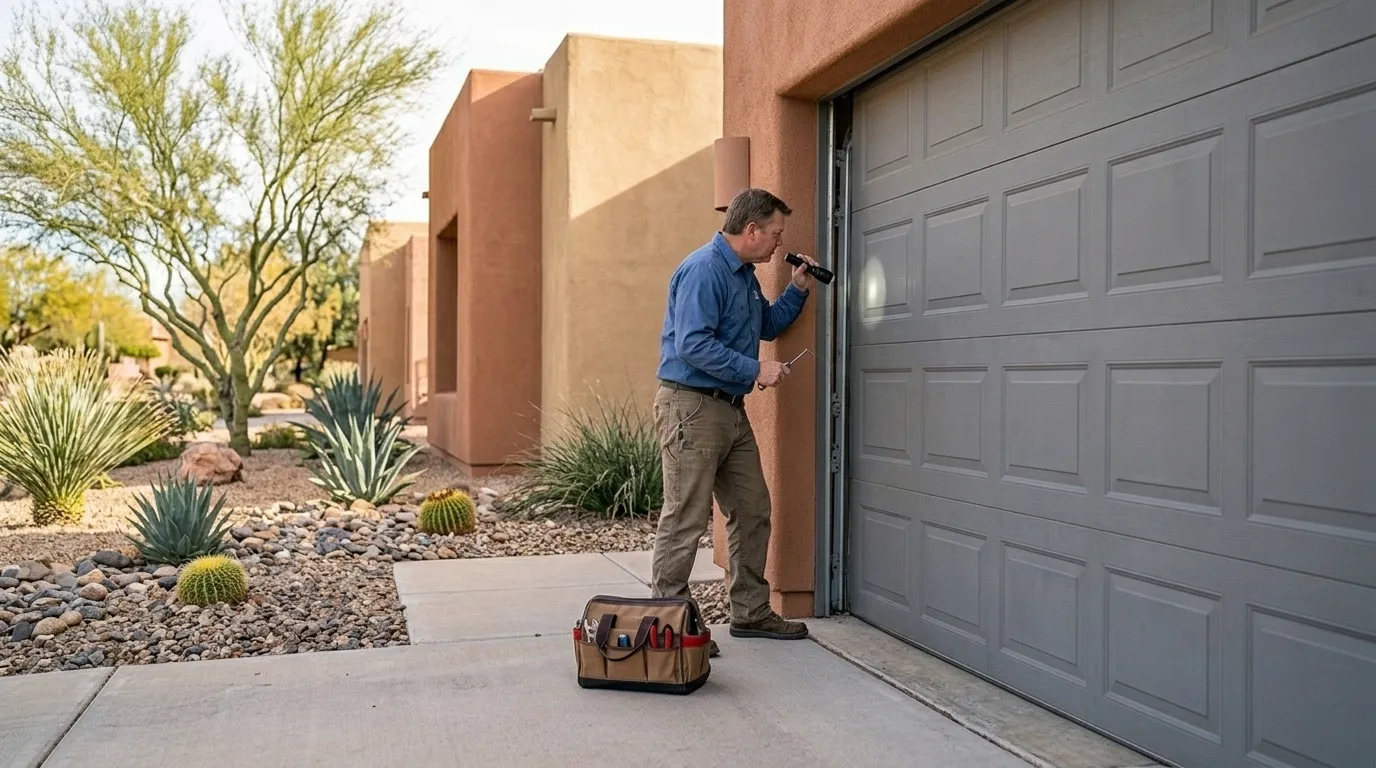
A door from that 1959 era is almost always a one-piece panel on side-mounted torsion hardware, or an early sectional retrofit bolted onto the same jamb. Both designs use spring sizing and drum hardware that current manufacturers don't stock as standard parts anymore. We carry what fits; we don't force a modern kit onto old track just because it's faster.
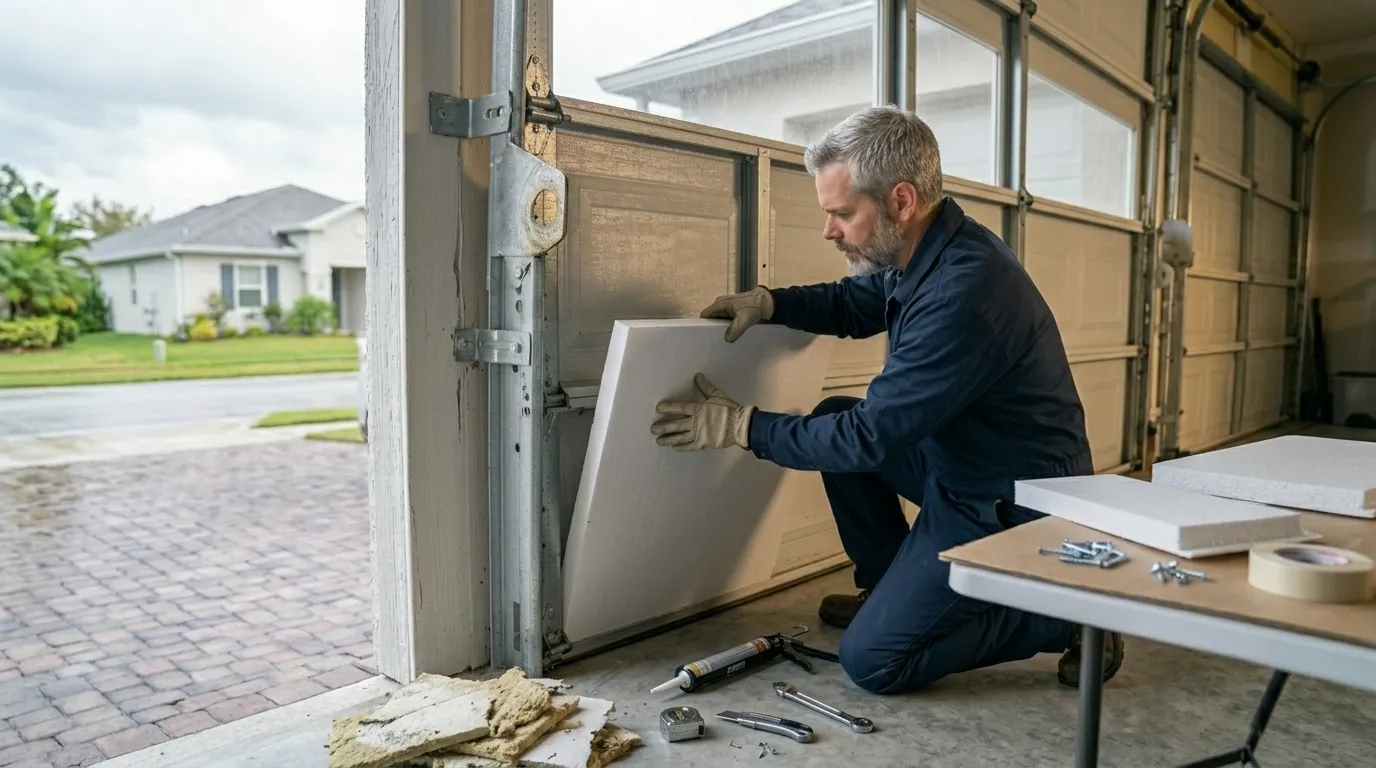
The climate here is rated moderate on the heat scale, which is good news for the doors themselves. Steel panels and nylon rollers don't take the beating they would in a harsher swing climate, so when something fails in North Hills West, it's almost always wear and age catching up with original-era hardware, not weather damage. That's a simpler diagnosis, and usually a cheaper one.
Where This Is
North Hills West sits roughly ten miles west-northwest of the Burbank center, out past the areas we already work regularly. Panorama City and Arleta both sit about seven miles out on that same WNW line, so North Hills West is a few more miles down the same stretch of the valley, closer to the edge of where we run trucks on a given day.
We're not going to name cross streets or shopping centers we haven't been given, and we won't pretend to know a landmark that isn't in our records. What we can tell you is the direction and the distance, and that it puts this neighborhood on the far side of our normal route, which is worth knowing if you're scheduling and want to line up a call with other stops we're already making that day.