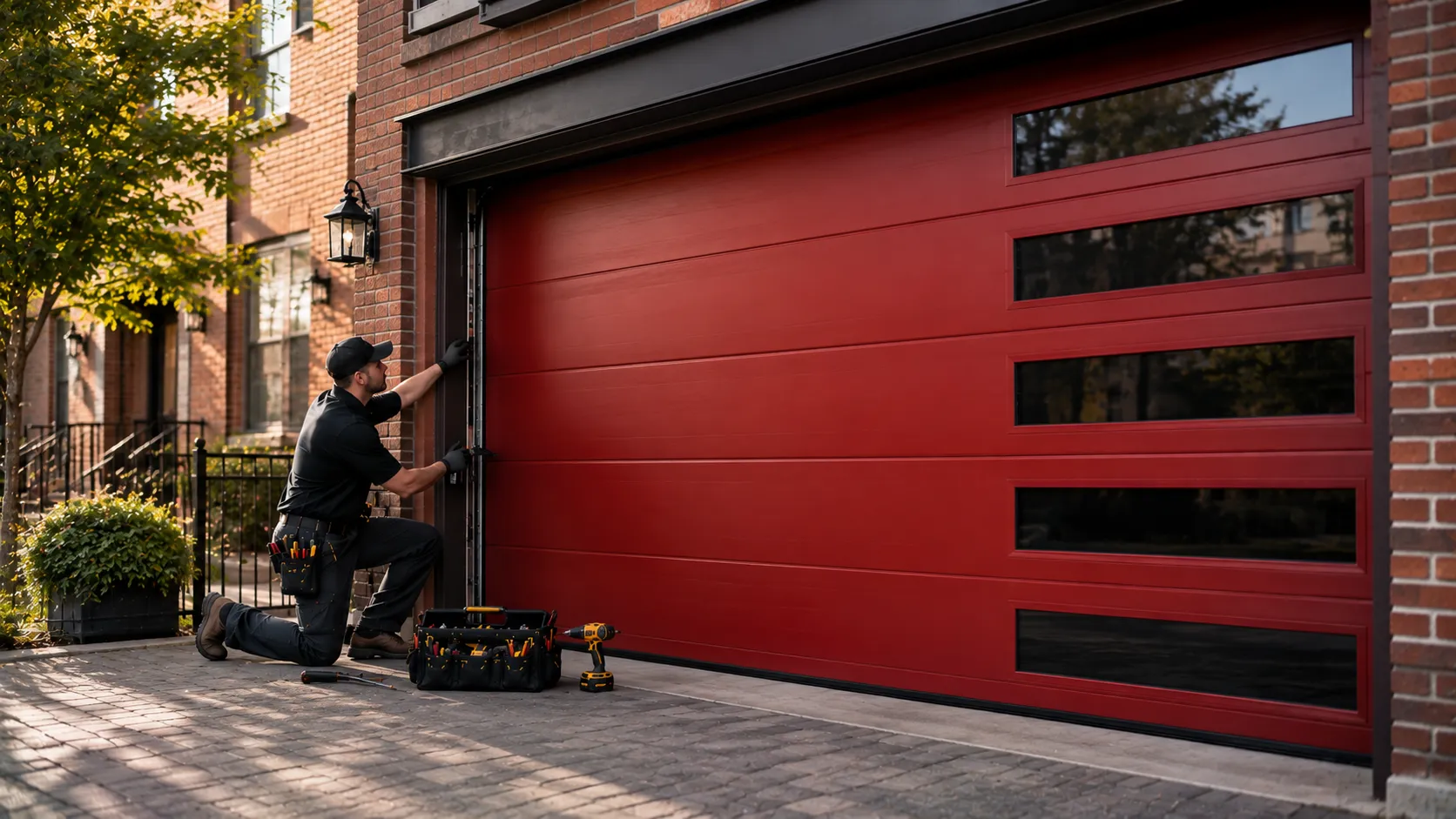
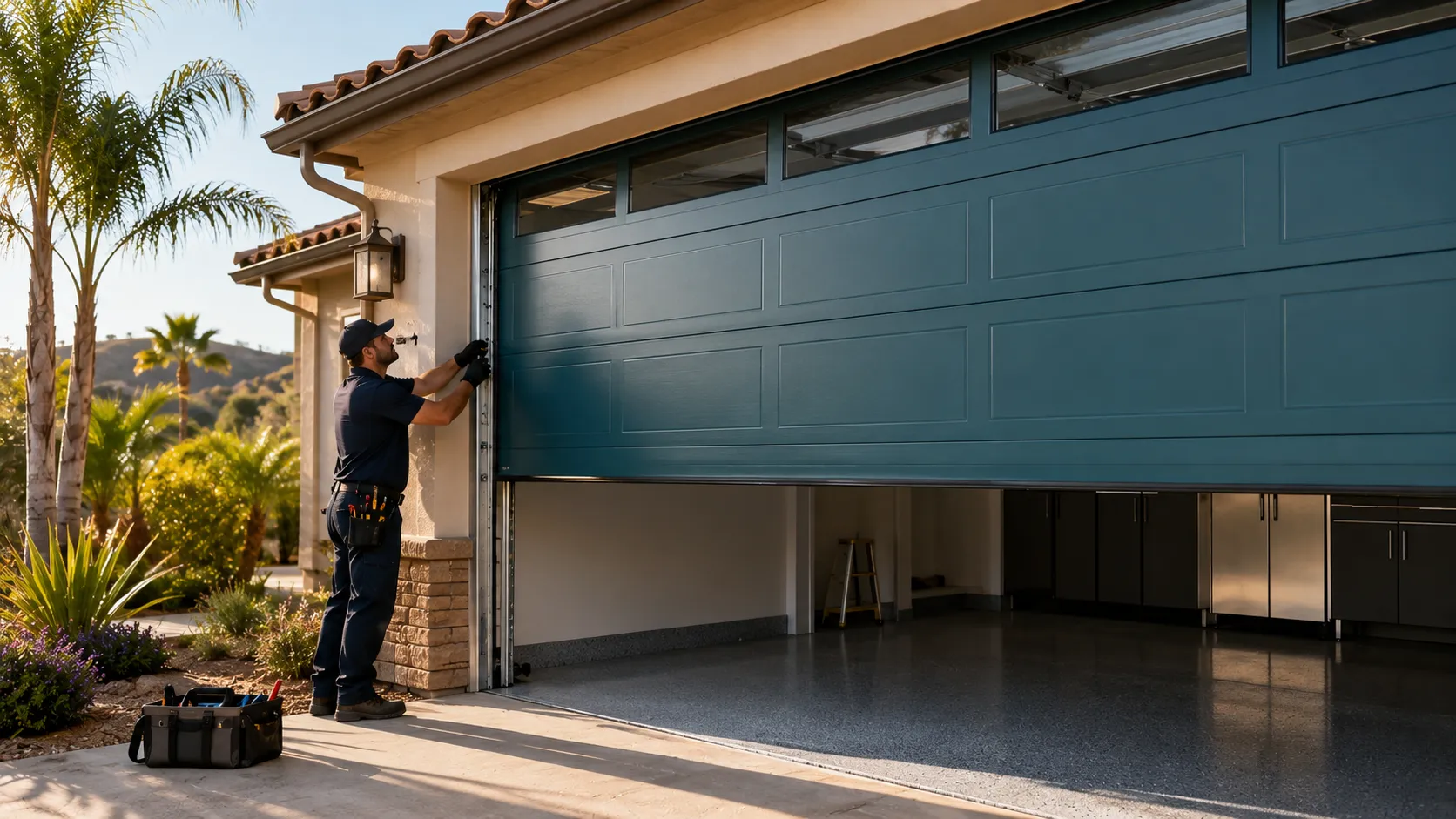
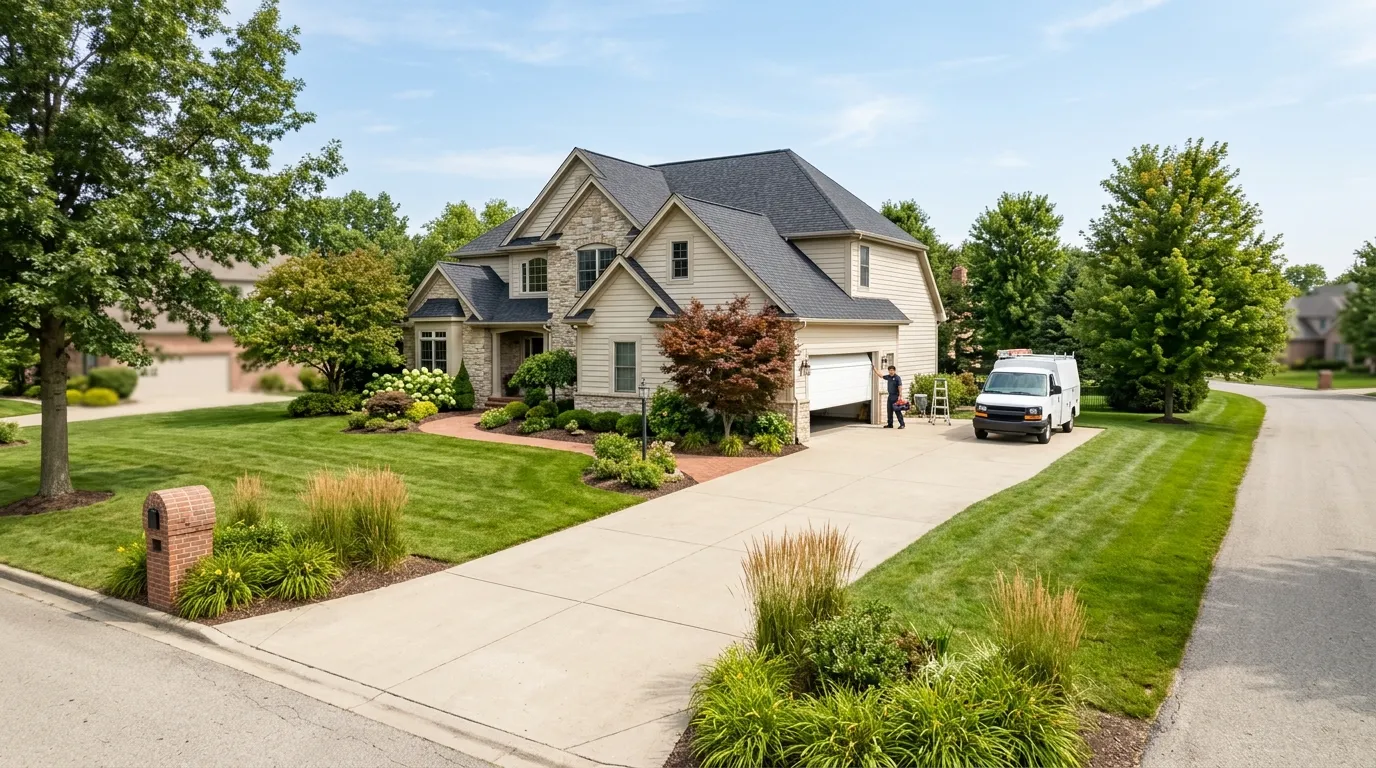
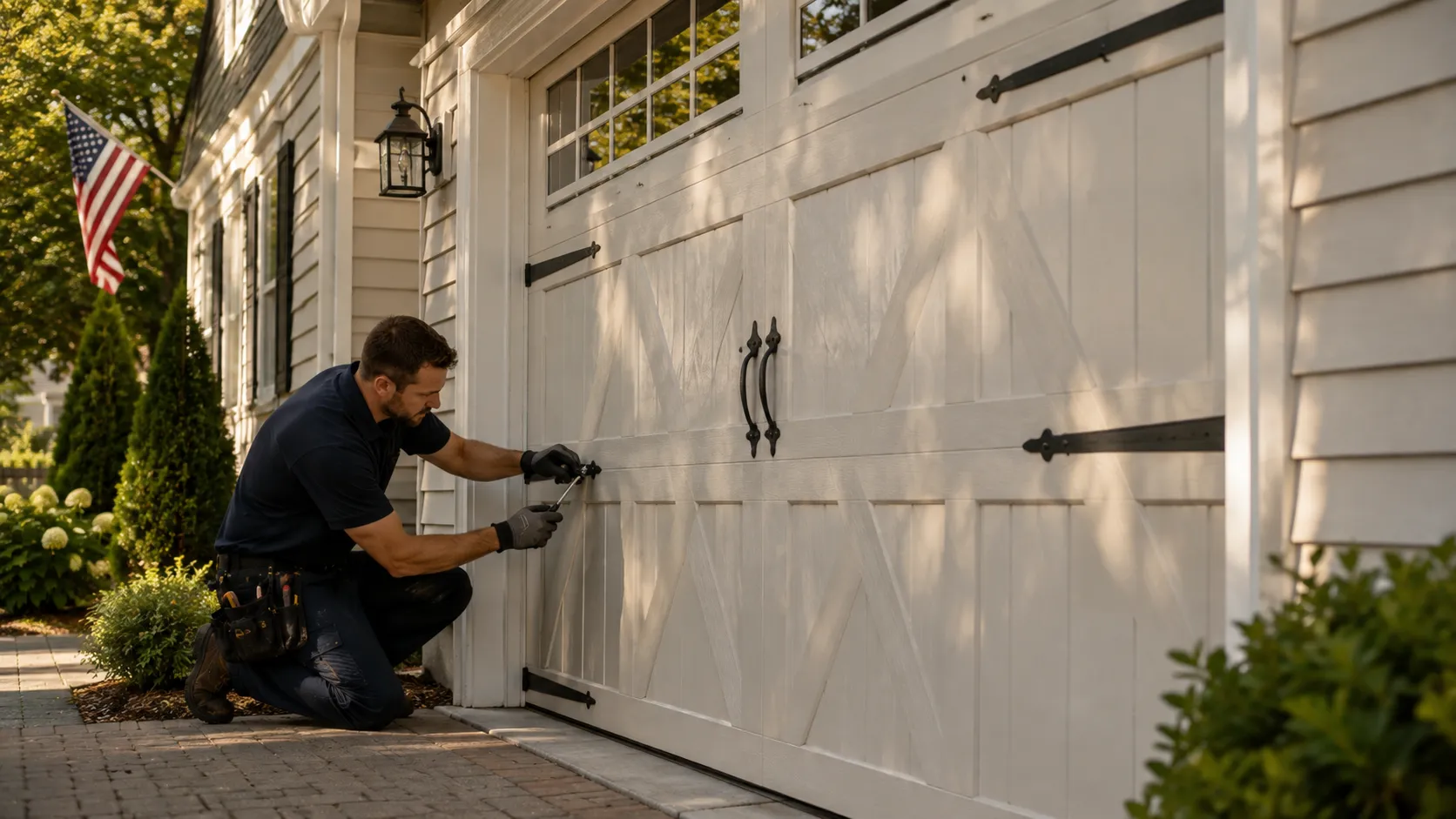
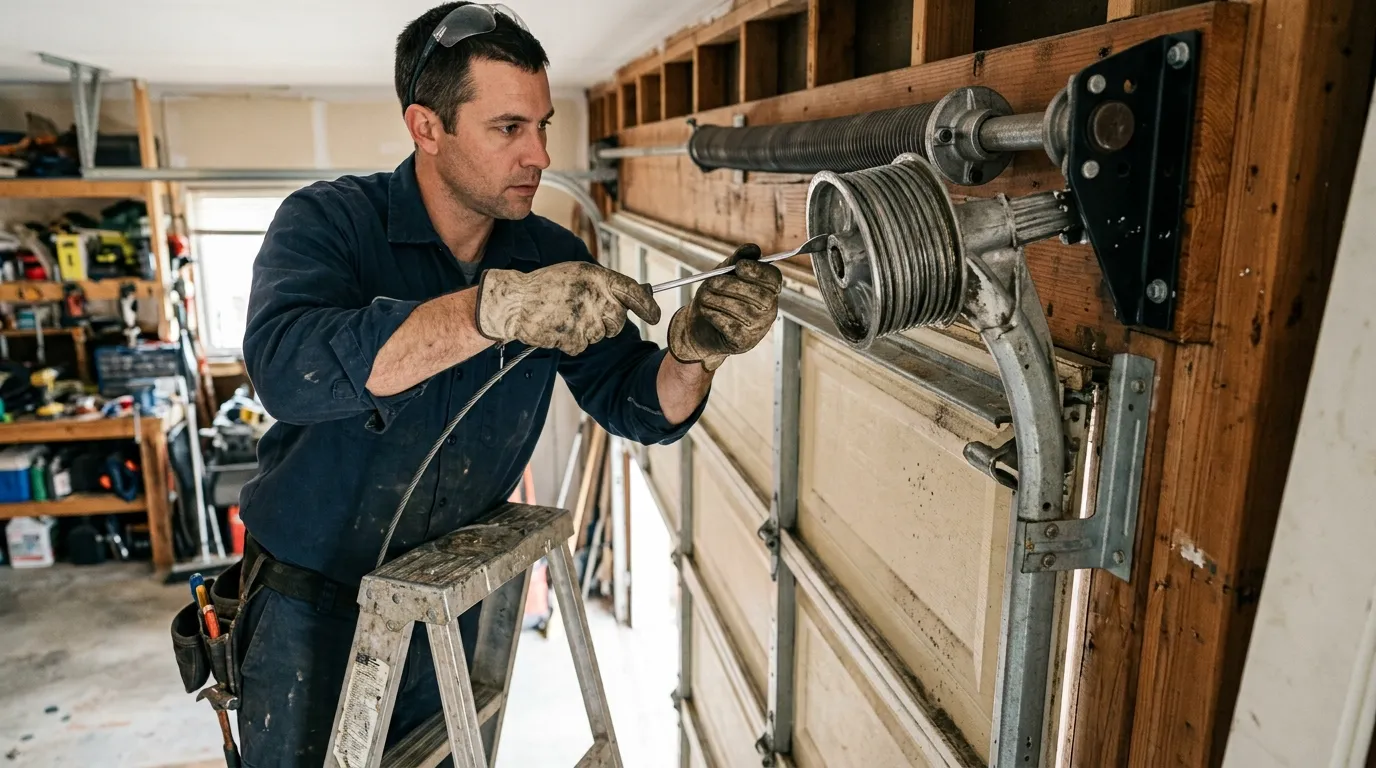
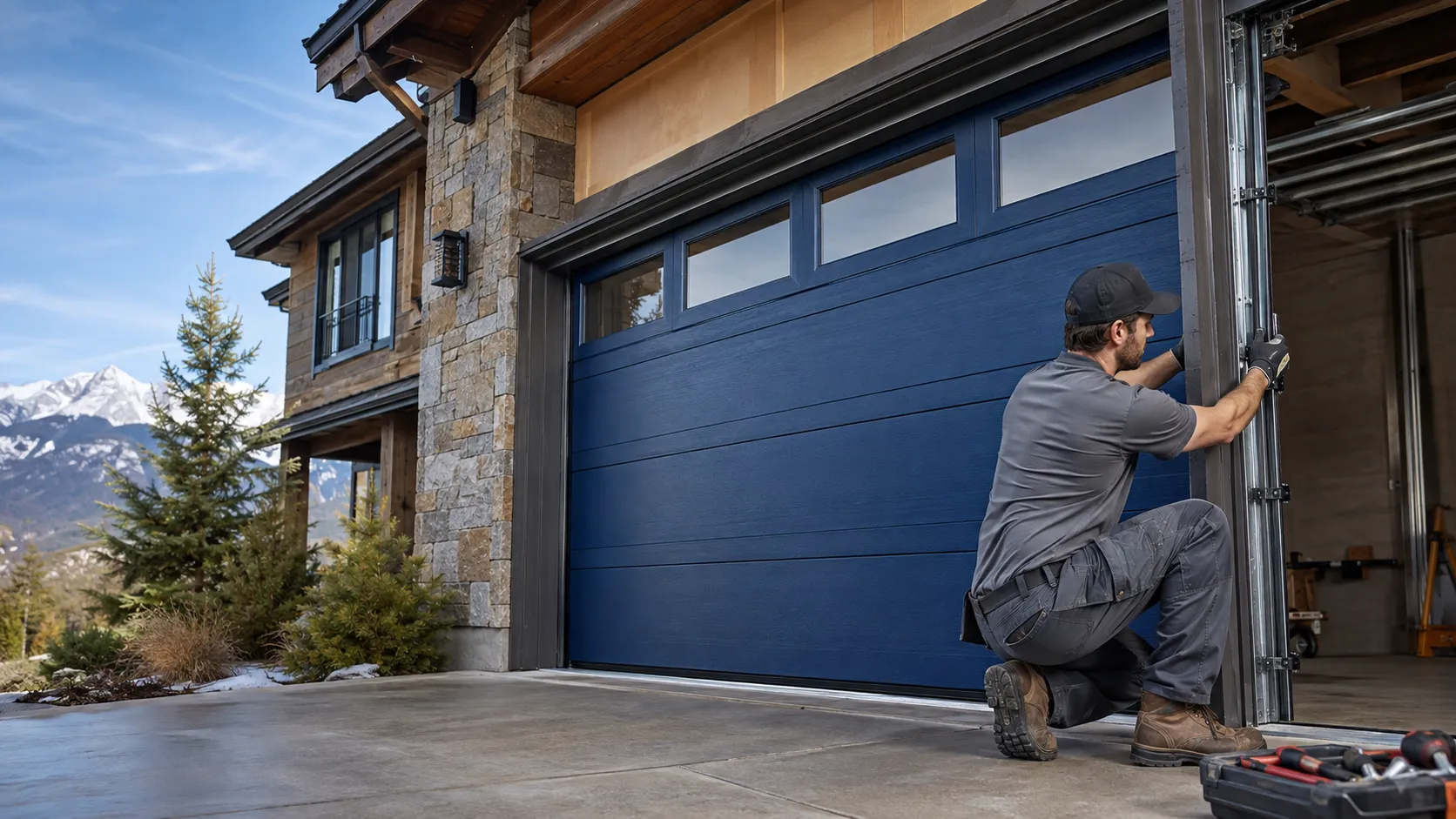
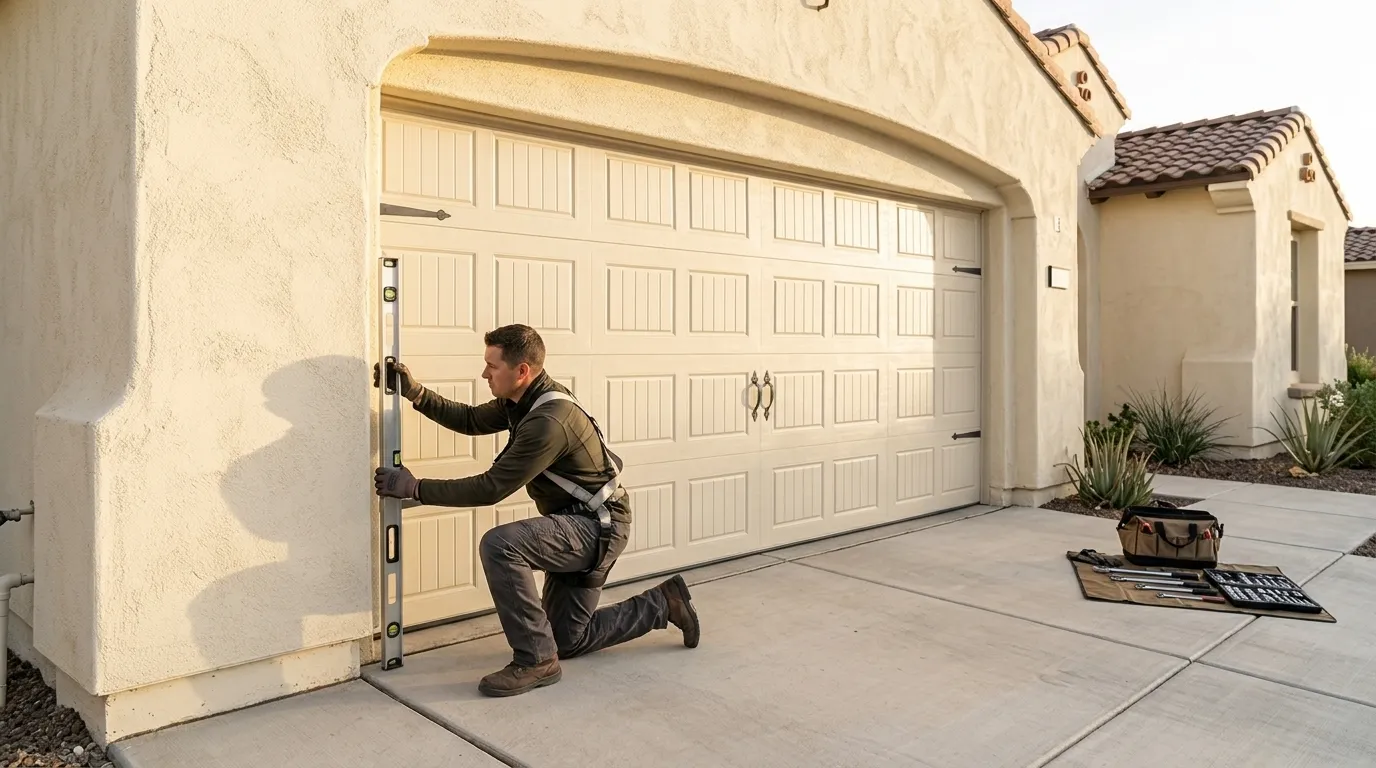
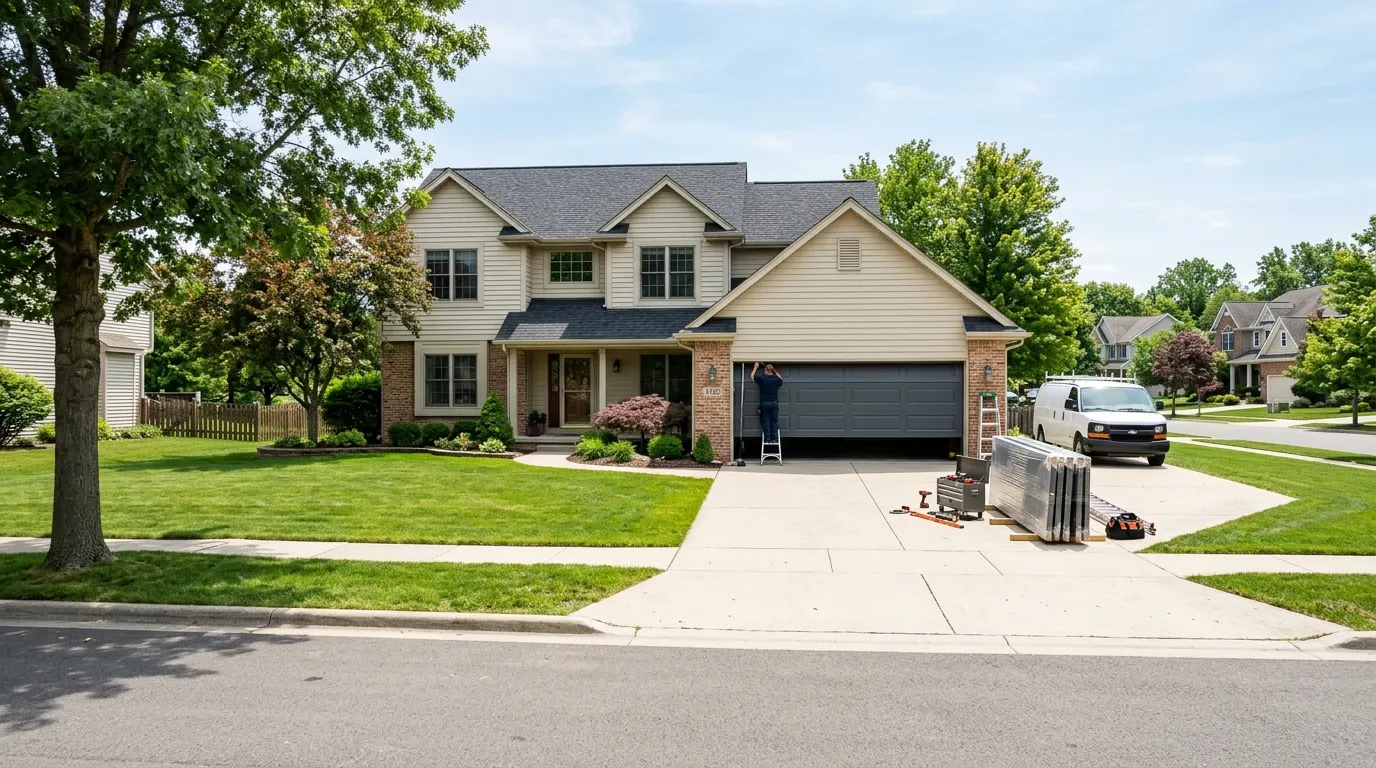
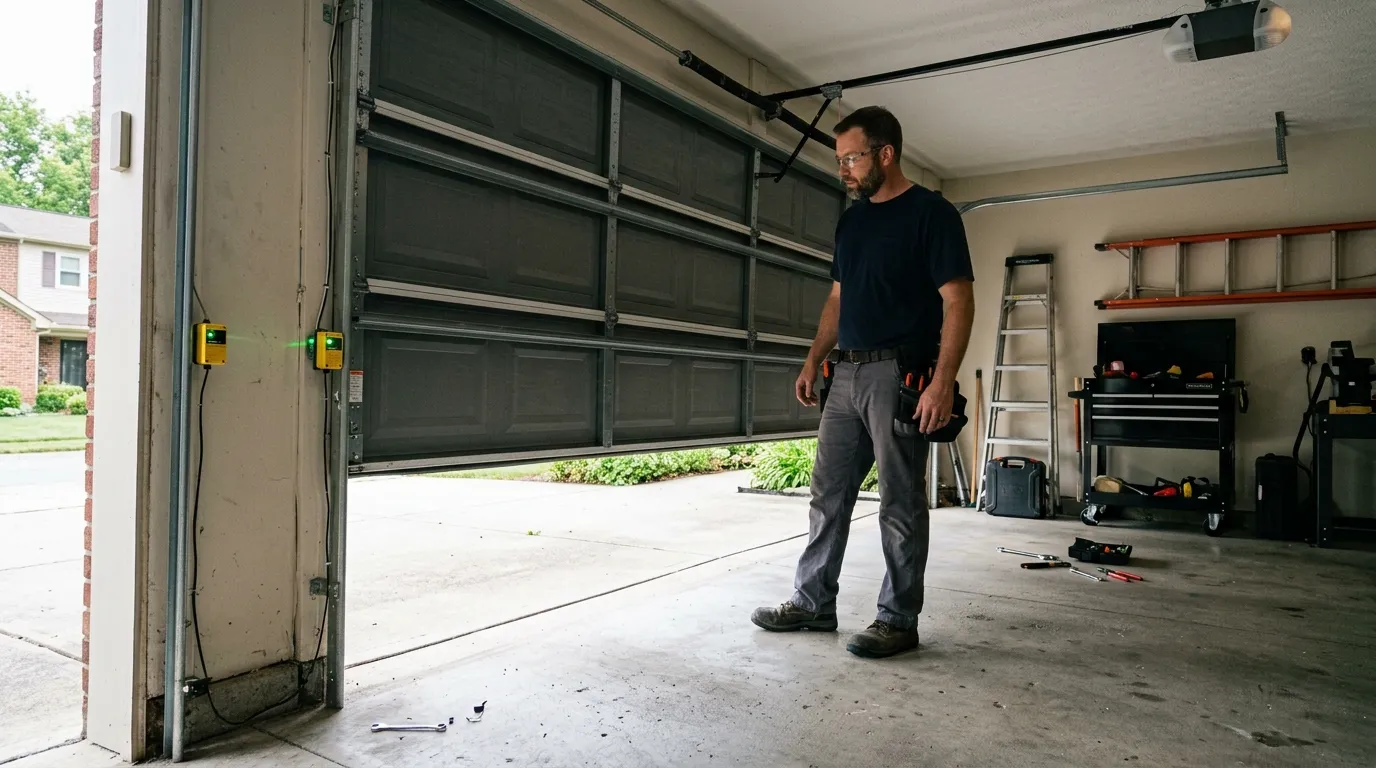
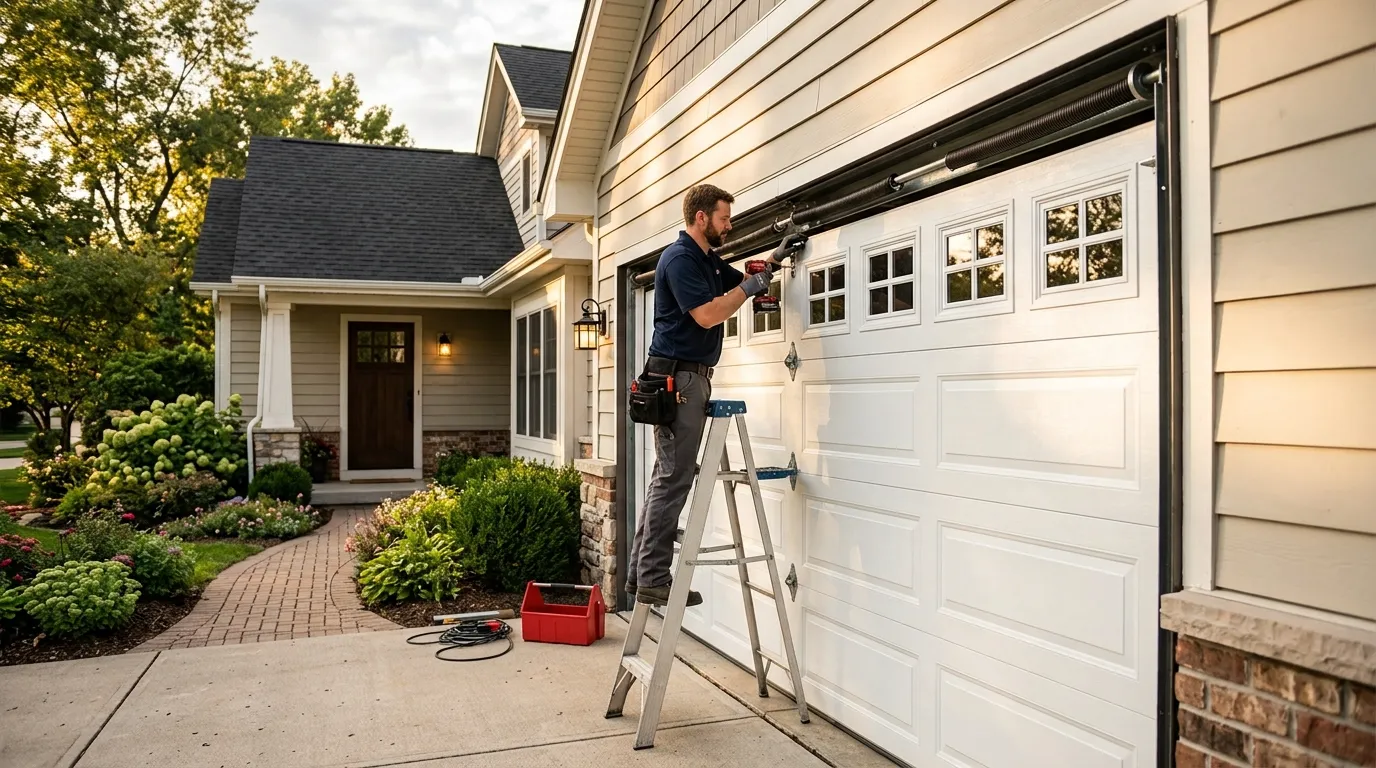
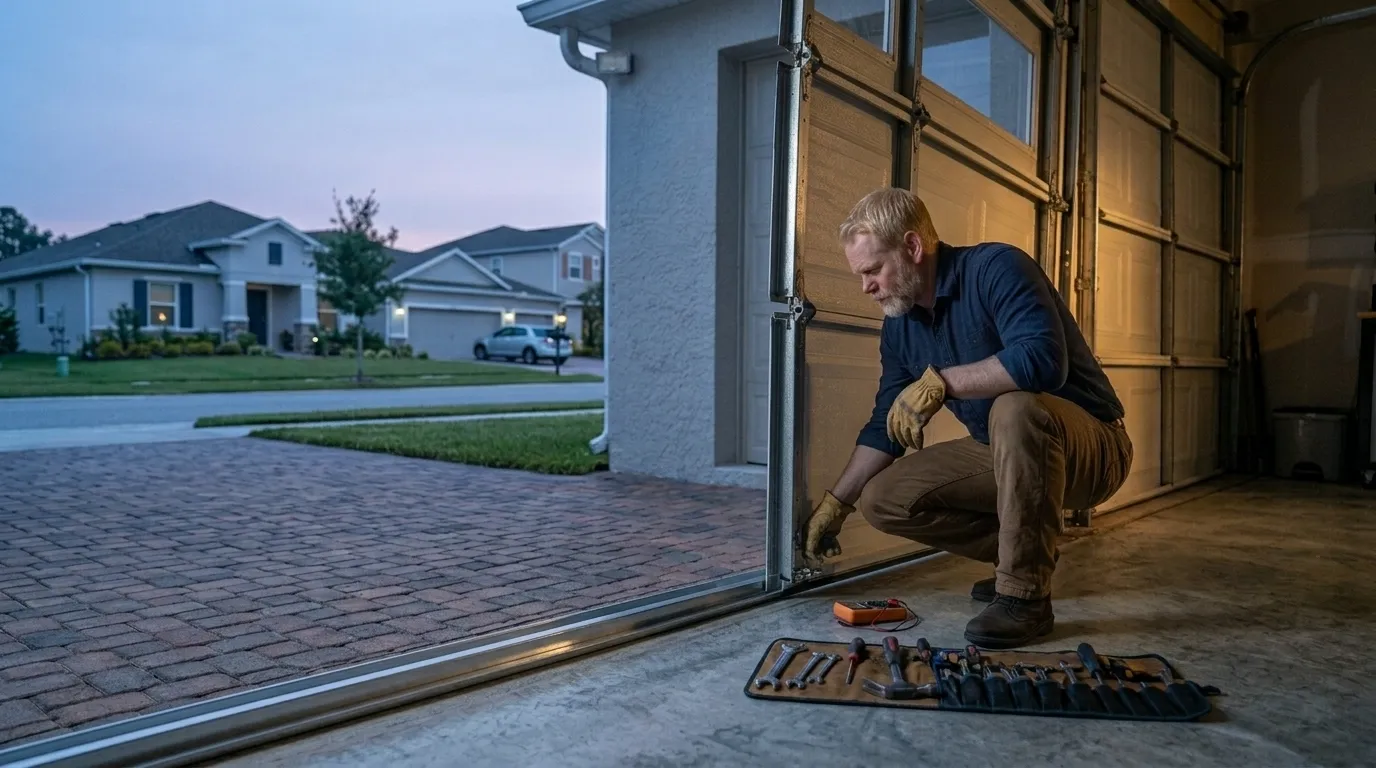
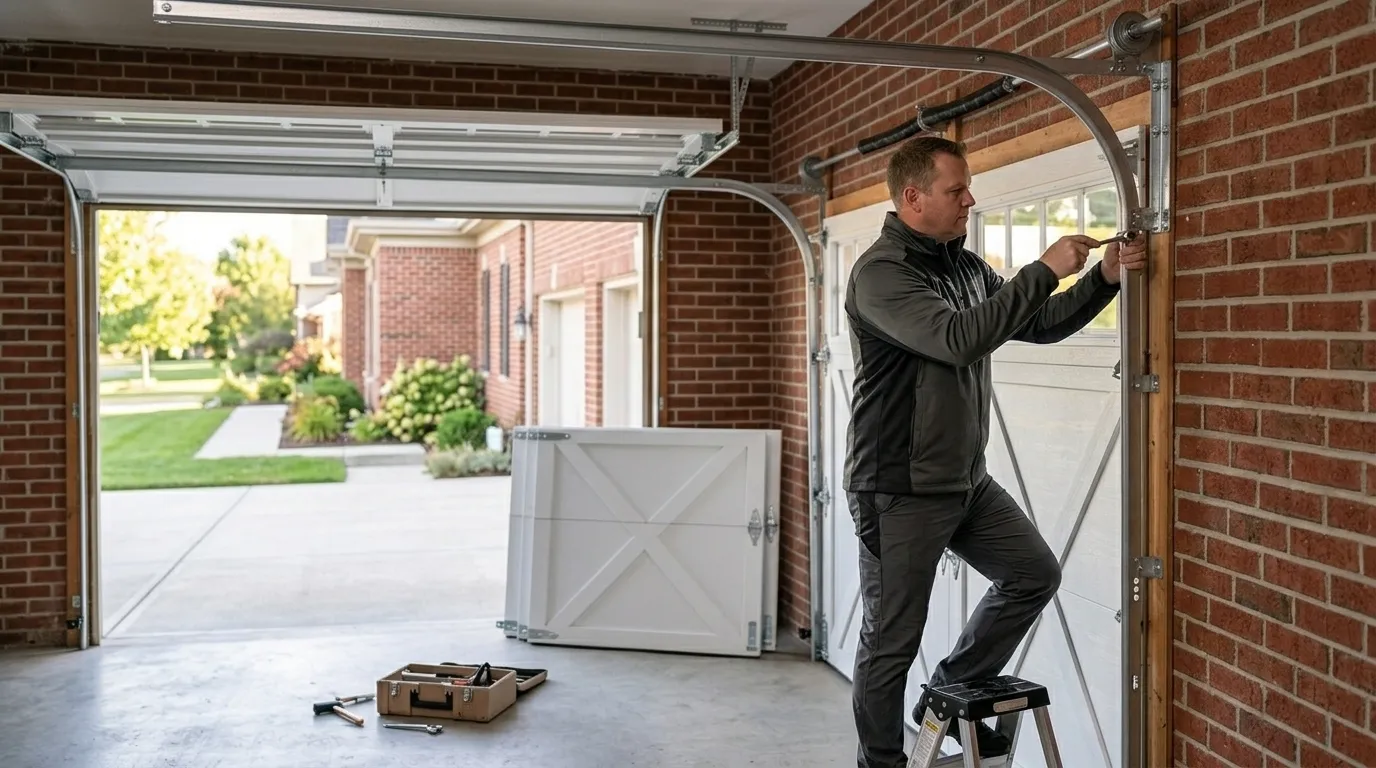
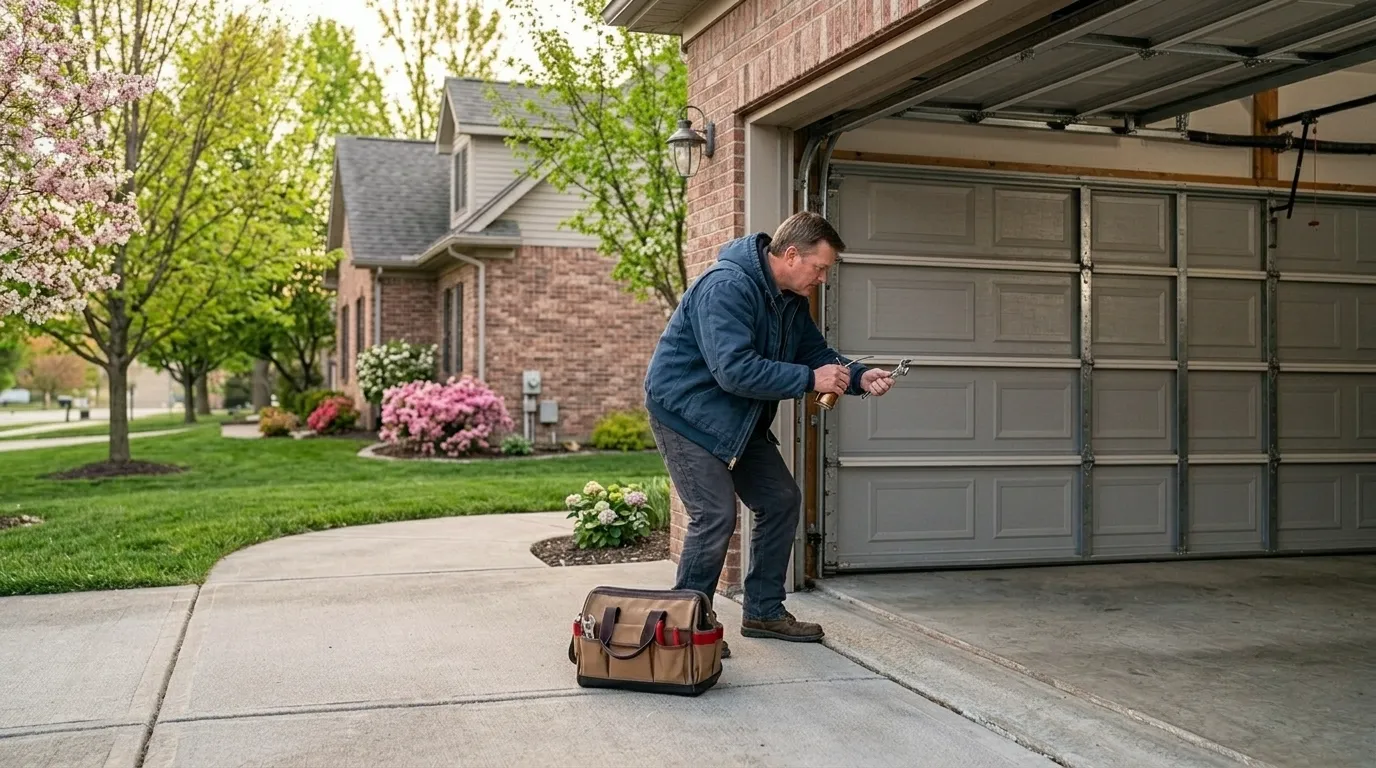
North Hollywood sits four miles west of Burbank's center, closer in than most of the named areas we work in. It's an older pocket of the valley floor, built up mostly through the 1950s and 60s, and that shows up in the garage doors we get called out to fix here: original steel sectional doors on side-mounted torsion springs, openers from a couple of upgrade cycles ago, and tracks that were never sized for today's insulated panels. We don't have street-level detail for this specific neighborhood, so we're not going to pretend we do - no landmark names, no block-by-block claims. What we can speak to is the housing era and what it means for the hardware behind the door. Climate-wise, this stretch of the valley runs a moderate heat band, which matters more for spring fatigue and nylon roller wear than for anything dramatic. If you're calling about a door that's stuck, grinding, or won't close square, the age of the house usually tells us more than the symptom does before we even get there.
What Is Built Here
Housing across the wider service area runs from 1943 up through 2012, with a median year of 1959 - and most of the 45 named areas we track, North Hollywood included, lean toward that pre-1960 end rather than the newer end. That's the number that matters more than any single street: a door installed when a house was built in the late 1950s is a door on hardware that's been repaired, not replaced, more than once by now. Original one-piece or early sectional doors on those homes often ride on tracks and drums that don't match what's sold off the shelf today, which means a spring swap or roller job on one of these houses takes a little more measuring than it would on a house built in 2005. We don't assume every house on a given block is 1959 stock - some lots have been rebuilt, some doors already replaced - but the odds favor older hardware here more than they don't. If your door was installed within the last decade, most of what follows in this page won't apply to you, and that's fine; newer stock is a different, shorter job.
Where This Is
North Hollywood sits about four miles west of Burbank's center, which puts it closer in than a fair number of the areas we cover. It's nearer to Burbank than Toluca Lake, three miles southwest, or the NoHo Arts District, three miles west-southwest - both sit closer still, while Studio City runs five miles southwest and Valley Village sits four miles west-southwest, right around the same distance out. Valley Glen, six miles west, and Sun Valley and Shadow Hills, both four to five miles north and northwest, all sit farther from the center than North Hollywood's four-mile mark. Farther out again, Panorama City and Arleta run about seven miles northwest - nearly double the distance. None of that changes how a spring or opener job goes, but it's useful for knowing where a call falls relative to the rest of the area we serve, and it's the kind of detail that's easy to get wrong if you're not looking at the map.
Typical Work
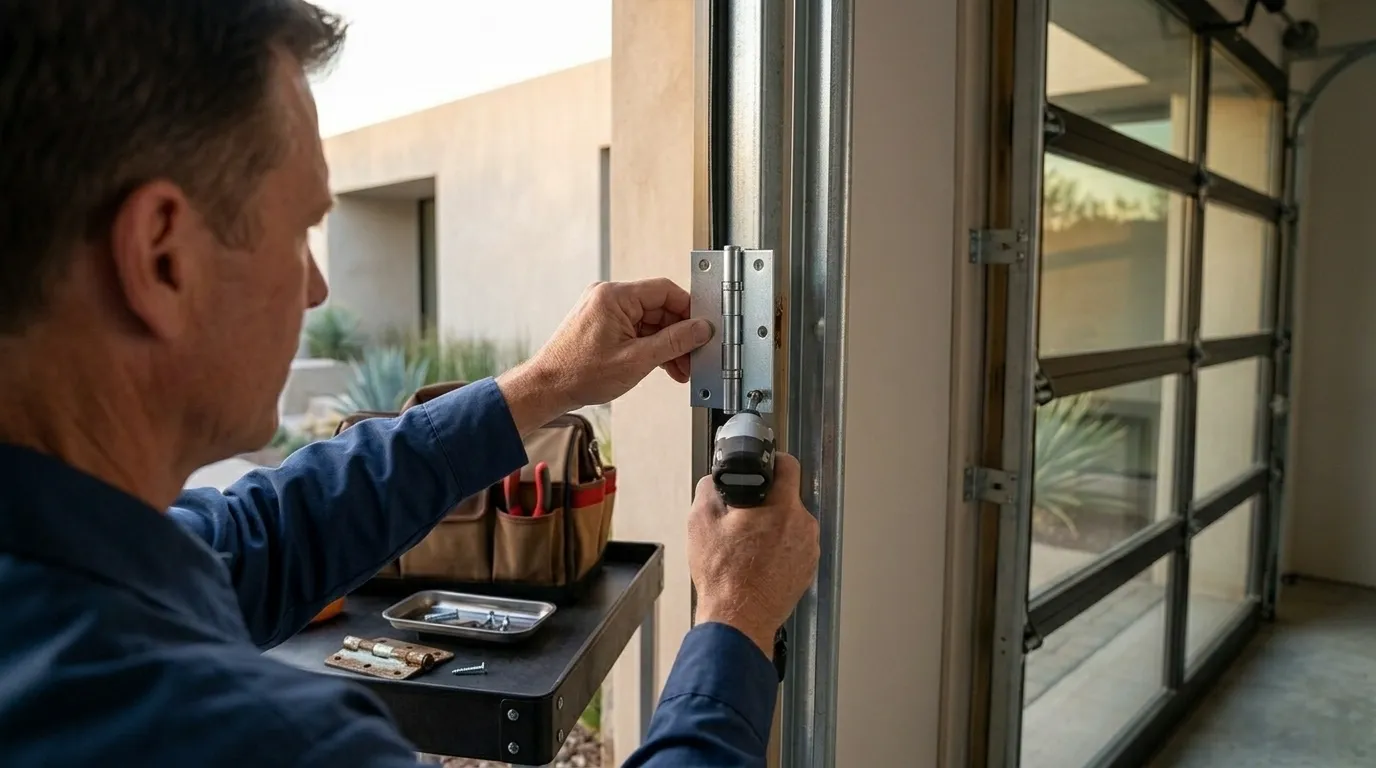
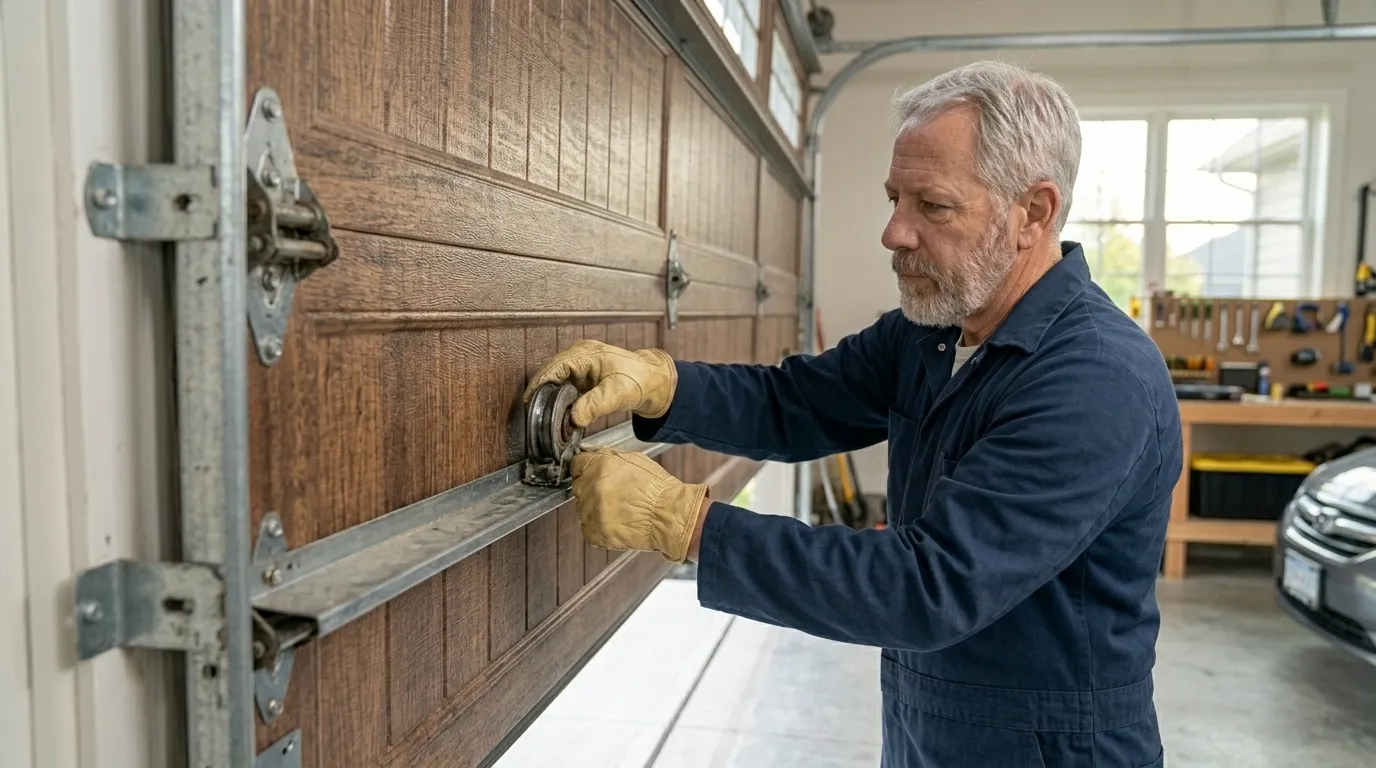
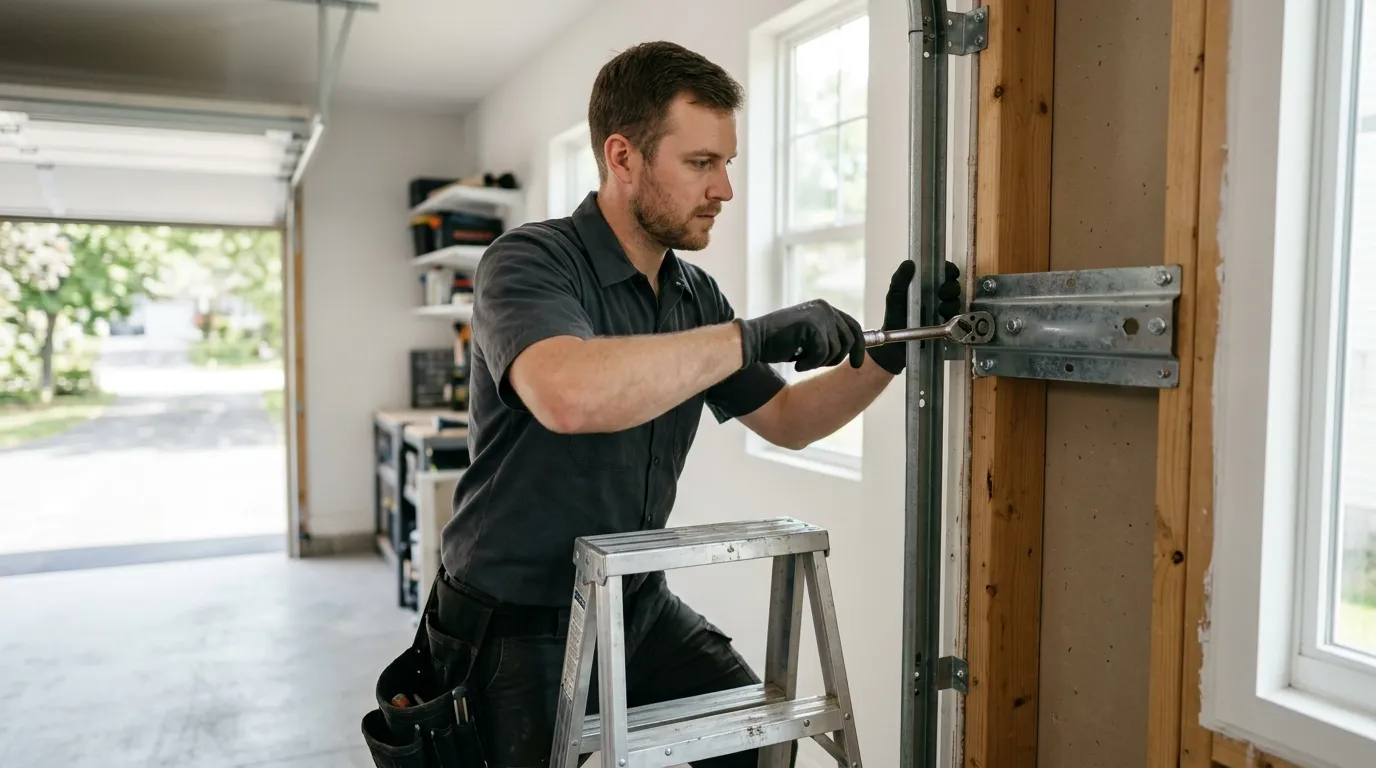
On houses from this era, the calls we see most are torsion spring replacement on double doors, cable and drum wear on doors that have never been rebalanced, and opener swaps where the original chain-drive unit has simply worn out. Panel replacement gets trickier on older sectional doors - some sizes and profiles from the 1950s and 60s aren't stocked anywhere close by, and matching a single damaged panel on a discontinued door sometimes means replacing the whole door instead of patching it, which we'll tell you straight rather than order a part that may take weeks to land. Roller and hinge service is common too, since original hardware on a 60-plus-year-old door has usually seen a lot of open-close cycles. The area's median household income runs $86,956 across roughly 145,743 owner-occupied houses in the service area, and that context helps explain why a lot of these calls end up being a repair, not a full replacement - the hardware is fixable, and most owners here would rather fix it than swap the whole door.
How it works
From “it’s stuck” to “it’s fixed”
01
Tell us what’s wrong
Describe the symptom - won’t open, loud bang, opener runs but the door won’t move.
02
On-site diagnosis
A technician tests the door under power and by hand and finds what actually failed.
03
Clear, up-front plan
You get the fix that’s needed and what drives the cost - before any work starts.
04
Repaired & tested
The repair is done, the door is set true and tested, and the work area left clean.
Next step
Serving Burbank, CA - tell us what your door’s doing and we’ll take it from there.
Straight answers about garage door repair in Burbank. Still unsure? Ask us directly.
How far is North Hollywood from Burbank's center, and does that affect response?
It's about four miles west of Burbank's center - closer in than areas like Studio City or Valley Glen. Distance itself doesn't change how a repair goes, but it's useful to know if you're comparing us against a company based farther out.
My garage door is original to the house - is that a problem?
Not necessarily. A lot of houses in this part of the valley date to the 1950s and 60s, and original hardware can usually be repaired - springs, cables, rollers. The exception is a damaged panel on a discontinued door profile, where matching just isn't possible and full replacement ends up being the honest answer.
Do you know North Hollywood's specific streets or landmarks?
No, and we won't pretend to. What we work from is the housing era for this part of the valley and its distance from Burbank's center. If you need block-specific detail, we'll get it when we're at your door, not before.