Burbank's pre-1960 housing stock and warm climate wear down garage door seals differently than newer builds. Here's what to check and what to leave to a pro.
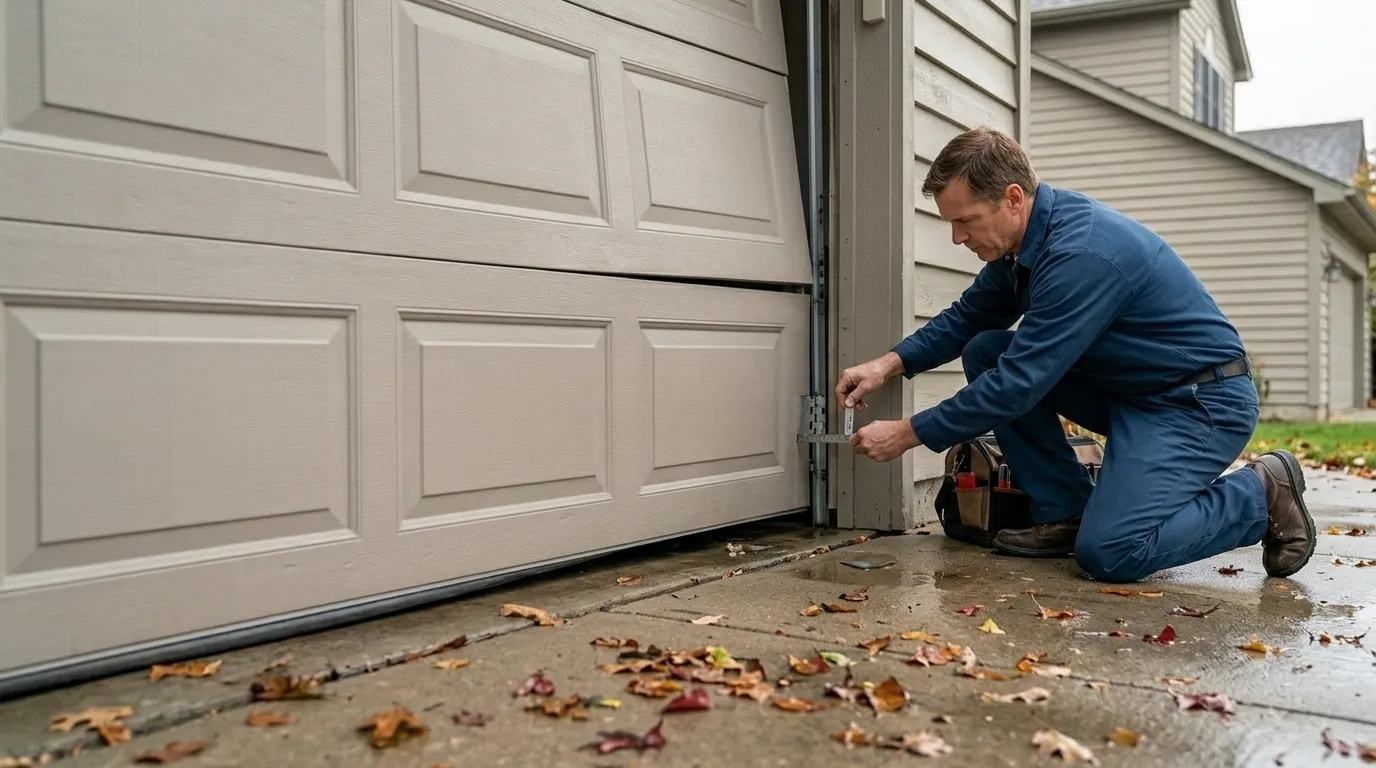
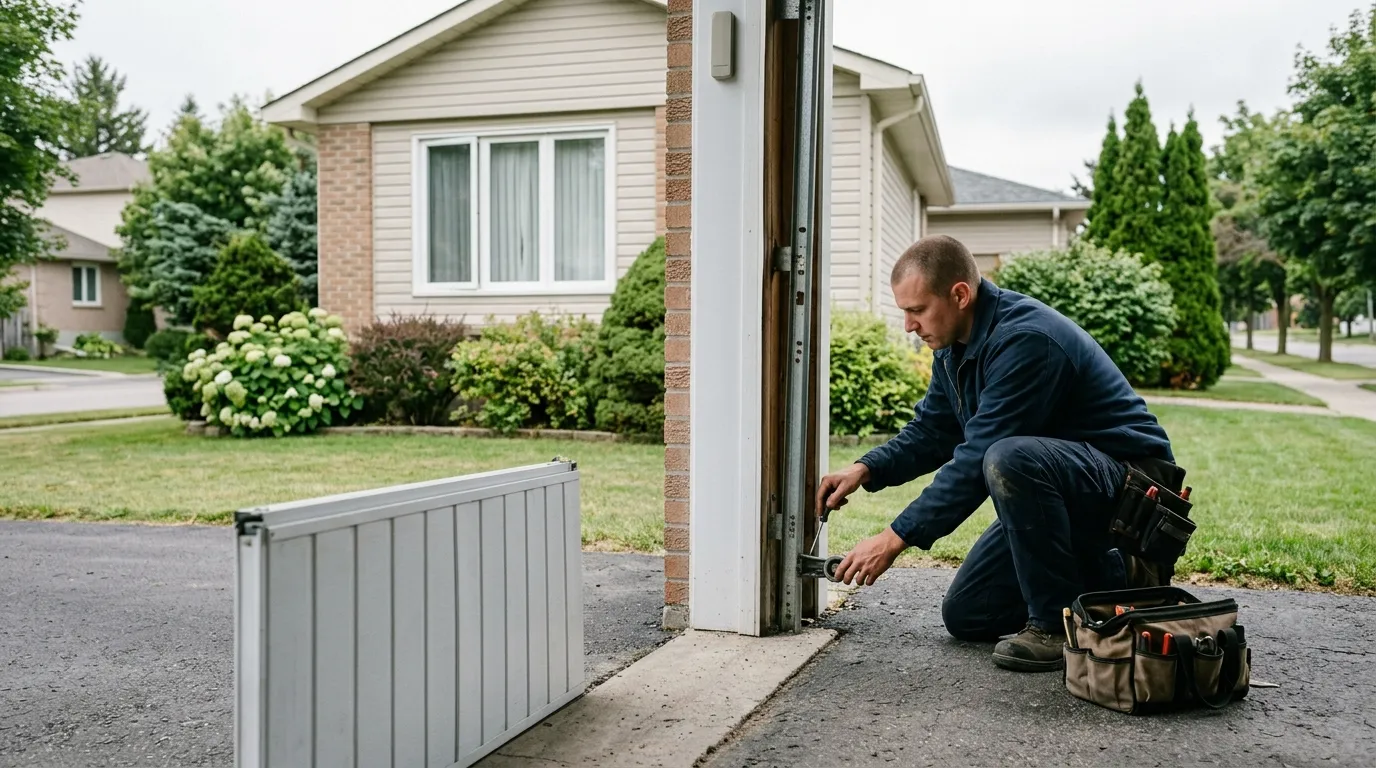
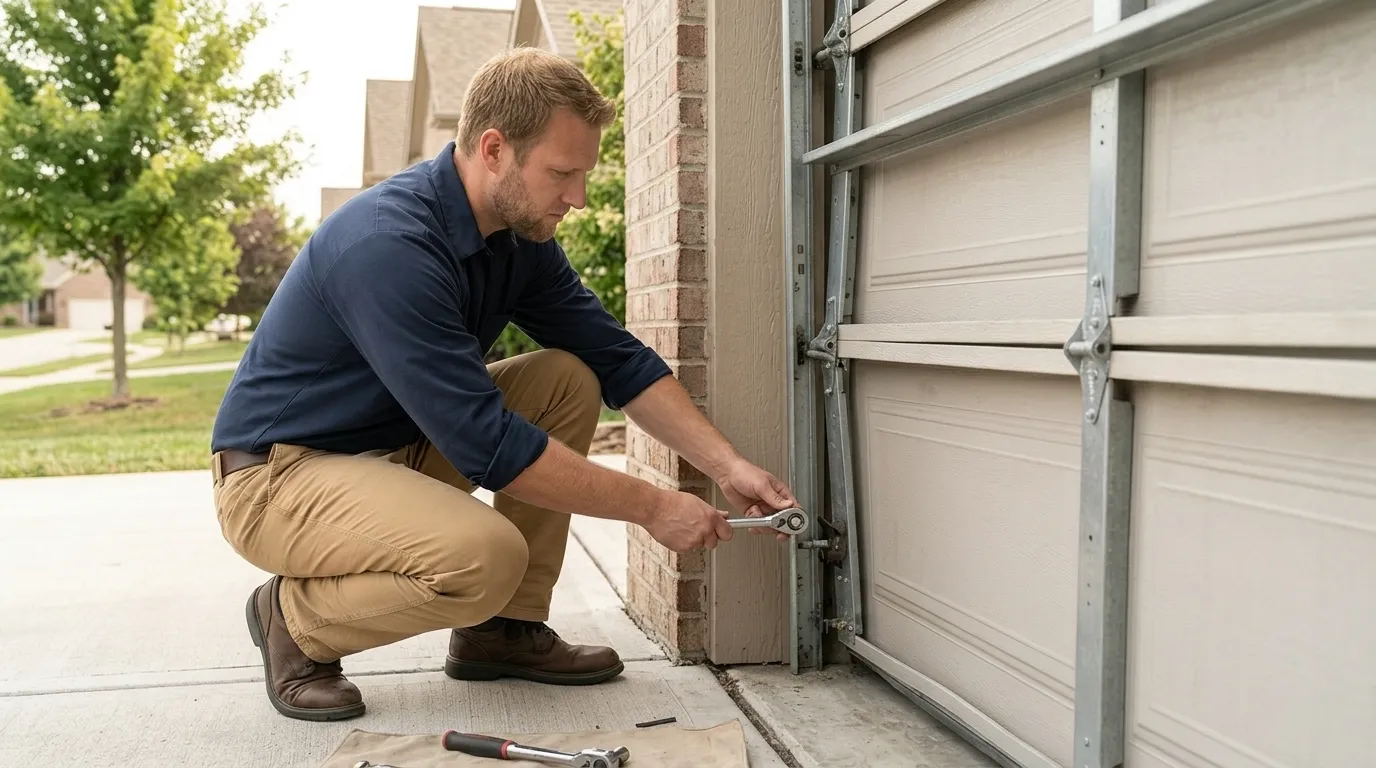
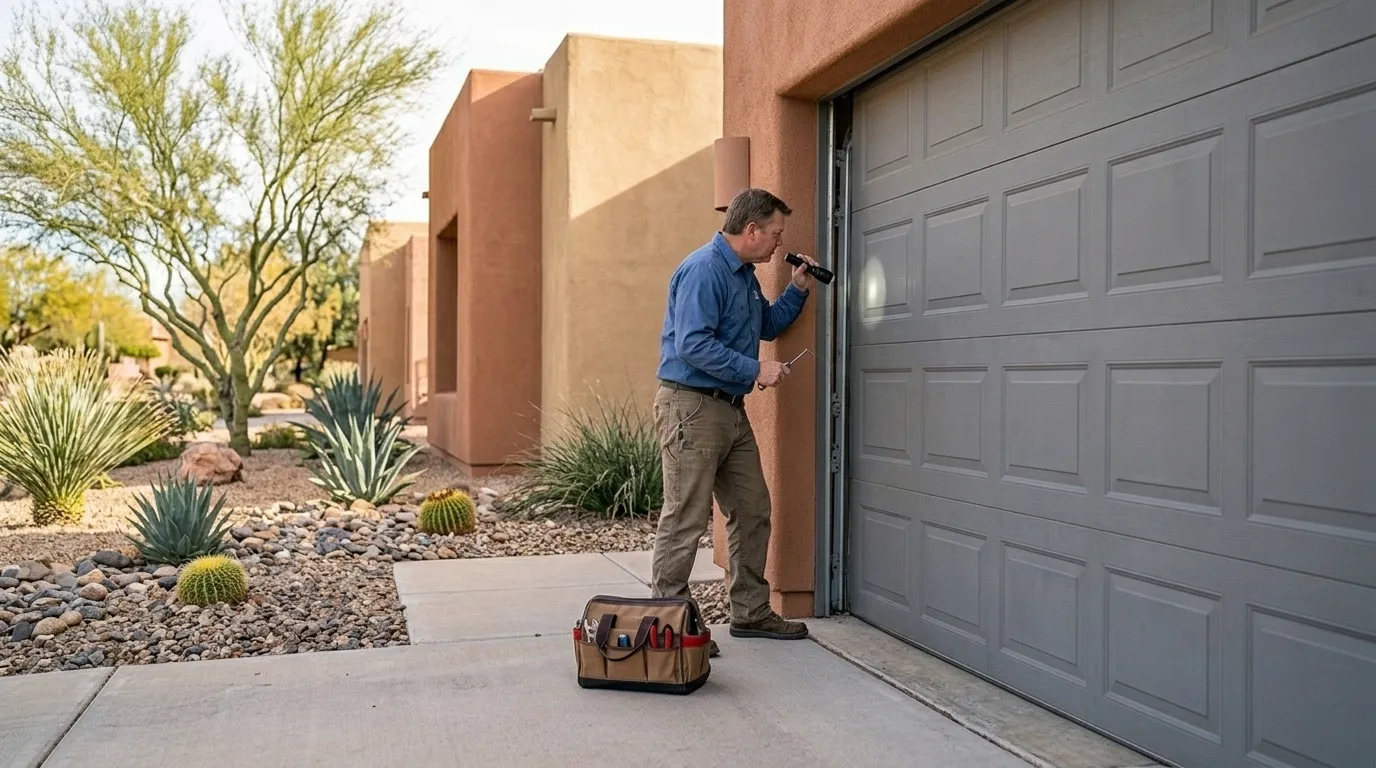
Most houses on this side of Burbank went up between 1943 and 2012, with a median build year of 1959, so there's a good chance your garage door and frame are older than they look from the driveway. Start with the bottom seal - the rubber strip along the floor of the door. On a pre-1960 house, that channel was often sized for hardware that's no longer made, so a seal replacement isn't always a straight bolt-in. Close the door in daylight and look for light coming through at the corners. Run your hand along the side seals (the vertical strips against the jambs) and feel for stiffness or cracking - vinyl that's gone brittle won't flex back after you press it. Check the weather seals and draughts along the top panel too, where sun exposure hits hardest through the afternoon. If you feel air moving across your hand while the door's shut and the garage isn't vented on purpose, that's your draught. Write down where you feel it before you call anyone - it saves a diagnostic trip.
The Problem
Burbank sits in a moderate-heat climate band, which means the strain on your seals isn't from freeze-thaw cracking the way it is in colder regions - it's from sustained heat and UV breaking down the rubber and vinyl compounds over years of exposure. On a door built or last resealed decades ago, that breakdown shows up as shrinkage: the seal pulls away from the frame just enough to leave a gap you can't always see but can definitely feel. Add in the fact that most of the area's housing stock is pre-1960, and a lot of these doors have wood jambs that have moved slightly with age - settling, minor warping - so the seal is trying to close against a frame that isn't quite the shape it was when the house was built. That combination is why a draught in an older Burbank garage often isn't a single bad seal, it's a seal fighting a frame that's shifted under it. Patching one spot without checking the whole run just moves the gap somewhere else.
Doing Nothing For Now
A little draught around the door doesn't sound urgent, and for a season or two it usually isn't. But in a moderate-heat climate, a garage with an open seal line runs hotter longer through the afternoon and evening, which matters if you've got a water heater, freezer, or anything wood or paper stored against that wall. Dust and pollen get pulled in the same way air does, so an unsealed door means more of both settling on stored items over time. The bigger cost shows up at the bottom seal specifically: once it's torn or shrunk enough to let air through, it's also letting in enough moisture and grit to accelerate wear on the bottom roller and track section right above it. That's a cheap fix that turns into a track alignment job if it sits for a year or two. None of this is an emergency. It's the kind of thing that's fine to live with through one hot season, but not worth carrying into a second.
What Local Conditions Do
The two facts that matter most for a Burbank garage door are the age of the house and the climate band it sits in. With most of the stock built before 1960 and a citywide median build year of 1959, a lot of doors and frames here were installed, replaced, or last resealed under different standards than what's sold today - track spacing, seal channel width, and jamb material all vary more than people expect once you're working on a house from that era. Layer the moderate-heat climate on top, and the wear pattern skews toward UV and thermal cycling rather than ice or heavy rain intrusion, which changes what seal material actually holds up. A vinyl seal rated for a wetter, colder climate isn't necessarily the right call for a door that bakes in direct afternoon sun for half the year. Getting both of those right - the fit for an older frame and the material for this climate - is most of what separates a seal job that lasts from one that's back to leaking air in a year.
How it works
From “it’s stuck” to “it’s fixed”
01
Tell us what’s wrong
Describe the symptom - won’t open, loud bang, opener runs but the door won’t move.
02
On-site diagnosis
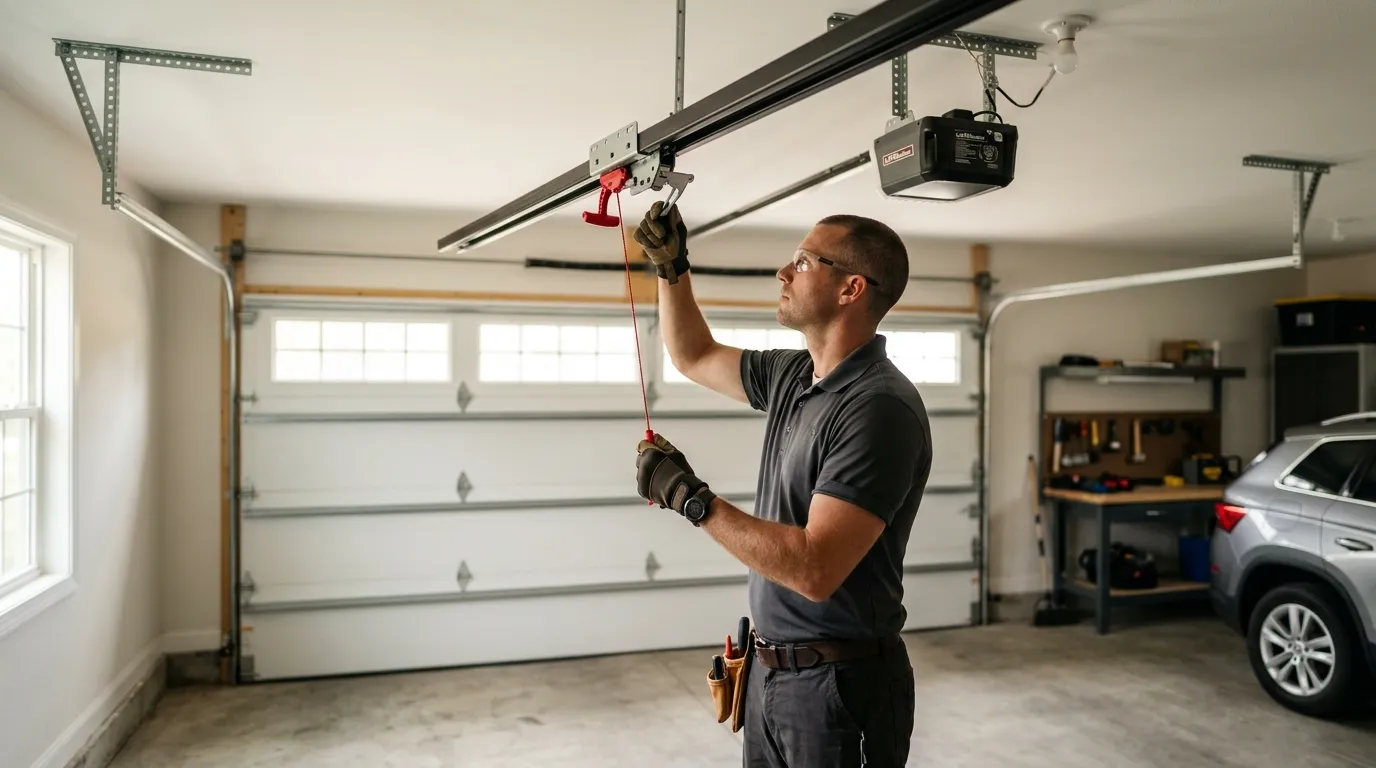
A technician tests the door under power and by hand and finds what actually failed.
03
Clear, up-front plan
You get the fix that’s needed and what drives the cost - before any work starts.
04
Repaired & tested
The repair is done, the door is set true and tested, and the work area left clean.
Next step
Serving Burbank, CA - tell us what your door’s doing and we’ll take it from there.
Straight answers about garage door repair in Burbank. Still unsure? Ask us directly.
Why does my garage door let in air even though the seal looks fine?
On a lot of older Burbank houses the seal itself is intact but the frame has shifted slightly with age, so the seal isn't closing against a true, flat surface anymore. It can look fine sitting still and still leave a gap when the door's shut. That's a frame alignment check, not just a seal swap.
Does the heat here actually wear out garage door seals faster?
Sustained heat and UV exposure break down rubber and vinyl seal compounds over time, causing shrinkage and cracking rather than the freeze-thaw damage seen in colder climates. Burbank's moderate-heat band means that's the wear pattern to expect, especially on south- or west-facing doors that catch afternoon sun directly.
Is it worth replacing seals on an older door instead of waiting for a new door?
Often yes - a seal and weatherstrip job is far cheaper than replacement, and on a structurally sound door from the pre-1960 era it can solve the draught without touching the door itself. Replacement only makes sense once the track, panels, or frame are also failing.