The Symptom
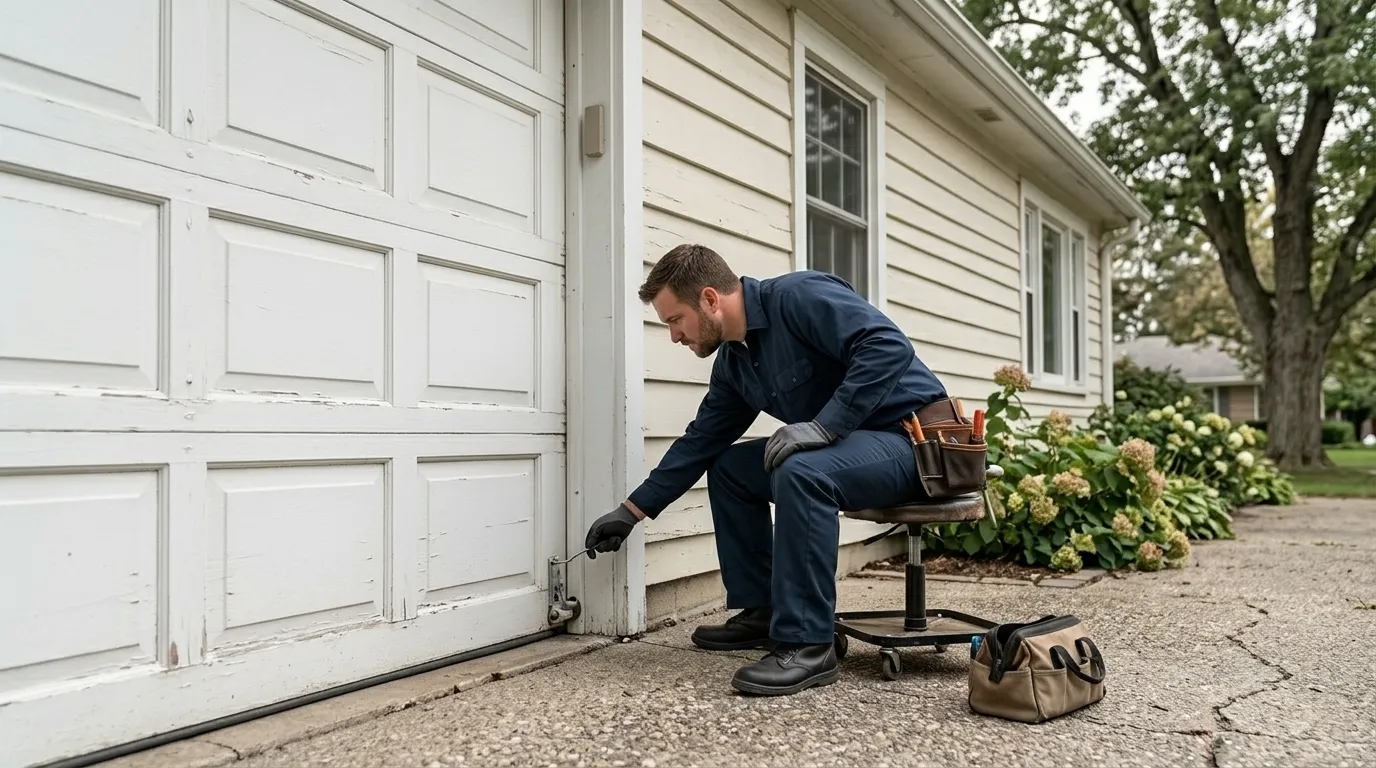
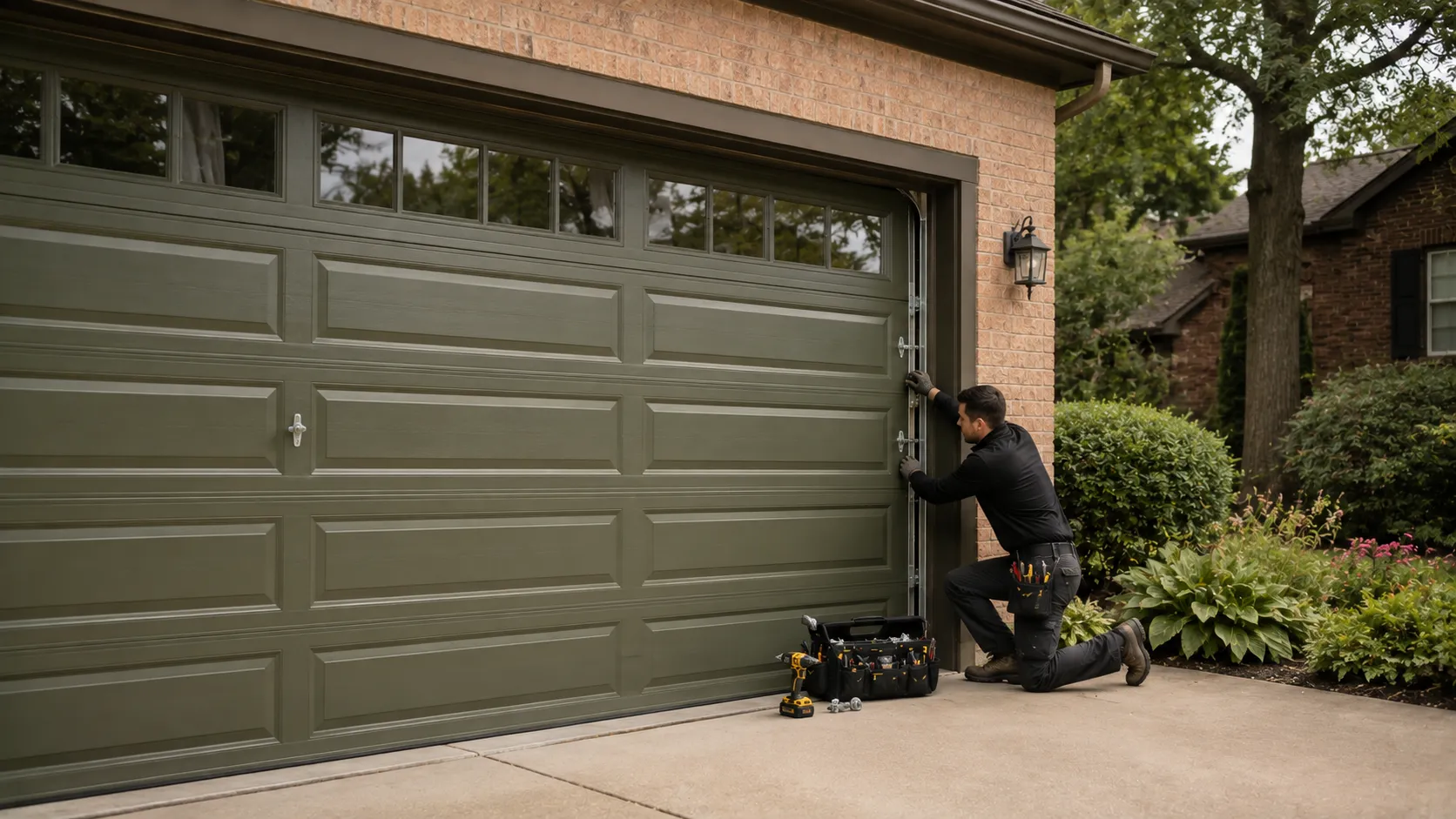
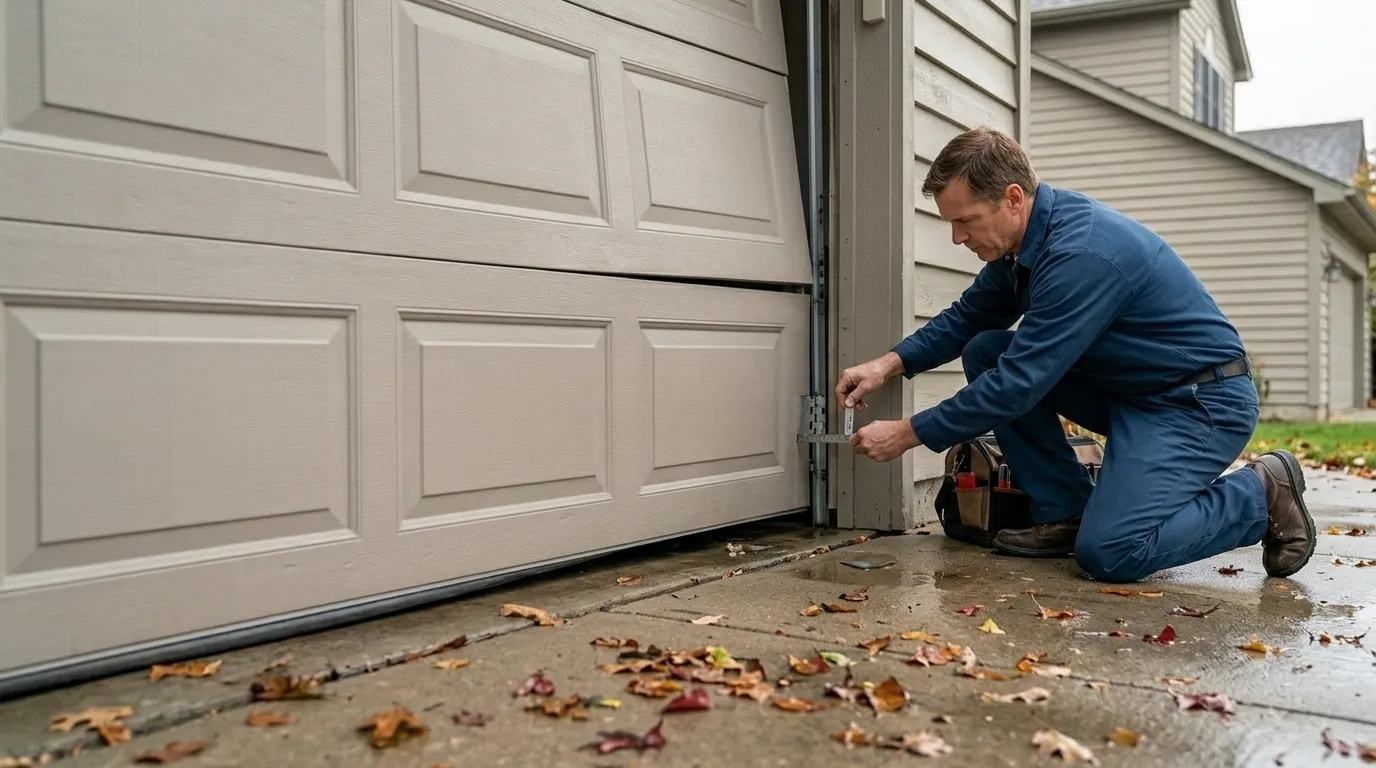
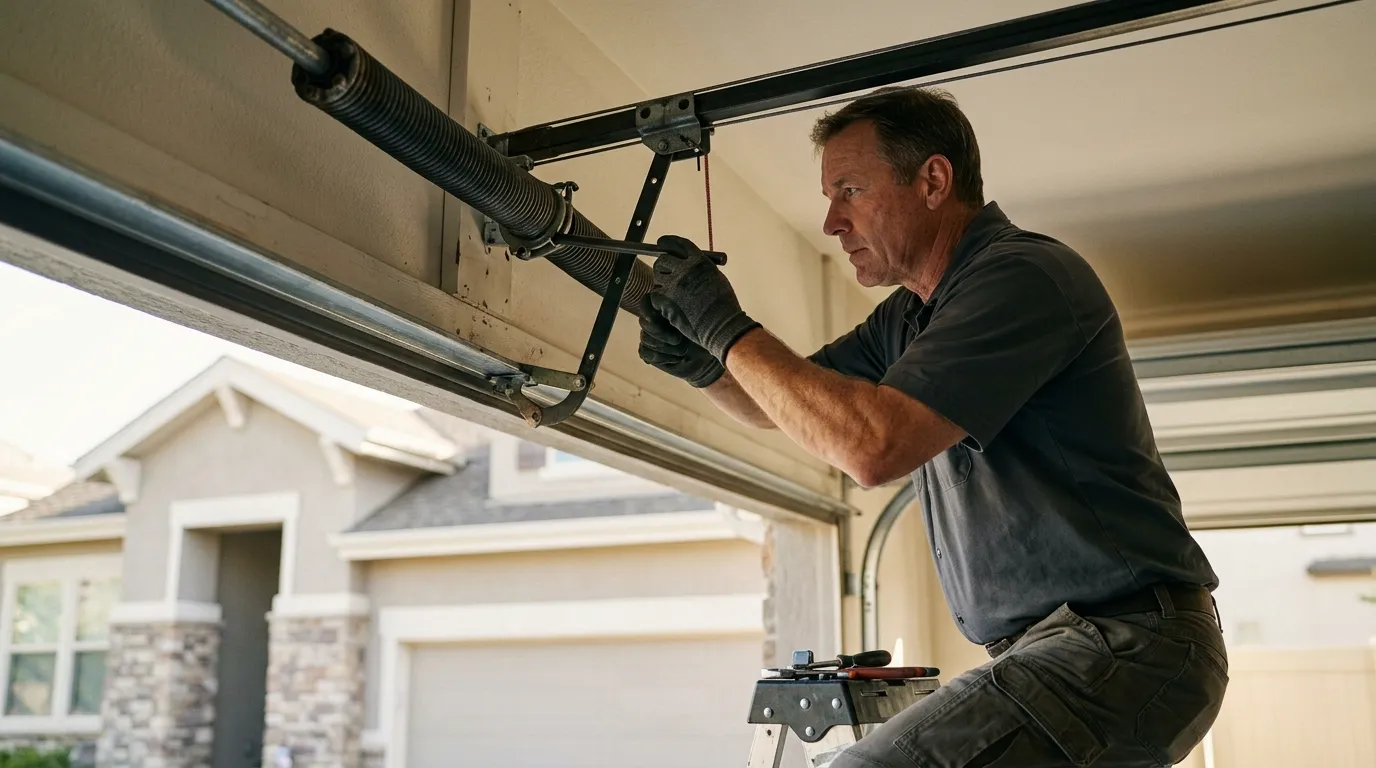
The usual sign it's time for a new door instead of another repair isn't one dramatic failure. It's a door that's been patched a few times already - a section replaced here, a roller swapped there - on a unit that's original to a house built well before 1960. At that age, the steel gauge, the panel profile, and the hardware are often no longer made, so each new repair costs more to source than the last.
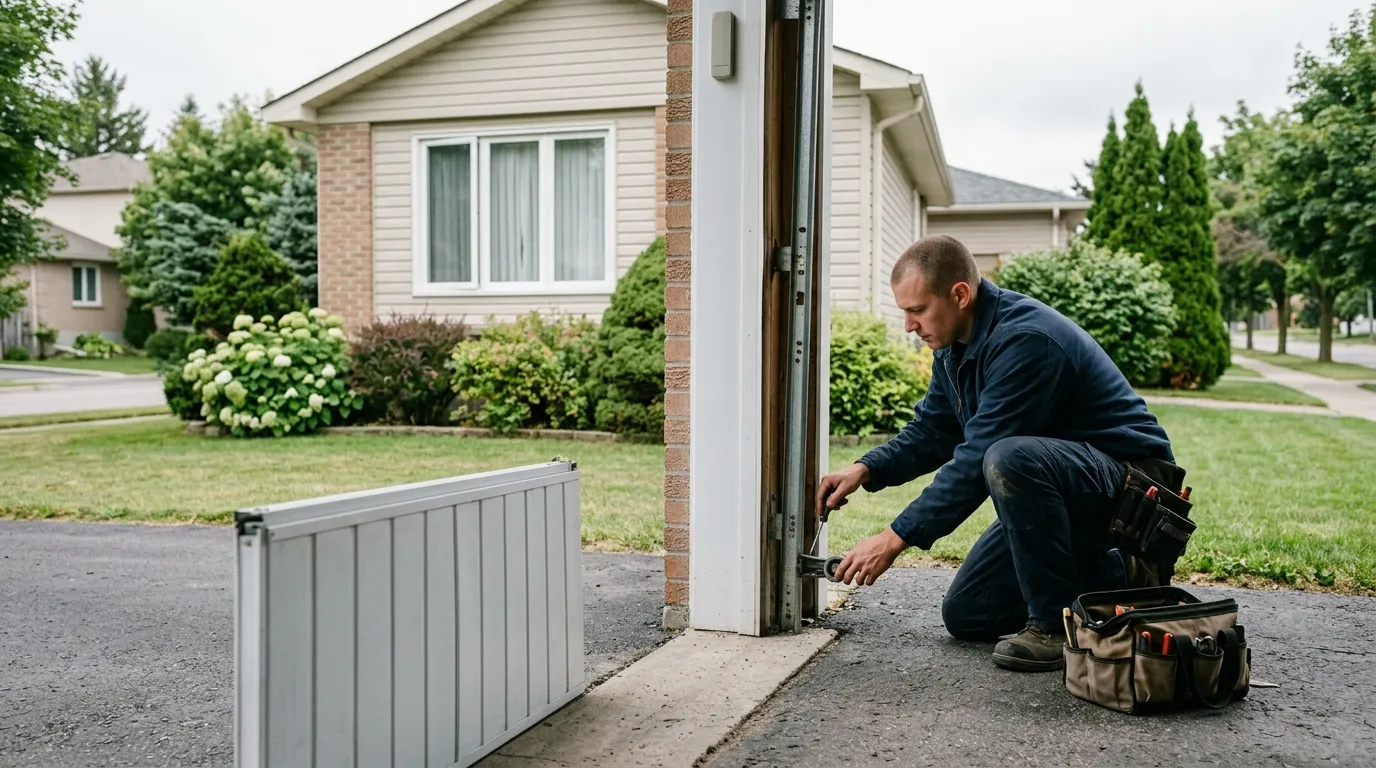
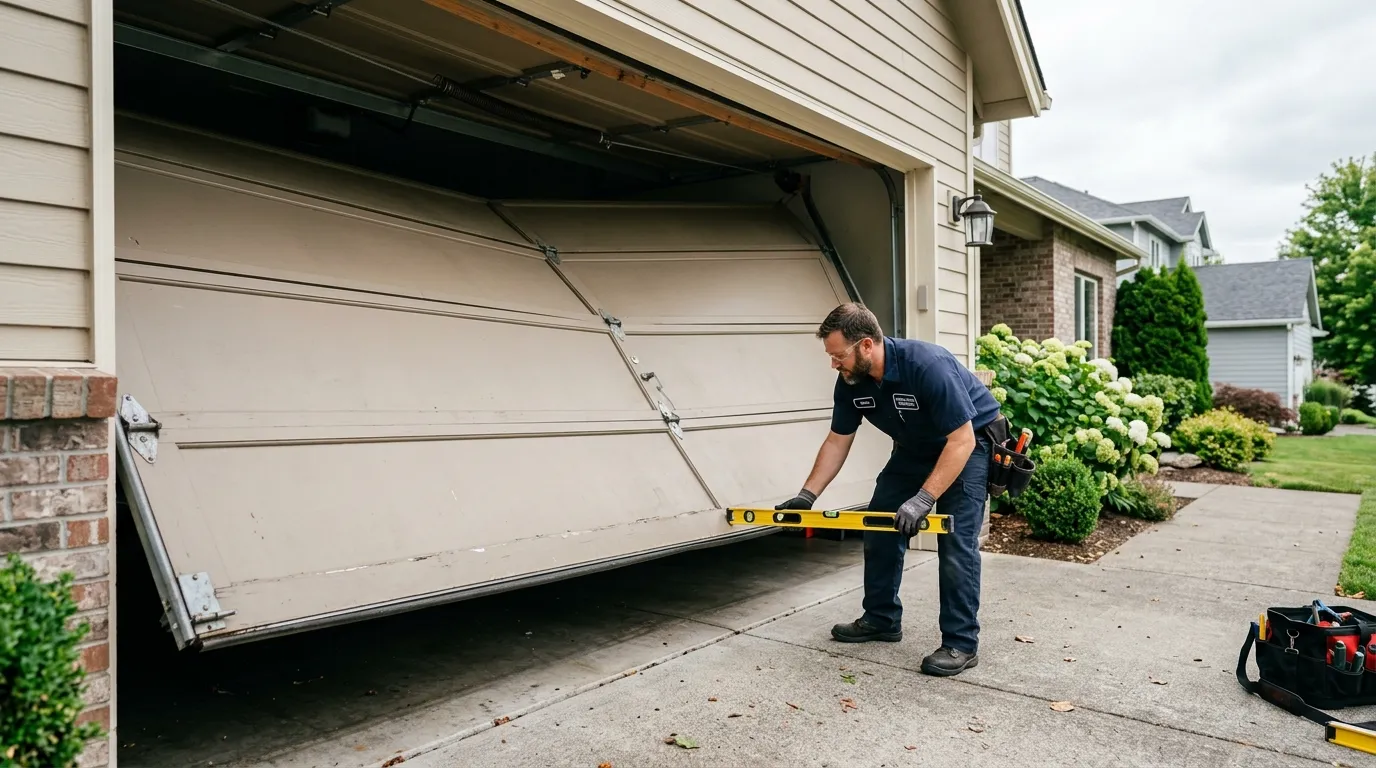
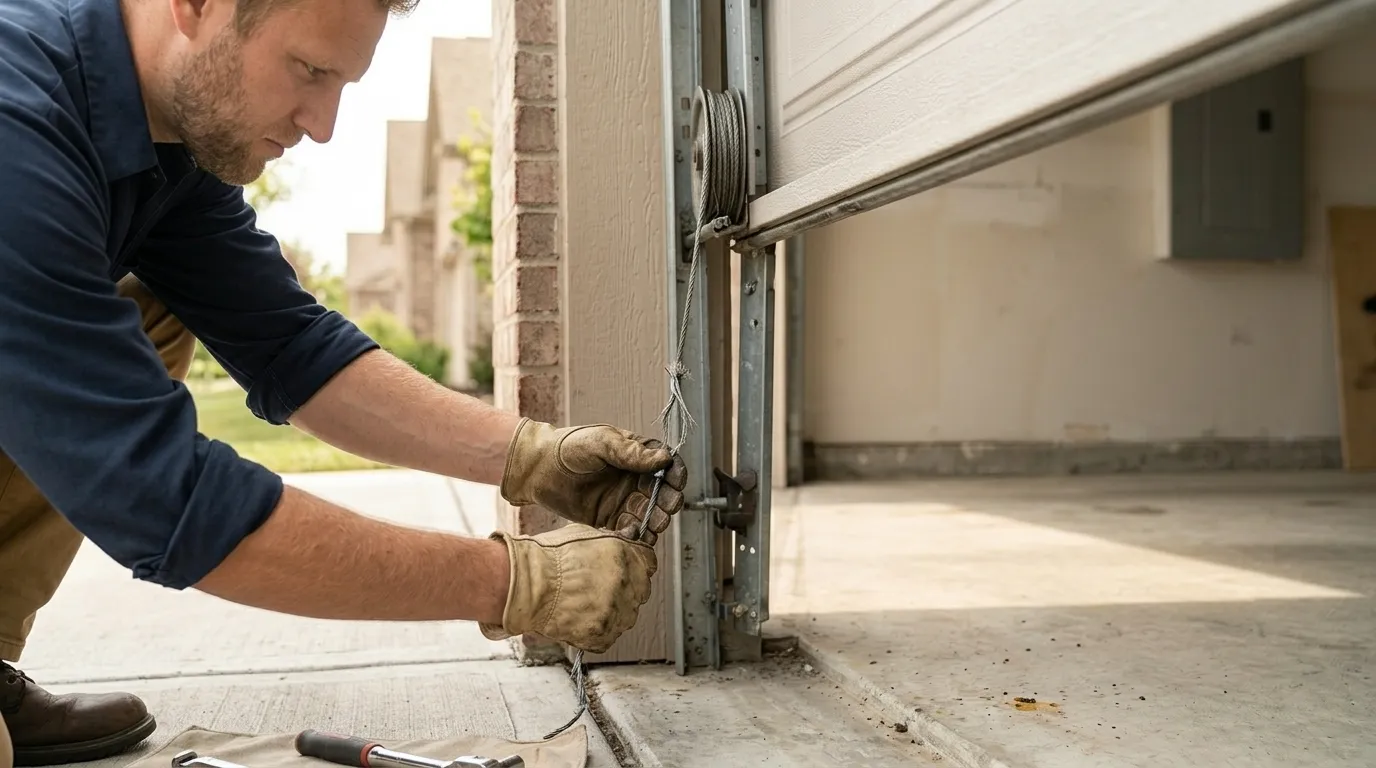
Across the pre-1960 tract housing that makes up most of the stock in this part of the valley and the surrounding named communities, we see the same pattern: a one-piece or early sectional door that's been kept alive with mismatched parts because nobody wanted to replace the whole unit. Once the track is bent from age rather than a single impact, or the panels have enough surface rust to be structurally thin, patching stops making sense.
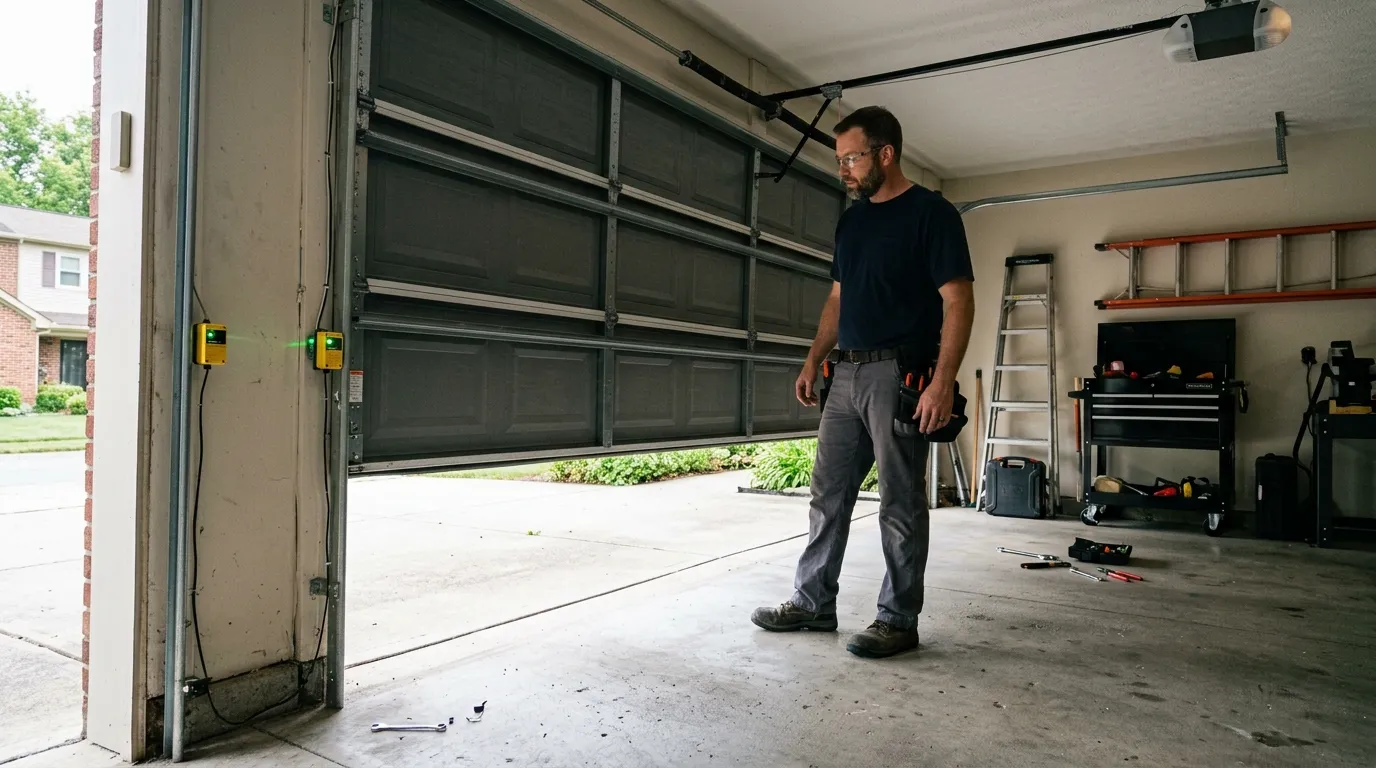
The honest version: if your door is original to a house from that 1950s era and it's still opening and closing evenly with no rust through the steel, you may not need a new door yet. We won't sell you an installation your door doesn't need. But once you're replacing hardware that isn't stocked anymore, a new door usually costs less over two years than another round of parts-hunting.
What It Costs
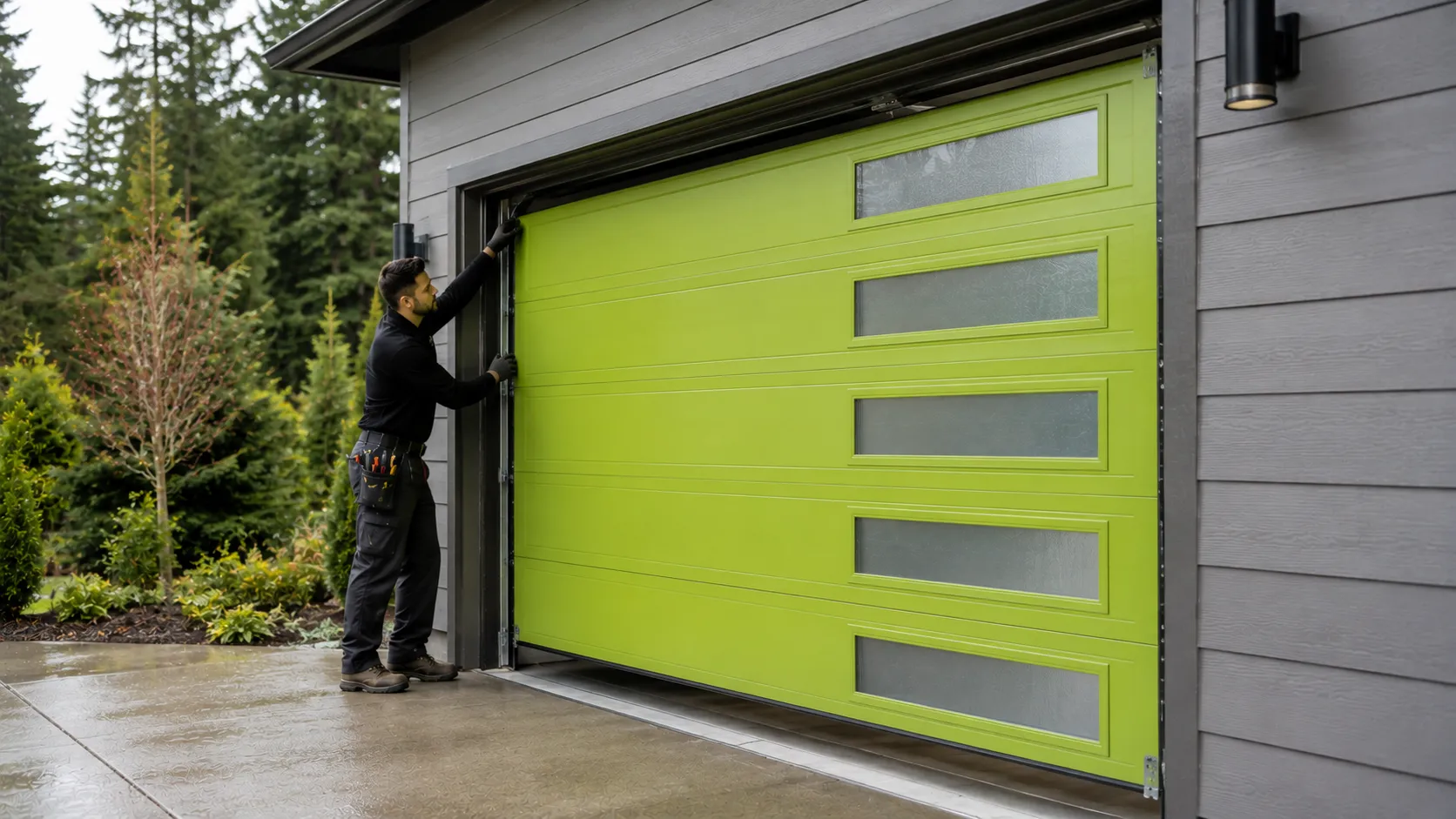
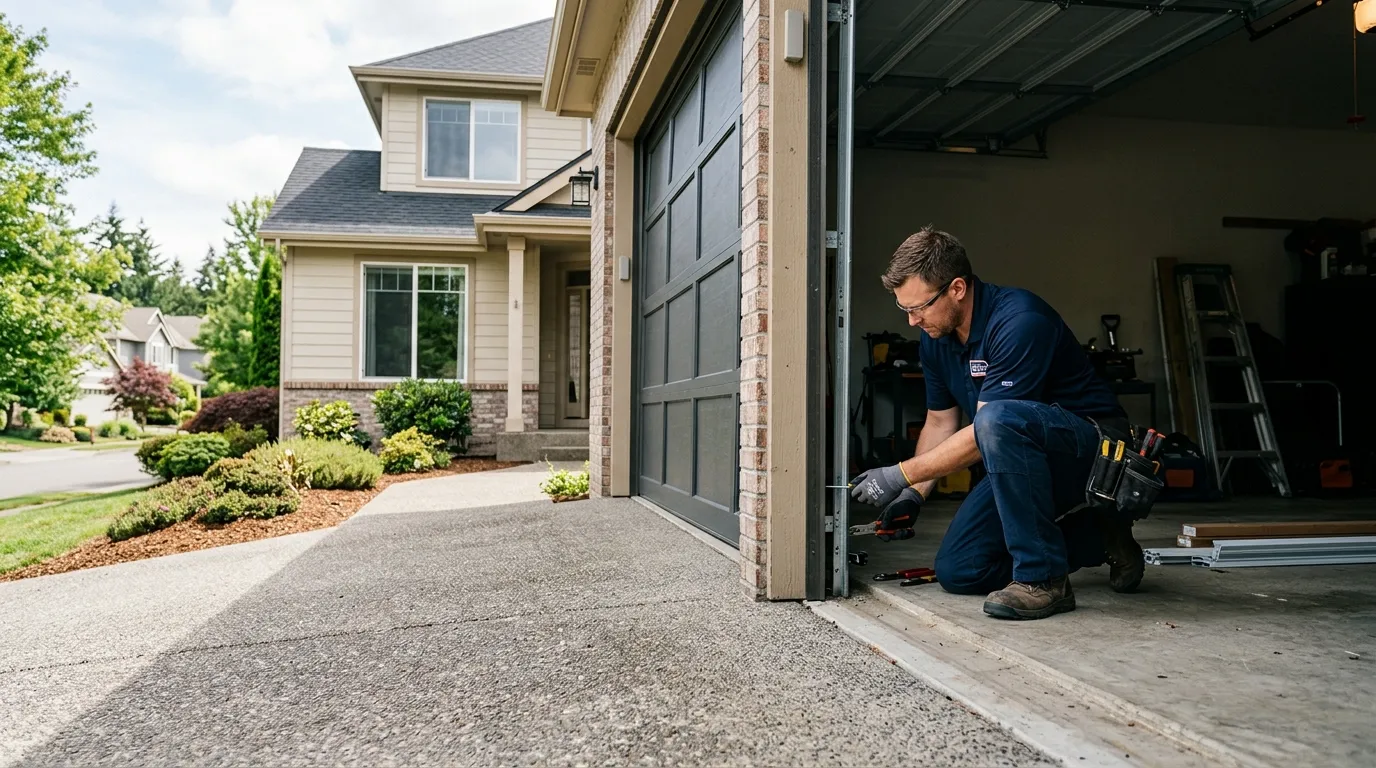
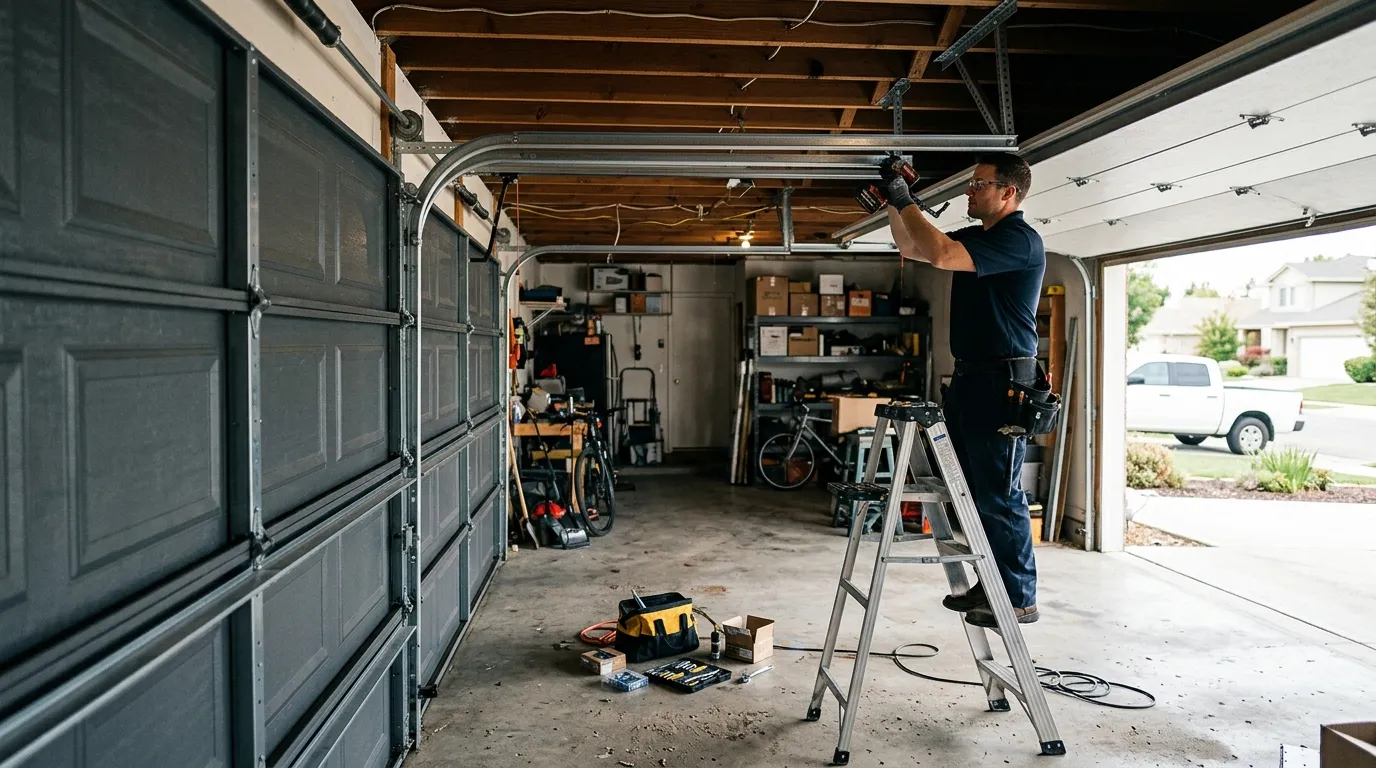
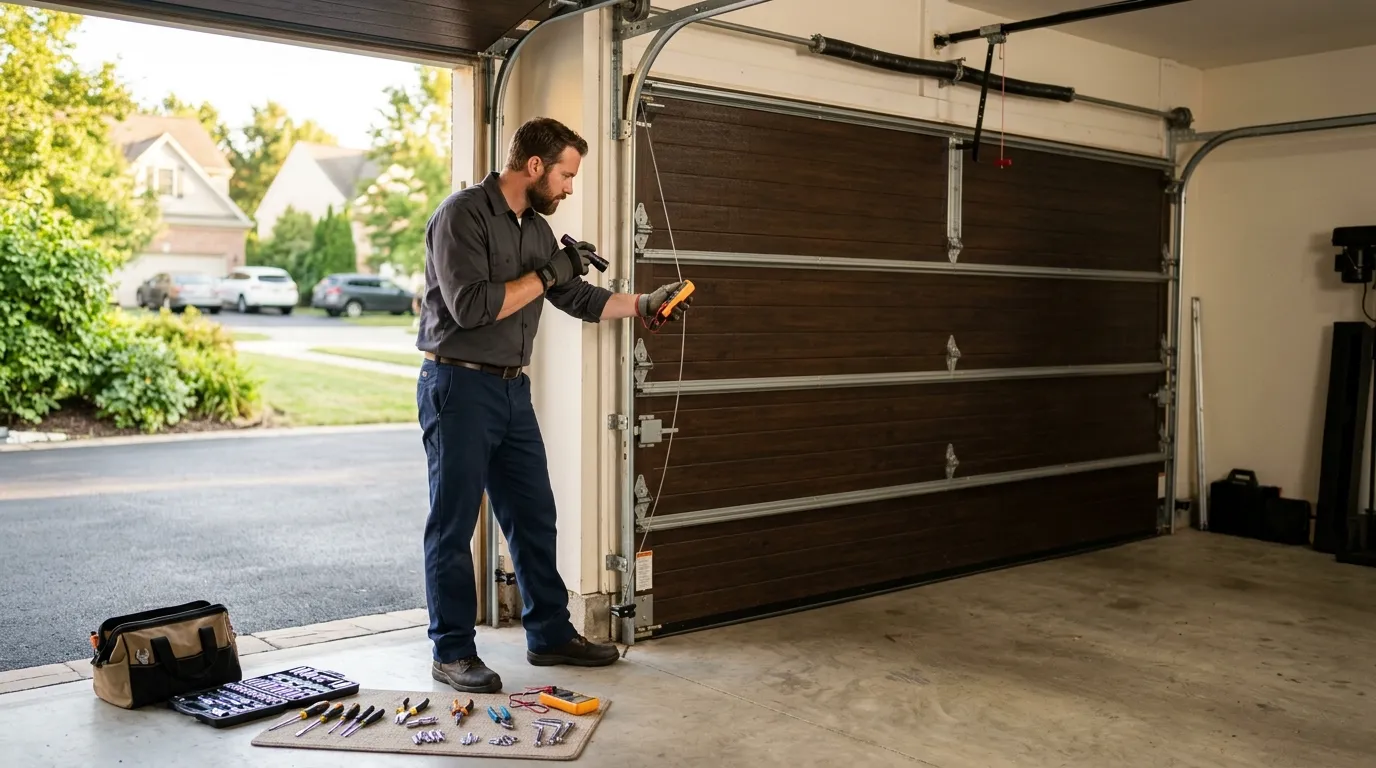
We don't post a flat number here, because what drives the cost on a Burbank install isn't the door alone - it's the opening. A standard-size sectional on a newer frame is a different job than fitting an insulated door into a header that was built for a 1950s one-piece door and never widened. Size, insulation level, window options, and whether the opener needs replacing too all move the number.
Insulation matters more here than it would in a milder or colder climate band. Burbank sits in a moderate-heat zone, and an insulated door keeps the garage - and often a room next to it - noticeably cooler through summer than an uninsulated steel slab. That's not a luxury upgrade so much as a practical one given the local heat, and it does affect price.
The honest limitation: we can't give you an accurate number without seeing the actual opening, because the difference between a squared modern frame and an original 1959 frame that needs correction is real money. What we can tell you is that the area's median household income, just under $87,000, means most of what we install here is mid-range insulated steel or composite, not the bottom-shelf option and not custom wood.