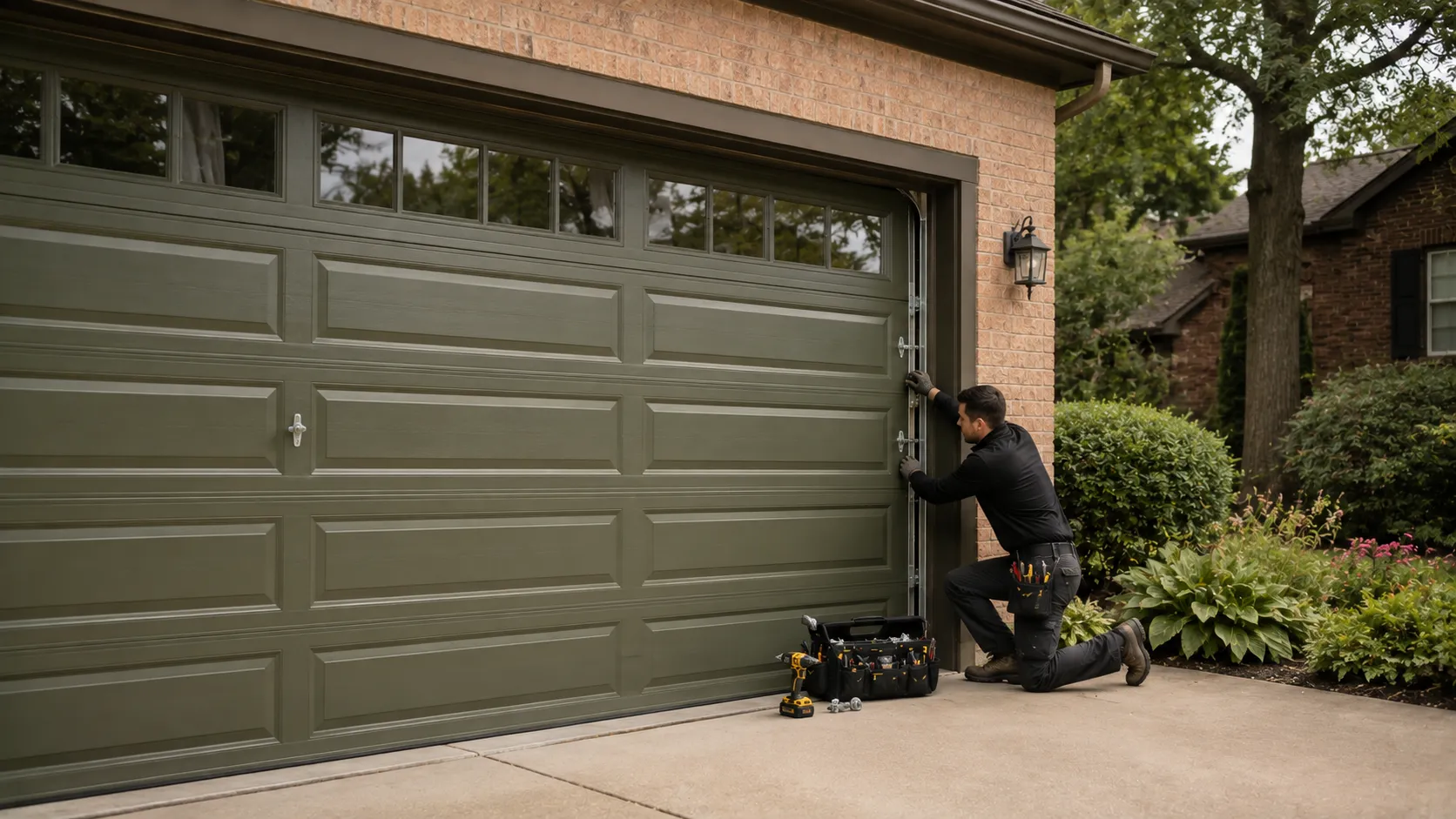
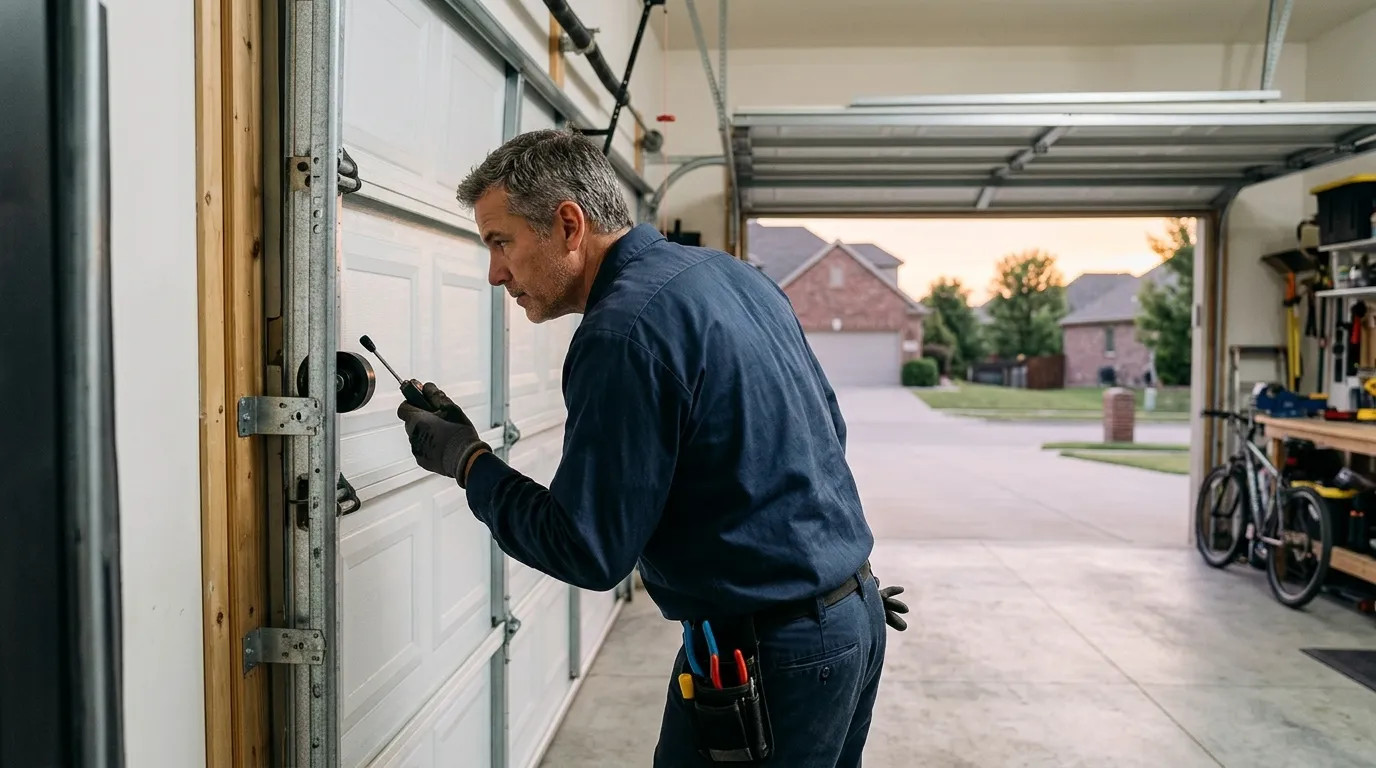
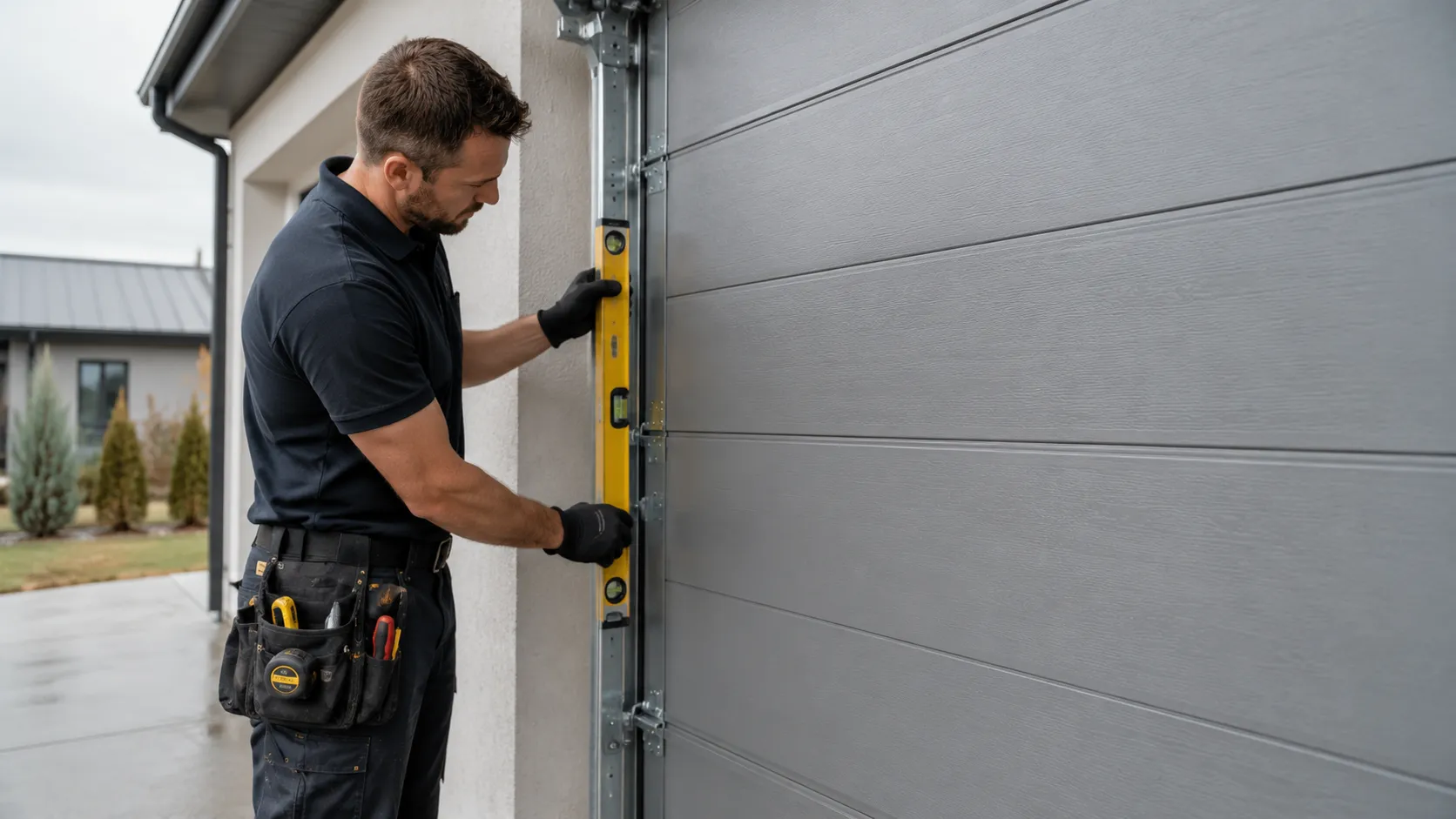
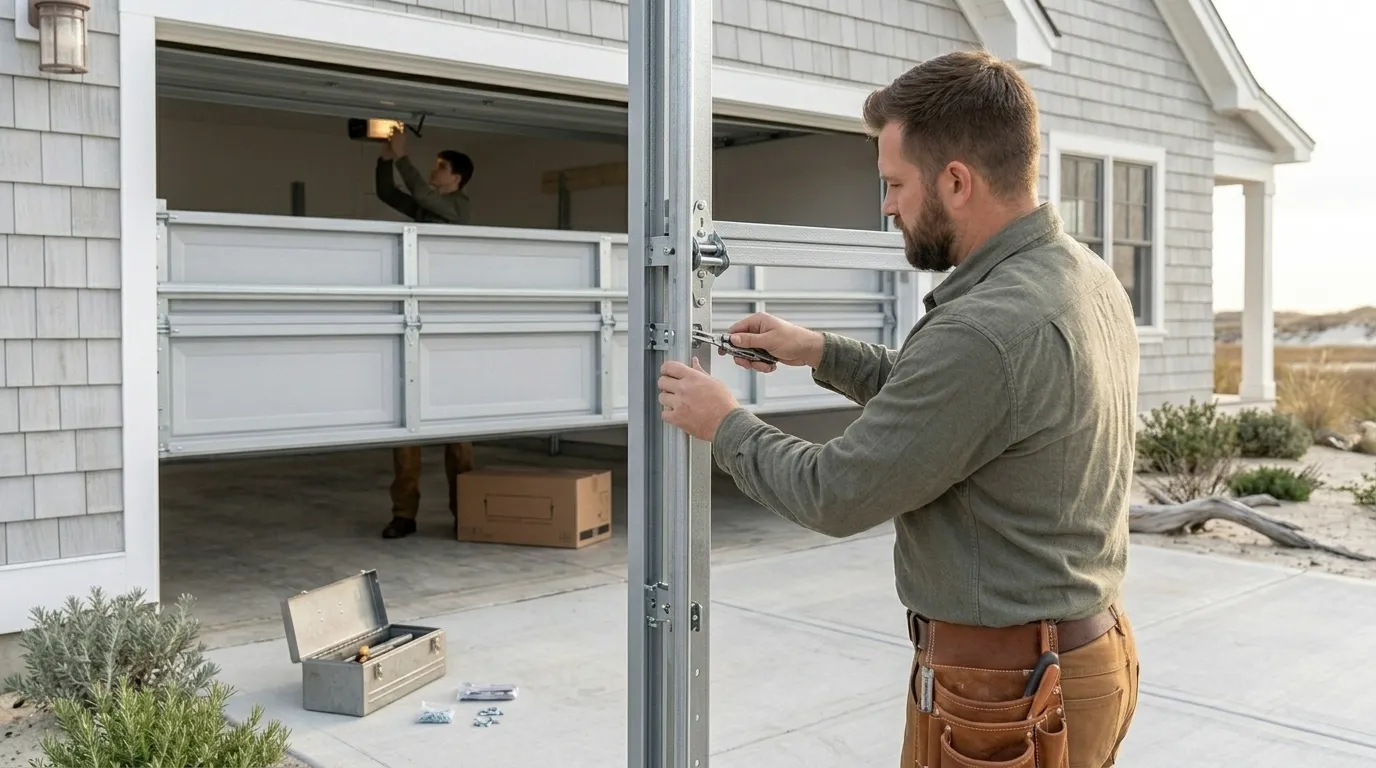
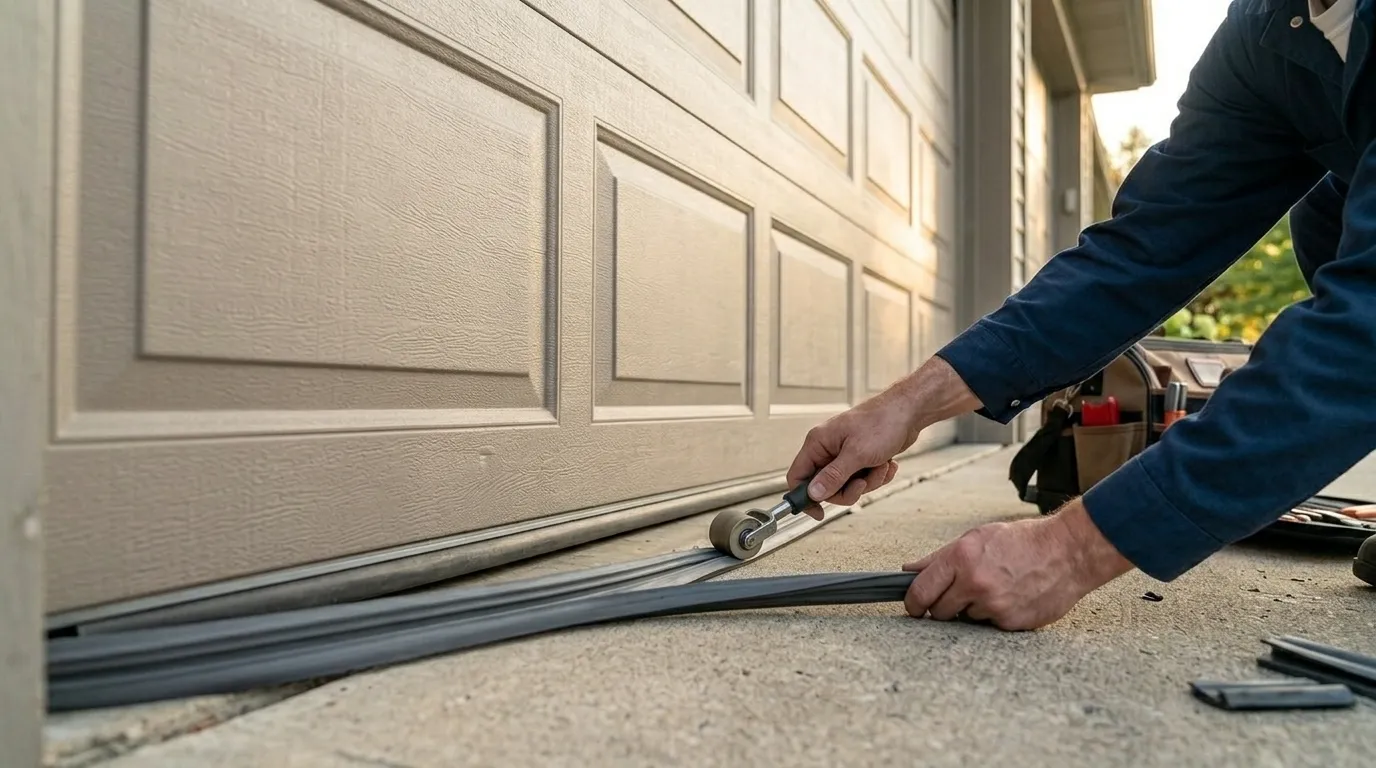
Panorama City sits 7 miles WNW of Burbank, and we run trucks out there regularly for garage door calls. We don't have a shop on the ground in the neighborhood itself, so we can't point you to a specific street or landmark near your house - what we can tell you is what the doors out there tend to look like, based on when homes in this part of the valley went up. Most of the housing stock across this service area, Panorama City included, dates to the pre-1960 wave, with construction across the wider area spanning 1943 to 2012 and a median build year of 1959. That means a lot of original hardware still in service, or first-generation replacements bolted onto openings that were never resized. If your door sticks, drags, or the opener grinds before it lifts, that's usually the story: old track, old spring, opening never widened.
What Is Built Here
The wider service area we cover, including Panorama City, skews heavily pre-1960 - 45 named communities in this stretch of the valley share that same building era, per the housing data we work from. Garages built in that window were sized for the cars of the time, which is narrower than what people park now, and the doors were often single-layer steel or wood on light-duty torsion springs rated for a lighter door than what's sometimes hanging there today after a remodel or a swap to insulated panels. We see openers added later that weren't matched to the original spring tension, which shortens spring life and stresses the opener motor. None of this is unique to one block - it's a function of the era, and it shows up house after house.
Where This Is
Panorama City is about 7 miles west-northwest of central Burbank, on the west side of the San Fernando Valley relative to us. It sits in a stretch that includes neighbors like Sun Valley, Arleta, and North Hollywood at similar distances, all part of the same valley housing wave. We route jobs there as part of our normal coverage - it's not a special trip, just a normal drive west across the valley floor.
Typical Work
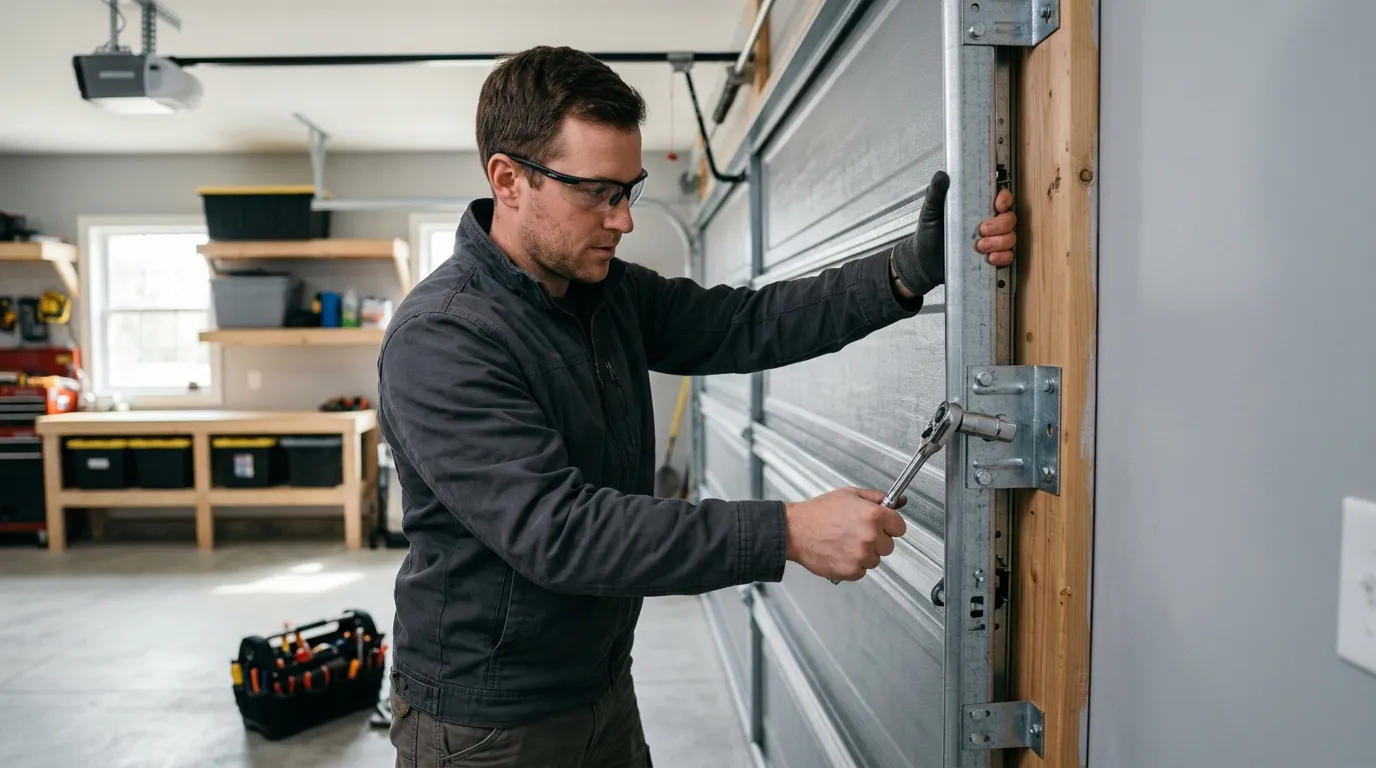
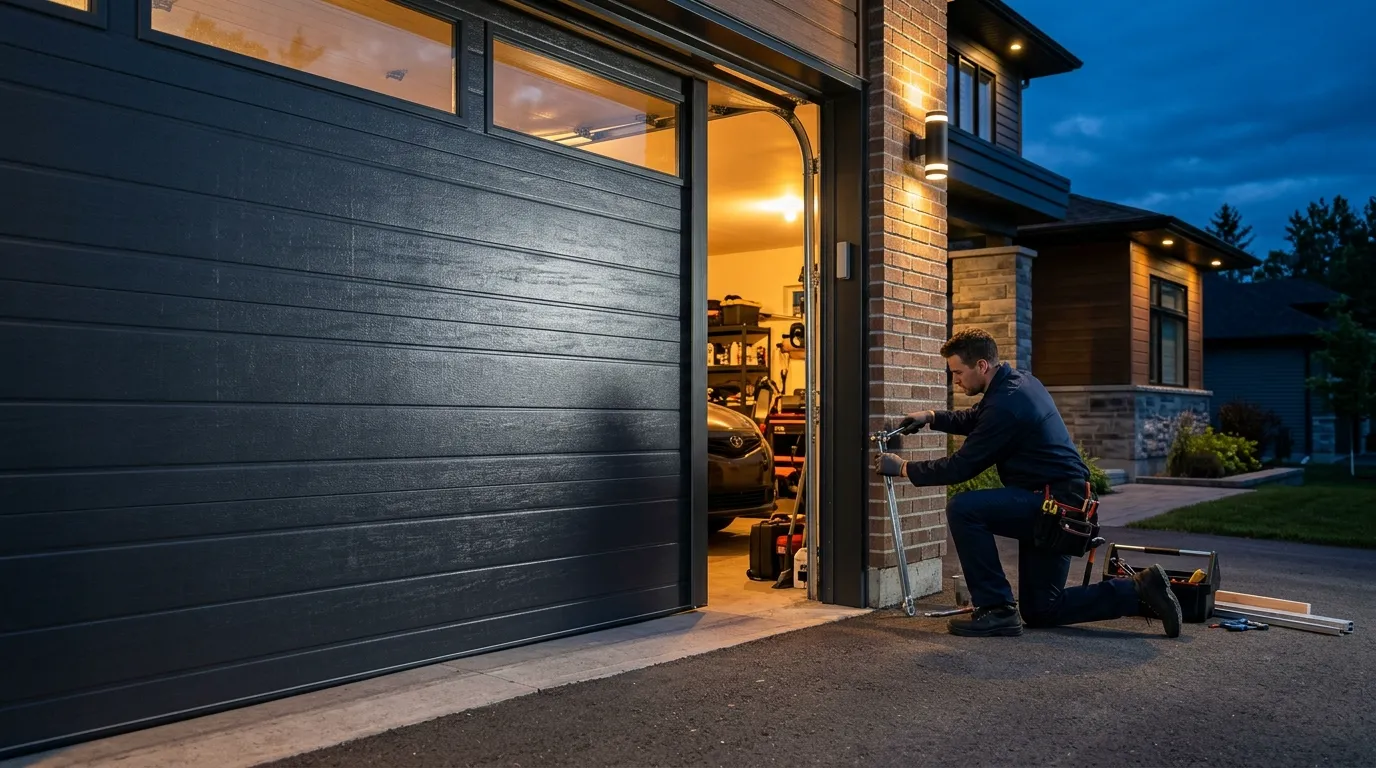
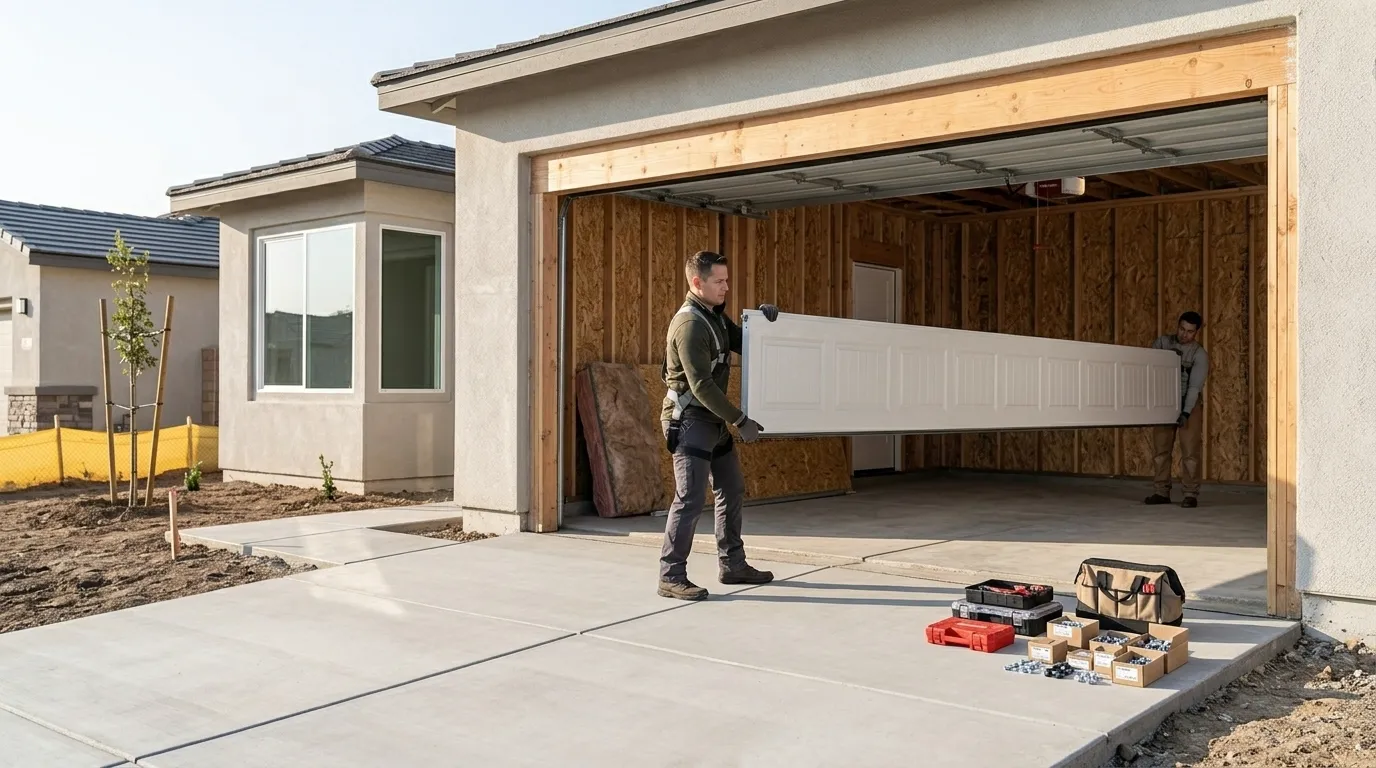
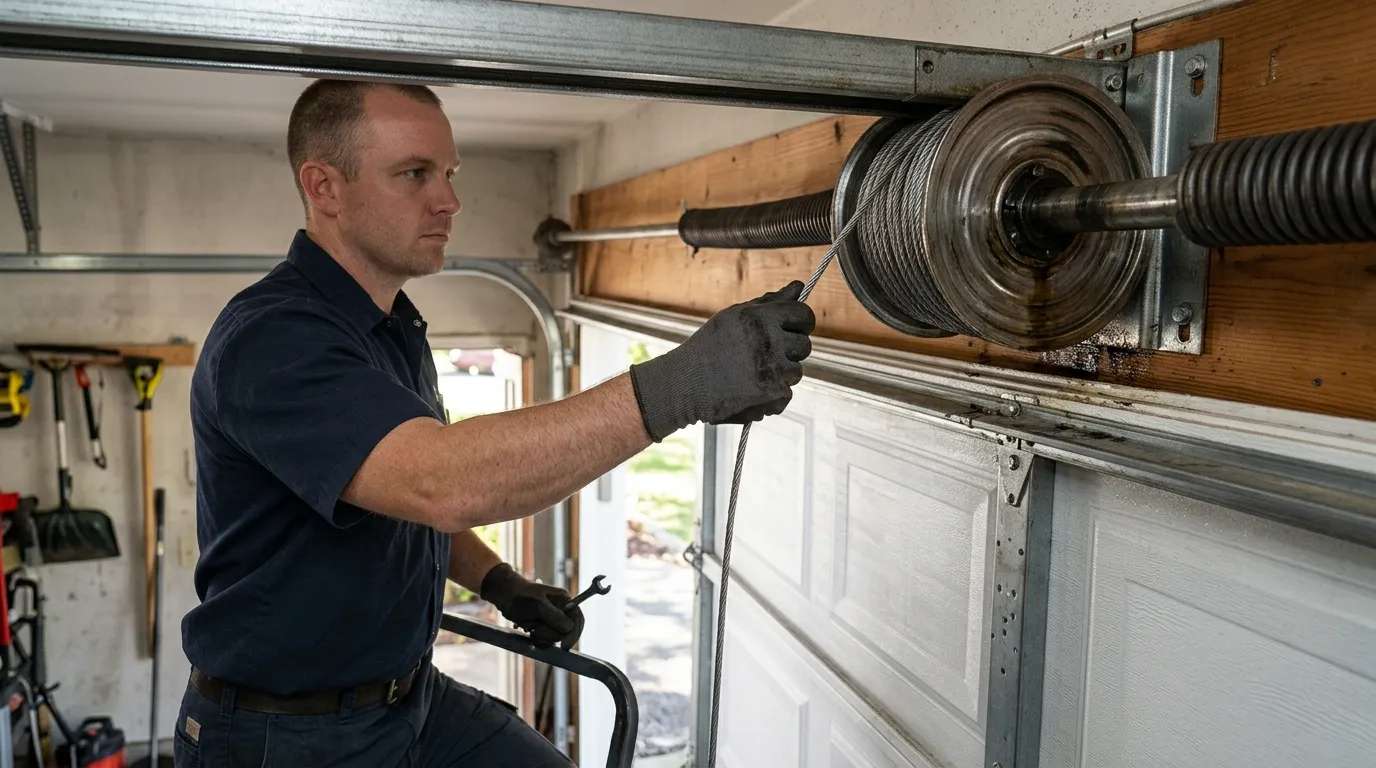
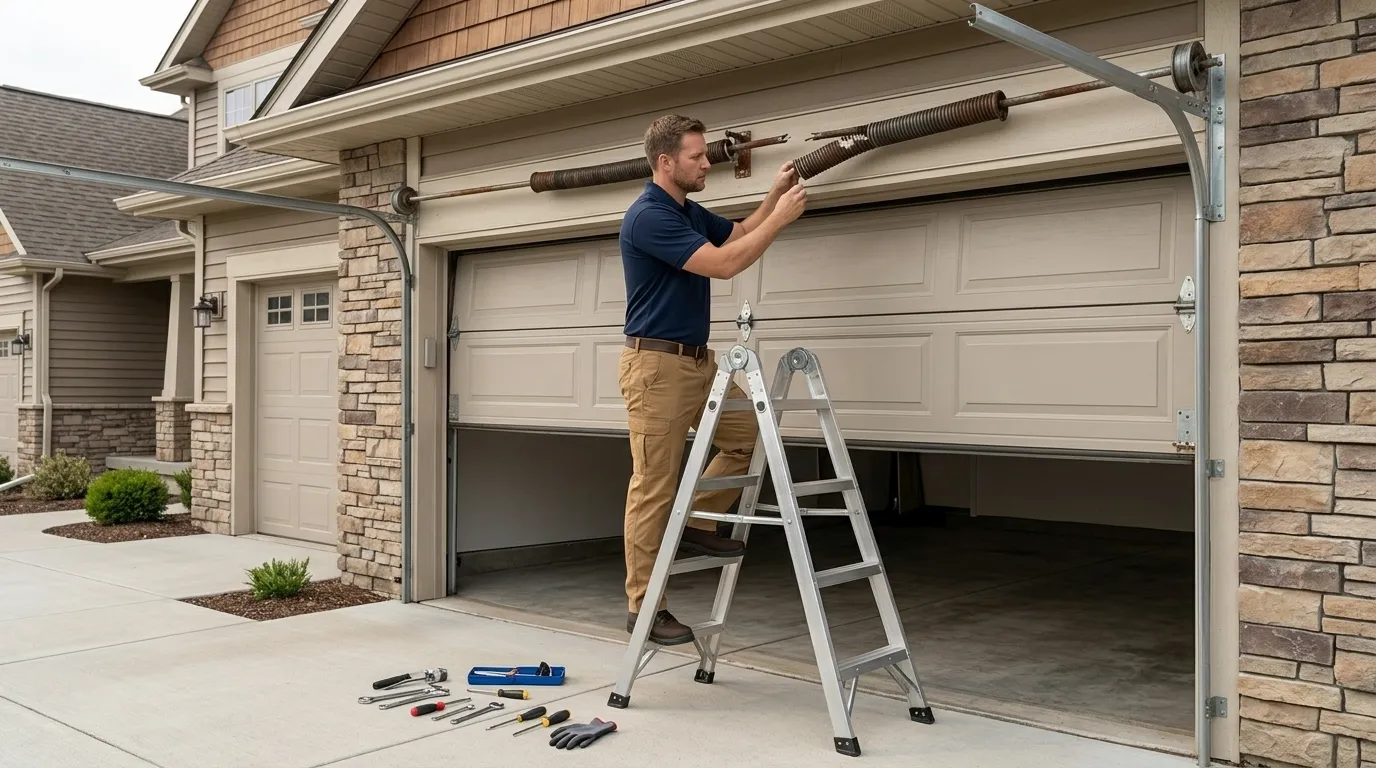
Given the housing era, the calls we get from this side of the valley run toward torsion spring replacement on doors that have never been serviced, roller and hinge swaps on original steel doors that have gone loud, and opener installs on garages that still have the manual chain-and-pulley or an opener original to the house. The climate band here is moderate heat, not extreme, so we're not chasing the kind of thermal expansion failures you'd see in a harsher climate - wear here is mostly age and cycle count, not weather damage. One honest limit: we don't do full structural framing work if a garage opening needs to be widened or the header needs replacing - that's a carpentry job, and we'll say so rather than take it on.
How it works
From “it’s stuck” to “it’s fixed”
01
Tell us what’s wrong
Describe the symptom - won’t open, loud bang, opener runs but the door won’t move.
02
On-site diagnosis
A technician tests the door under power and by hand and finds what actually failed.
03
Clear, up-front plan
You get the fix that’s needed and what drives the cost - before any work starts.
04
Repaired & tested
The repair is done, the door is set true and tested, and the work area left clean.
Next step
Serving Burbank, CA - tell us what your door’s doing and we’ll take it from there.
Straight answers about garage door repair in Burbank. Still unsure? Ask us directly.
Do you have a location in Panorama City?
No, we don't have a shop in the neighborhood. We're based in Burbank, about 7 miles WNW, and we send trucks out to Panorama City as part of our regular coverage area.
Why does my garage door opener strain to lift the door?
On houses from the pre-1960 wave common across this valley, torsion springs are often original or undersized for a heavier replacement door. The opener ends up doing work the spring should be doing, which wears the motor faster.
Is the heat out here hard on garage door parts?
This area sits in a moderate heat band, not an extreme one, so we don't see much heat-driven failure. Most of what we replace out here fails from age and use, not weather.