What Is Built Here
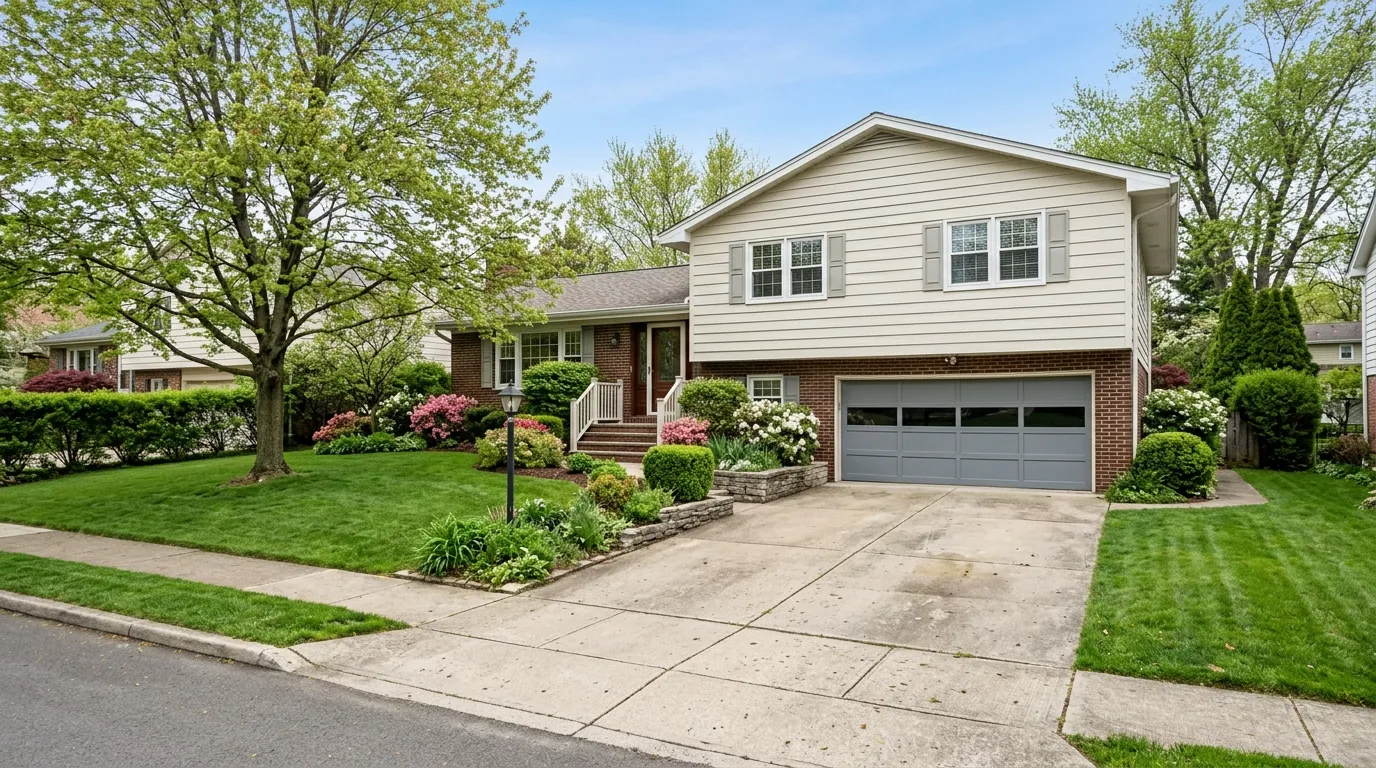
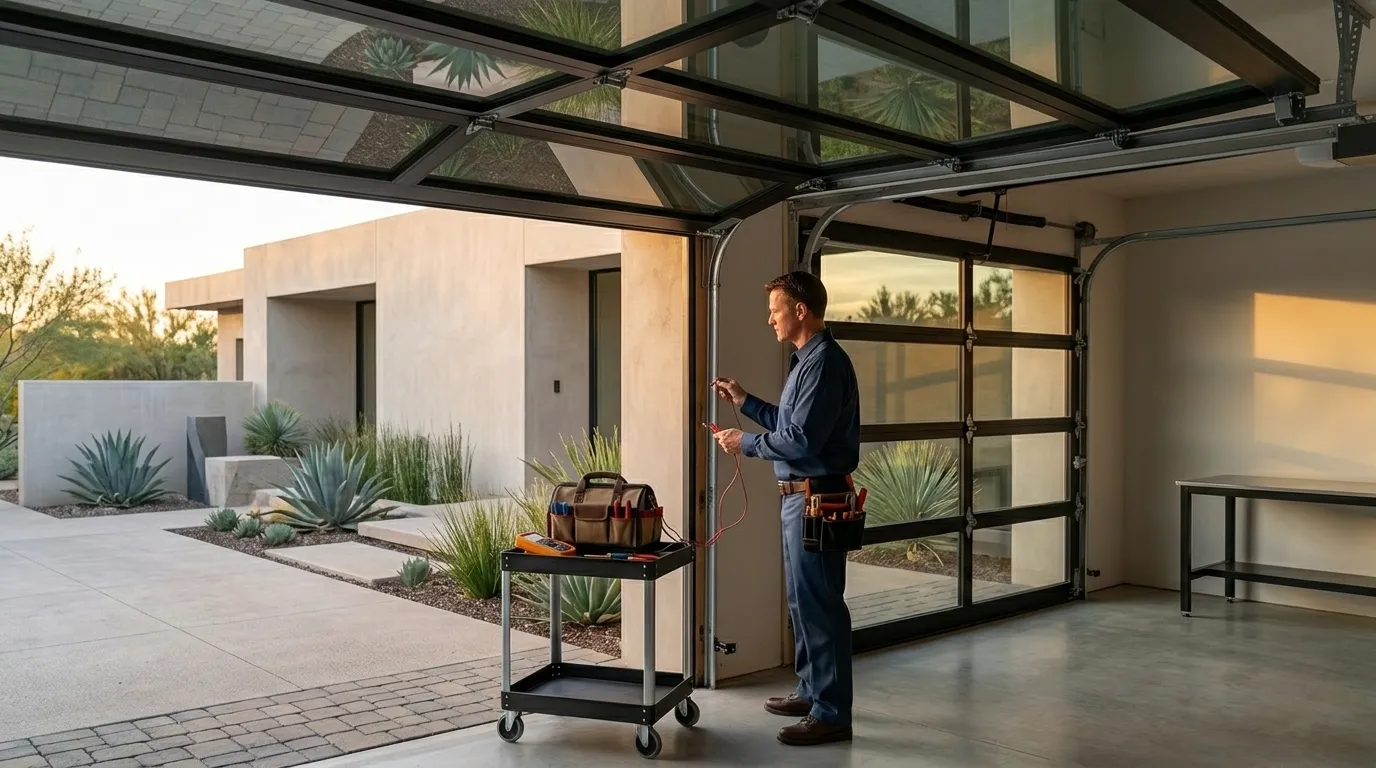
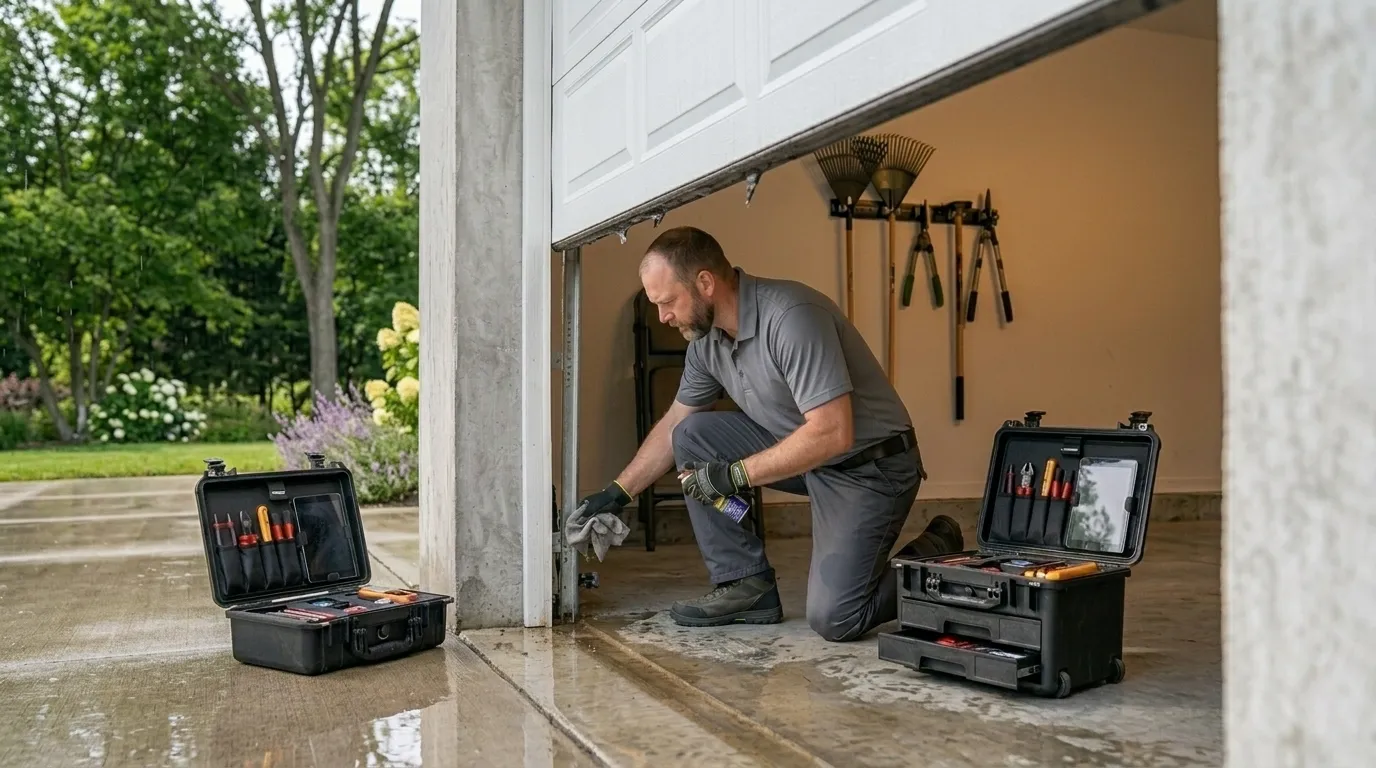
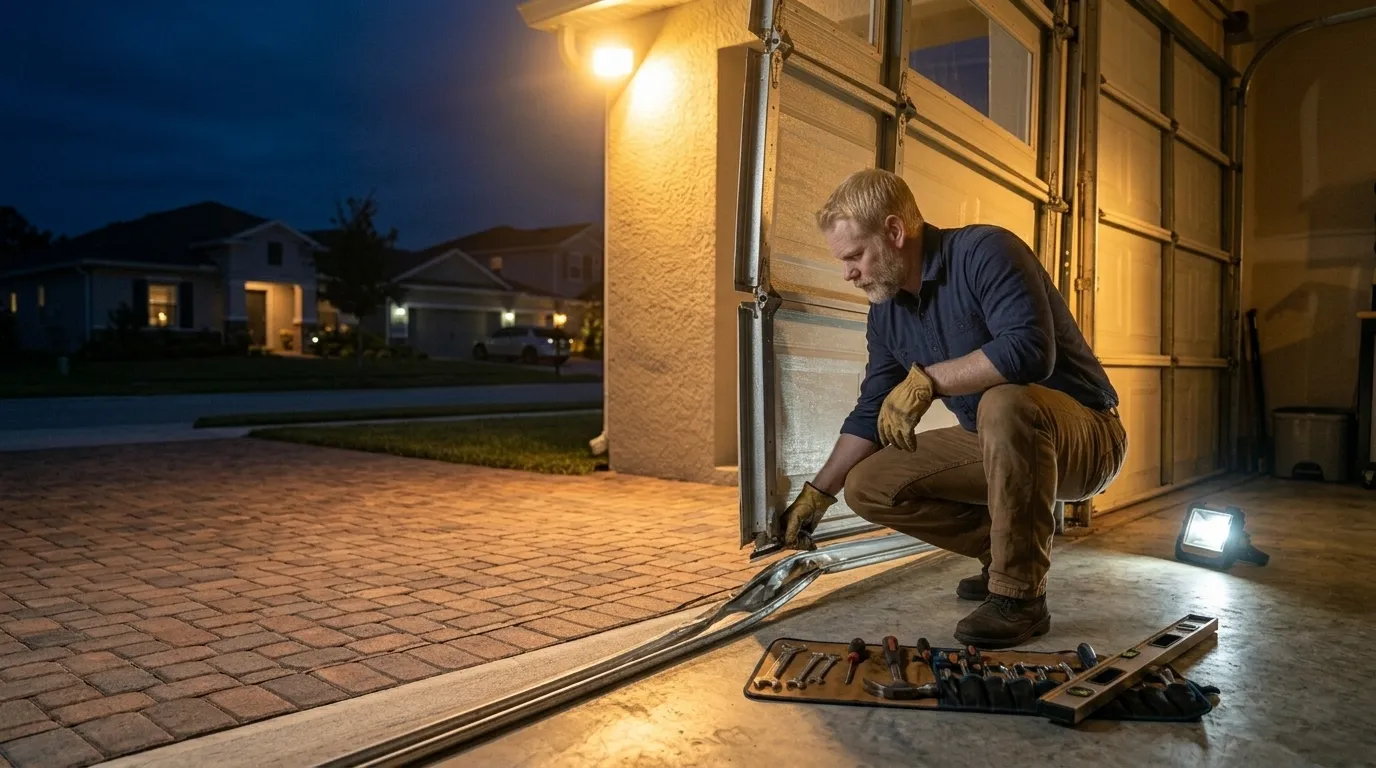
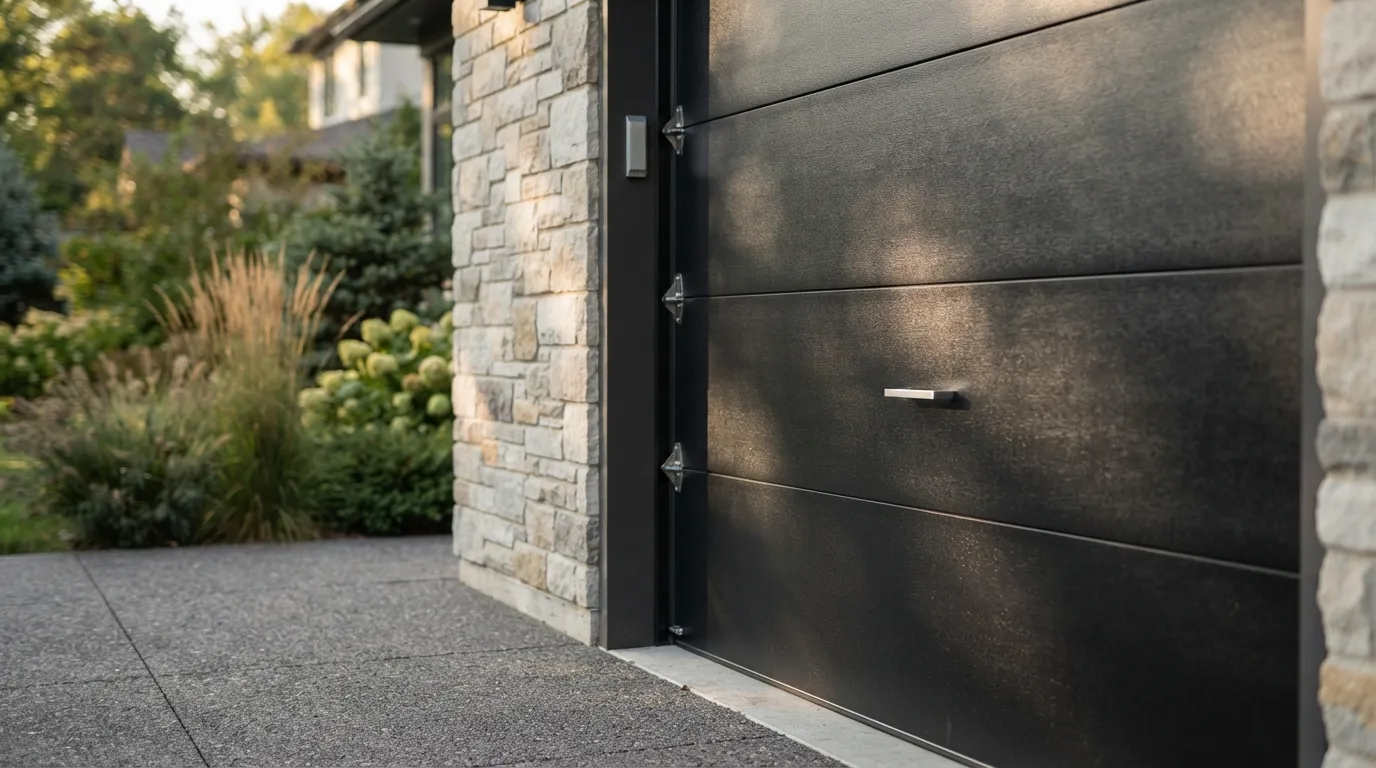
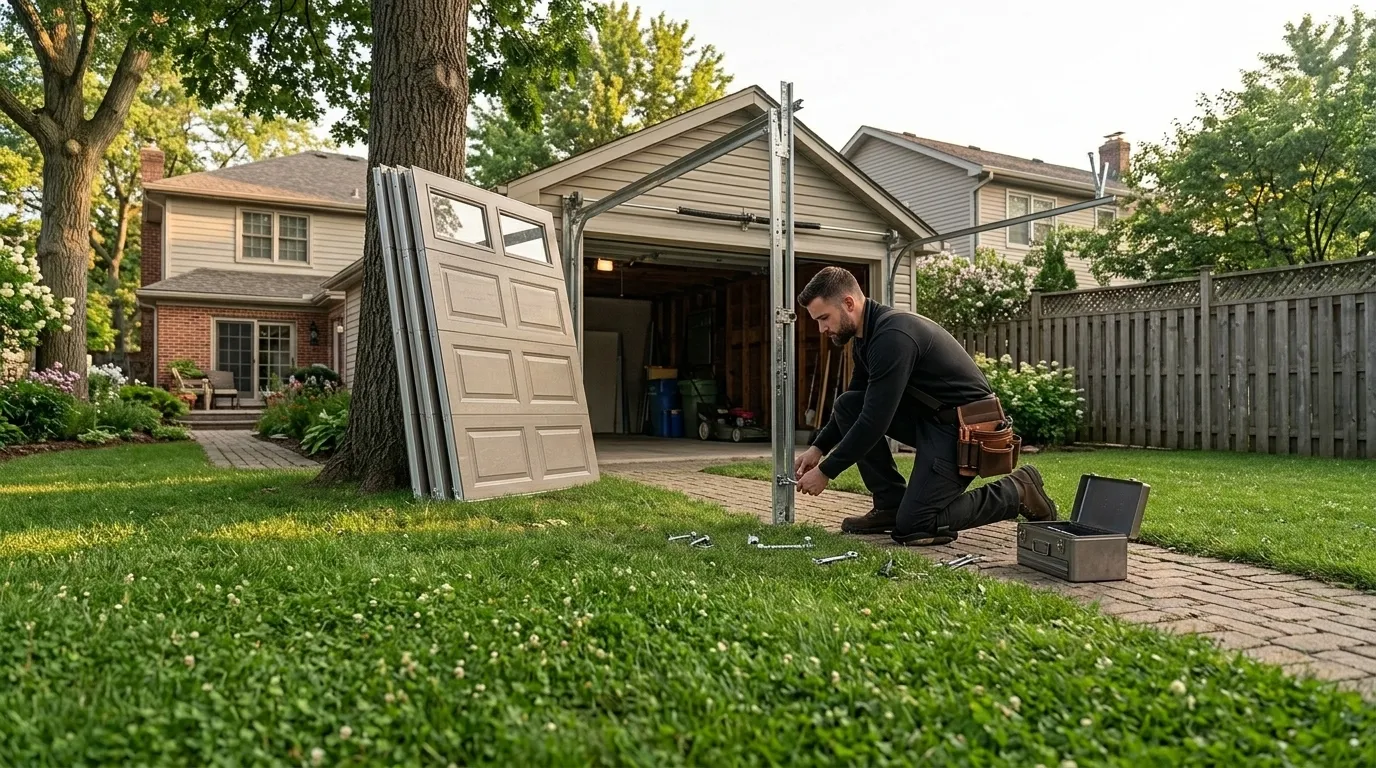
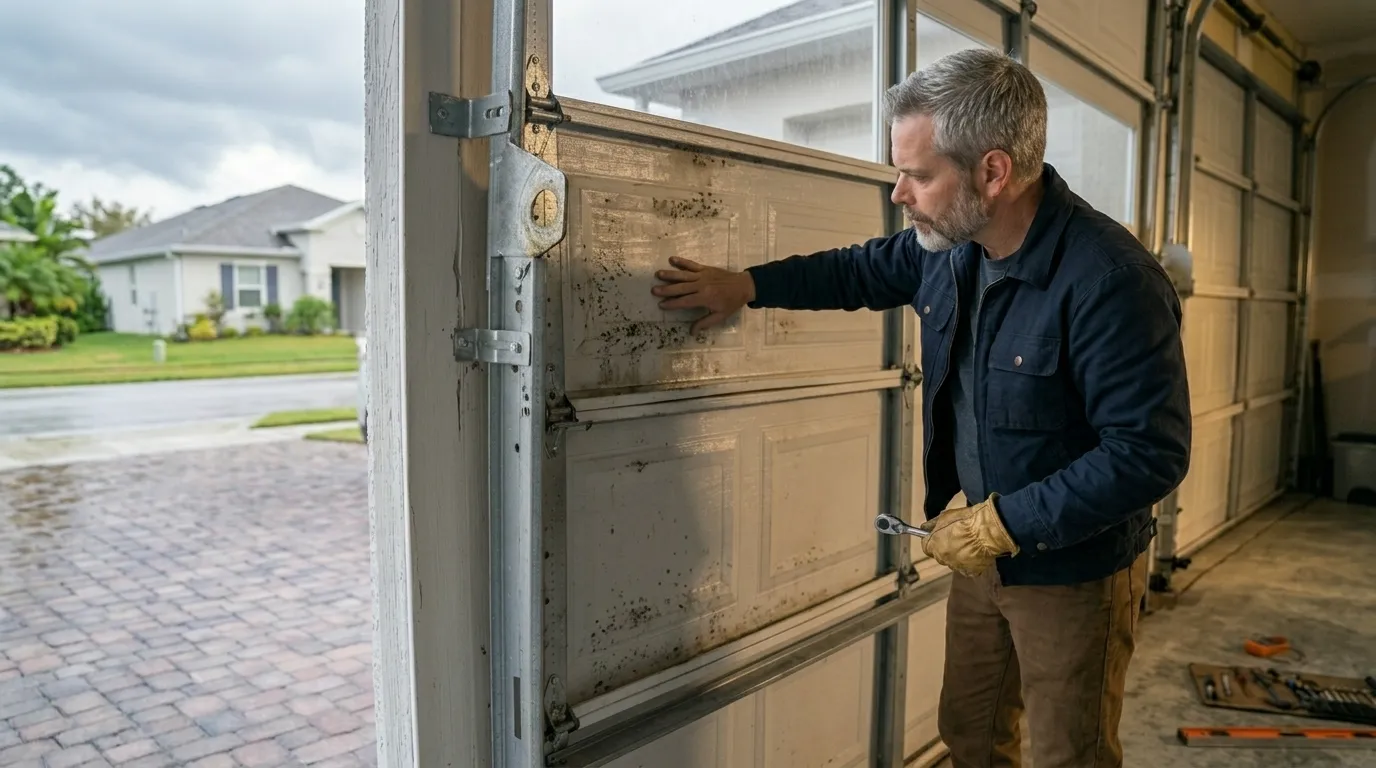
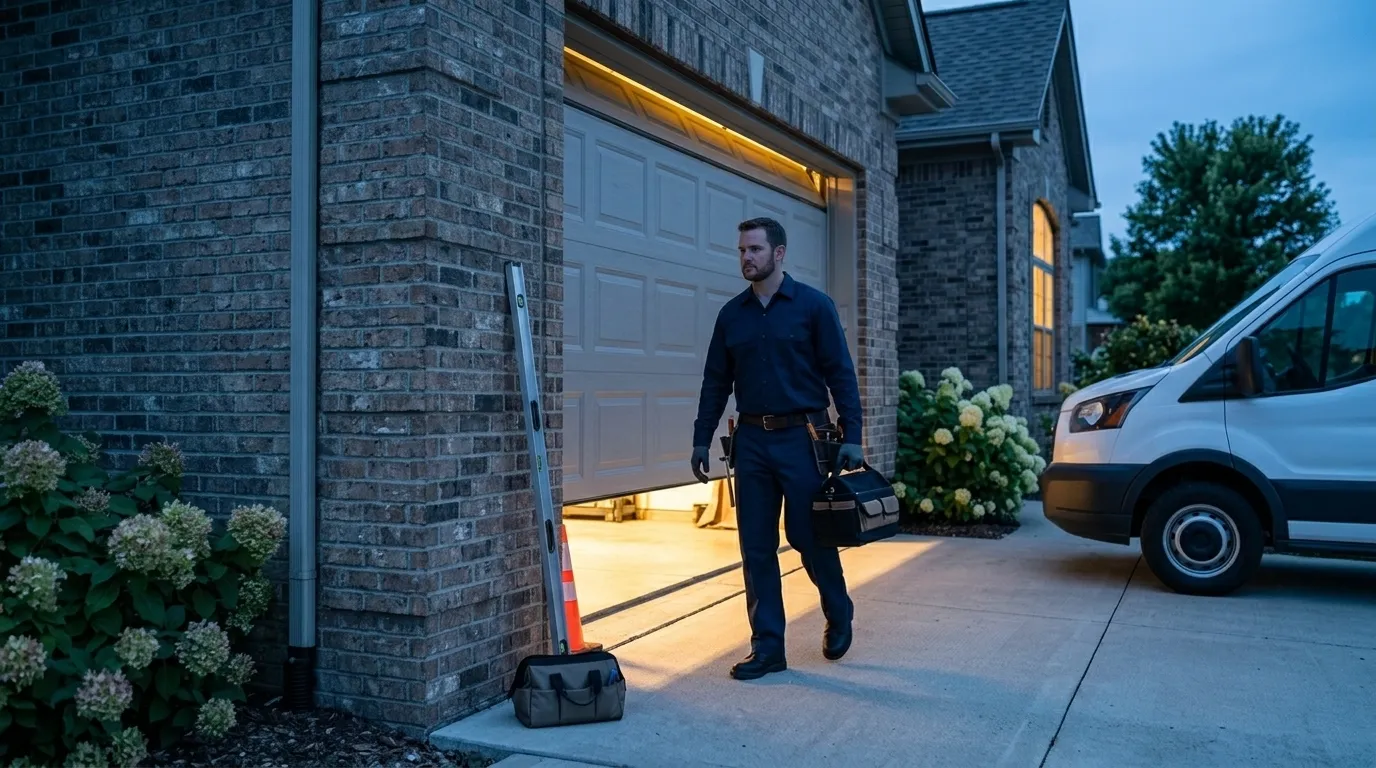
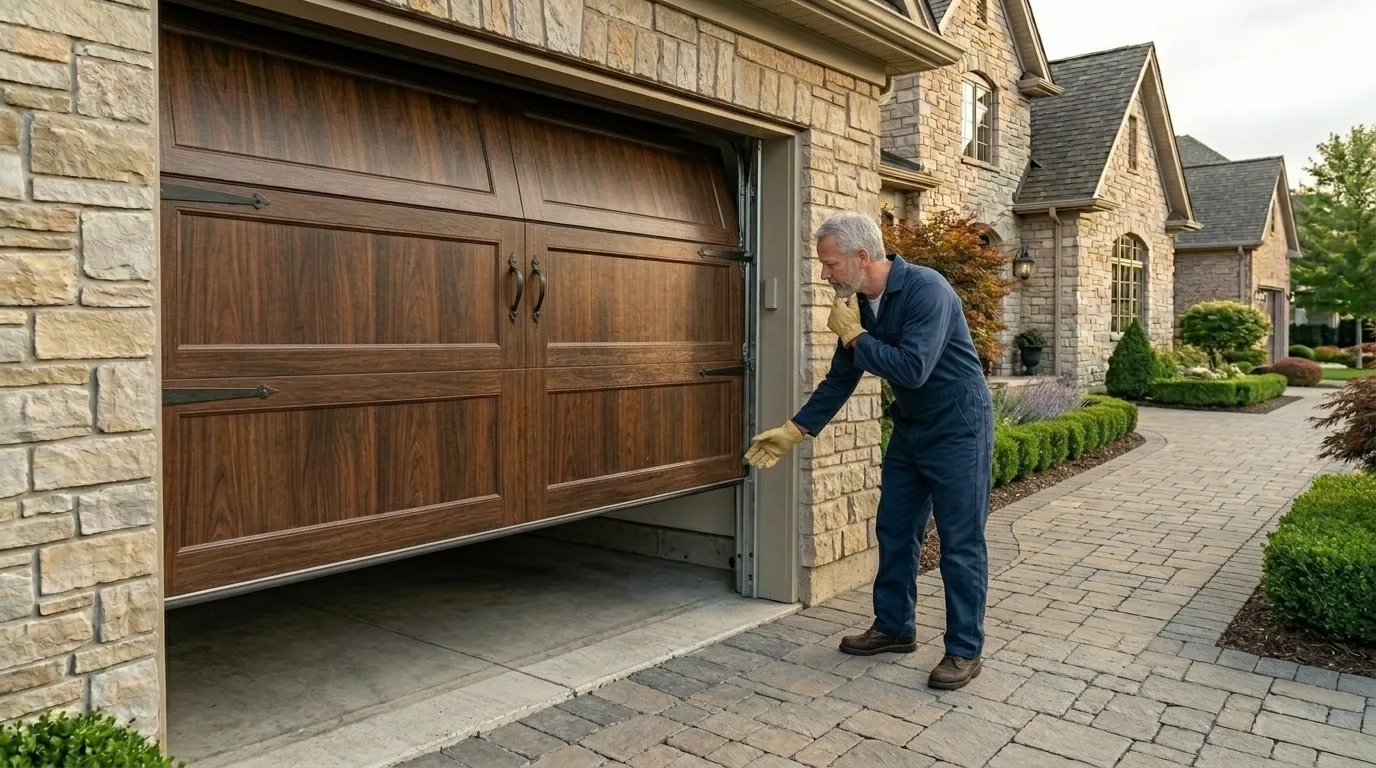
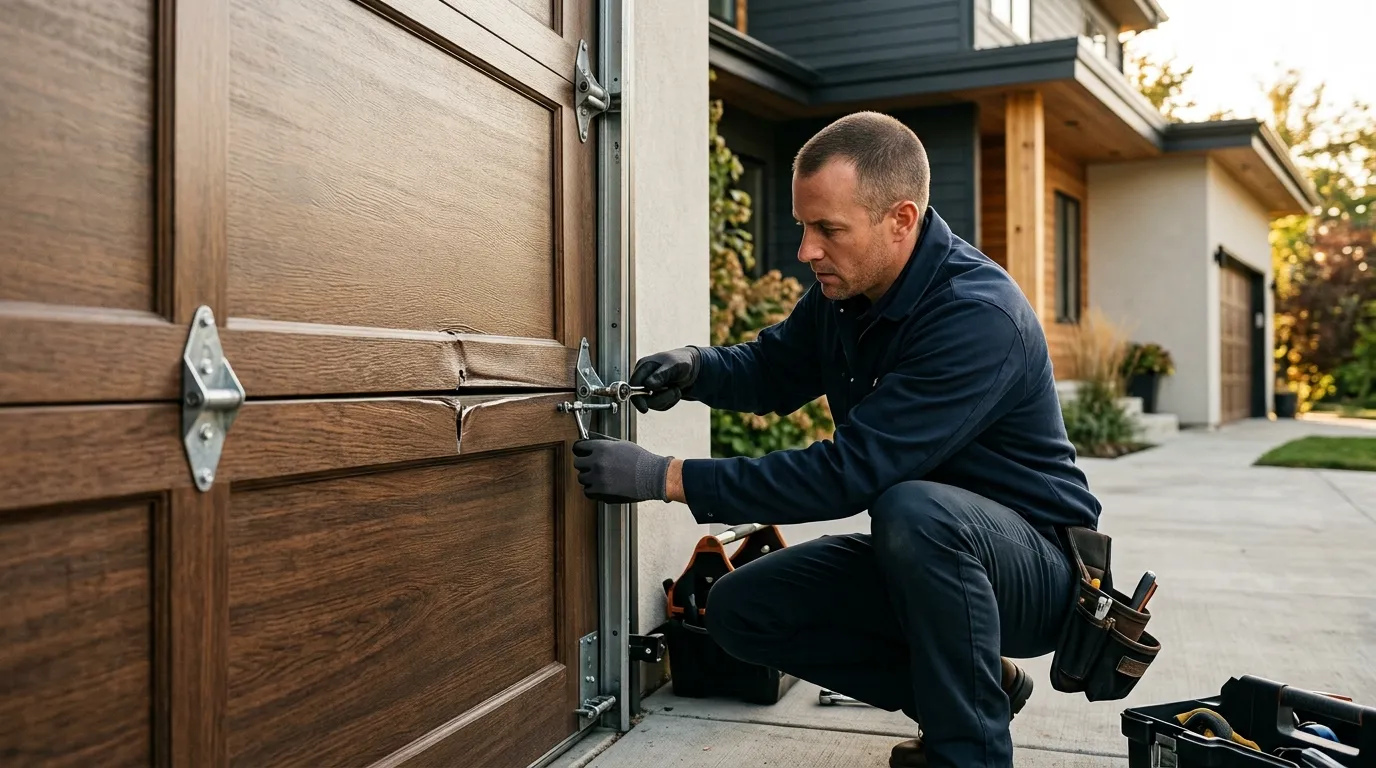
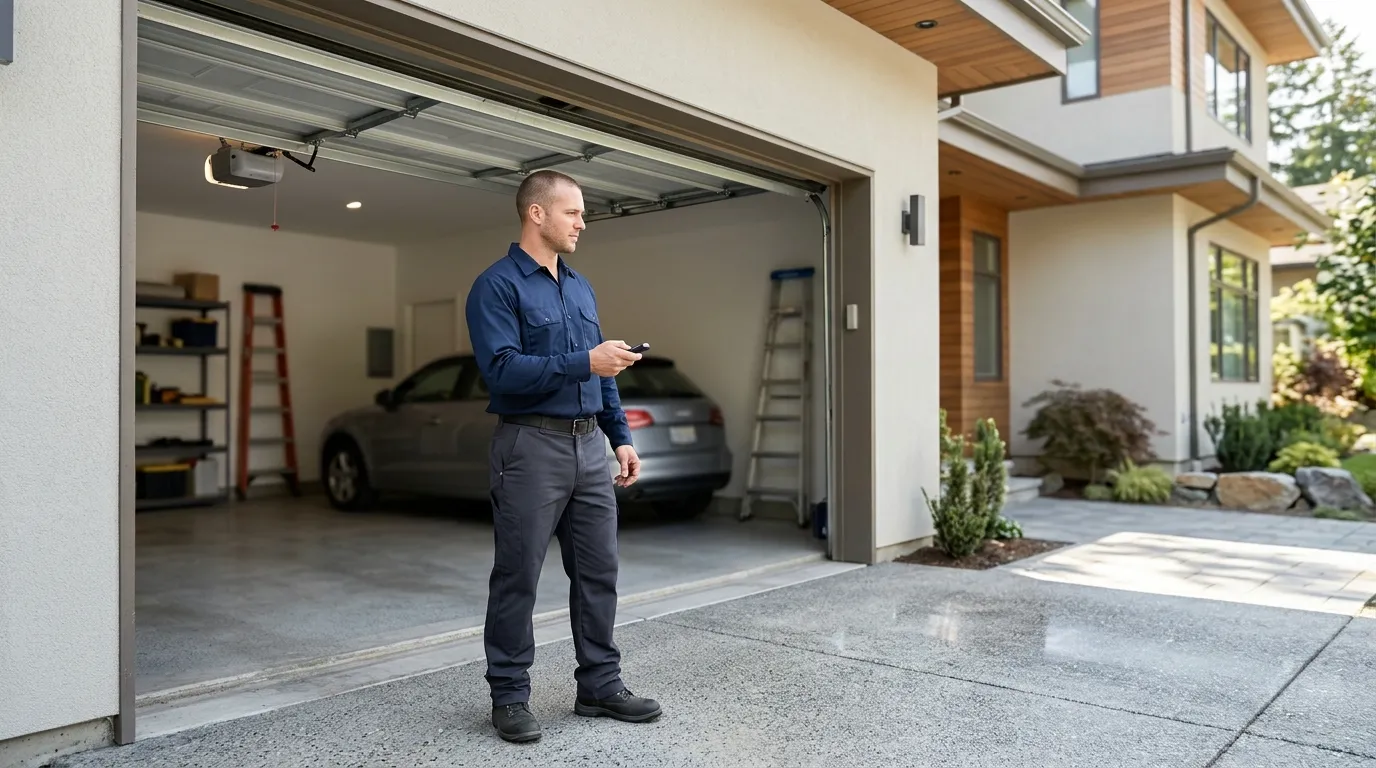
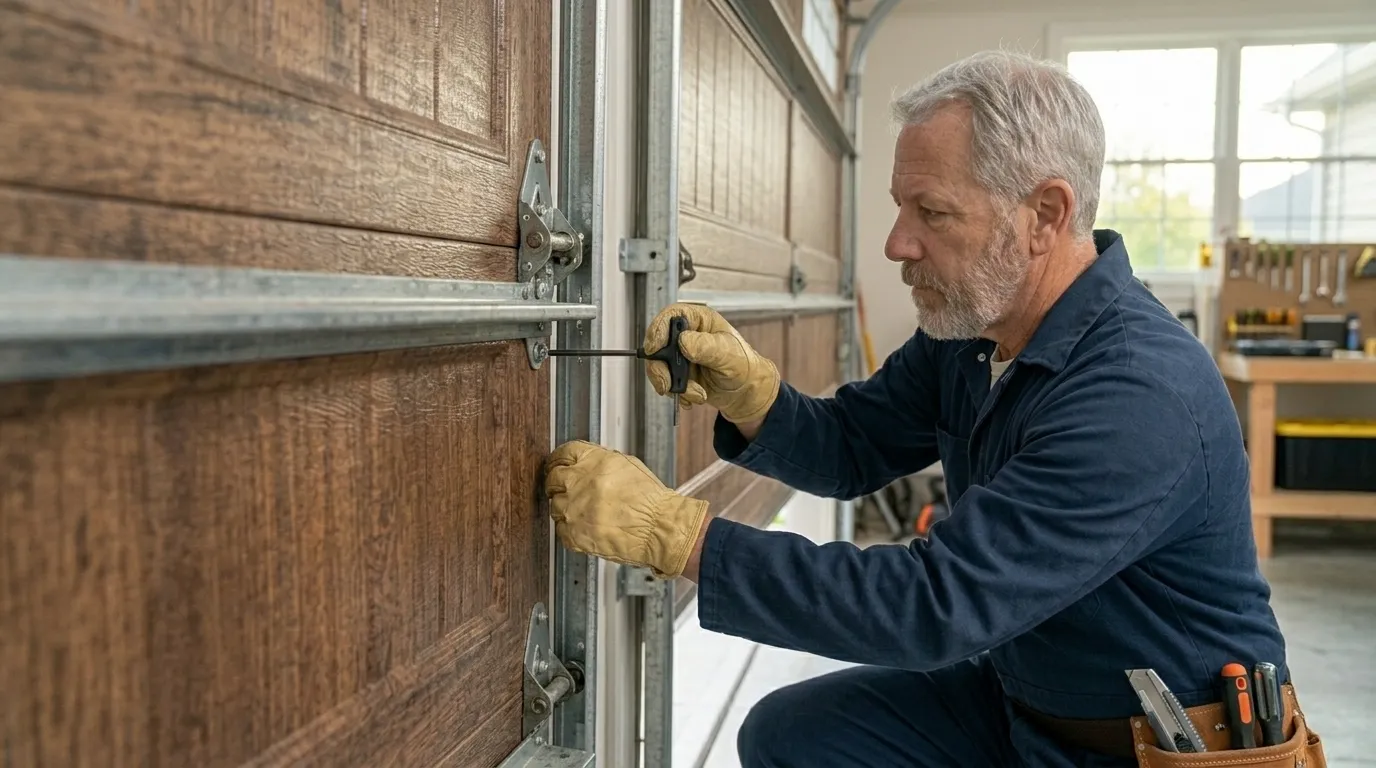
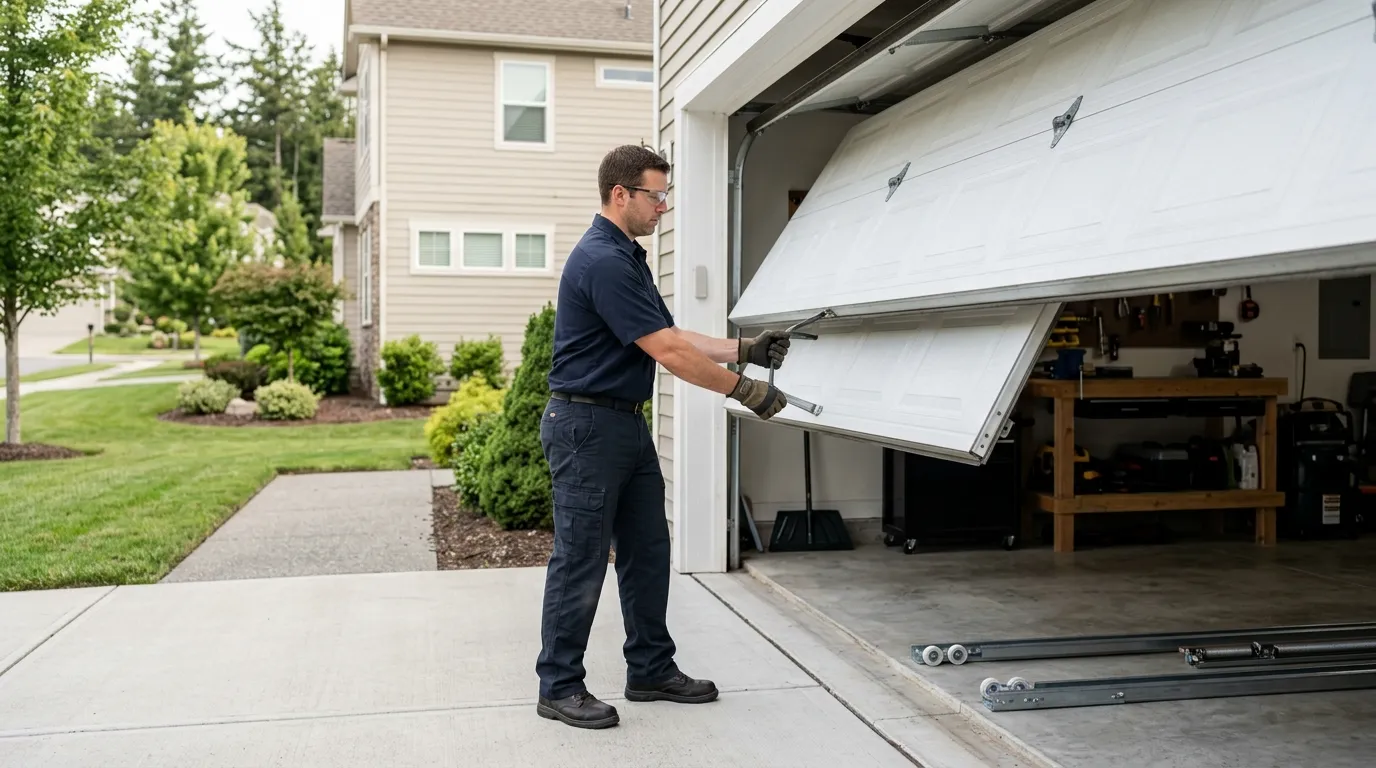
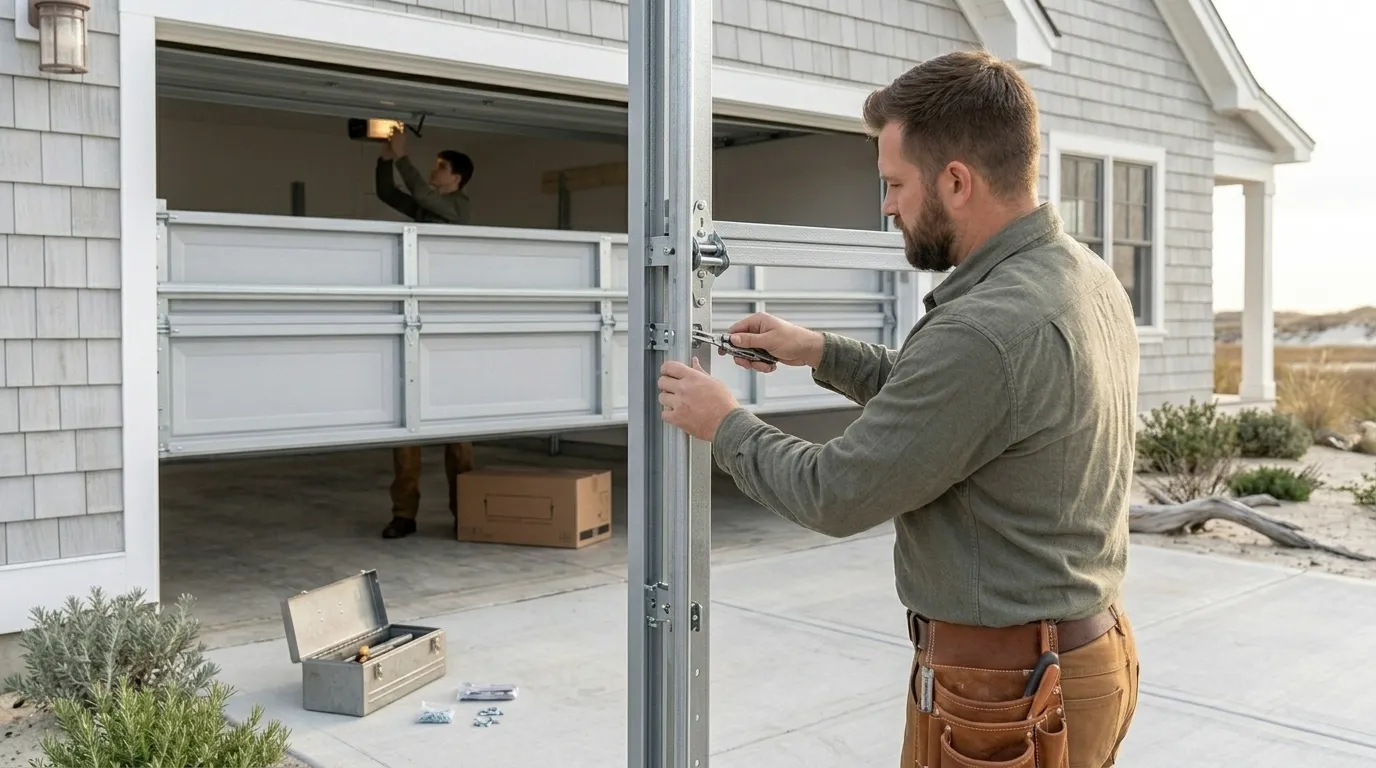
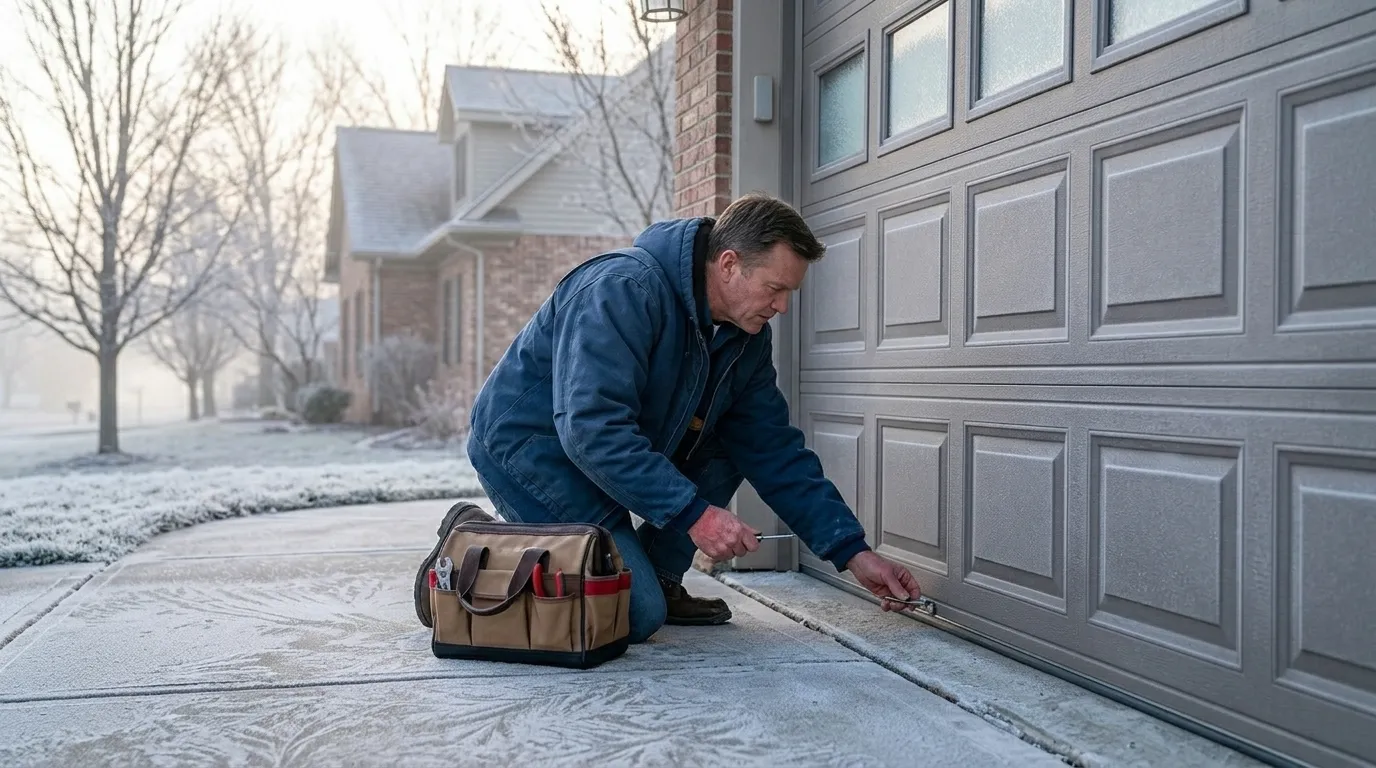
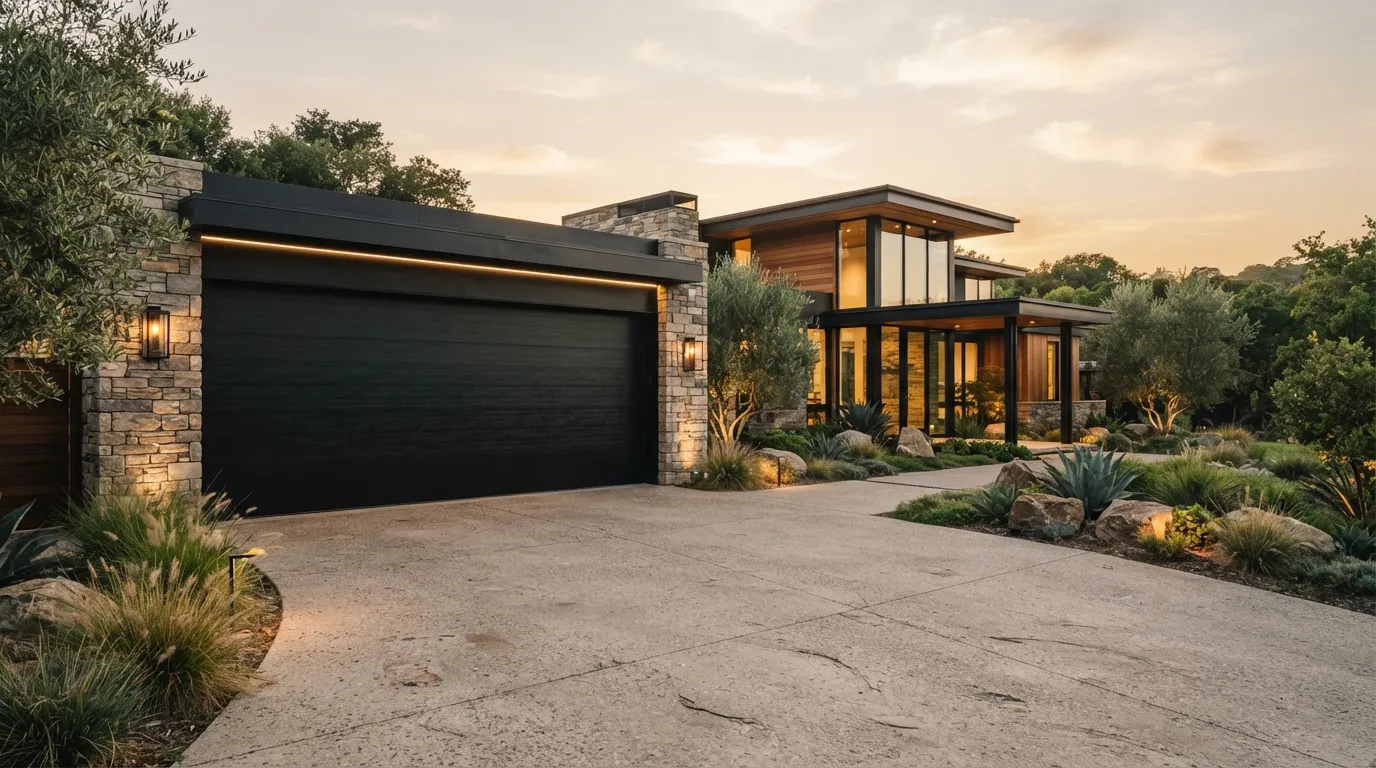
A median build year of 1959 means a lot of Lake Balboa's garage stock started life as a single steel panel on a torsion spring bolted straight to the header, no bottom brackets rated for today's rollers, no photo-eye safety sensors because those weren't required yet. Some of these have been replaced outright over the decades; plenty haven't, especially where a house changed hands only once or twice. On the newer end of that 1943-2012 window you get sectional doors with extension or torsion springs on proper end bearing plates, and openers that are at least electronically serviceable even when the door itself has been neglected. Burbank sits in a moderate heat band rather than a heavy snow or hard-freeze zone, so the wear pattern we see leans toward dried-out lubricant, sun-brittled seals, and springs that finally give out from thermal cycling rather than ice load snapping a cable. That's a narrower failure profile than a lot of climates deal with, which is one reason parts availability here tends to be workable rather than a scramble.
Where This Is
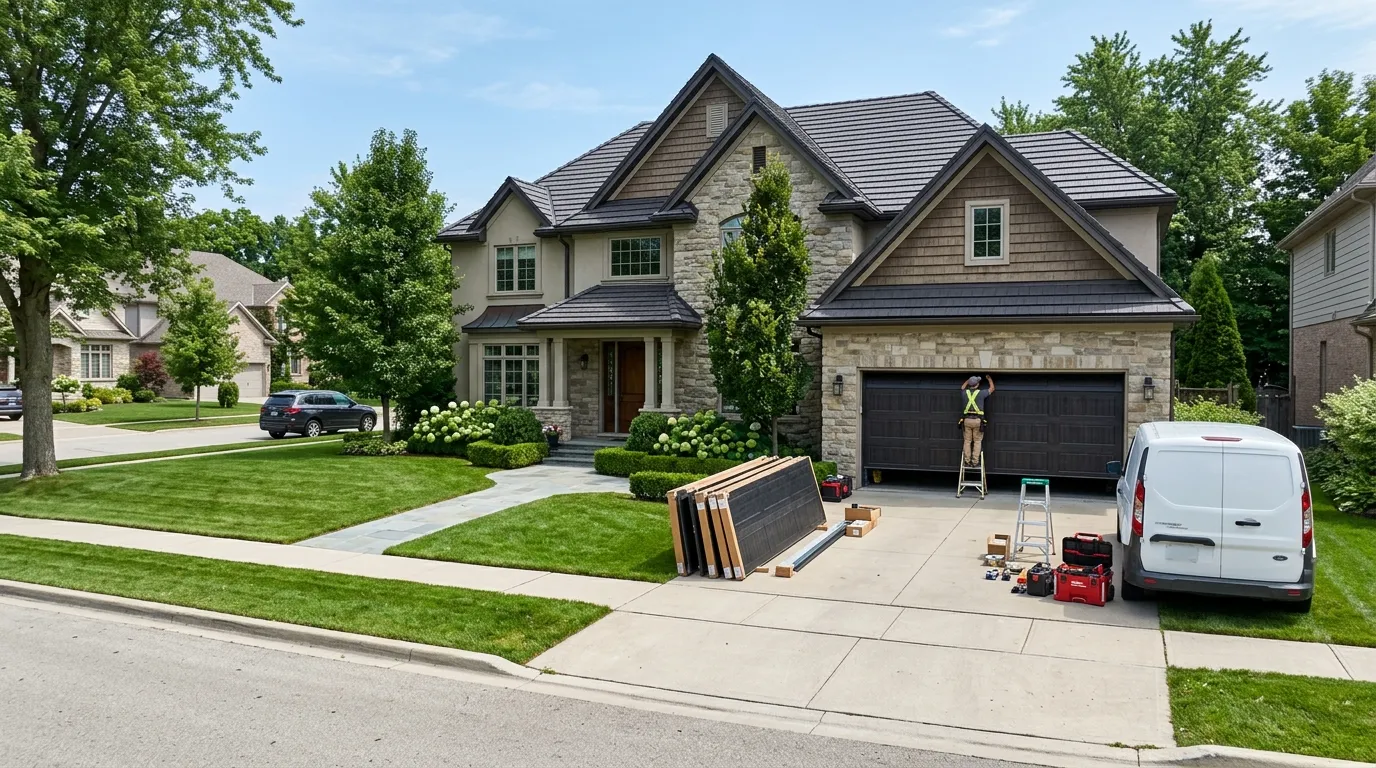
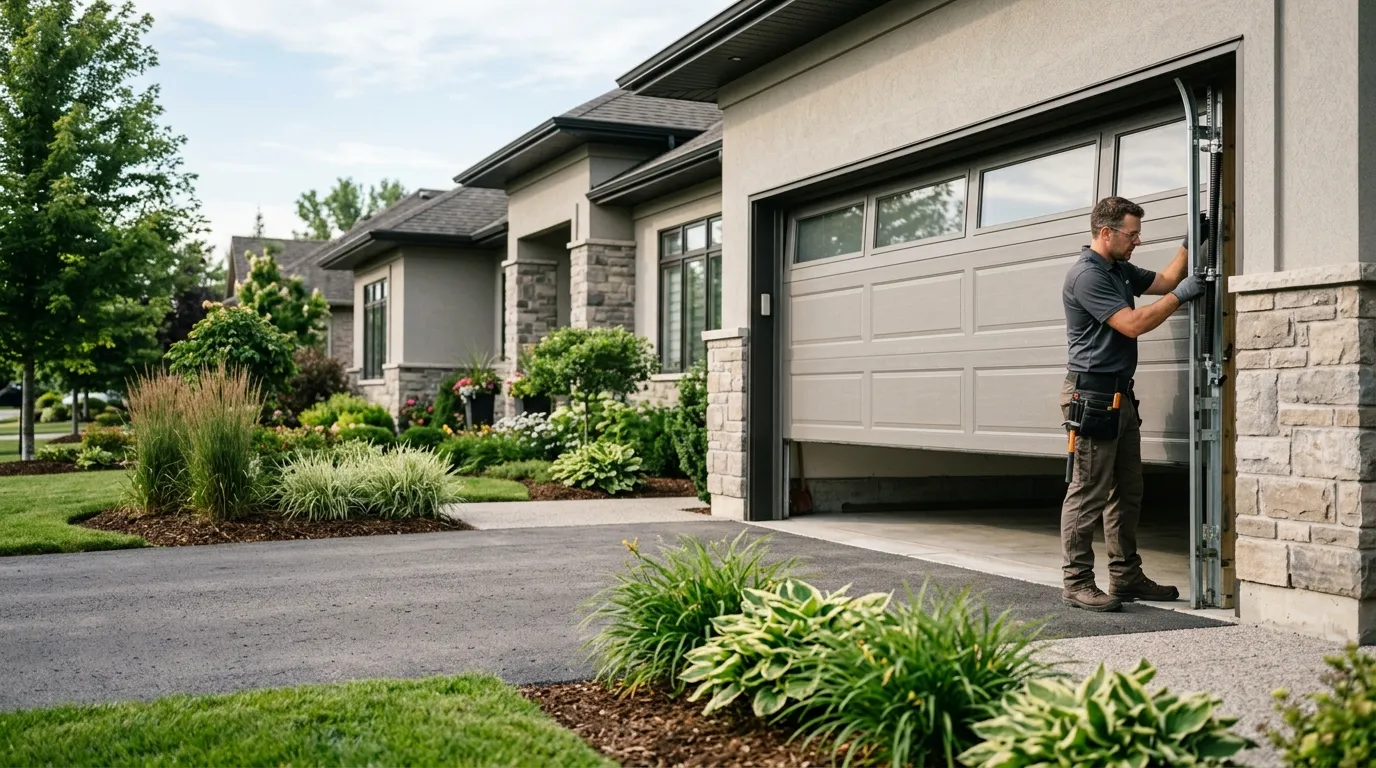
Ten miles west of the center puts Lake Balboa well out toward the edge of what we'd call a same-day service radius depending on the day's schedule - we're honest about that rather than promising a window we can't hold. The wider service area runs 520,756 households and 145,743 owner-occupied houses, and Lake Balboa is one slice of that, not a special case with its own separate stats. Median household income across the area sits at $86,956, which in practical terms means most jobs here - a spring set, a full opener swap, a bent track straightened or replaced - are ones owners choose to do properly rather than patch and hope. We're not going to name cross streets or landmarks we don't have verified, because a wrong one undercuts everything else on this page. If you're trying to confirm we cover your block, the honest answer is: call and give us the address, and we'll tell you straight.