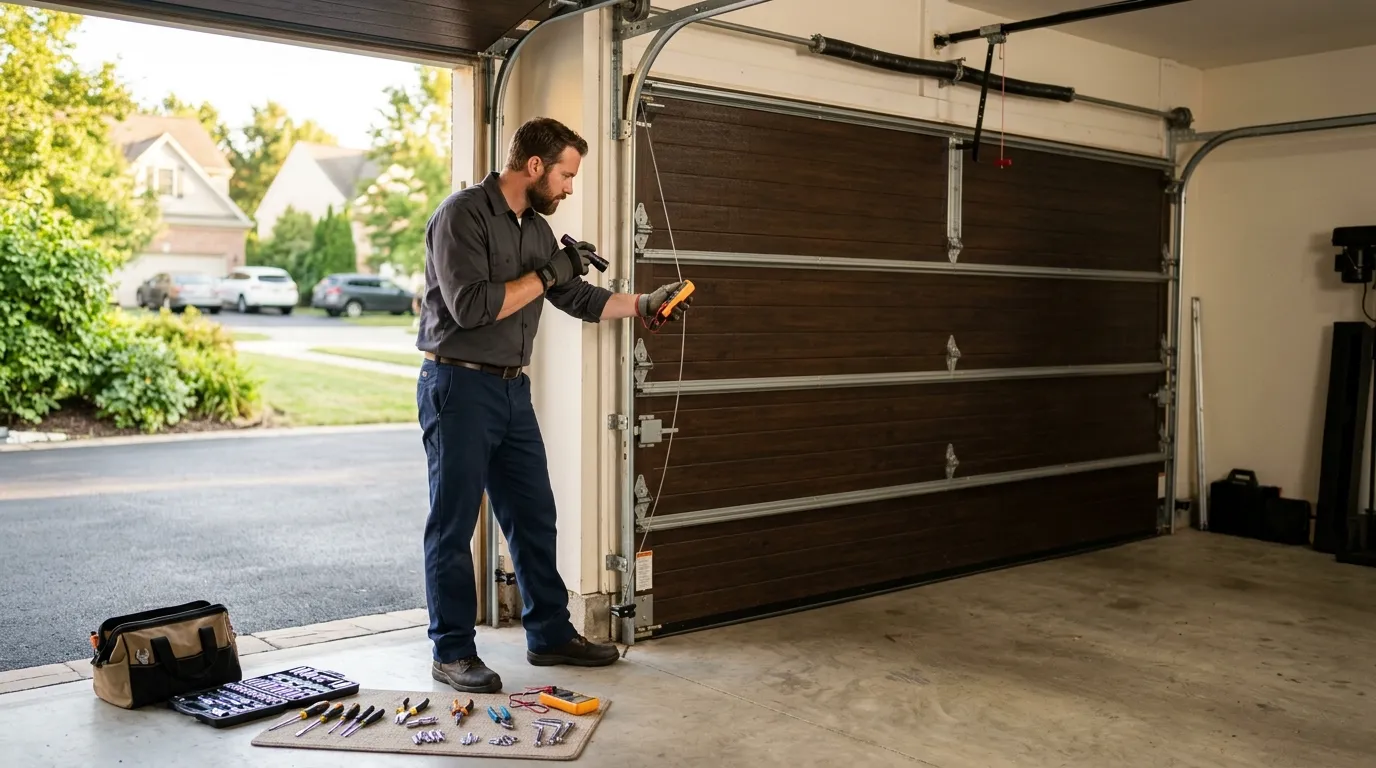
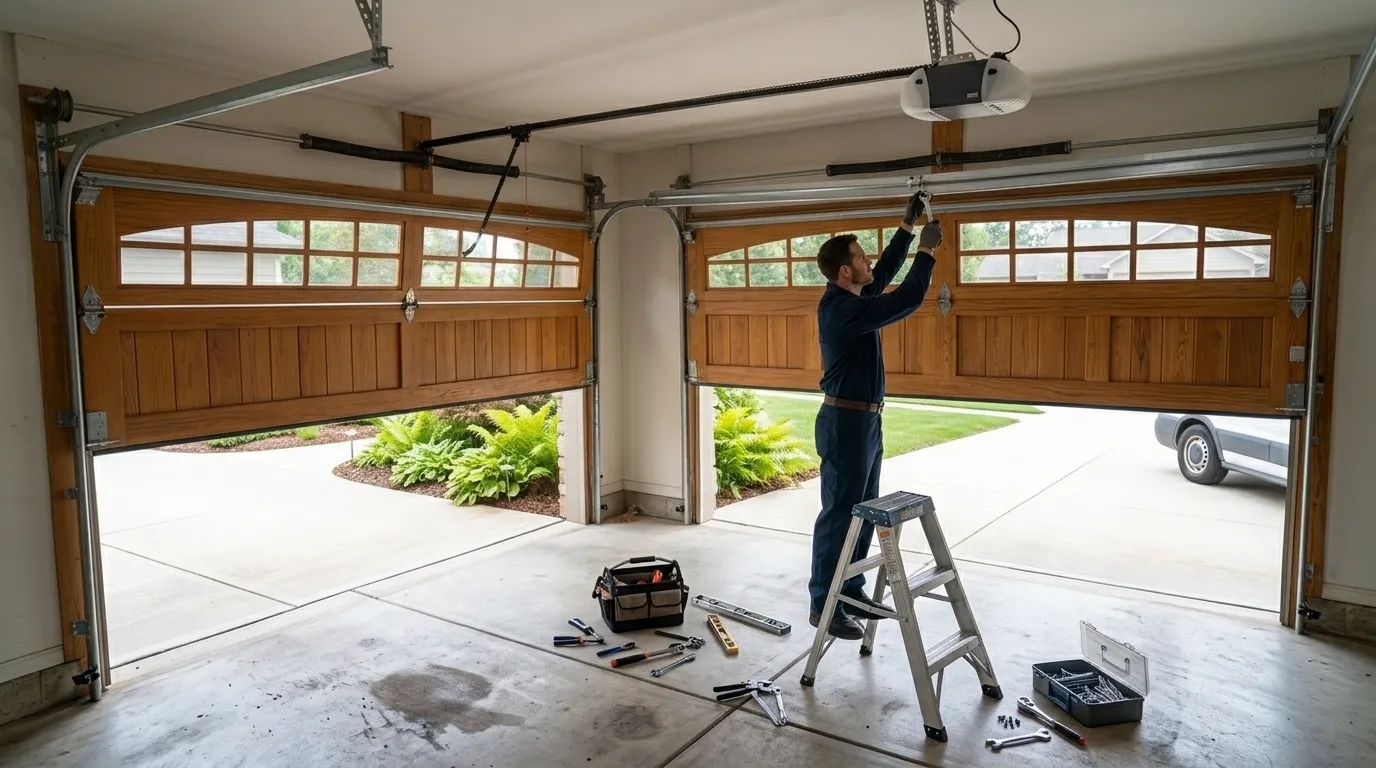
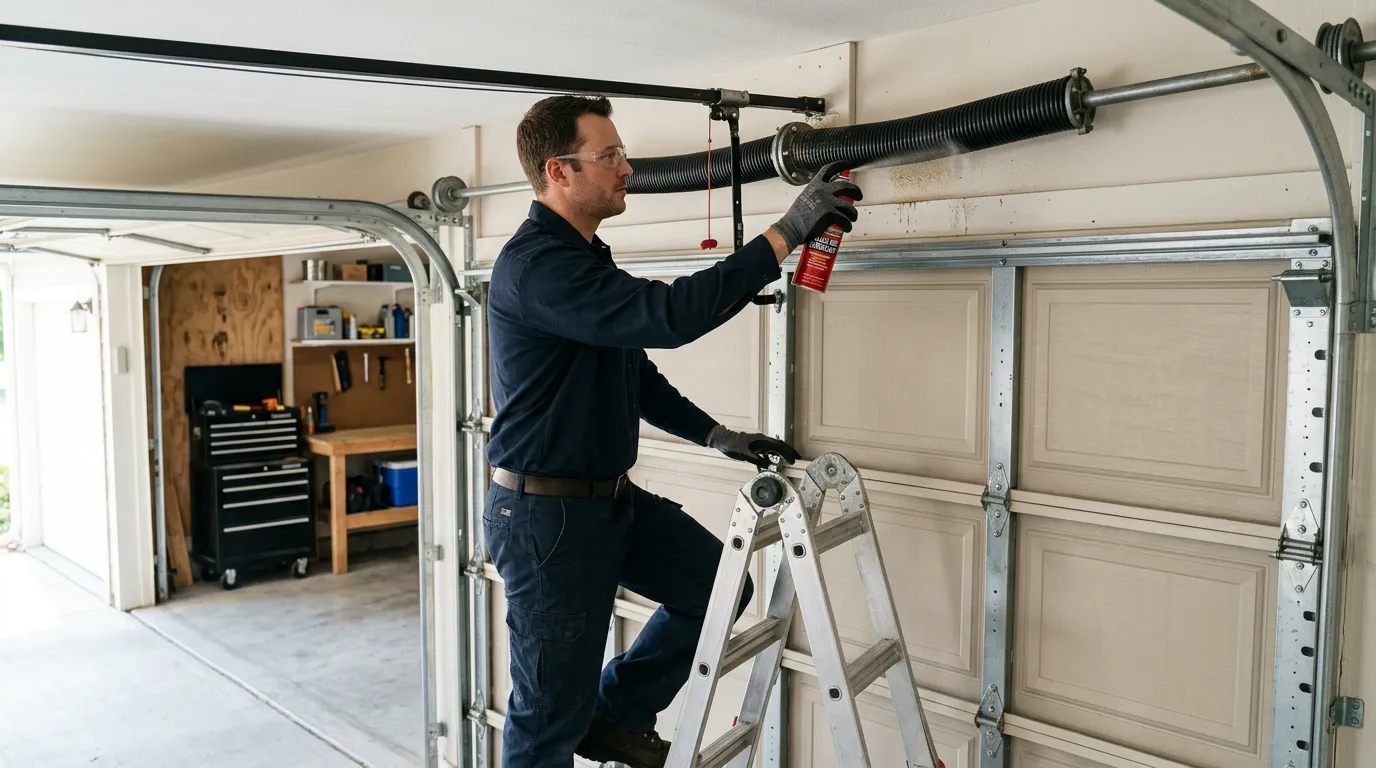
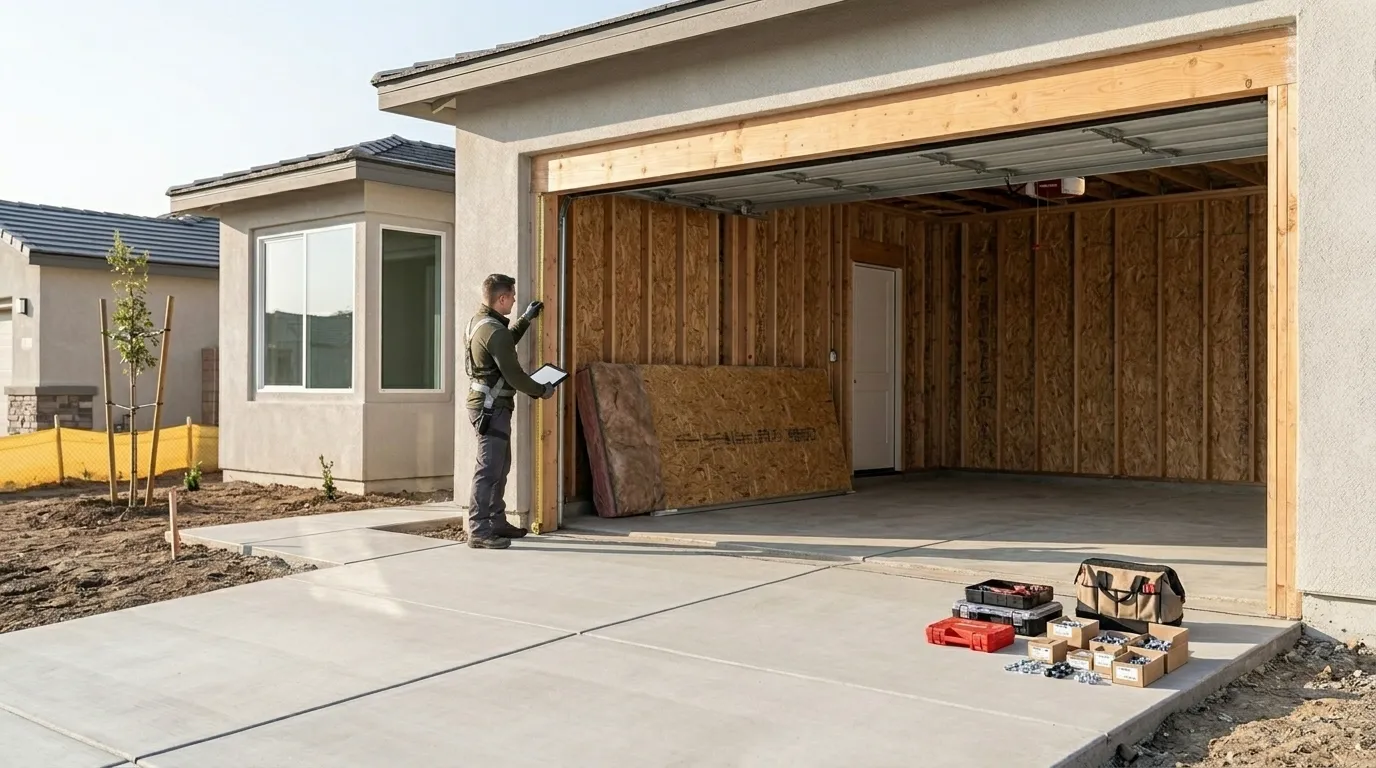
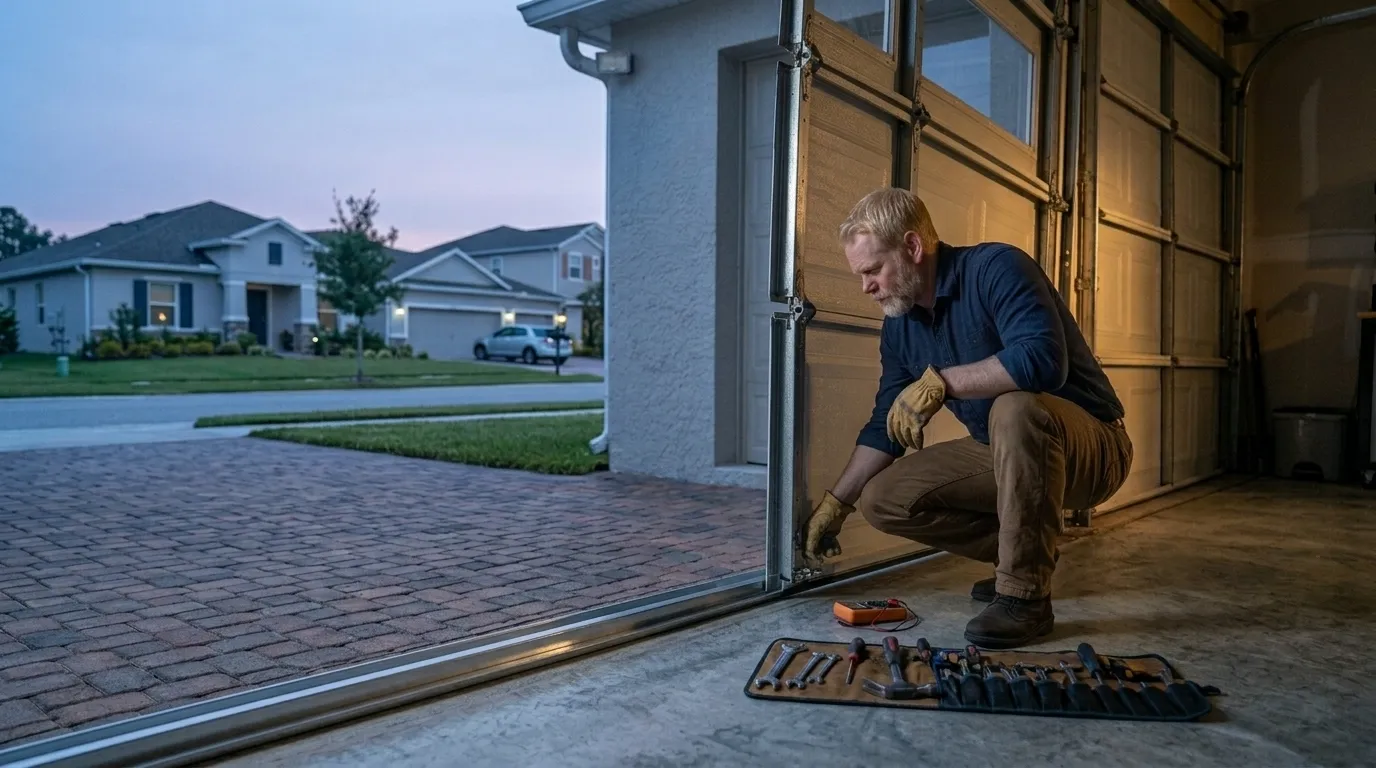
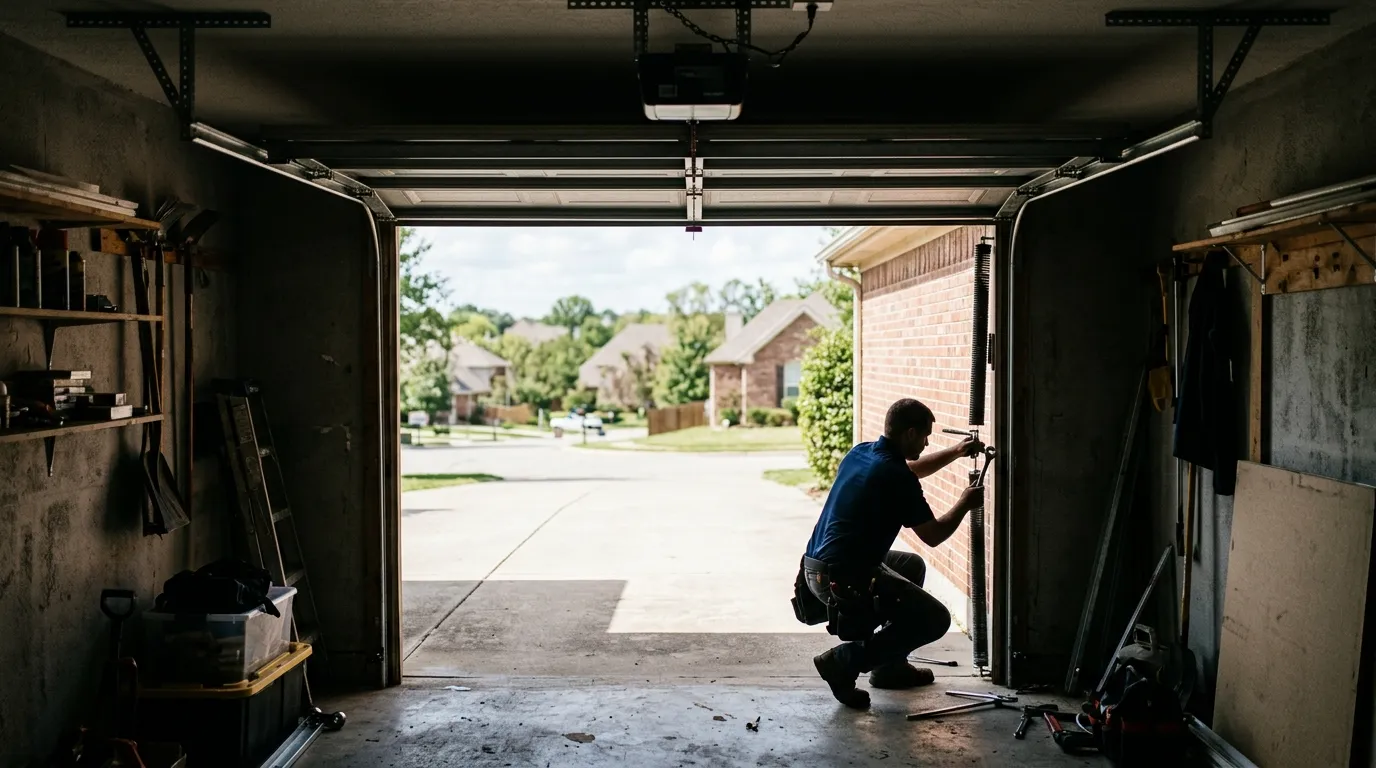
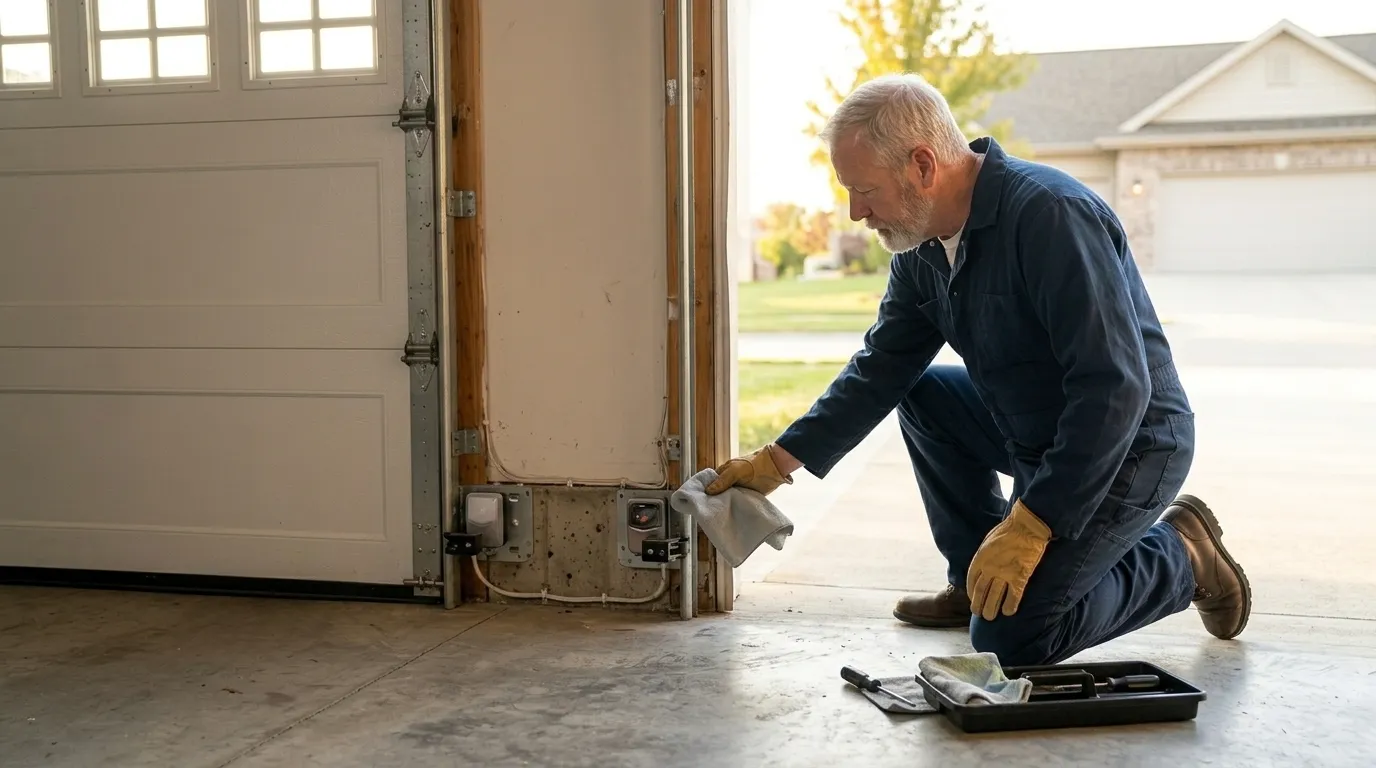
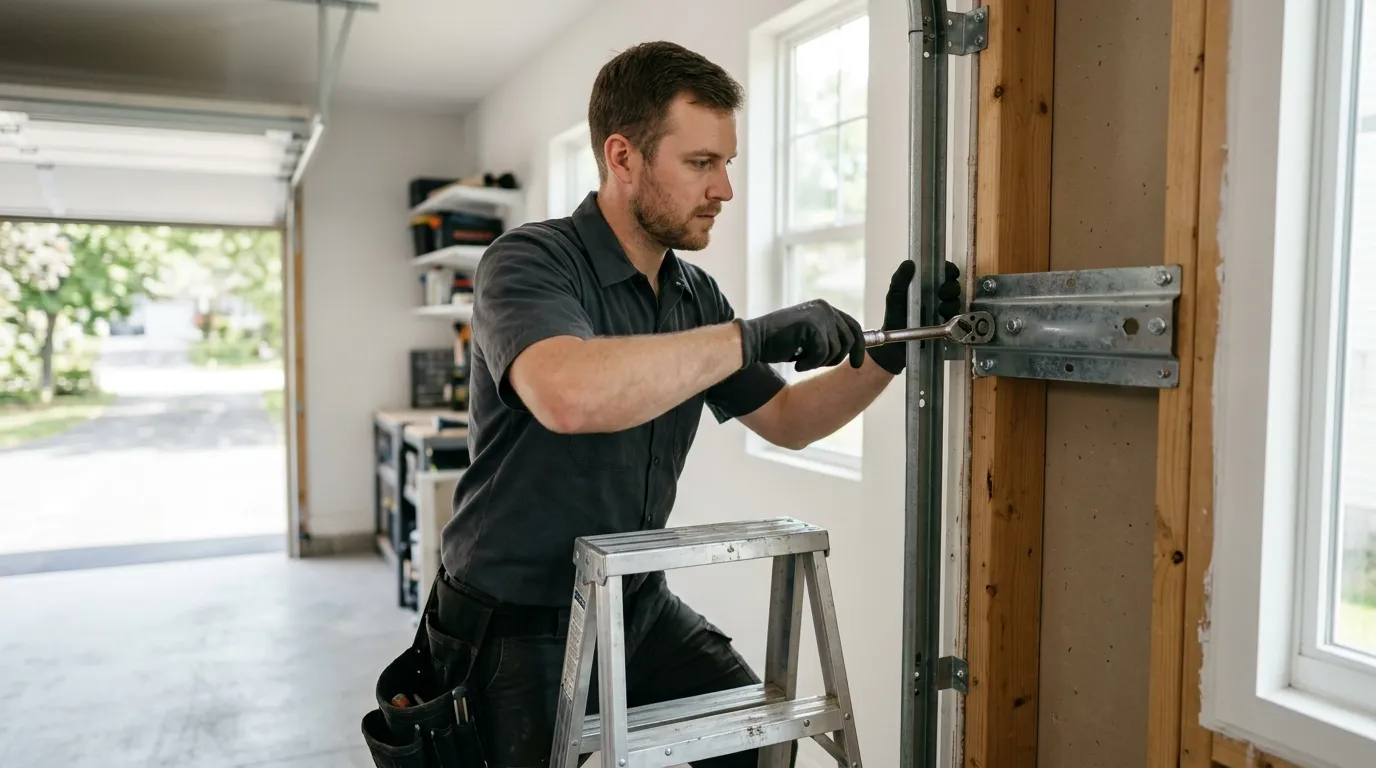
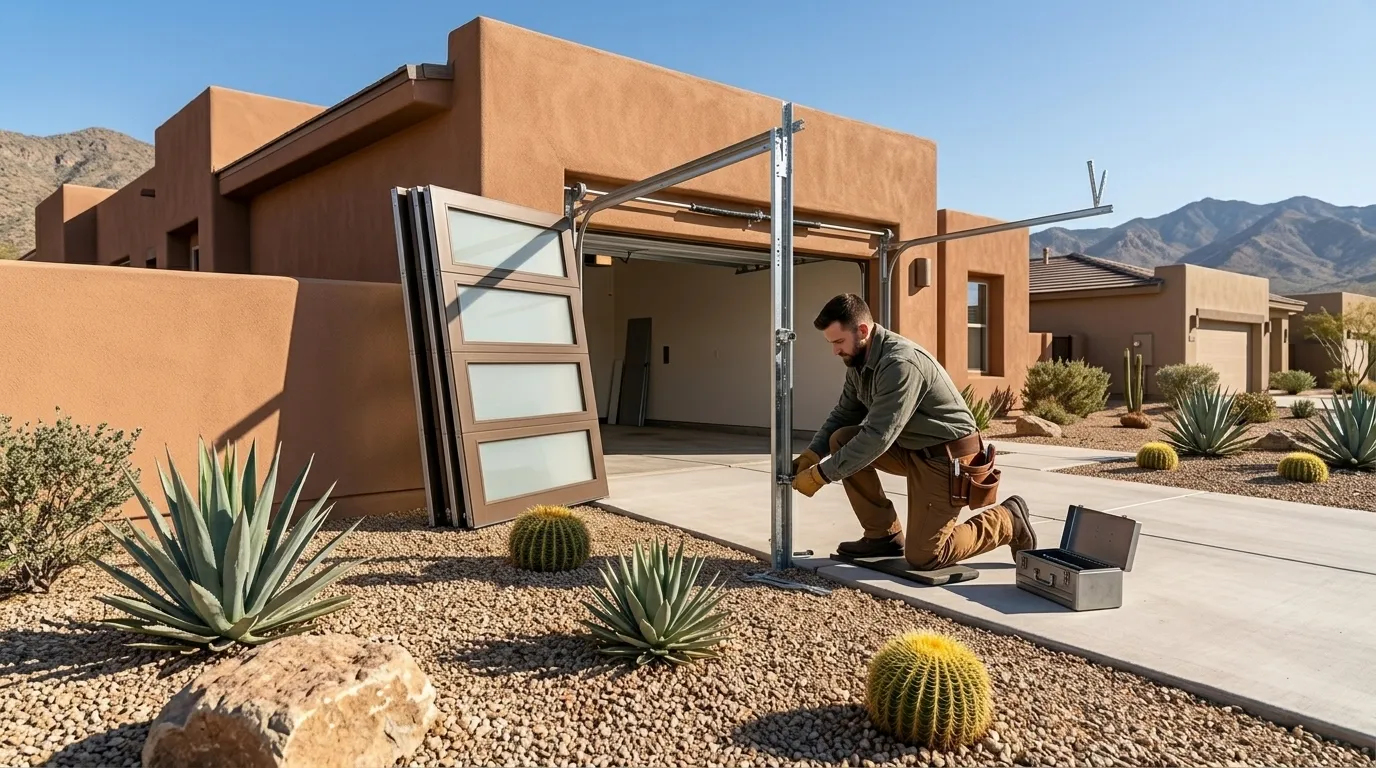
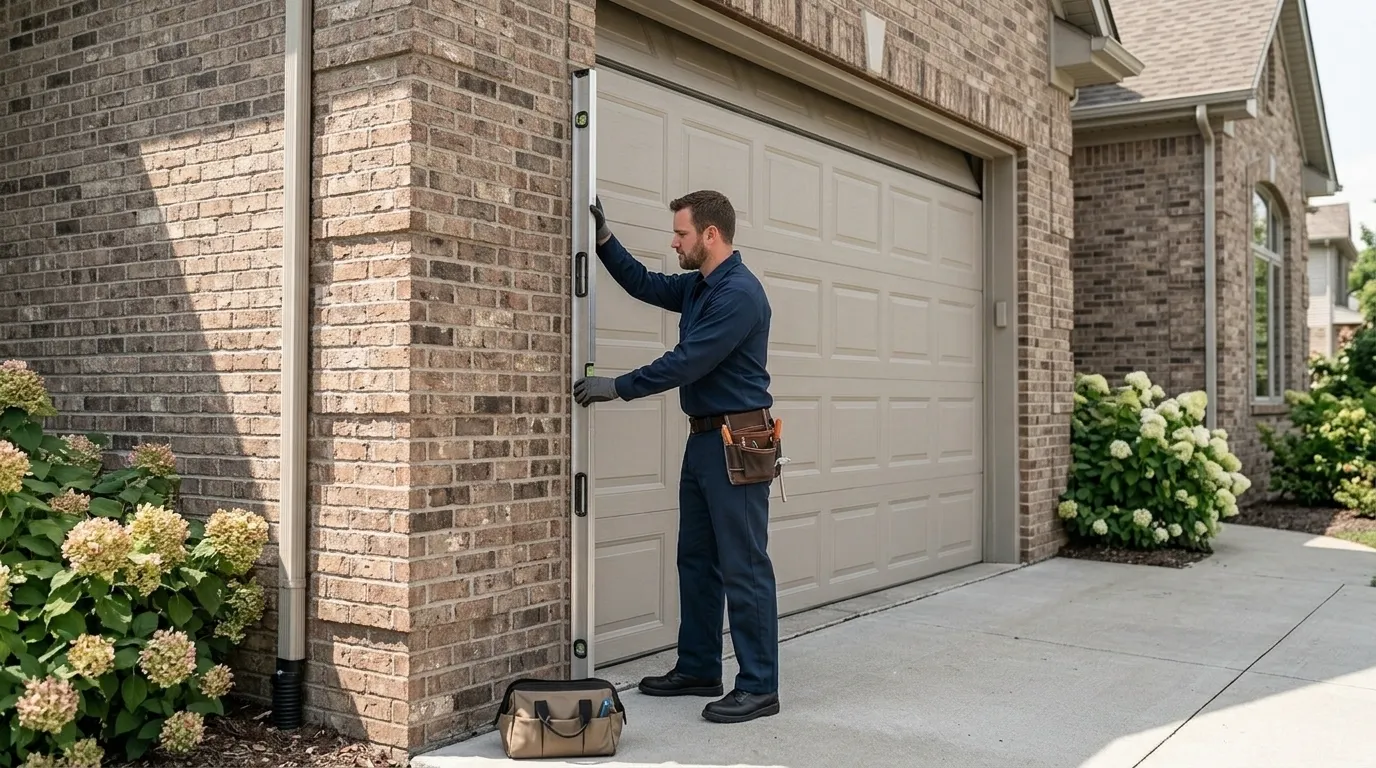
East LA's houses mostly went up around 1950, a decade older than the wider service area median. We travel the 14 miles from Burbank to work on the original hardware that era left behind.
East Los Angeles sits on the older end of the build curve for this whole service area. The wider region we cover runs from 1943 up through 2012 with a median around 1959, but East LA's own housing stock centers closer to 1950 - a full decade ahead of that broader median. That decade matters more than it sounds like it should. Houses framed and permitted around 1950 were built before a lot of the garage door hardware we consider standard today even existed as an option. You get more single-car openings, more narrow framing, and more doors that were never designed with a modern extension-spring or torsion-spring retrofit in mind. Across the 45 named areas we track in this service territory, most share this pre-1960 pattern, but East LA runs a notch older than the group average. That's not a knock on the neighborhood - it's just a fact about what a contractor shows up to when the call comes from here versus, say, a newer tract a few miles off. It changes what parts we bring and what we expect to find once the door is open.
How We Get to You
Burbank Garage Door Pros runs out of Burbank, and East Los Angeles is about 14 miles out from there - on the far side of the distance range we cover compared to closer spots like La Crescenta-Montrose or La Cañada Flintridge. We don't keep a depot or a drop point in East LA itself. Every job here means a truck making that drive from Burbank, which is worth knowing if you're comparing us to an outfit that's physically closer. We're not going to pretend otherwise or promise a response window we can't back up. What we can say is that the trip doesn't change the work once we're in your driveway - the same diagnostic process, the same parts stock, the same approach we use on any call in the territory. If timing matters for your situation, ask when you call and we'll give you a straight answer instead of a guess.
How That Shows Up in the Door
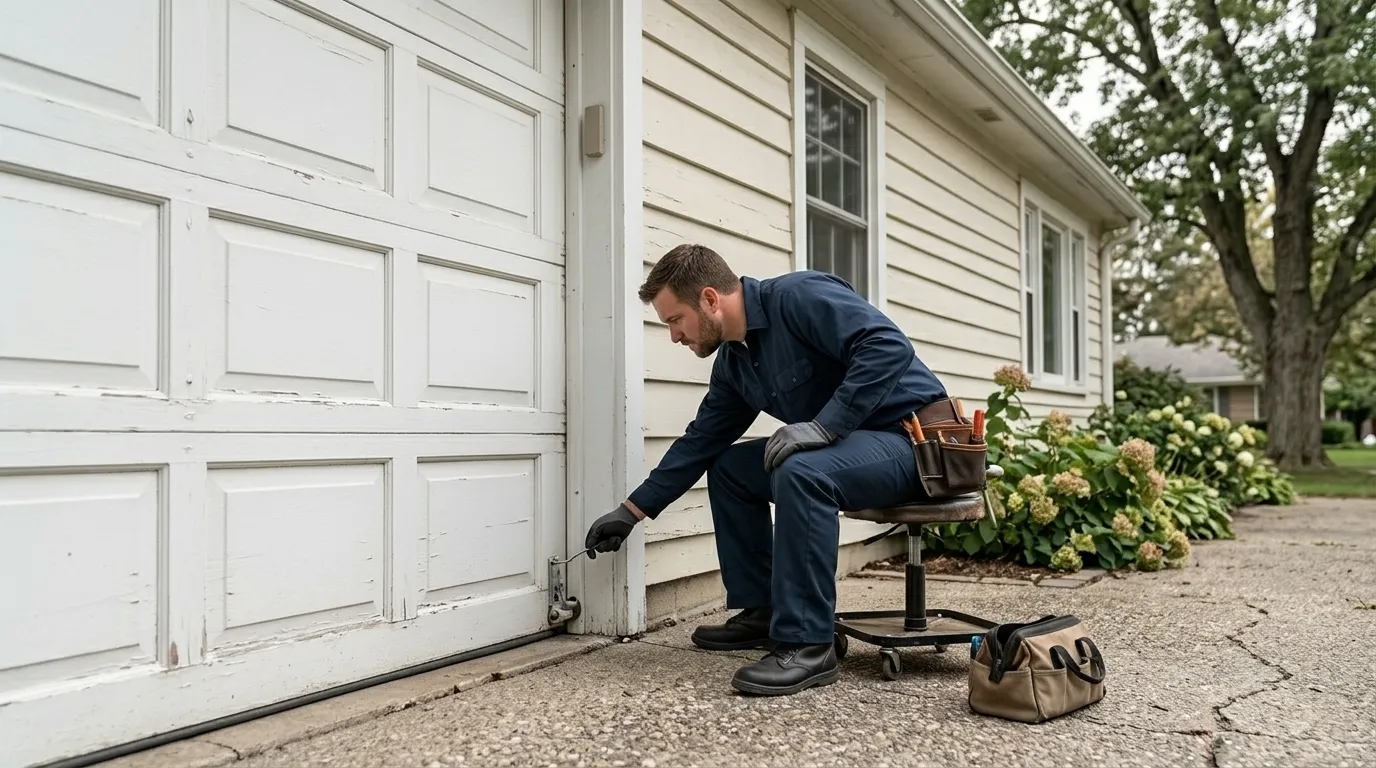
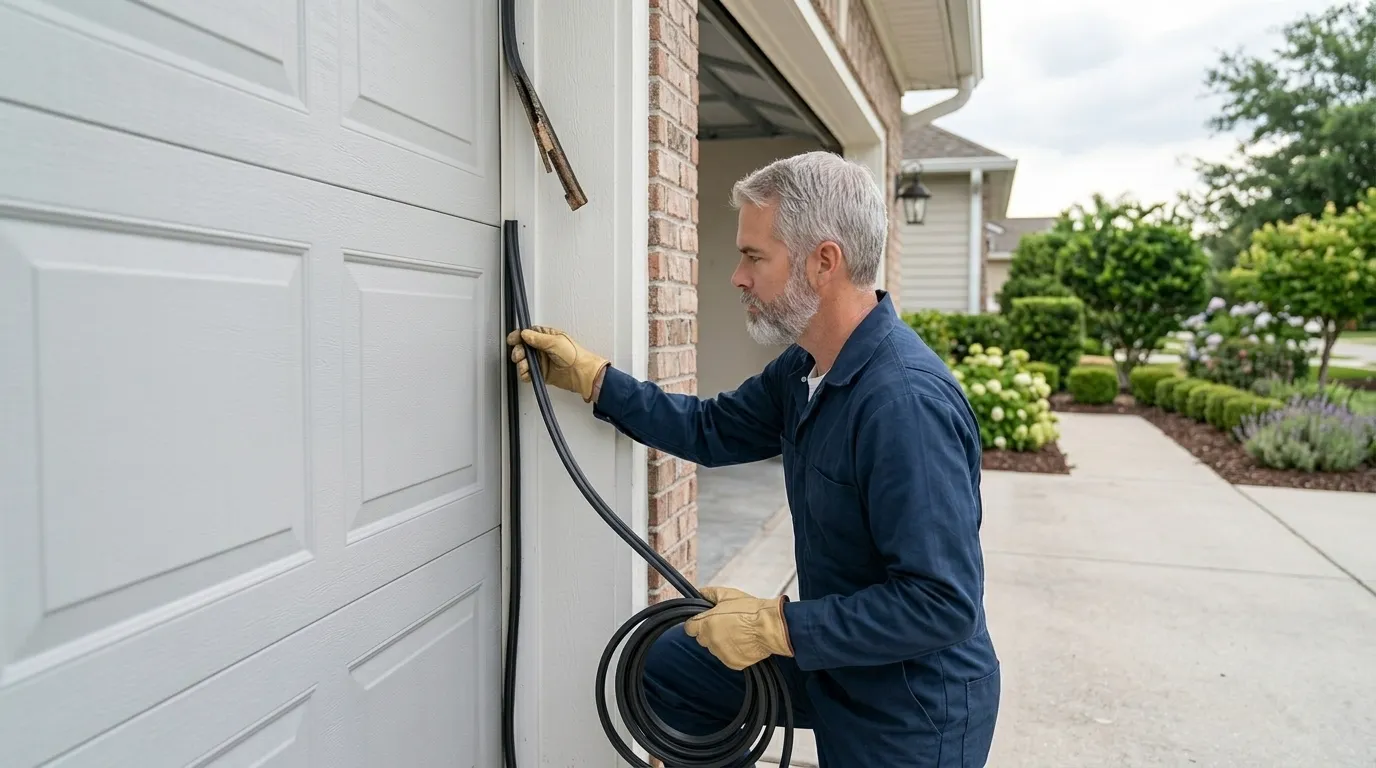
A door installed on a house built around 1950 tends to be narrower than what you'd find on 1970s or '80s construction, and it's more often a single panel rather than a sectional roll-up - especially if it hasn:t been swapped out since. Original one-piece doors on this kind of house usually swing out on a track-and-pivot setup rather than the roll-up torsion systems that became standard later. That hardware wears differently: hinges and pivot brackets take the stress a torsion spring would otherwise absorb, and when they fail, the whole door can bind or sag unevenly rather than just refusing to lift. If a previous owner already converted to a sectional door with an opener, the framing itself is still the older, narrower kind, which limits which replacement doors actually fit without carpentry work. Either way, we're not walking into a standard 1990s double-door torsion setup as the default assumption here - we're checking the vintage of the opening before we quote anything.
Common Jobs Here
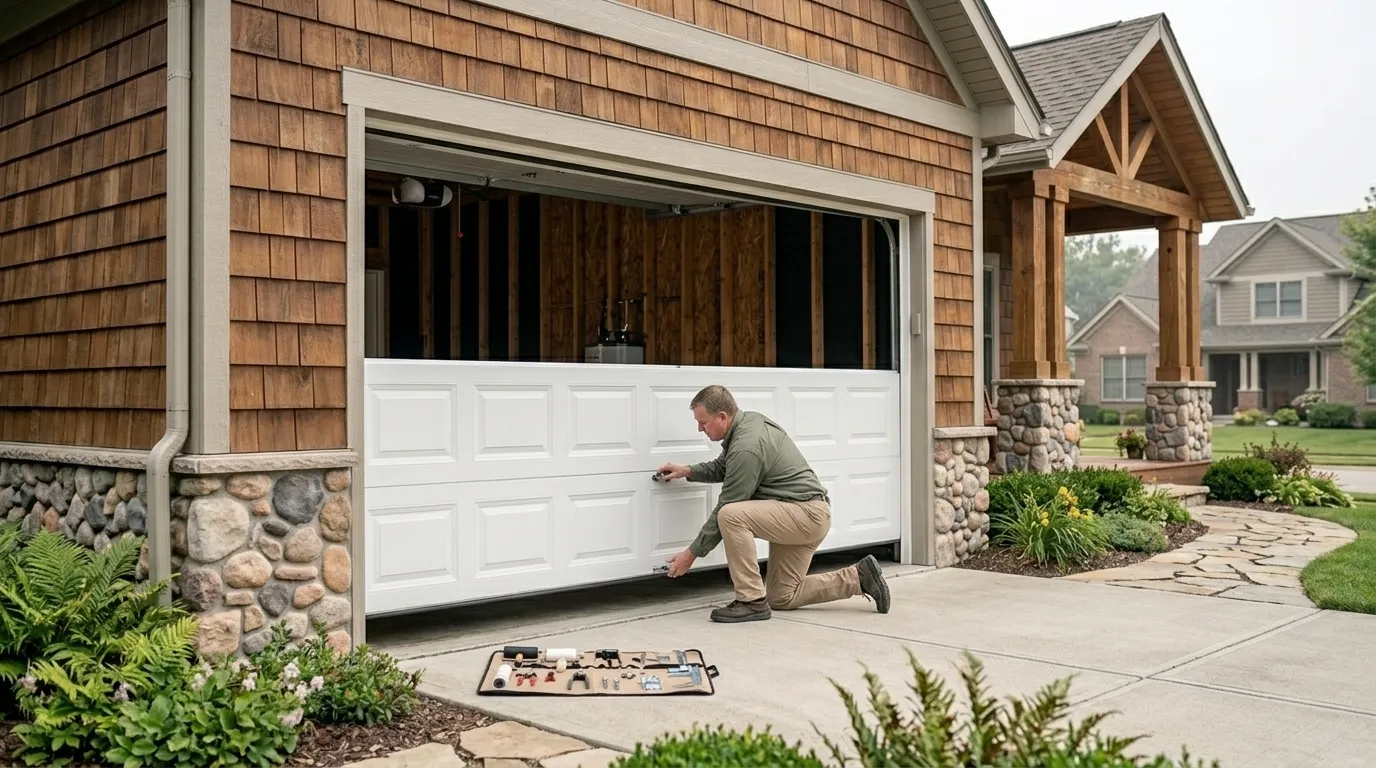
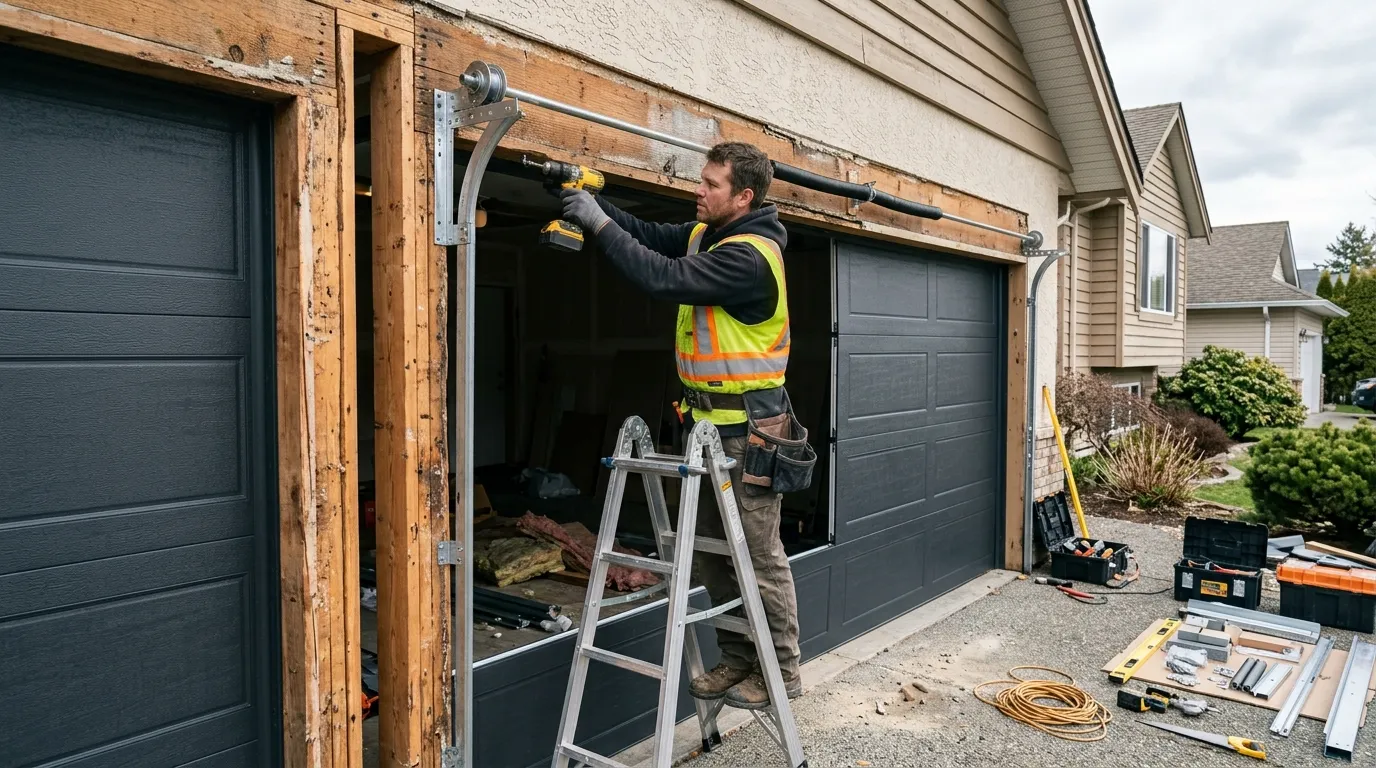
On calls in East Los Angeles we see more pivot-hinge and track wear on original one-piece doors than we do in newer sections of the service area, along with openers bolted onto framing that was never meant to carry that load and needs reinforcing before a new opener goes up safely. We also get calls where a previous retrofit used mismatched hardware - a sectional door forced into an opening it doesn't quite fit - and the fix is more about correcting that mismatch than replacing a part. One honest limit: if the original framing is out of square or badly deteriorated, a straightforward door swap isn't the right call, and that's carpentry work we don't do ourselves. We'll tell you that up front rather than force a door into an opening that will just bind again in a year. Households here, per the area's own numbers, run smaller in count than some neighboring sections, but the housing age is what drives the repair pattern, not the household count.
How it works
From “it’s stuck” to “it’s fixed”
01
Tell us what’s wrong
Describe the symptom - won’t open, loud bang, opener runs but the door won’t move.
02
On-site diagnosis
A technician tests the door under power and by hand and finds what actually failed.
03
Clear, up-front plan
You get the fix that’s needed and what drives the cost - before any work starts.
04
Repaired & tested
The repair is done, the door is set true and tested, and the work area left clean.
Next step
Serving Burbank, CA - tell us what your door’s doing and we’ll take it from there.
Straight answers about garage door repair in Burbank. Still unsure? Ask us directly.
Do you have a location in East Los Angeles?
No. Burbank Garage Door Pros is based in Burbank, about 14 miles away, and we drive out for every job in East LA. We don't keep a depot or staff stationed here, so factor the distance in if timing is tight for you.
Why does my garage door look different from my neighbor's newer door?
East LA's housing stock centers around 1950, a decade or more older than parts of the wider service area. Original doors from that era were often single-panel with pivot hardware rather than the sectional torsion-spring doors common on 1970s-and-later construction.
Is it worth repairing an original 1950s-era door instead of replacing it?
Depends on the hardware and the framing. If the pivot hinges and track are salvageable, repair often makes sense. If the opening itself is out of square, we'll tell you honestly that replacement, and possibly framing work we don't do, is the better path.