Garage Door Repair for Hawthorne's 1970s Housing Stock
Garage door repair for Hawthorne homes built mostly in the early 1970s, served by our Burbank crew. Springs, openers, and track work for 1970s-era hardware.
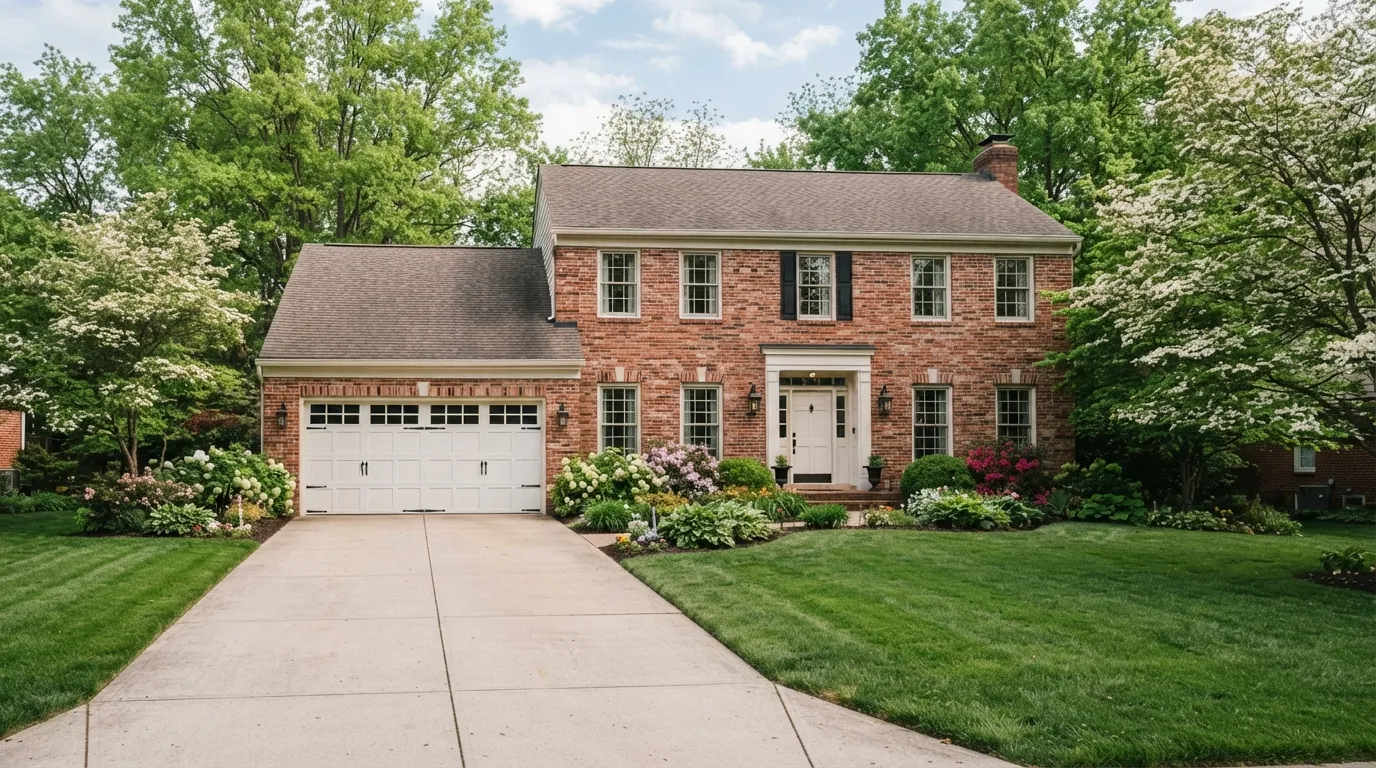
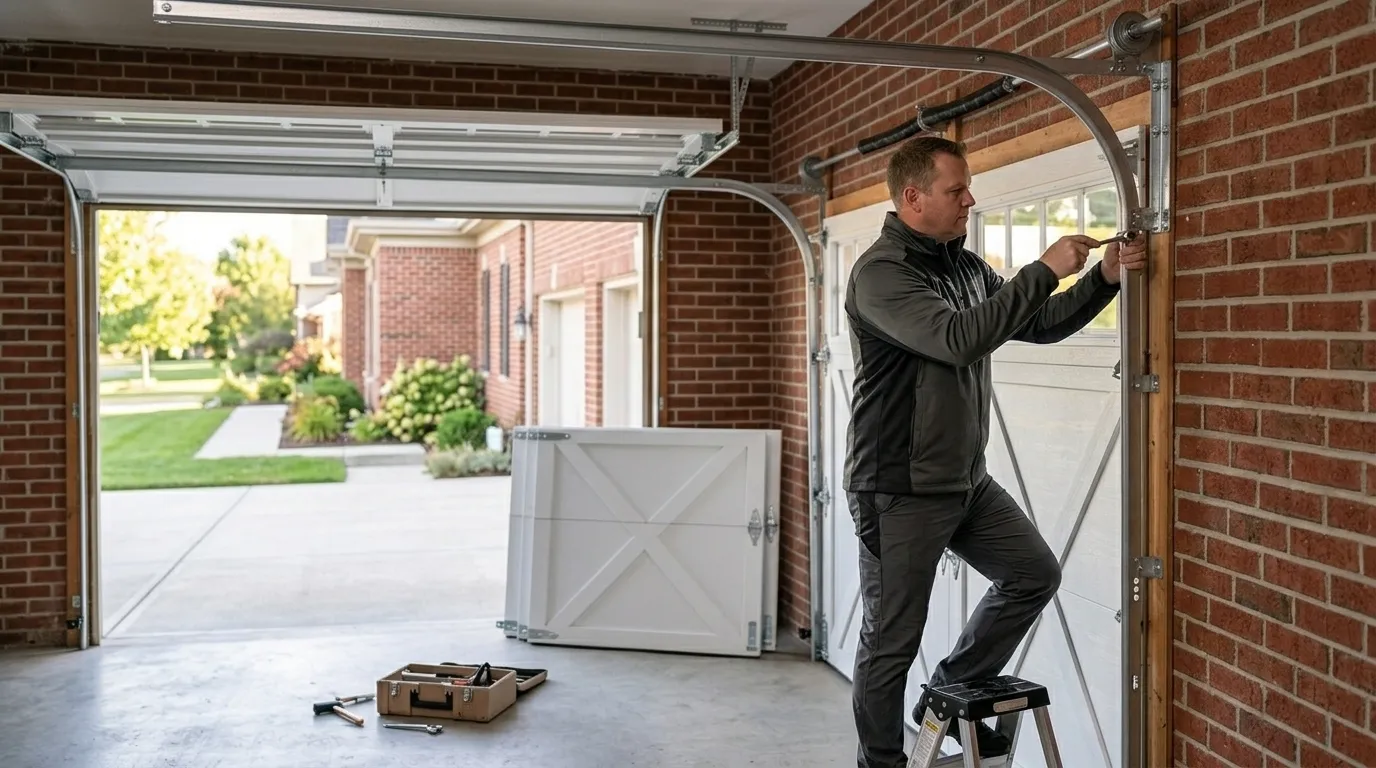
Hawthorne's median home dates to about 1972, which puts it a decade or more past the 1959 median you'll find across a lot of the wider service area covered from Burbank. That gap matters more than it sounds. A lot of the neighborhoods we work in still have pre-1960 garages with the original one-piece doors and side-mounted hardware nobody stocks anymore. Hawthorne mostly skipped that era. Its garages went up during the sectional-door boom, when torsion springs on center-mounted shafts had already become standard and chain-drive openers were starting to show up as a factory option rather than an add-on. If your house here still has its original door, it's a sectional steel or wood-composite panel door, not the older one-piece style, and the spring setup underneath is the torsion configuration that's been the norm since. That doesn't mean nothing's wrong with it - forty-plus years is forty-plus years on cables, rollers, and hinges - but the parts and the failure points are the more common, more available kind, not the oddball hardware we sometimes run into on older streets nearby.
How We Get to You
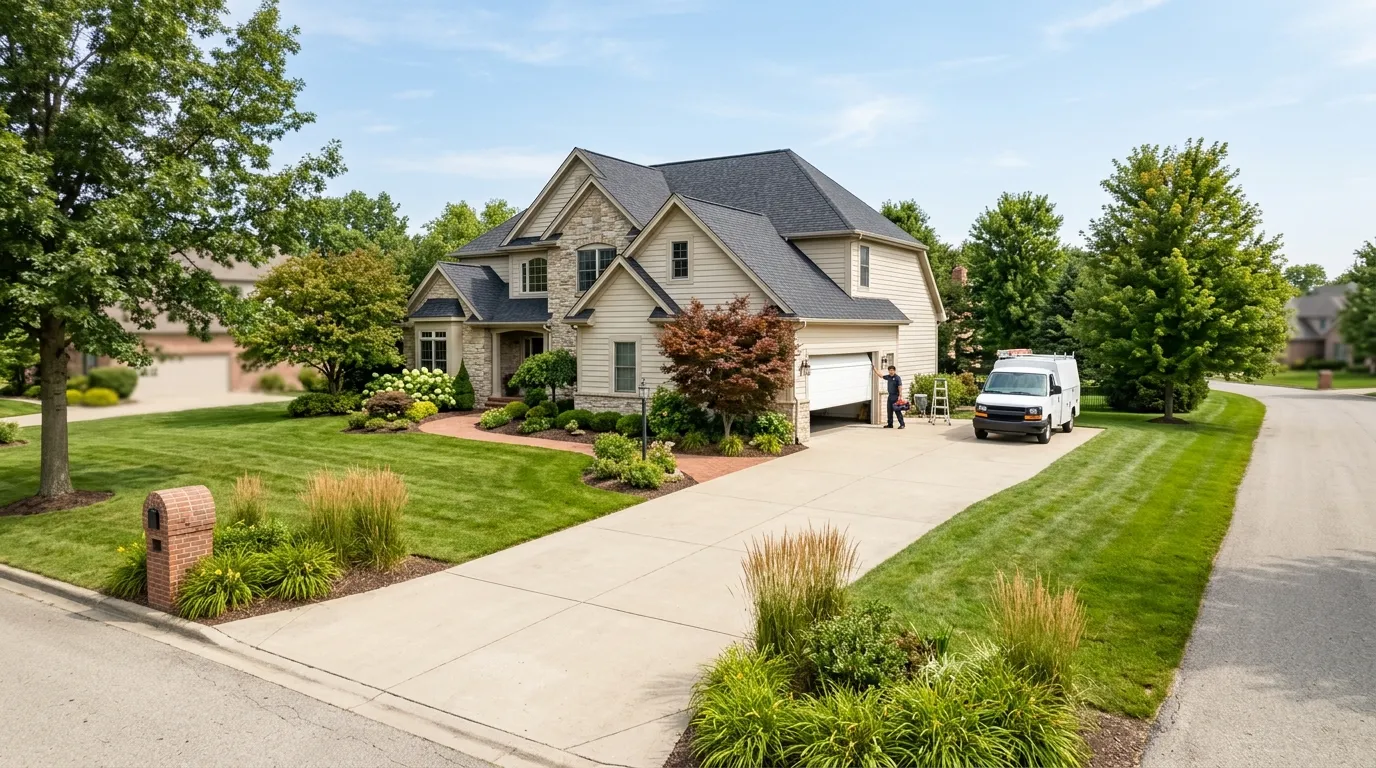
We run out of Burbank, and Hawthorne is about 19 miles from there. We don't keep a depot or a truck staged in Hawthorne, so we're not going to tell you we can be at your door in fifteen minutes - that's not honest, and we'd rather say it plainly than have you find out otherwise. What we can tell you is that a job in Hawthorne gets scheduled like any other stop on the route, and we plan the truck's day around it rather than treating it as a detour. If you need same-day service on a spring that's let go or a door that won't close, call and ask what the truck's schedule looks like rather than assuming a default window - it depends on where else we're routed that day.
How That Shows Up in the Door
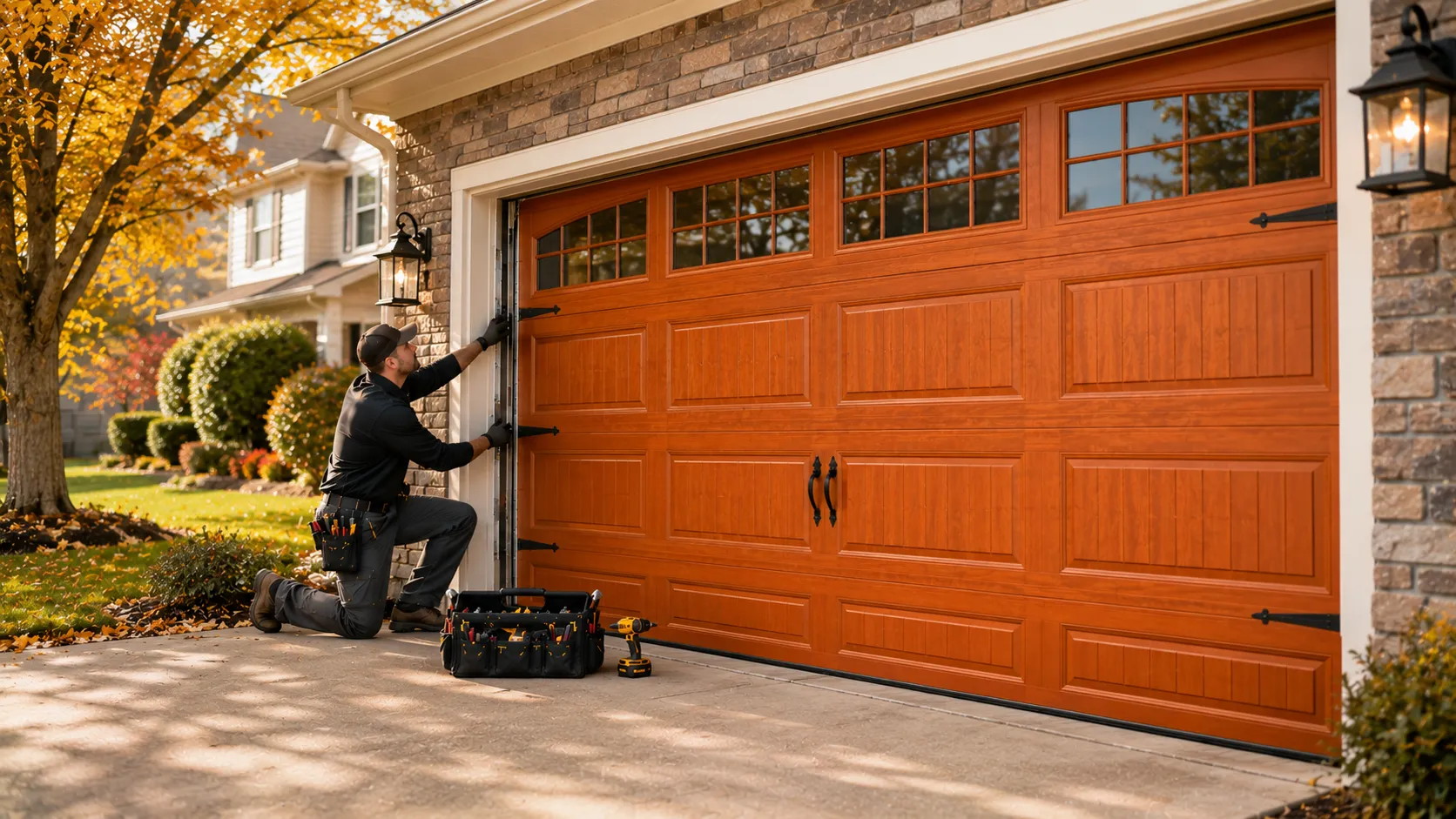
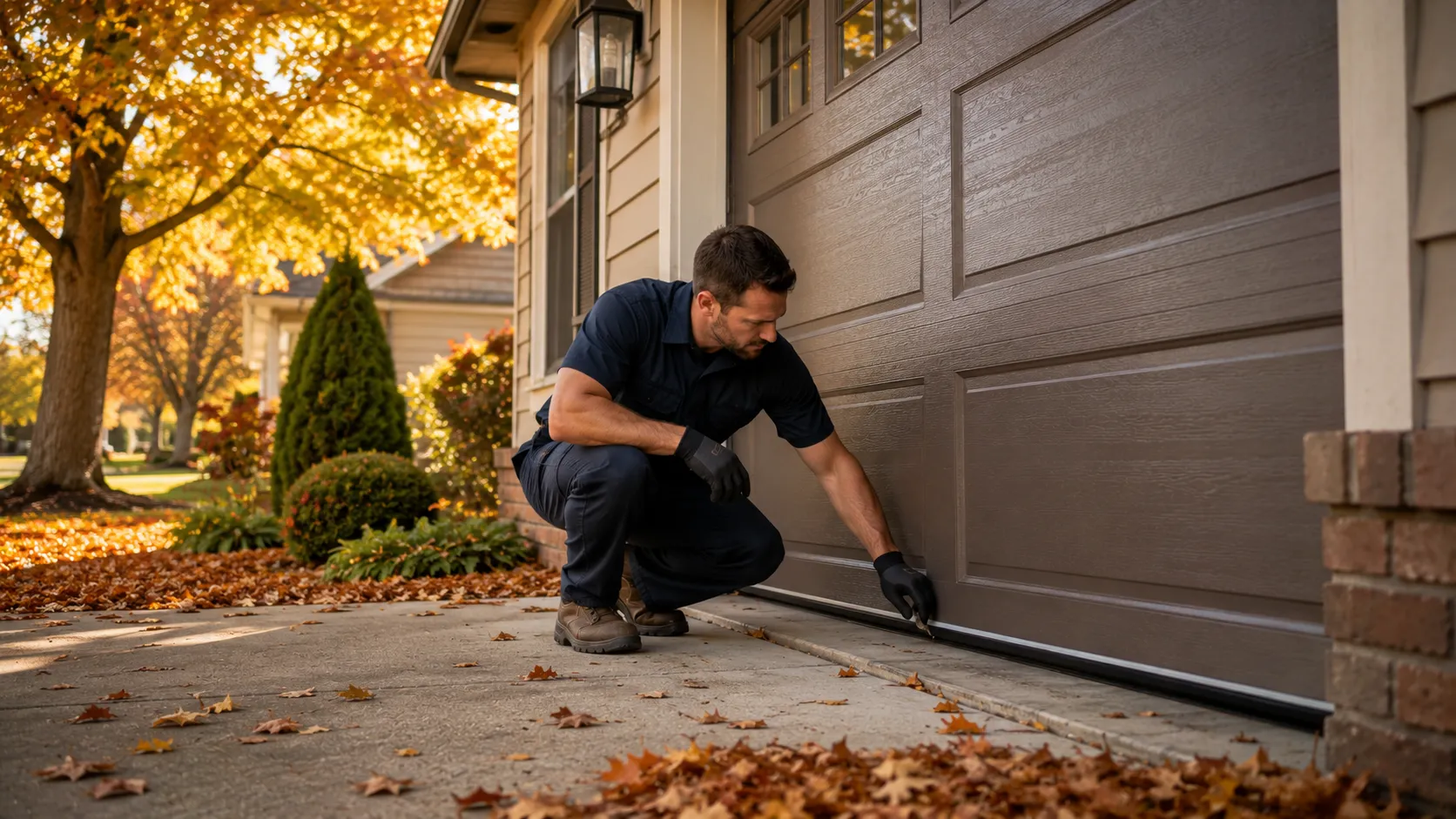
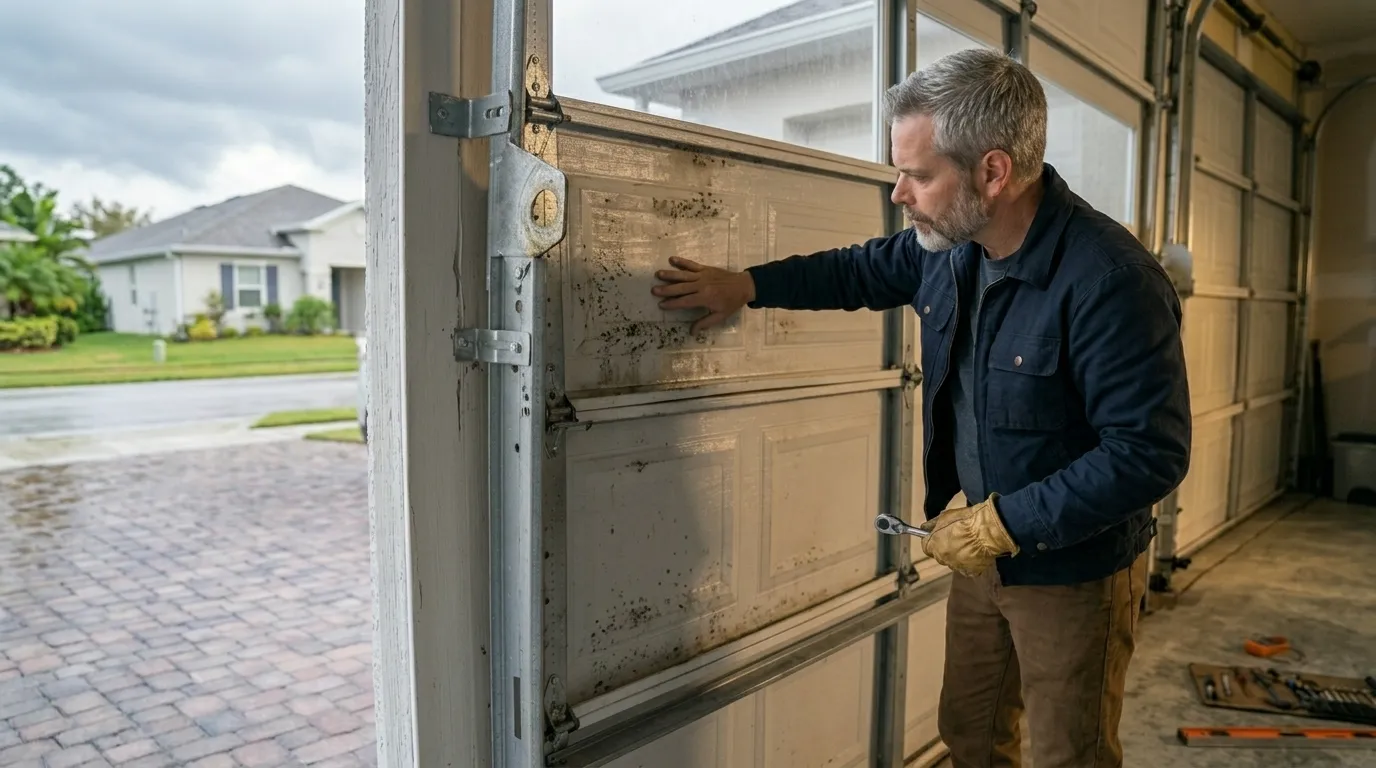
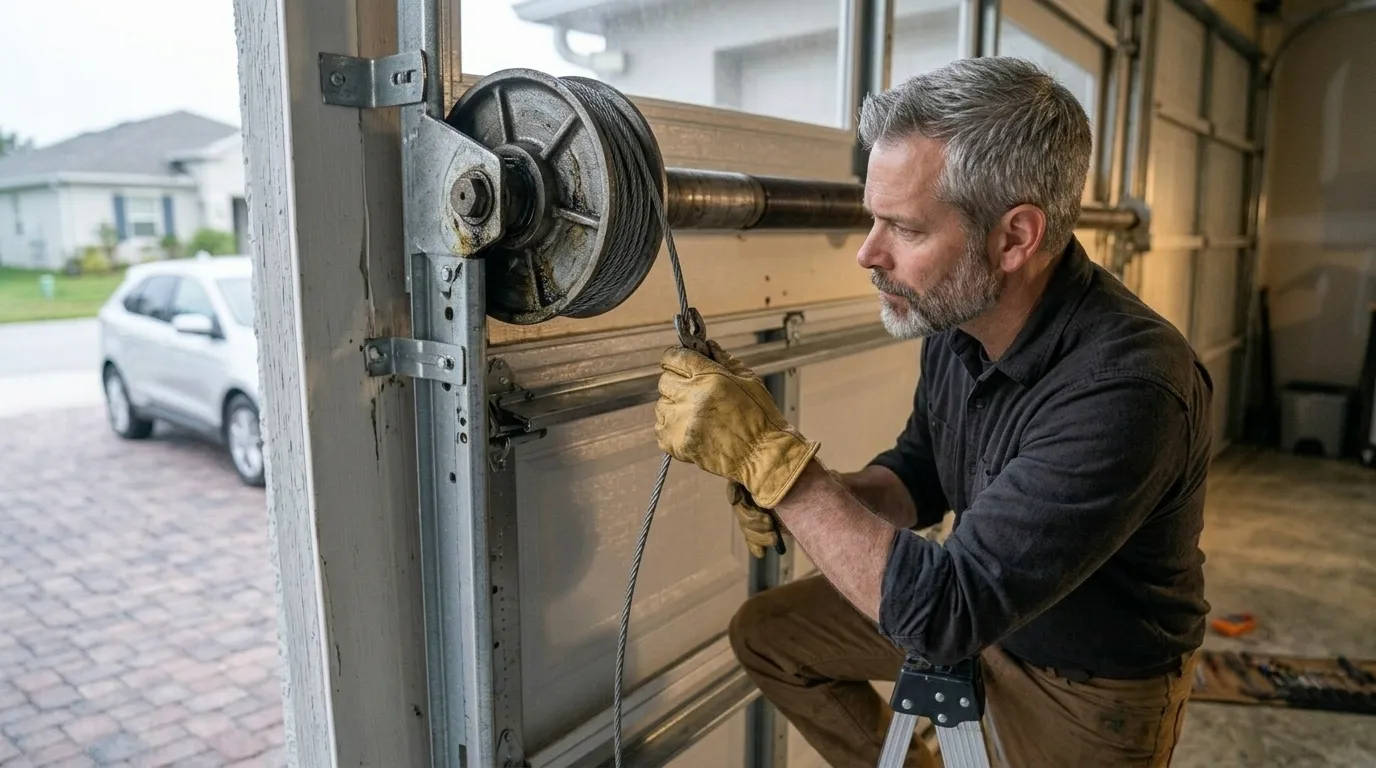
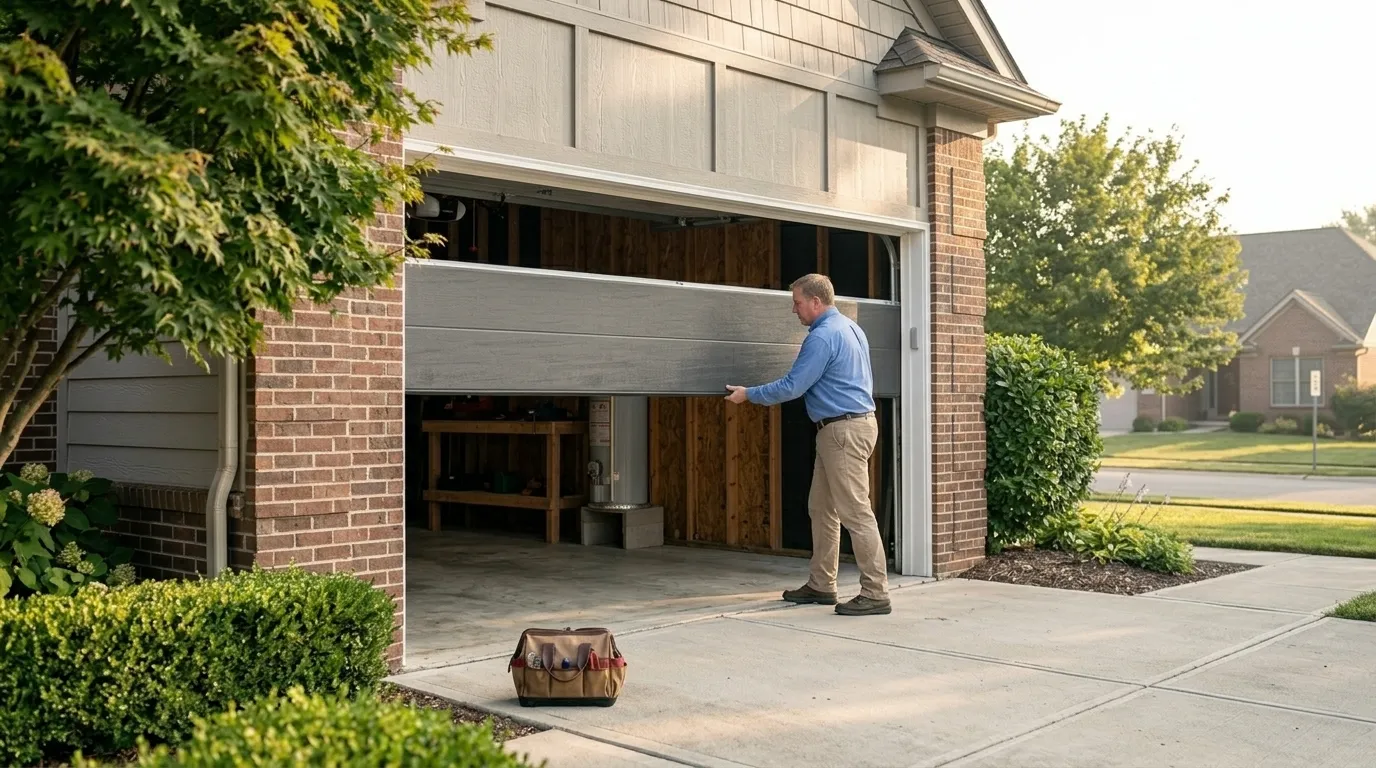
Because most Hawthorne garages date to the early 1970s rather than the 1950s, the doors we open up here tend to be steel sectional panels on torsion springs, often still running the original spring and drum setup even if the opener itself has been swapped once or twice since. The climate here falls in the moderate-heat band that covers the broader area, which is easier on rubber seals and lubricant than a harsher climate would be, but four decades of expansion and contraction still takes a toll on weatherstripping and on the galvanized coating on cables and springs. What we see most in houses from this era isn't rot or warping - it's fatigue. Springs that have cycled tens of thousands of times, rollers worn oval instead of round, and center brackets that have loosened enough to let the shaft wobble under load. None of that is exotic. It's ordinary wear on ordinary hardware, which is actually good news, because parts for a 1970s-style sectional door are easy to source. The bad news is that fatigue failure doesn't always announce itself - a spring can look fine right up until it snaps.
Common Jobs Here
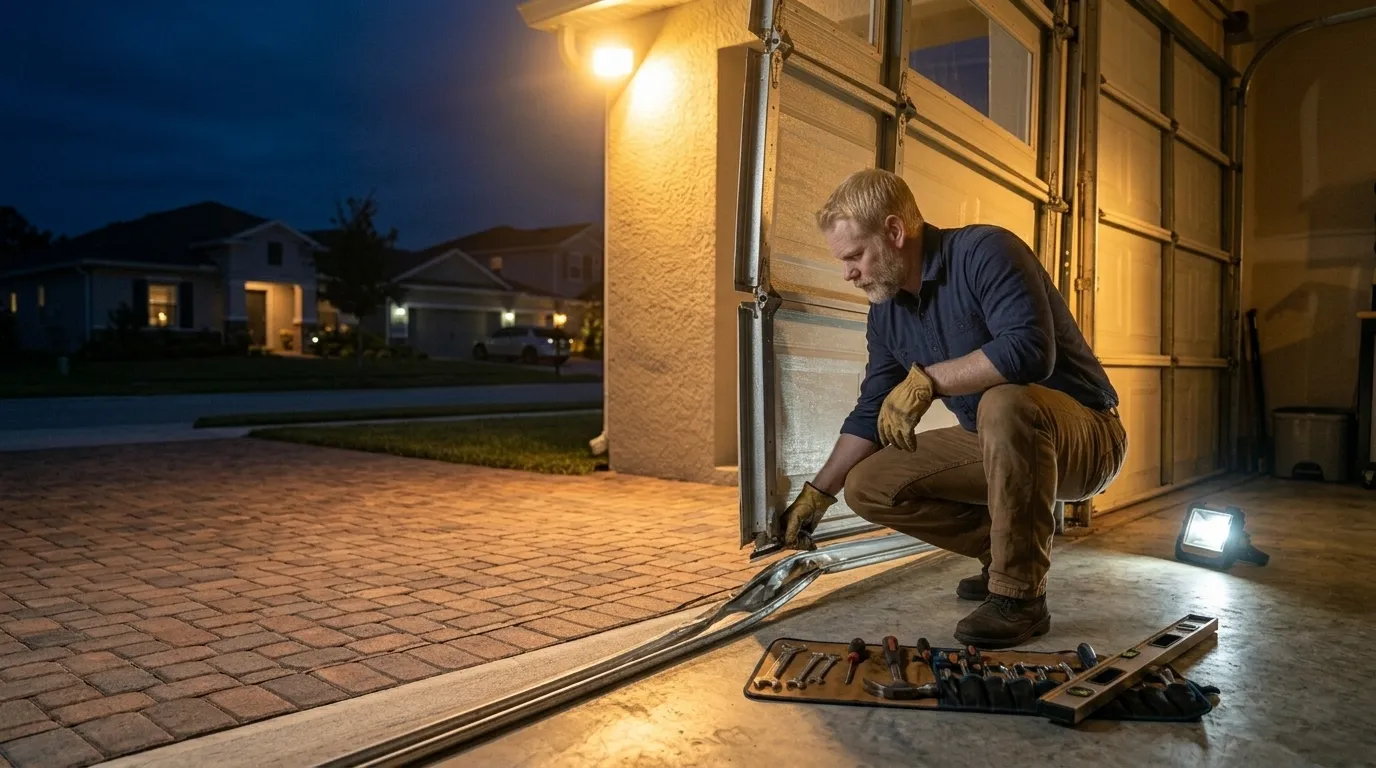
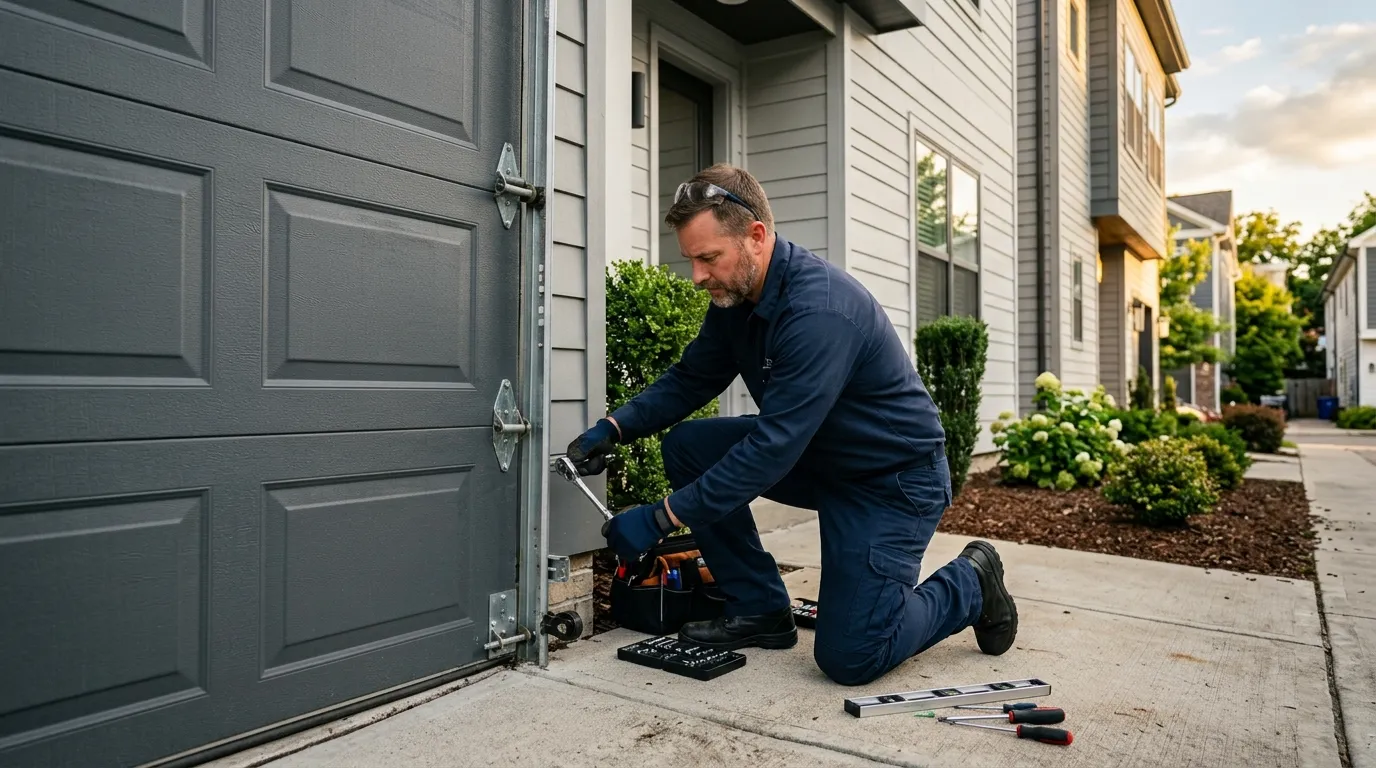
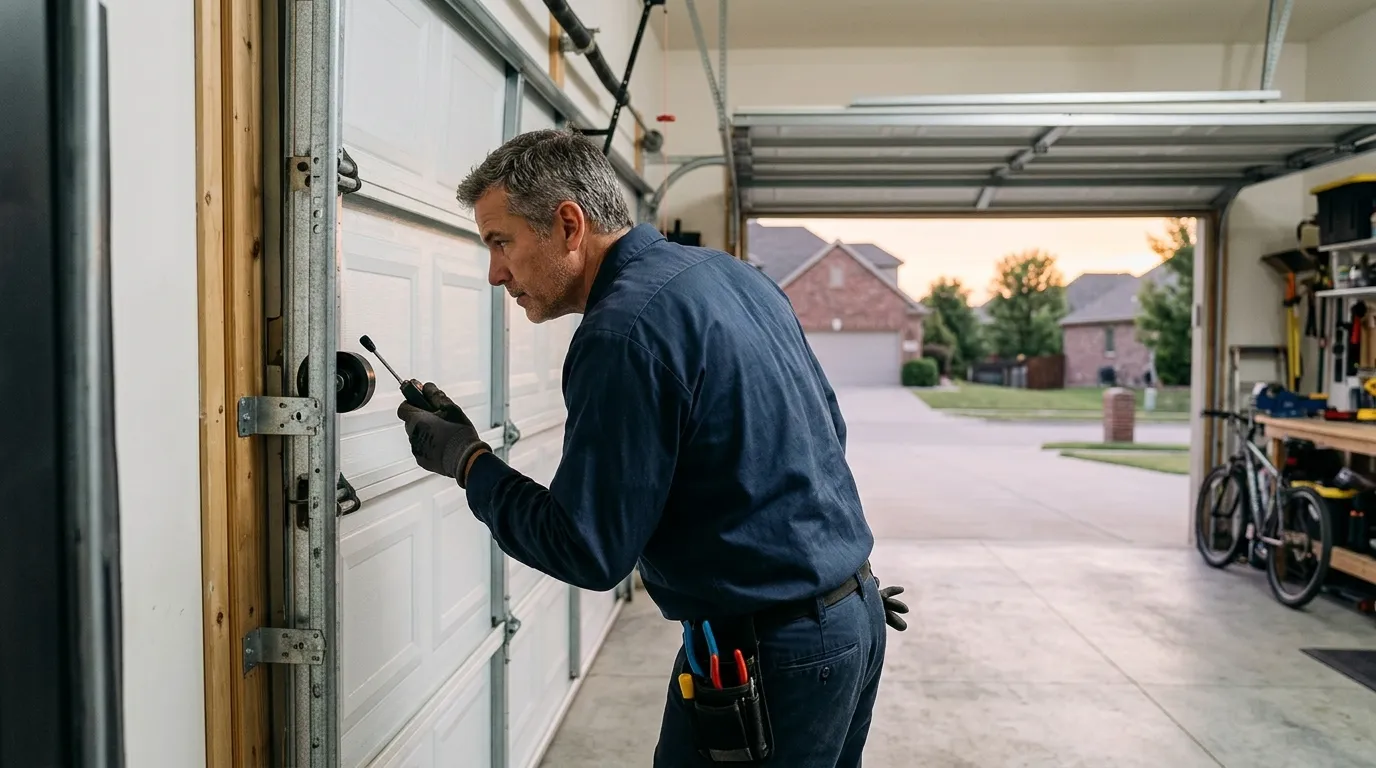
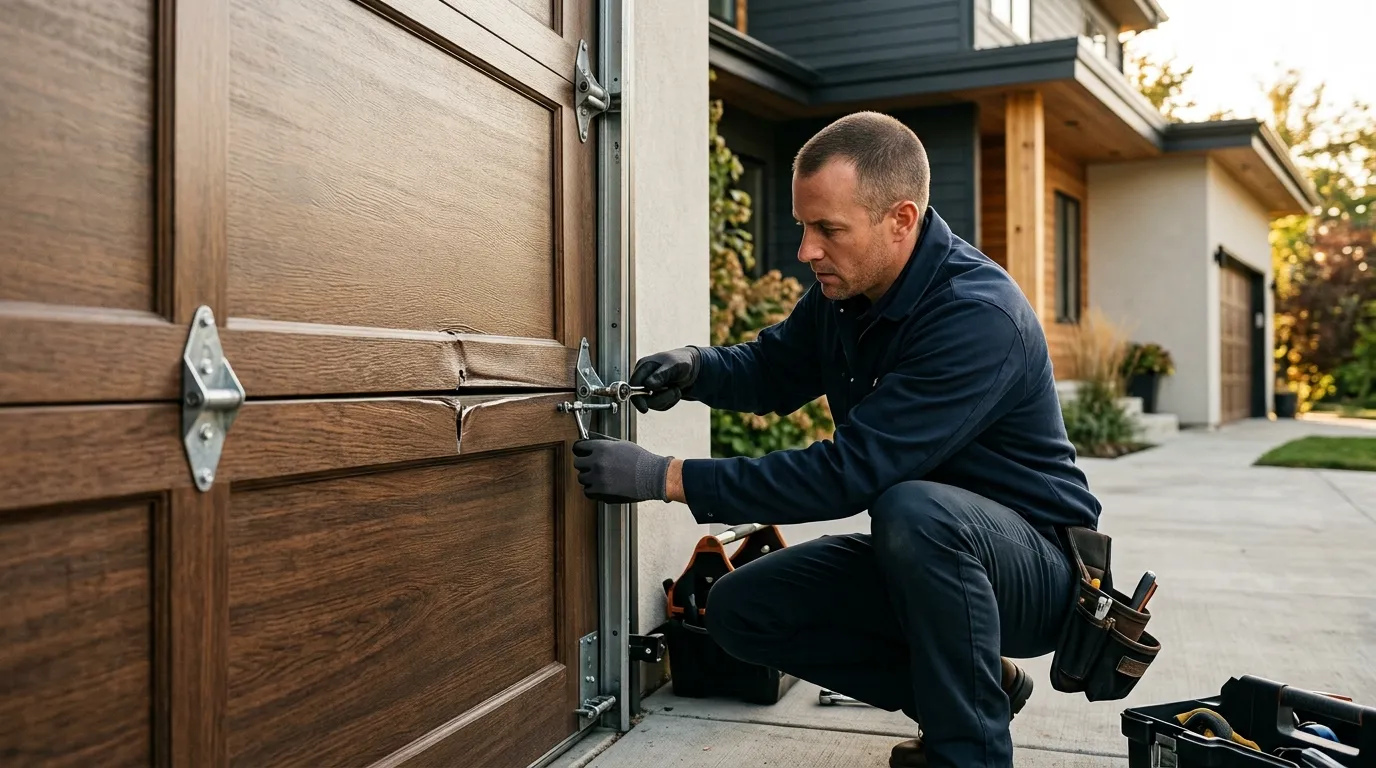
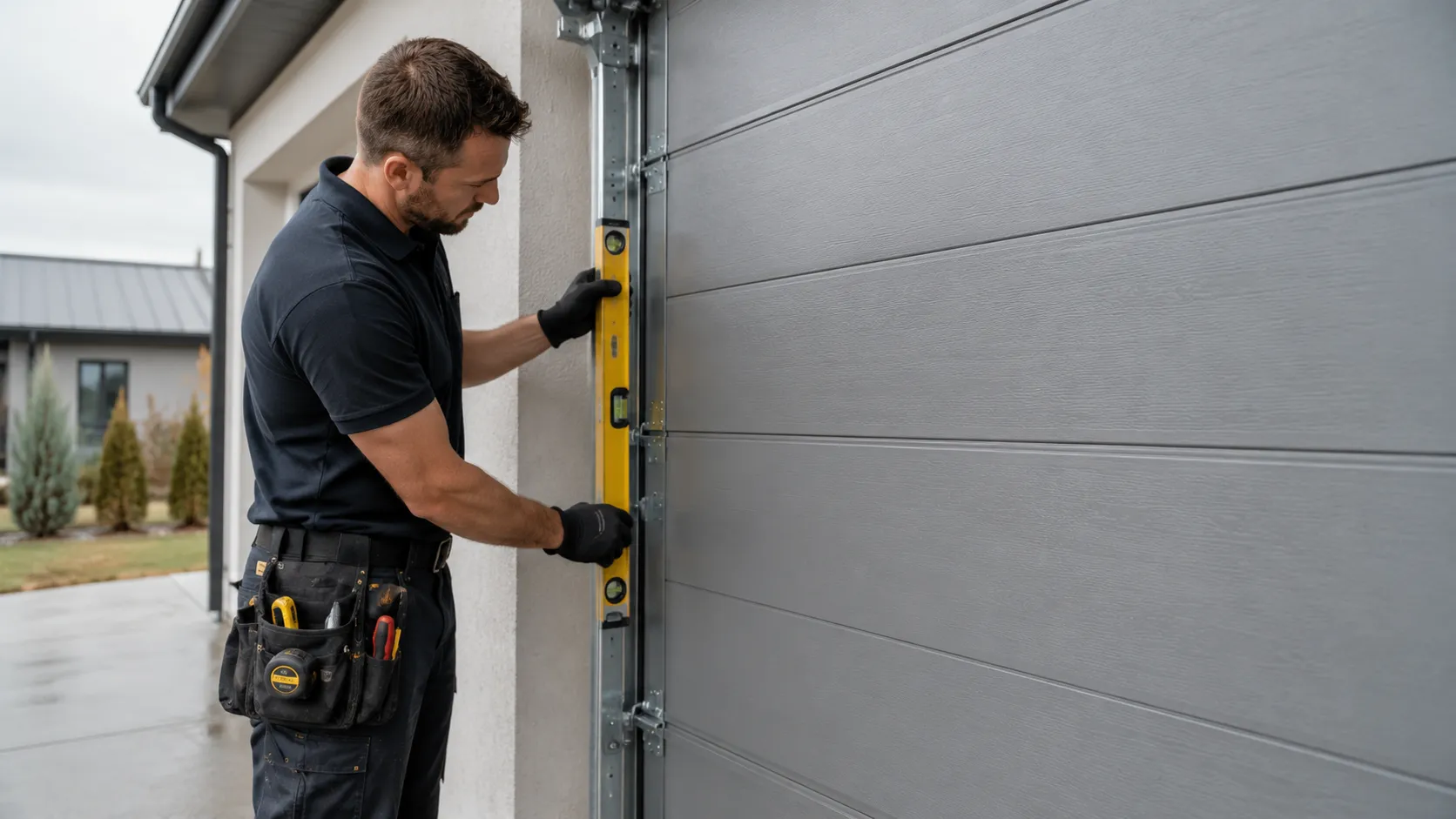
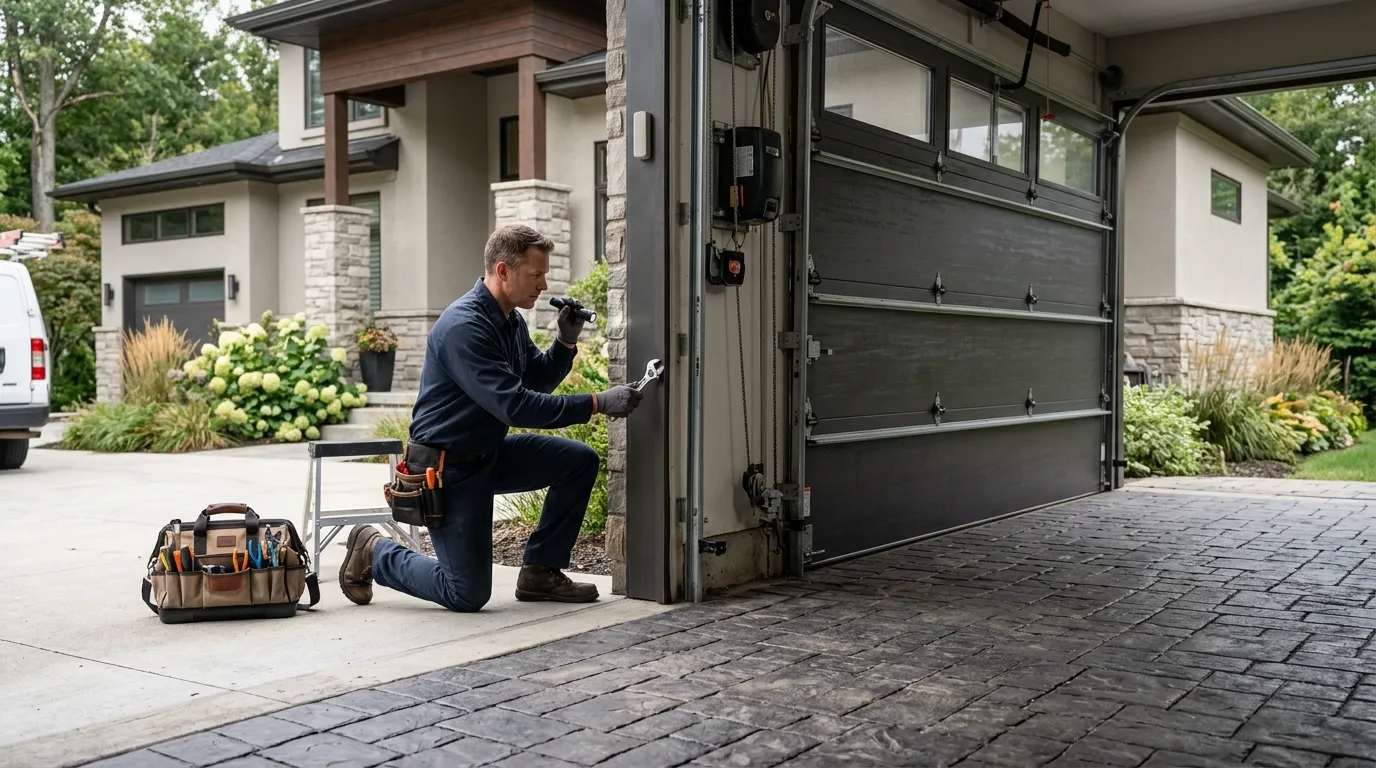
The calls we get from this part of the route track pretty closely with the age of the housing stock. Torsion spring replacement tops the list - most of these springs were never upgraded and are well past a reasonable service life. Opener circuit board and logic board failures come next; a lot of 1970s and 80s-era chain drives have been through two or three opener head units by now, and the newer heads sometimes fight with old track and rail geometry that was never updated to match. We also see broken rollers and worn end bearings on doors that have never had a track alignment check, plus cable fraying where the original galvanizing has worn through near the drum. One honest limitation: if a door here has a bent track from an impact, or a panel that's rusted through at the bottom, replacement is usually the better call over a patch repair - trying to save a badly bent track just moves the failure point somewhere else.
How it works
From “it’s stuck” to “it’s fixed”
01
Tell us what’s wrong
Describe the symptom - won’t open, loud bang, opener runs but the door won’t move.
02
On-site diagnosis
A technician tests the door under power and by hand and finds what actually failed.
03
Clear, up-front plan
You get the fix that’s needed and what drives the cost - before any work starts.
04
Repaired & tested
The repair is done, the door is set true and tested, and the work area left clean.
Next step
Serving Burbank, CA - tell us what your door’s doing and we’ll take it from there.
Straight answers about garage door repair in Burbank. Still unsure? Ask us directly.
Is my garage door in Hawthorne likely to have the older one-piece hardware?
Probably not. Most Hawthorne homes date to around 1972, after sectional doors and torsion springs had become standard. The older one-piece, side-mounted hardware is more common in the pre-1960 pockets of the wider service area, not here.
Do you have a truck based in Hawthorne?
No. We run out of Burbank, about 19 miles away, and schedule Hawthorne jobs into the day's route like any other stop. We won't promise a response time we can't back up from that distance.
What breaks most often on a door from this era?
Torsion springs that have cycled for decades, worn rollers, and opener logic boards on units that have already been replaced once or twice. It's ordinary wear, and parts for this hardware era are generally easy to get.
Is it ever better to replace than repair?
Yes, particularly if the track is bent from an impact or a panel has rusted through near the bottom. Patching those usually just shifts the problem elsewhere - full replacement holds up better in those cases.