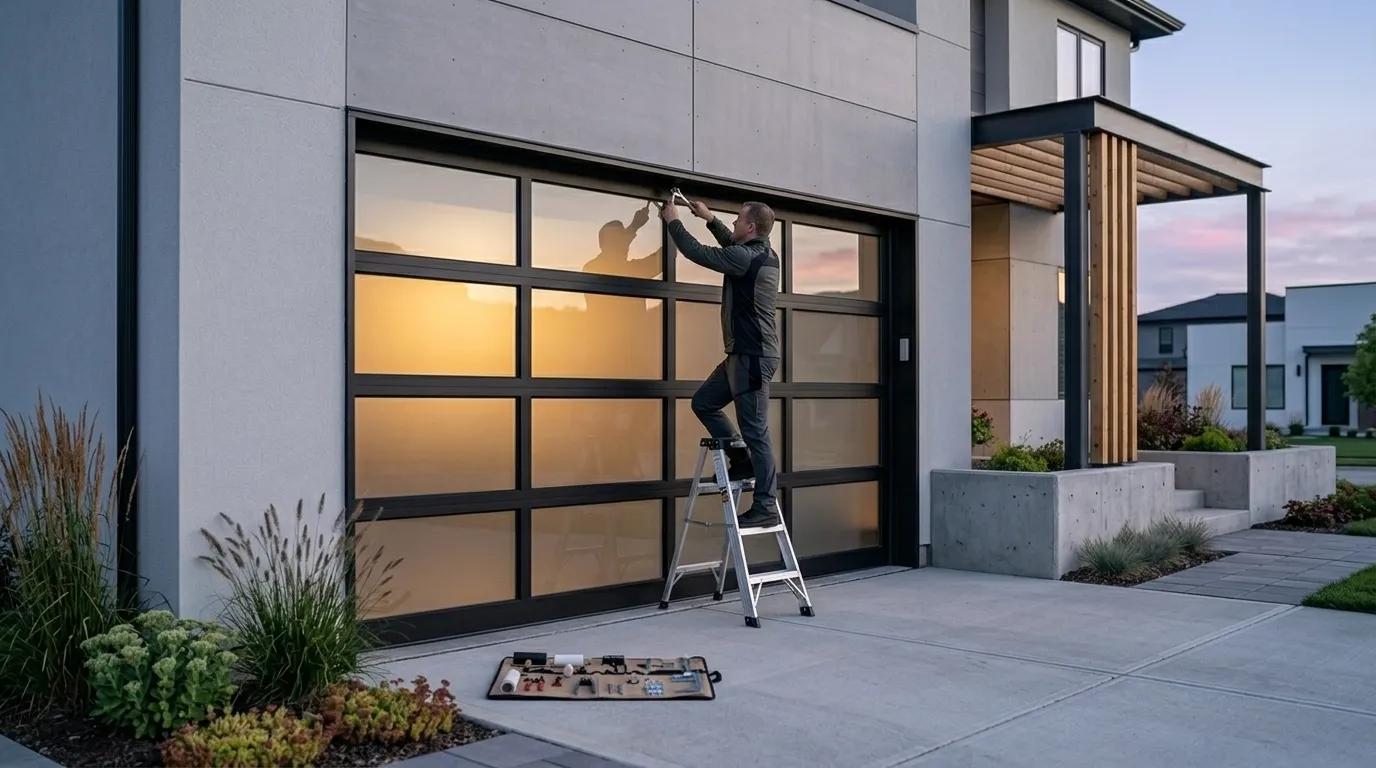
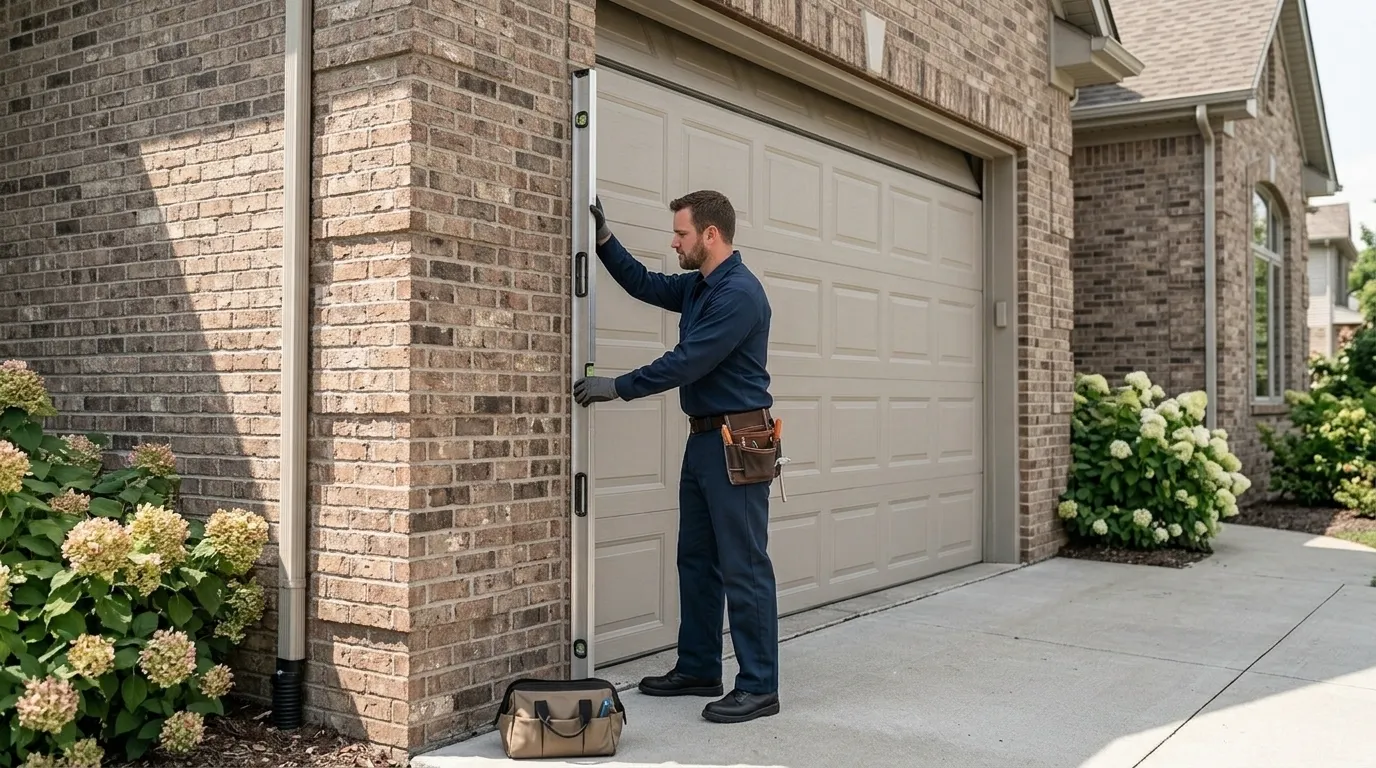
Serving Ladera Heights homes built mostly in the early 1960s, 14 miles from our Burbank shop. Torsion spring, opener, and panel work for the doors this area actually has.
Ladera Heights homes cluster around a median build year of 1962, which puts most of the neighborhood a few years past the broader service area's 1959 median. That gap matters more than it sounds like it should. A house framed in 1962 was more likely to get a wider double-car garage opening than the narrower single-bay setups common in the older 1950s tracts nearby, and builders here had started moving toward torsion spring systems instead of the extension springs still common in the earliest post-war stock. With 2,735 households in the area, you're not dealing with a huge or varied building stock - it's a fairly consistent run of early-60s construction, which means the doors, tracks, and openers we find here tend to follow a pattern rather than being a grab bag of eras. That consistency actually makes diagnosis faster once we know what decade we're standing in front of.
How We Get to You
We run out of Burbank, and Ladera Heights sits about 14 miles from the shop. That's a real drive across the basin, not a quick hop, so we don't pretend to have a truck sitting around the corner. What we do have is a route that's worth planning for - we bundle Ladera Heights calls with nearby stops when we can, which keeps the trip efficient on our end without us overstating how fast we can be there. If you need a same-day look at a spring or opener, say so when you call and we'll tell you honestly where that slots into the day's route rather than promising a window we can't back up from 14 miles out.
How That Shows Up in the Door
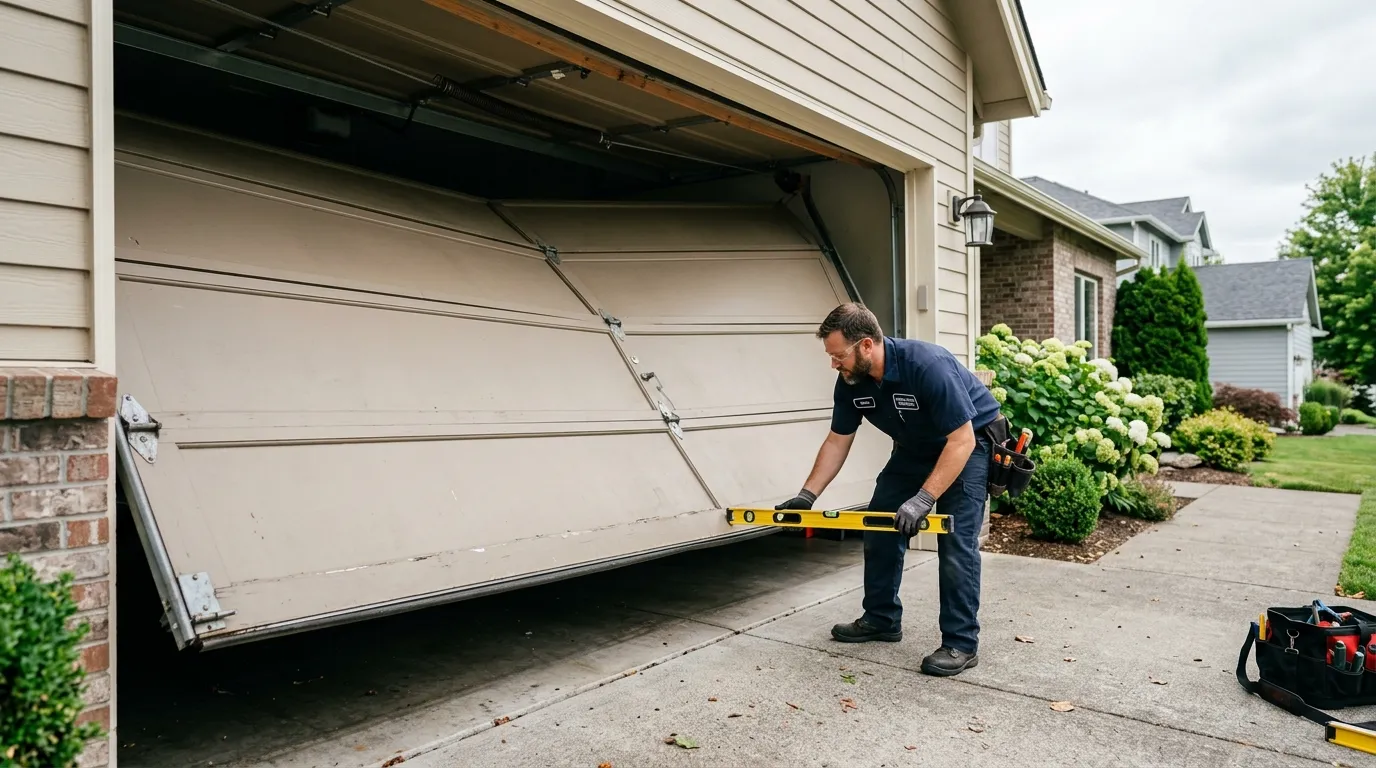
Early-60s doors in this income bracket - median household income here runs $153,403, well above the wider service area's $86,956 - were often upgraded once or twice over six decades rather than left original. That means we see a mix: some homes still running the same torsion spring and steel track from 1962, and others with a mid-2000s opener bolted onto original hardware that was never sized for it. The moderate heat load in this climate band doesn't stress springs the way a harsher swing climate would, so when a spring fails here it's almost always fatigue from age and cycle count, not heat-cracked coils. The mismatch between an old track and a newer, heavier insulated panel is the more common problem - the opener strains, the door binds on the rollers, and owners assume it's the motor when it's really the track alignment underneath.
Common Jobs Here
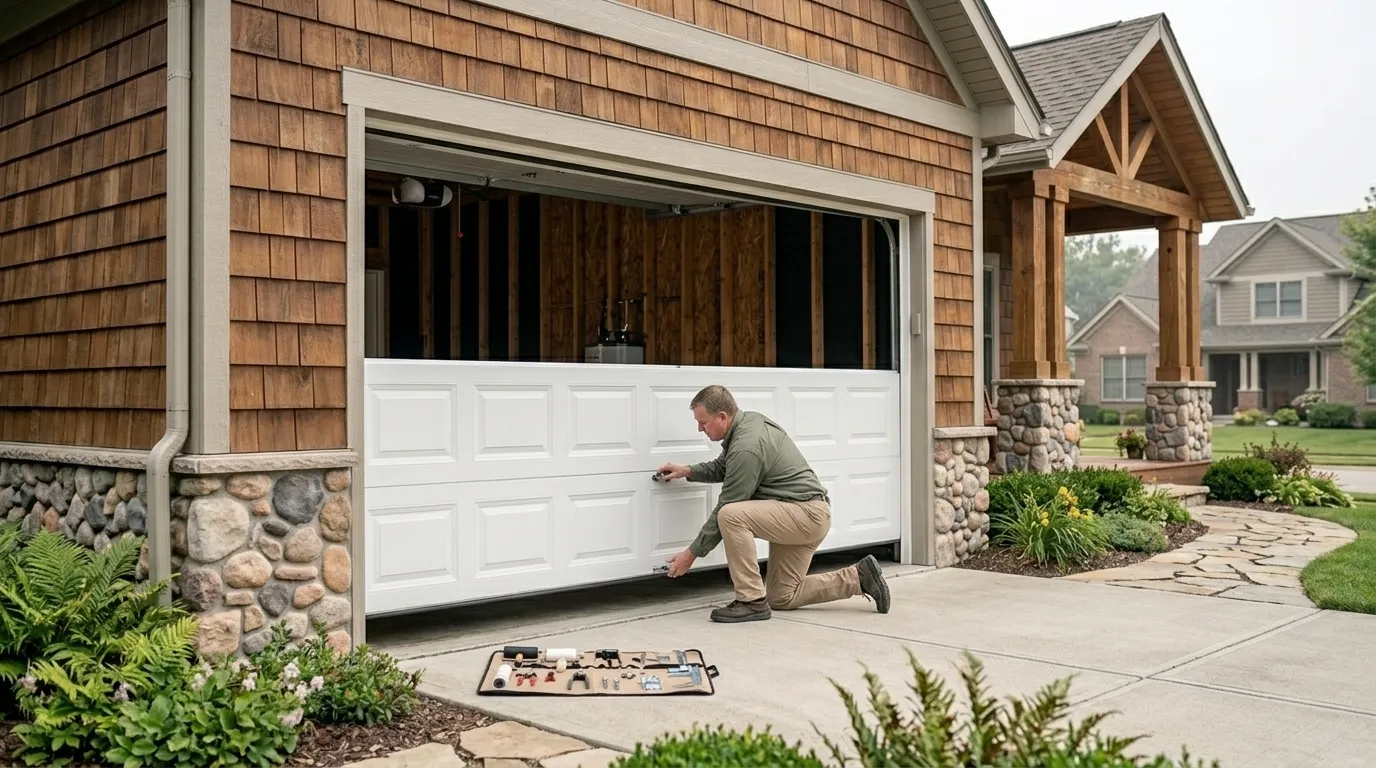
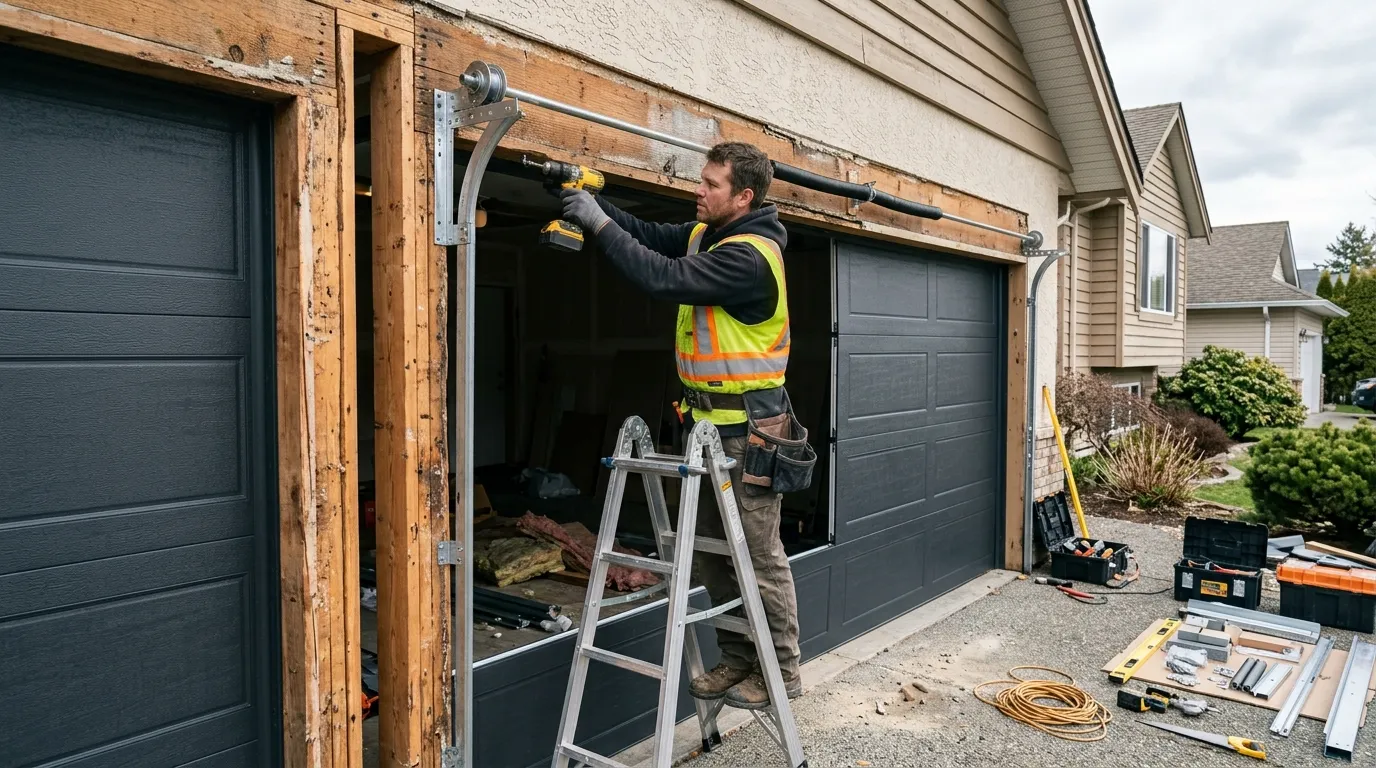
On 1962-era garages we're most often replacing torsion springs that have simply run out of cycles, re-hanging doors that have drifted off track from decades of settling, and swapping openers that are outliving the drive gear inside them. Roller replacement comes up a lot too - steel rollers from that era are noisy and slow, and most owners are ready to move to nylon once we point out the difference. One honest limit: if your garage still has the original 1962 door itself, not just the hardware, parts for that panel are usually gone, and we'll tell you straight that full replacement makes more sense than trying to patch a 60-year-old panel back together.
How it works
From “it’s stuck” to “it’s fixed”
01
Tell us what’s wrong
Describe the symptom - won’t open, loud bang, opener runs but the door won’t move.
02
On-site diagnosis
A technician tests the door under power and by hand and finds what actually failed.
03
Clear, up-front plan
You get the fix that’s needed and what drives the cost - before any work starts.
04
Repaired & tested
The repair is done, the door is set true and tested, and the work area left clean.
Next step
Serving Burbank, CA - tell us what your door’s doing and we’ll take it from there.
Straight answers about garage door repair in Burbank. Still unsure? Ask us directly.
Do you have a location in Ladera Heights?
No. We work out of Burbank, about 14 miles away, and drive out to Ladera Heights for calls. We're upfront about that distance rather than implying a local depot we don't have.
Are Ladera Heights garage doors different from other areas you service?
Somewhat. The area's median build year of 1962 is a little newer than much of the wider service area, which trends closer to 1959. That usually means torsion spring systems rather than the older extension spring setups, and often wider double-car openings.
Why did my opener suddenly start straining?
On houses from this era it's often a mismatch - a heavier replacement panel installed on original track and hardware from 1962. The opener has to work harder than it was built for, which shows up as noise or slow travel before it fails outright.
Is spring failure here caused by heat?
Not usually. This climate band is moderate on heat load, so springs here tend to fail from age and cycle count rather than heat-related coil damage you'd see in a harsher climate.