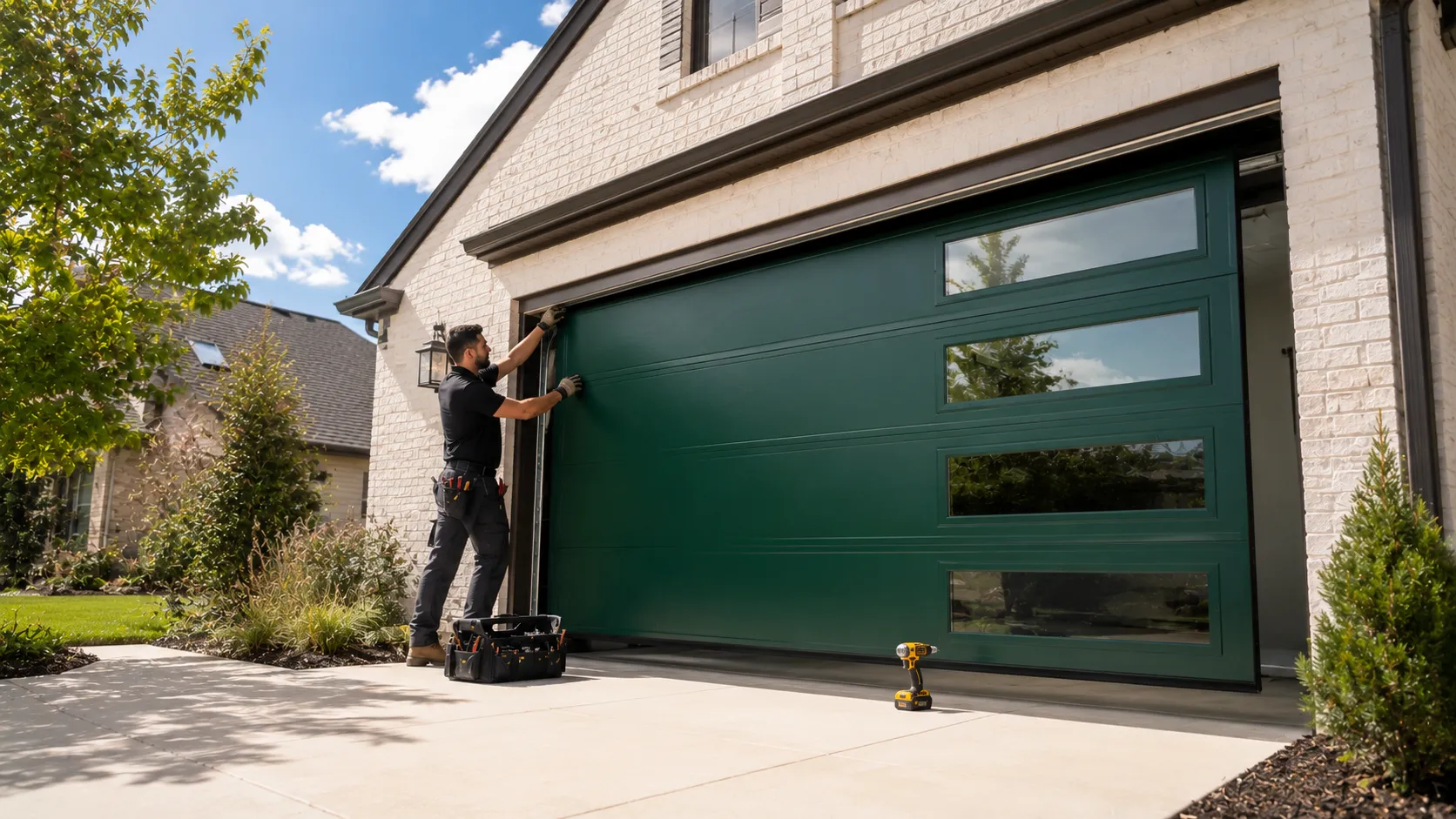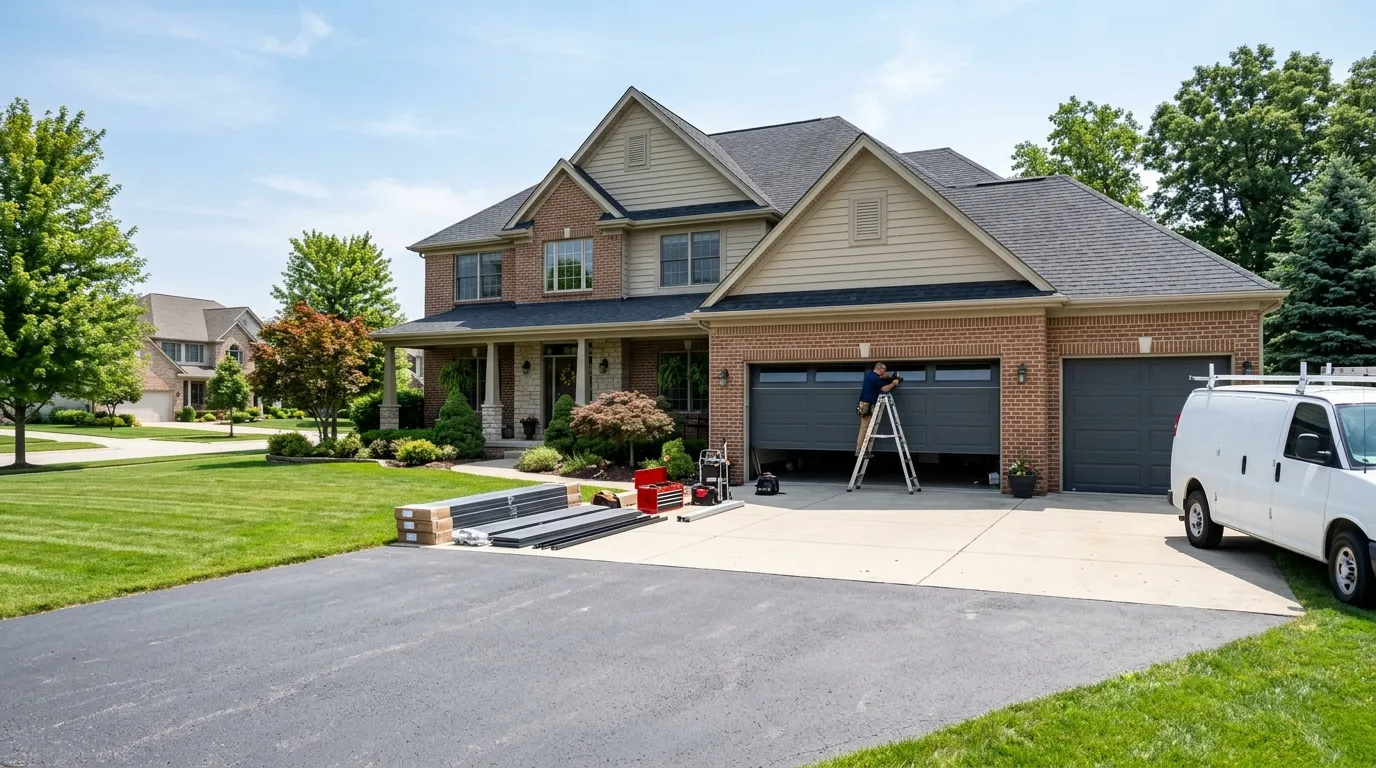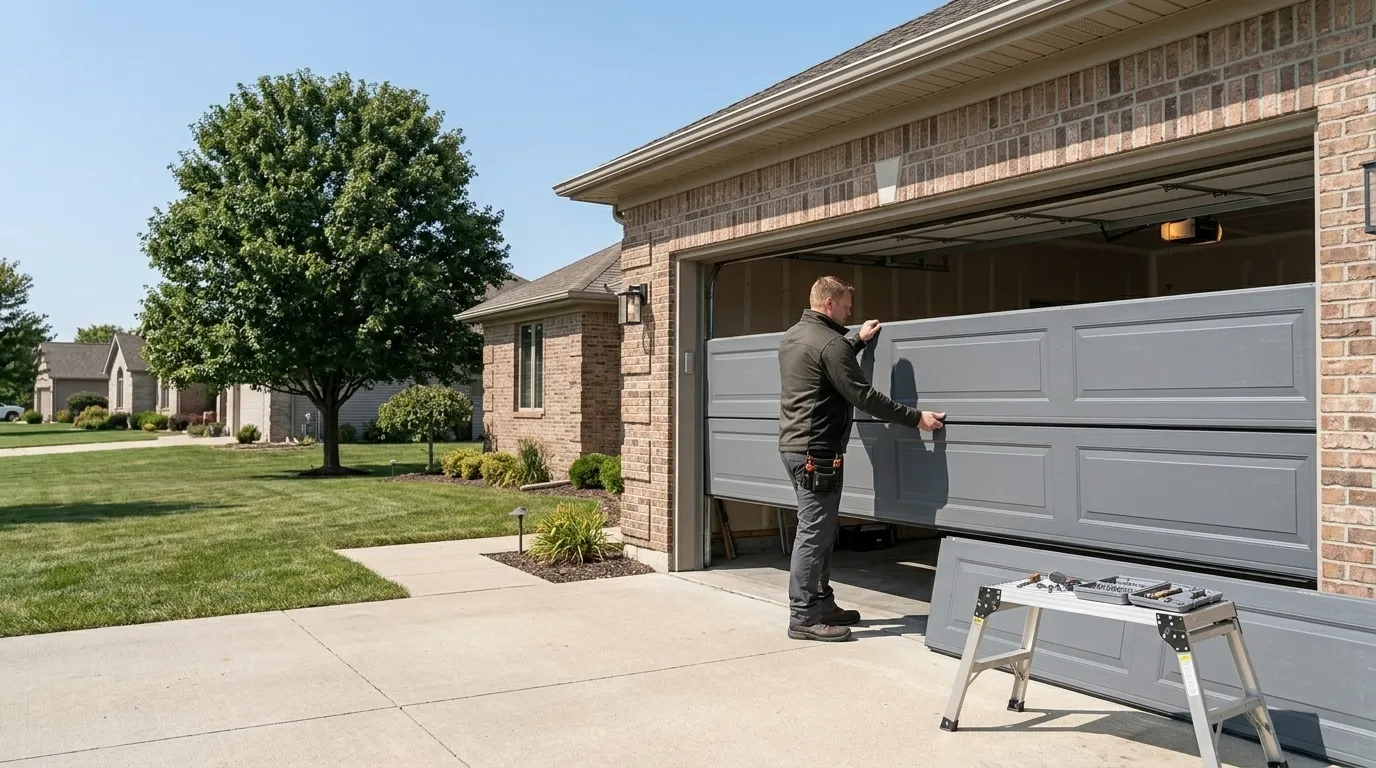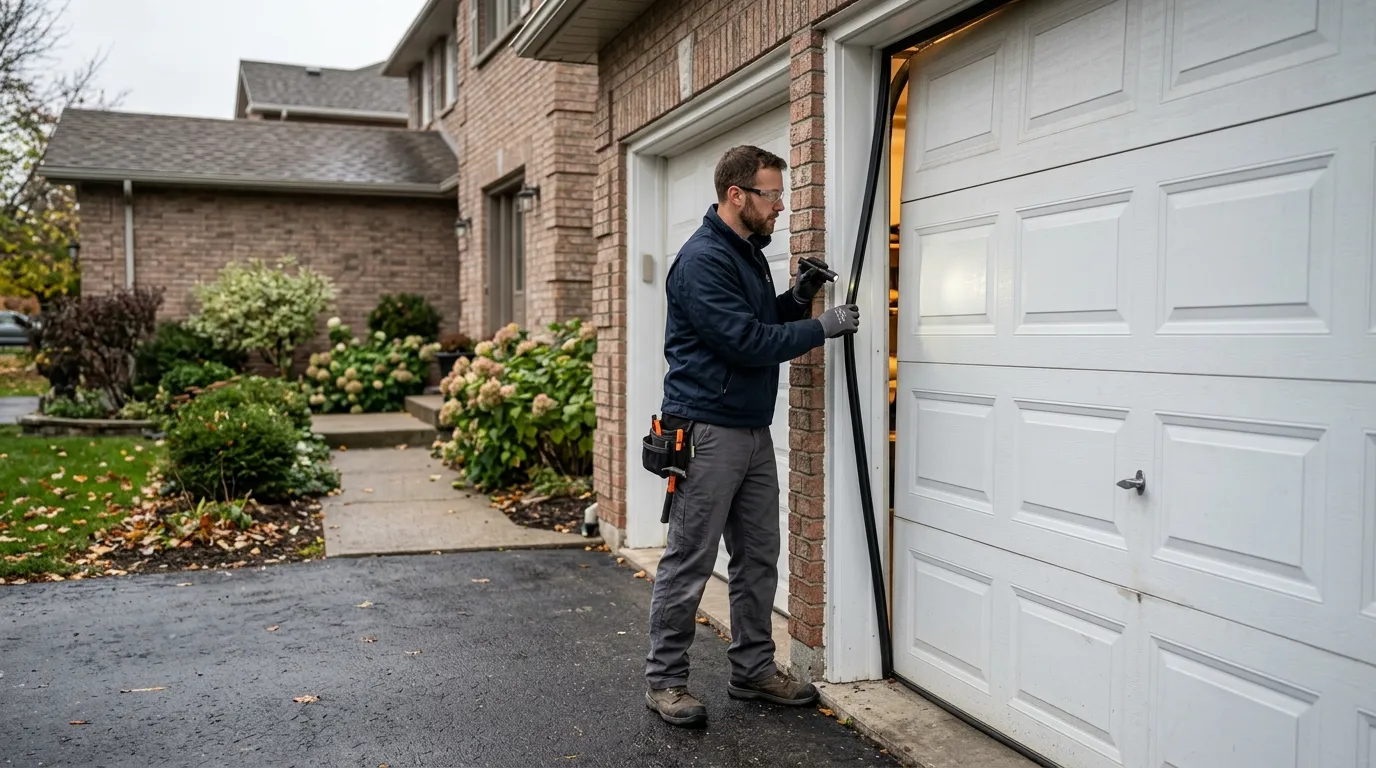
How We Get to You
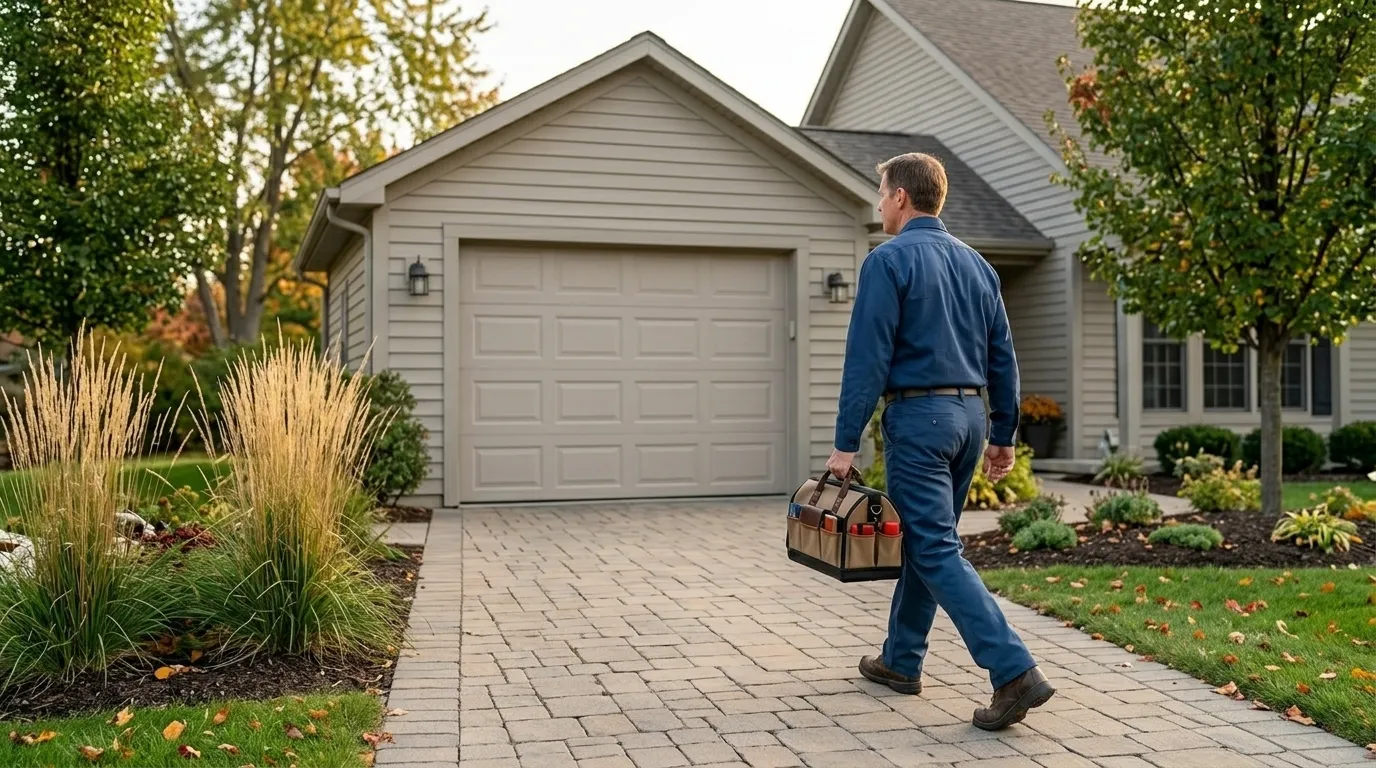
We're based in Burbank, and Santa Susana sits about 20 miles out. We don't have a depot here - every job in Santa Susana is a truck leaving Burbank, not a crew already in the neighborhood. That means we schedule the visit rather than promise a walk-up window.
We're honest about what that means in practice: if you call needing a same-day fix on a Saturday afternoon, we'll tell you straight whether that's realistic given the drive, rather than promise something we can't keep. What we can promise is that the truck comes loaded for the job once it's booked, because a 20-mile trip with the wrong spring size in the truck is a wasted afternoon for everyone.
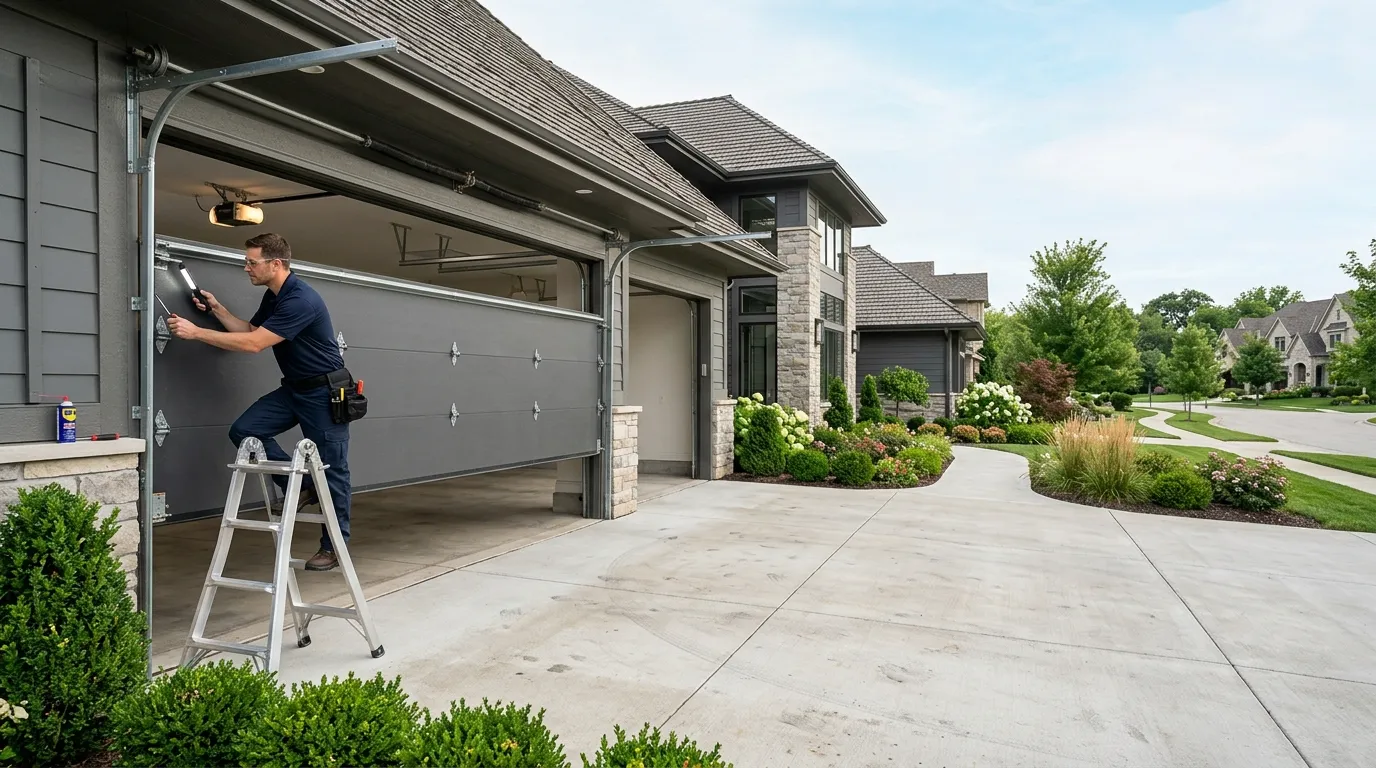
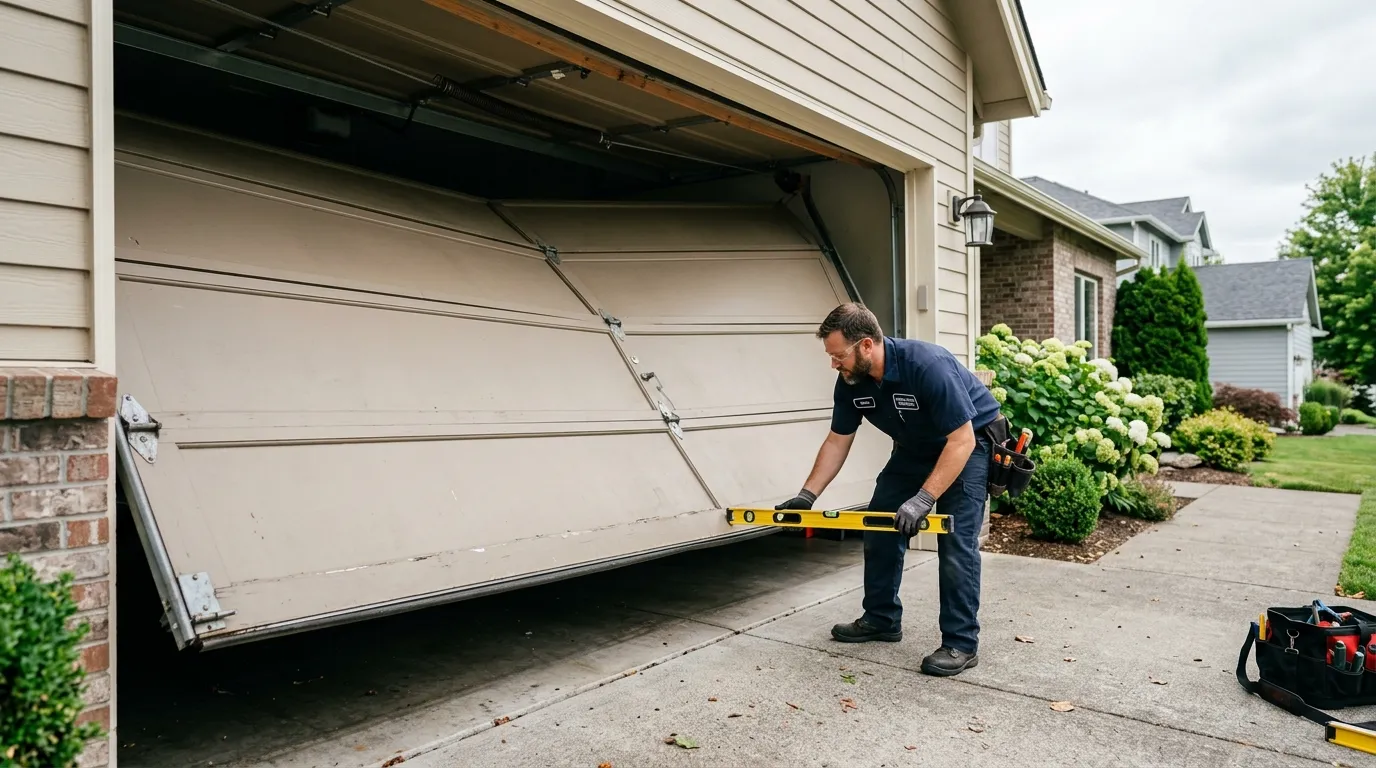
If your garage door is stuck open or a cable has snapped and the door won't move at all, say so when you call - that changes how we plan the route and what goes on the truck before we leave Burbank. A cosmetic issue, a noisy roller, a slow opener - those we can schedule around normally.
We don't cover this stretch with a rotating crew that happens to swing by. It's a dedicated trip, every time, which is part of why we ask a few more questions on the phone before we come out.
How That Shows Up in the Door
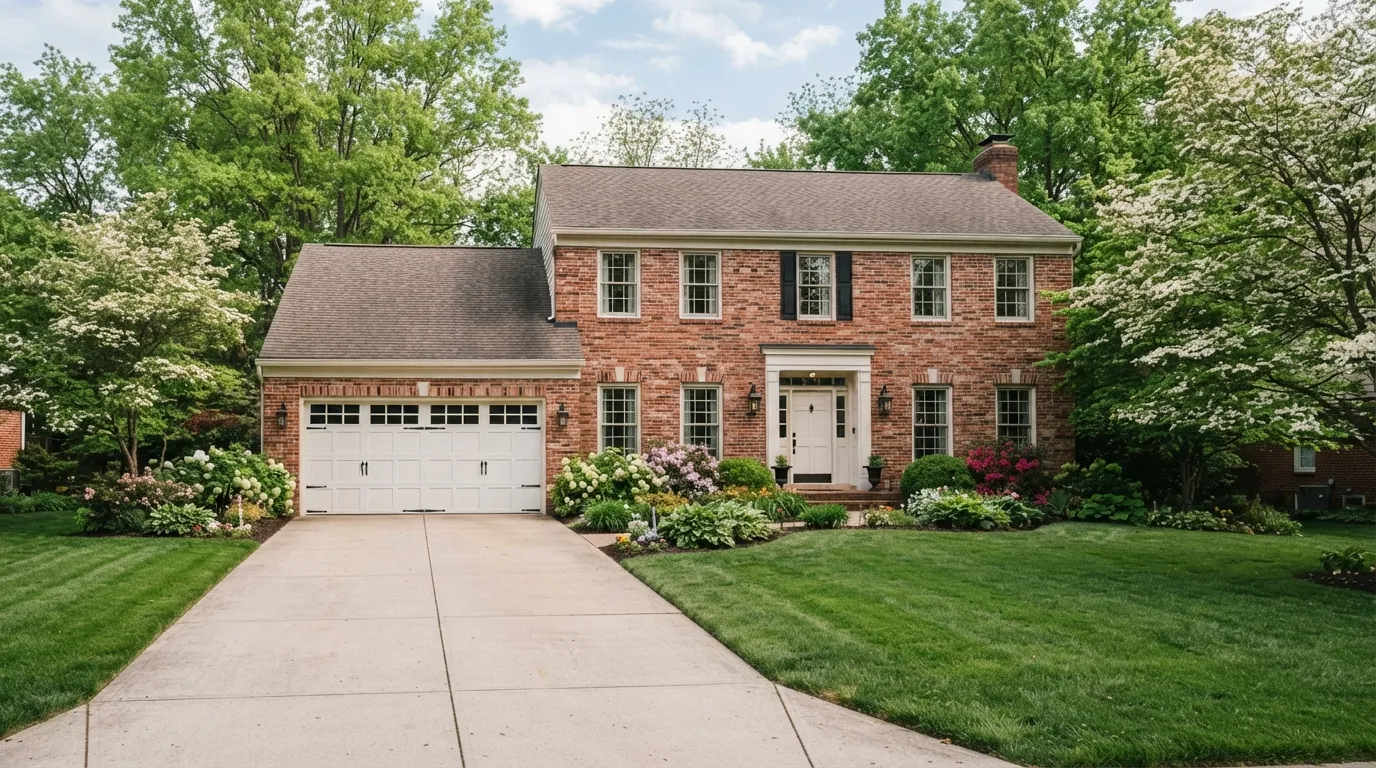
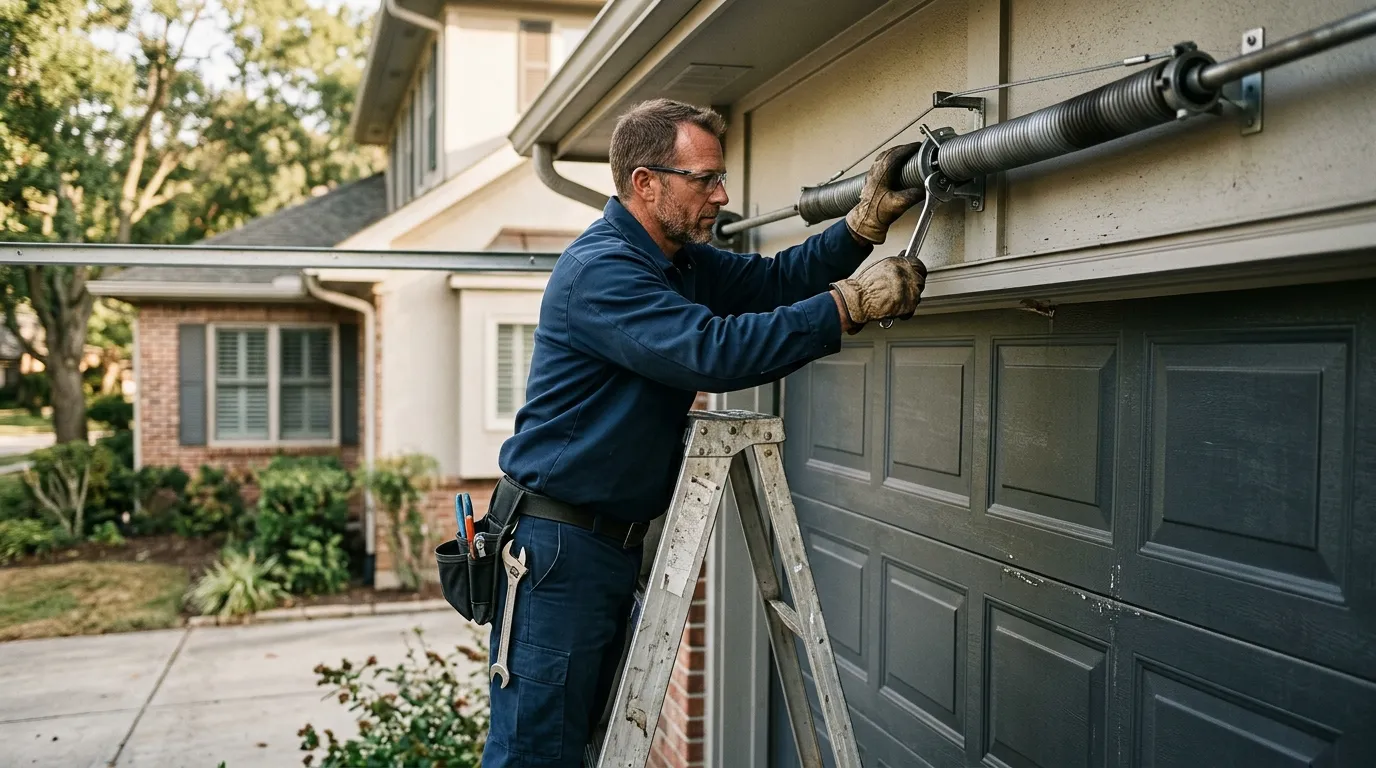
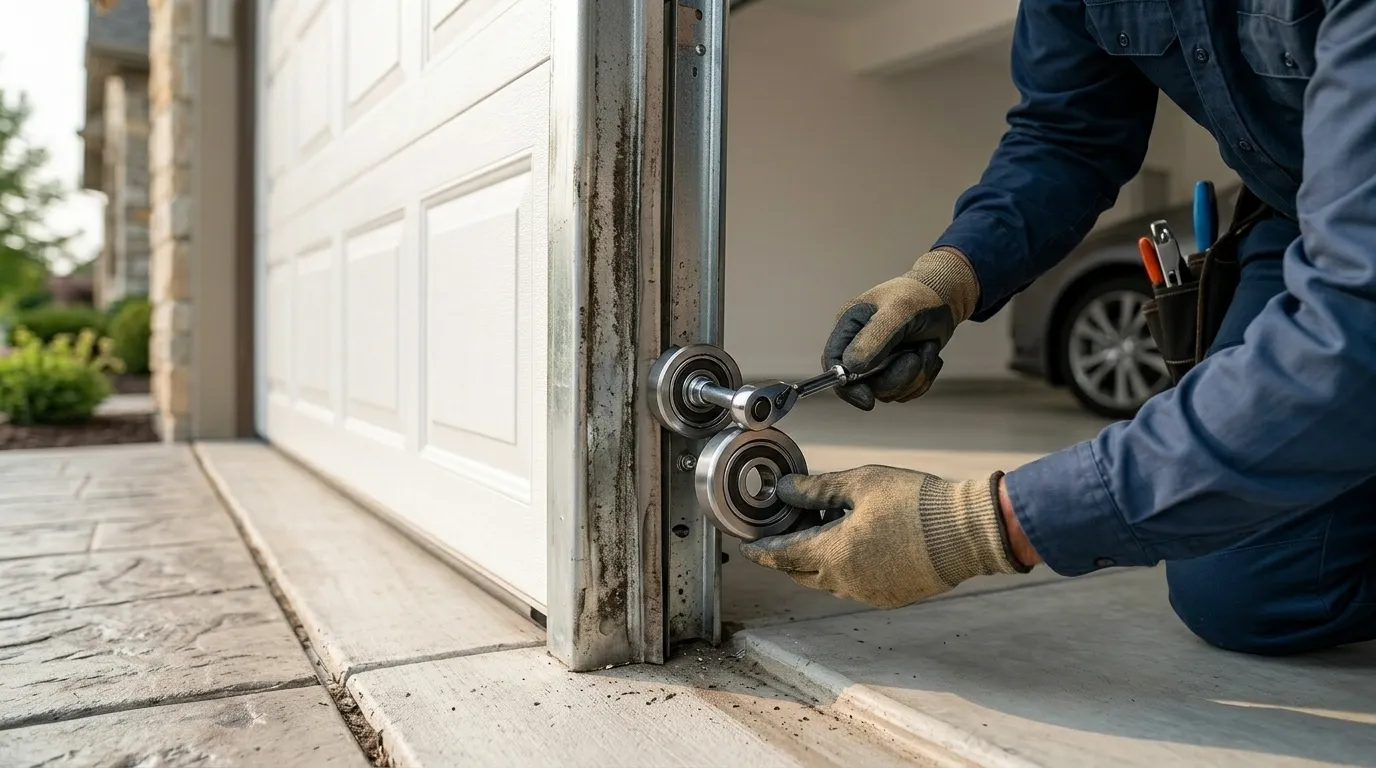
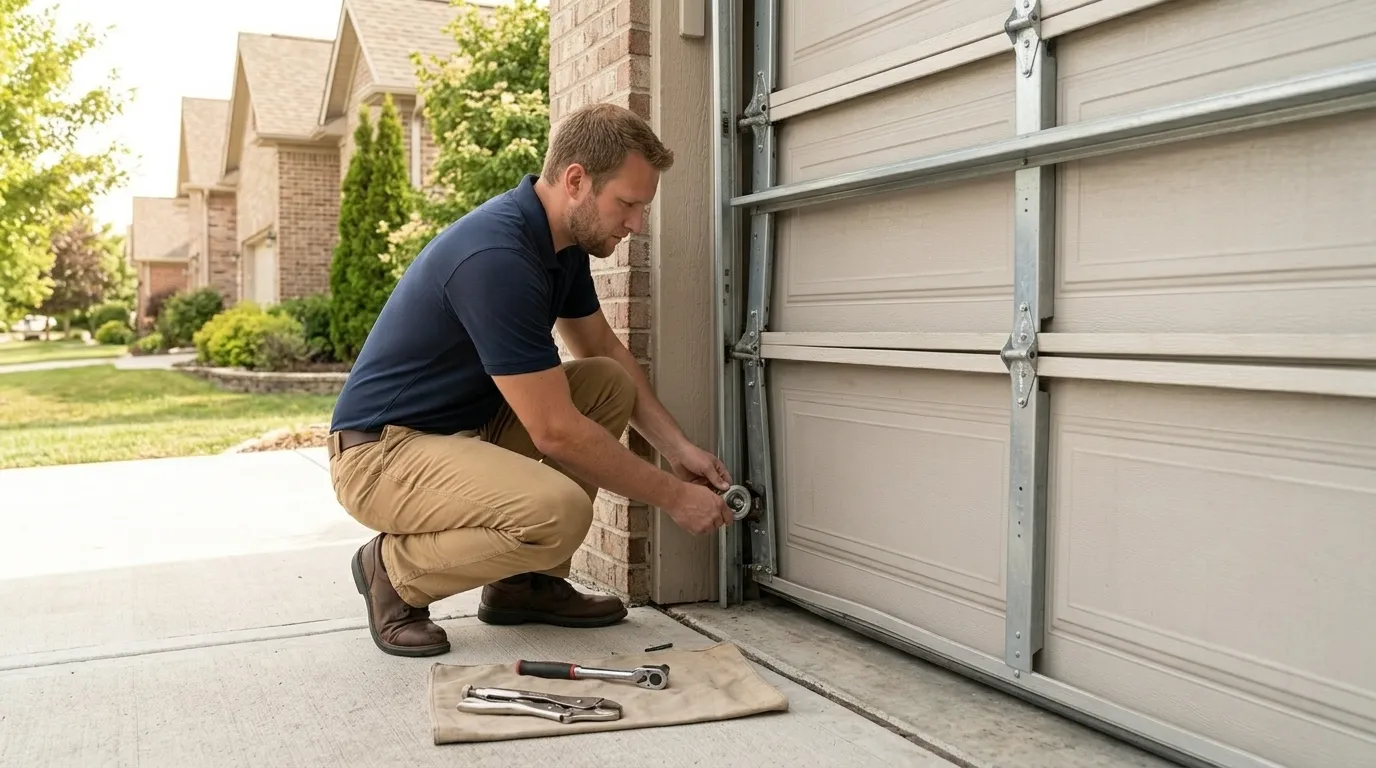
Because most Santa Susana homes date to around 1967, the hardware you're likely to be dealing with is torsion spring, not extension spring - a heavier steel shaft mounted above the door, wound under tension, rather than the stretched springs running along the horizontal tracks that show up on a lot of the pre-1960 houses elsewhere in our territory.
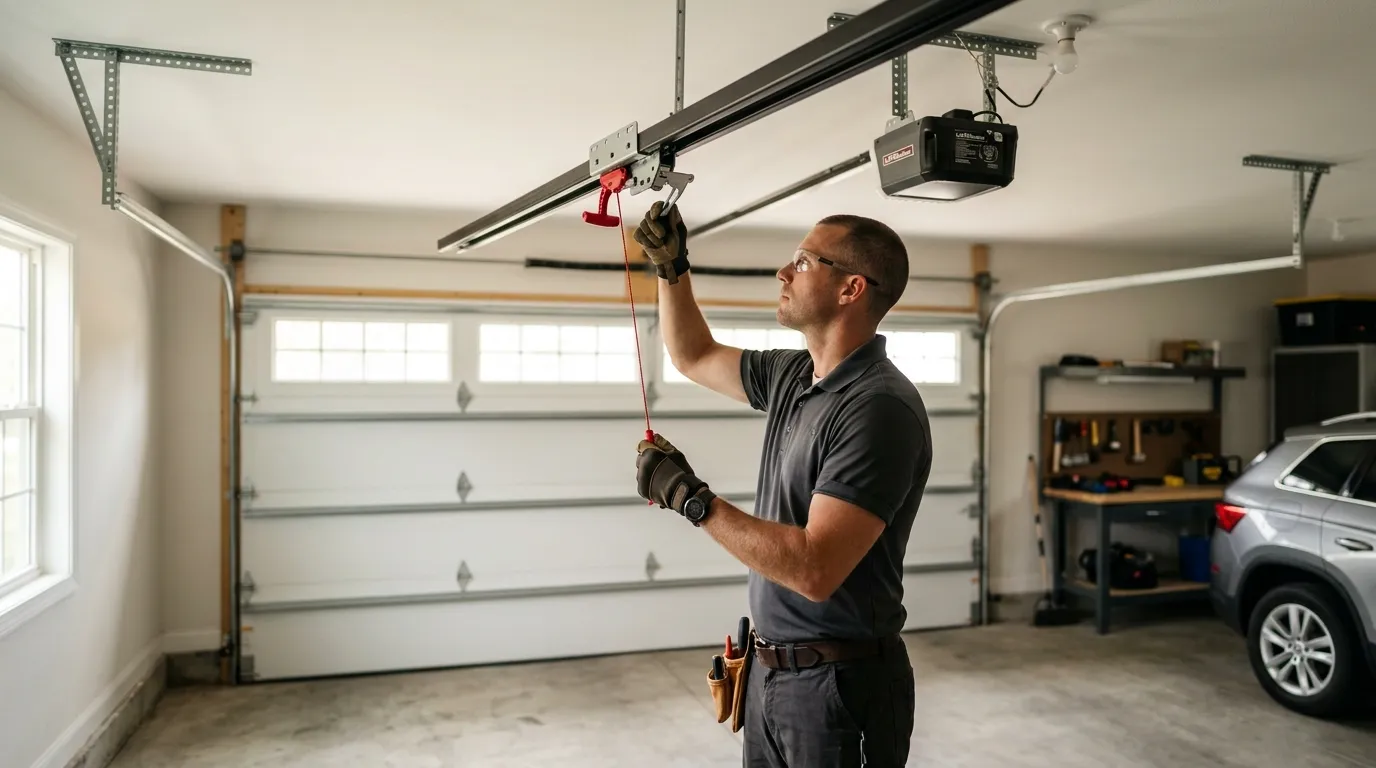
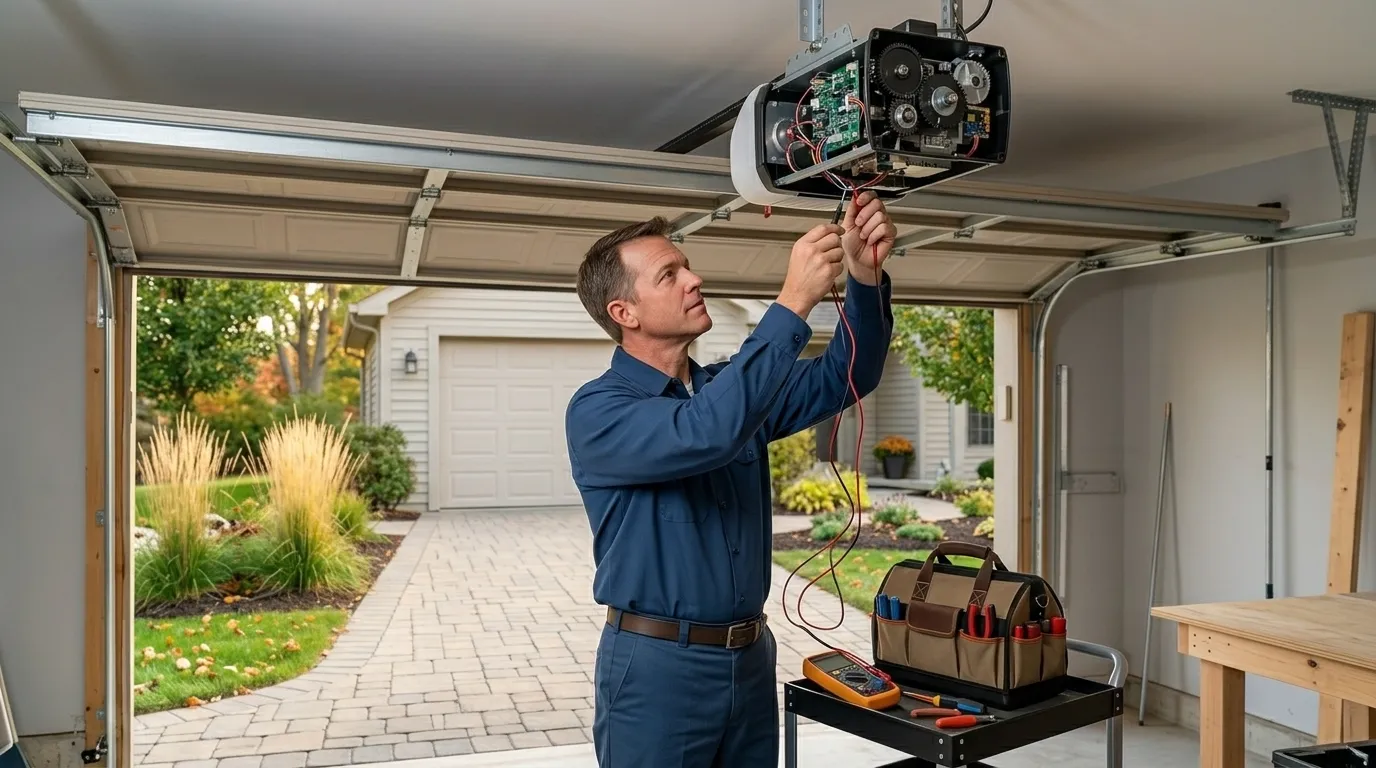
Torsion springs fail differently than extension springs. When one goes, the door usually won't budge at all rather than slamming down unevenly, and the fix means matching wind and wire gauge correctly - get that wrong and the door either won't lift right or wears out again within a year. On a 1967-era house, the opener was almost certainly added after the fact too, since chain and belt-drive residential openers weren't standard equipment on new construction yet at that point. That means the bracket work and the wiring are often a later retrofit layered onto original door hardware, and the two don't always line up cleanly.
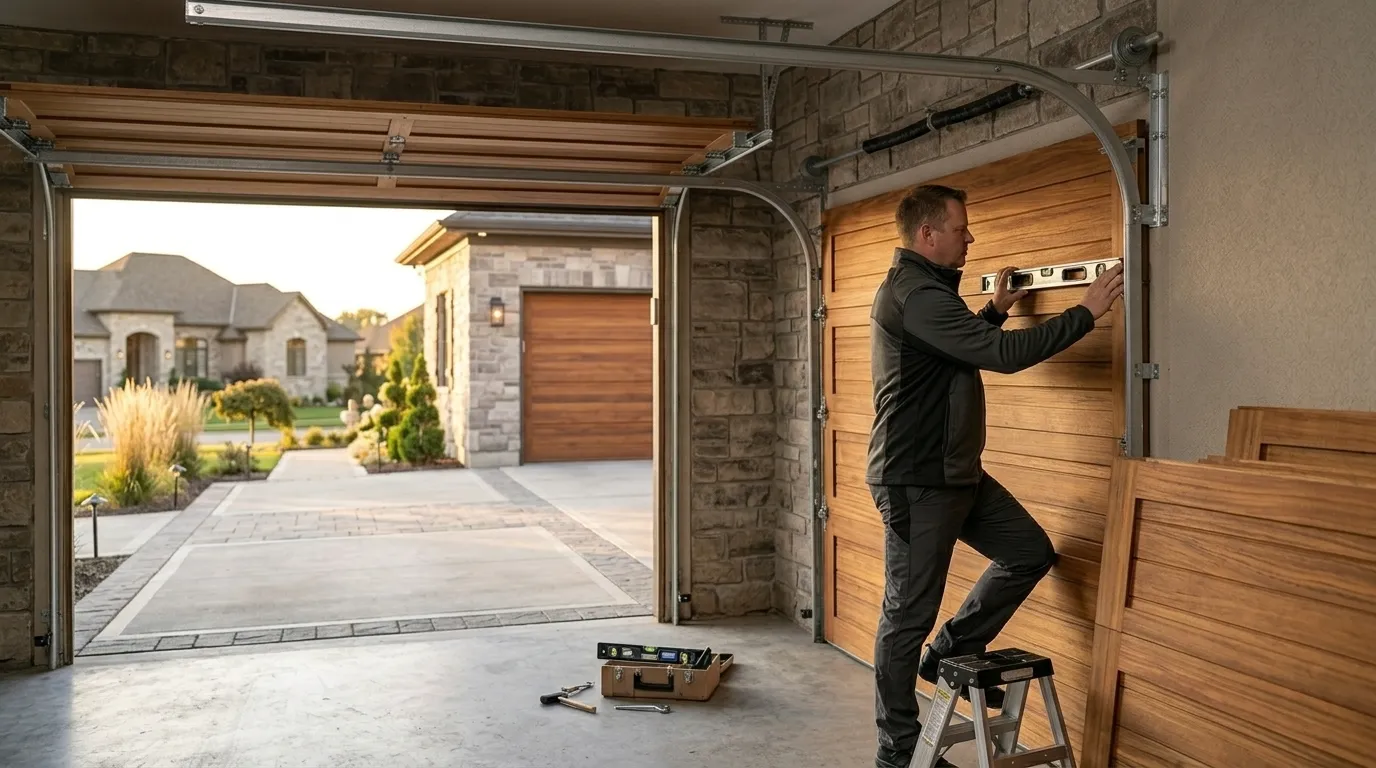
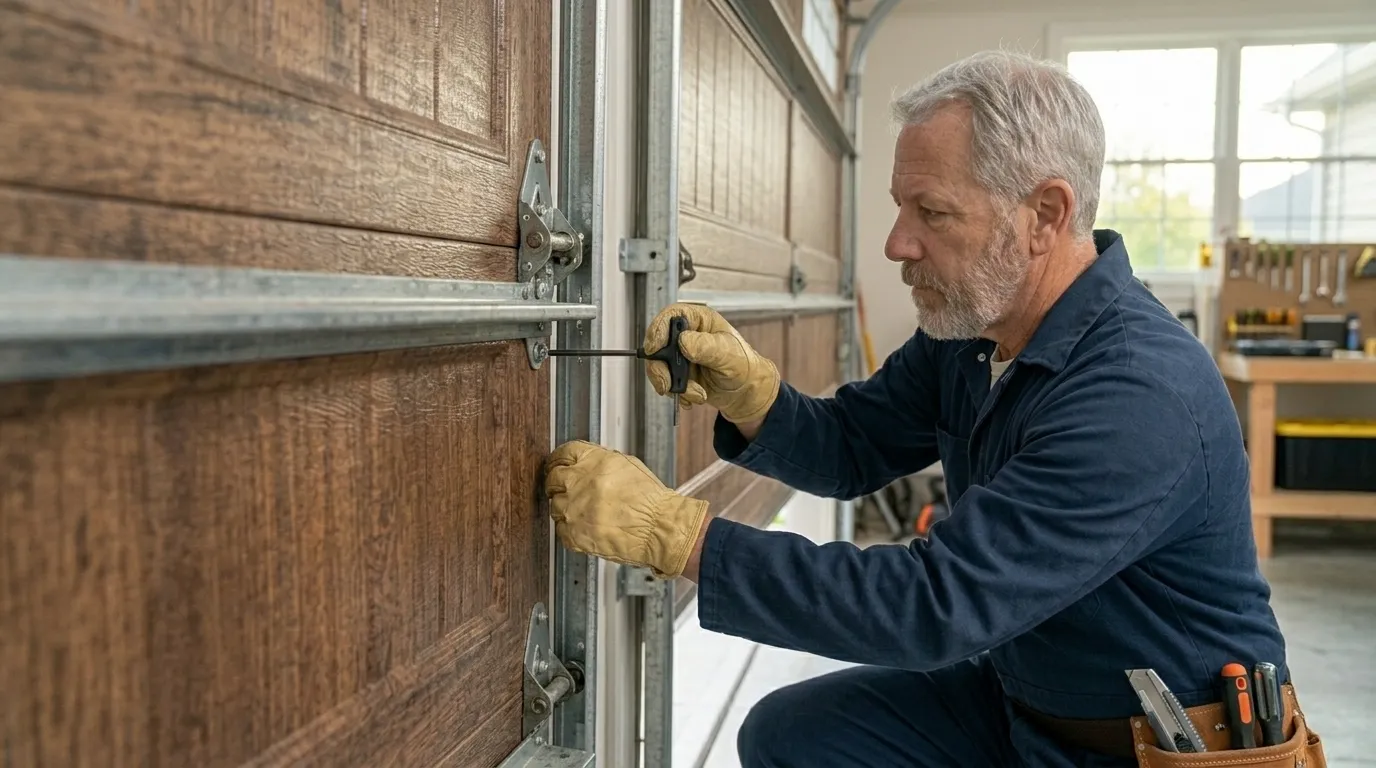
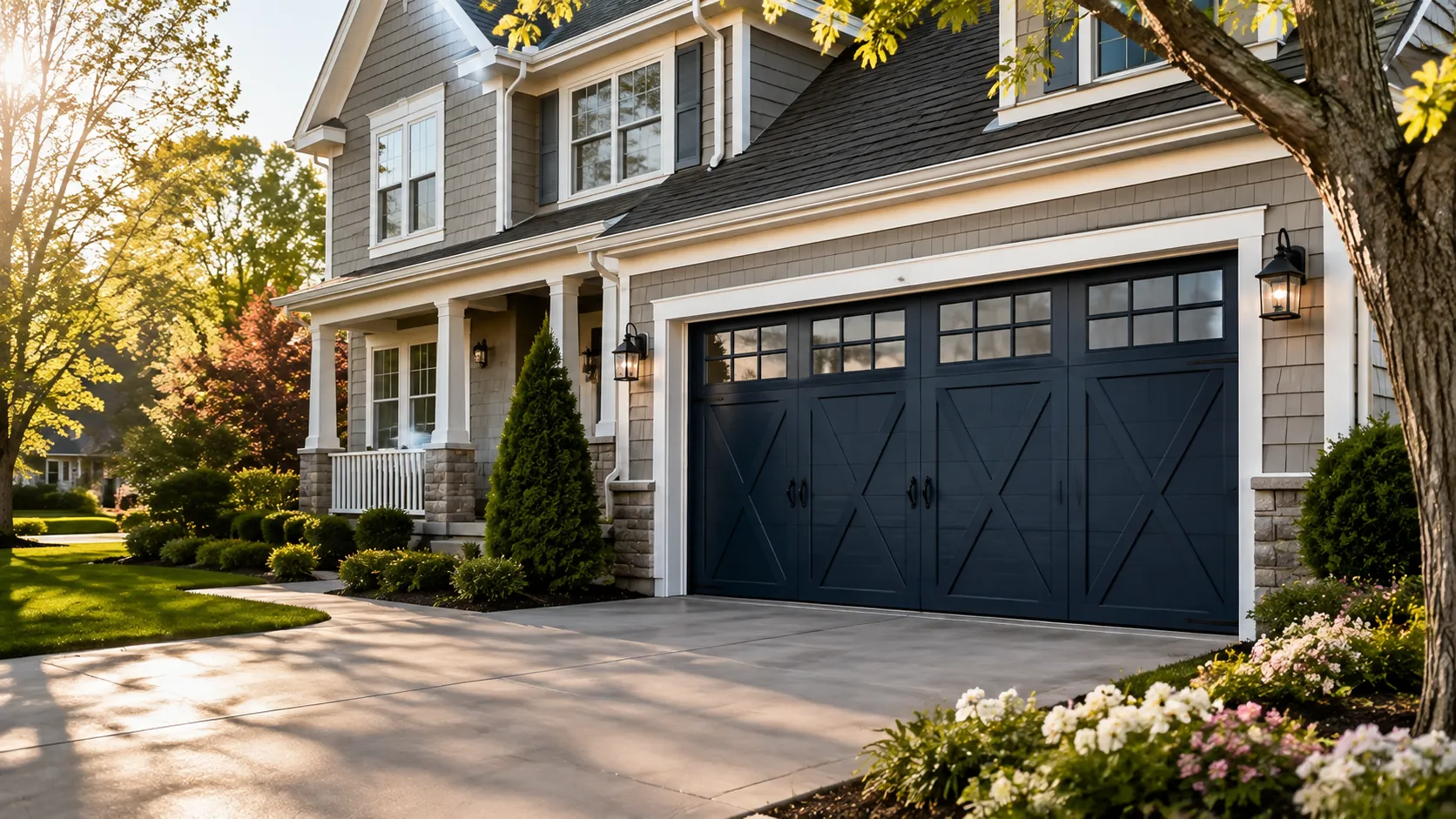
The area's median household income, at $95,329, runs above the $86,956 median for the wider service area - and we see that in the doors themselves. More custom wood-panel doors, more insulated steel doors with a finish upgrade, fewer bare builder-grade panels. Parts on those can take longer to source than a standard steel panel.