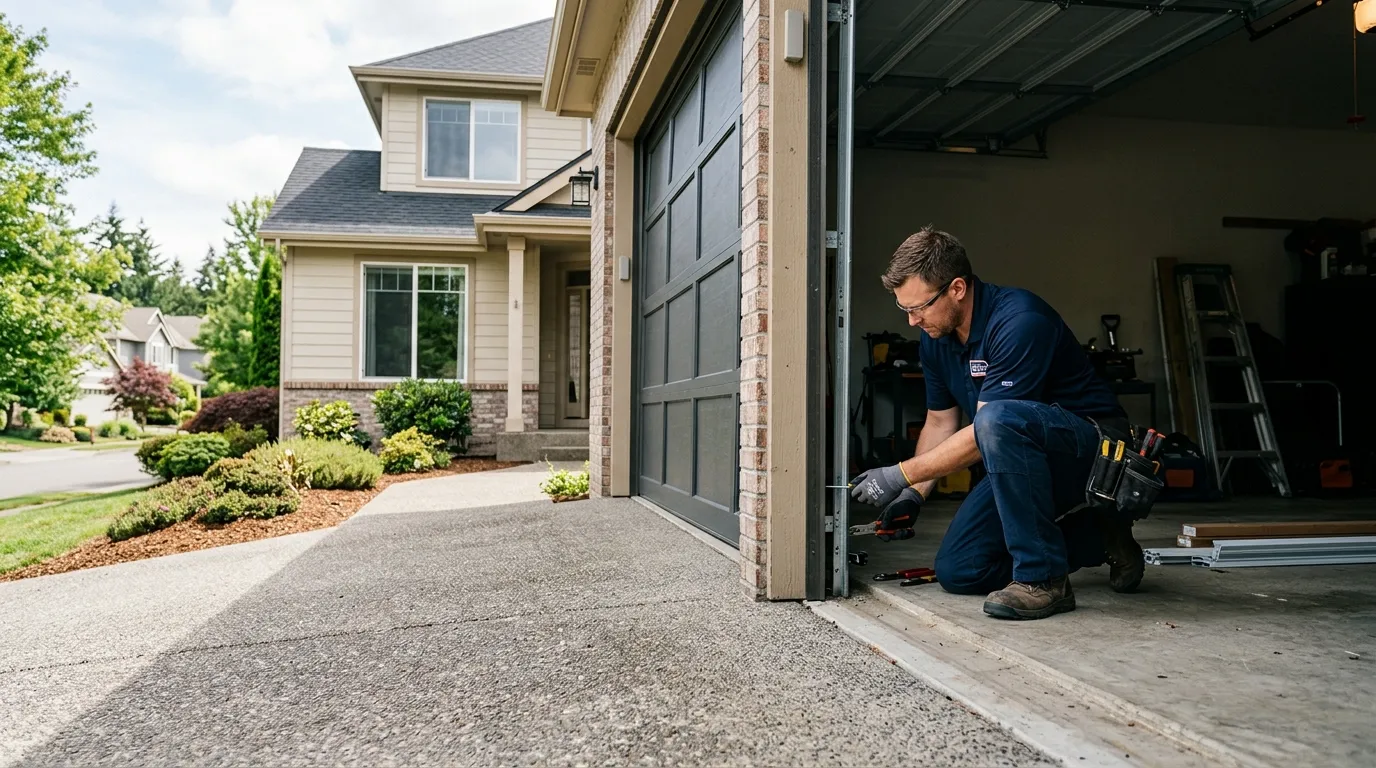
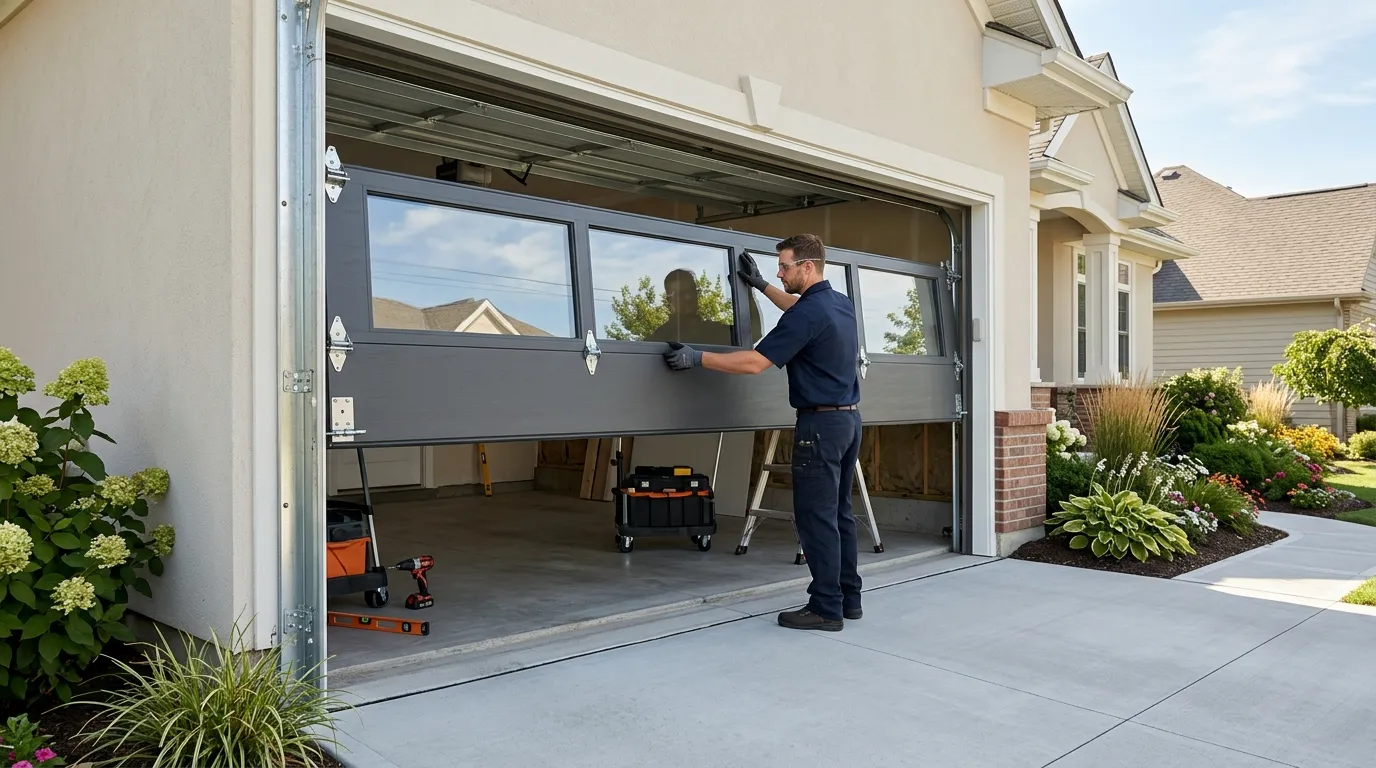
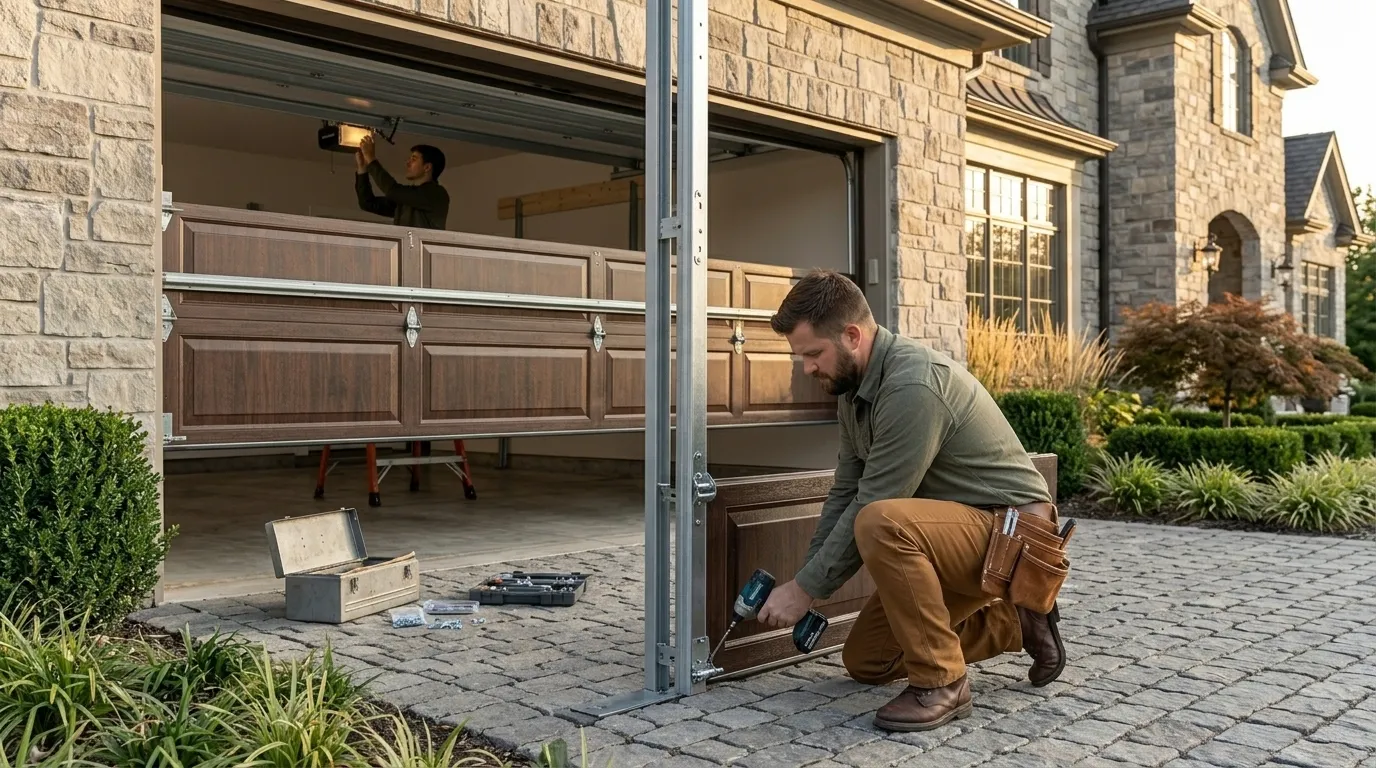
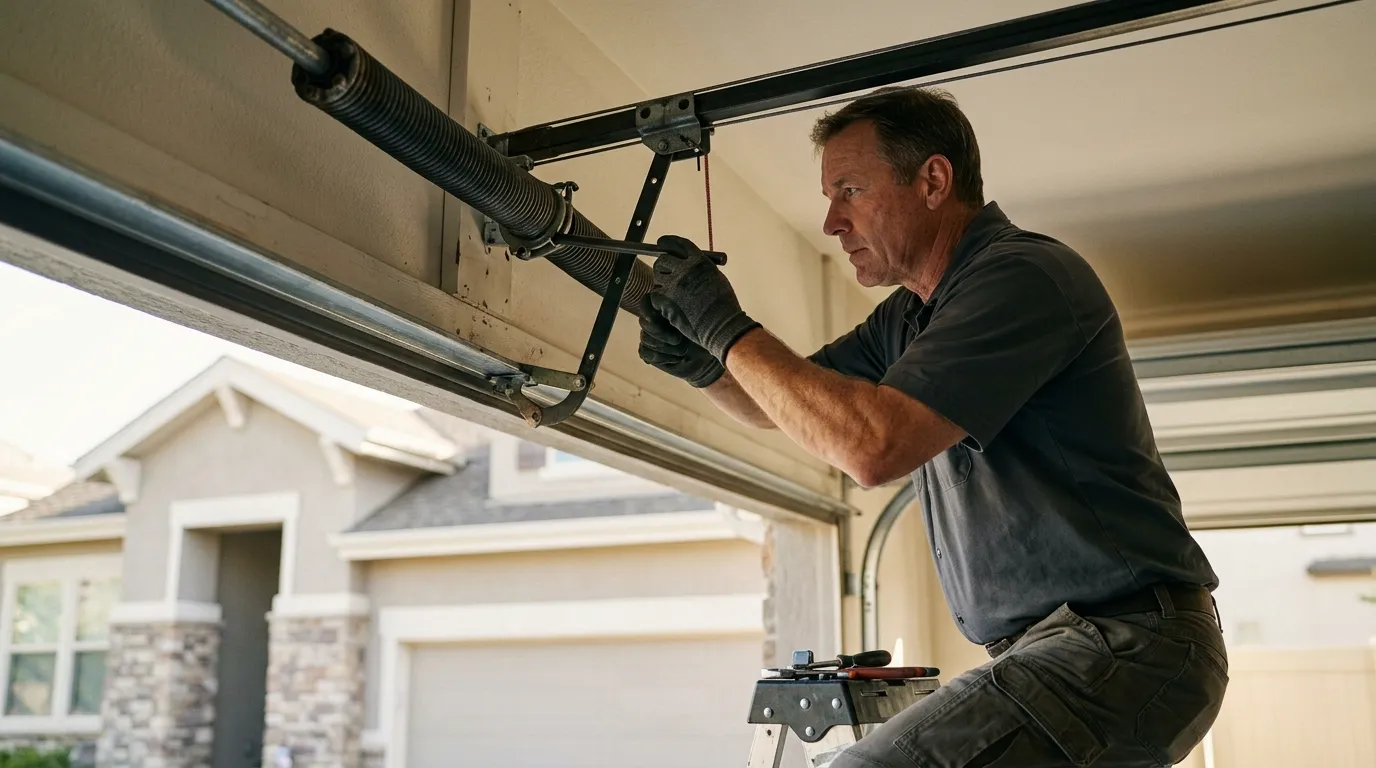
Garage door repair and installation for Shadow Hills homes in Burbank, built mostly 1943-1959. We work on the original hardware this part of the valley still runs.
Shadow Hills sits about 4 miles northwest of Burbank's centre, tucked among a run of similarly aged valley neighborhoods. The housing stock here follows the same pattern as most of the named areas nearby: built mostly before 1960, with a build window stretching from 1943 out to 2012 and a median year around 1959. That matters for garage doors because a house built in the late 1950s almost never has the opener, spring, or track hardware you'd find in something built last decade. If your door is original or close to it, the parts on it are older than the warranty stickers you'll find online. We work on that hardware directly rather than pushing a full replacement as the first answer. Sometimes replacement is the right call - we'll say so plainly when it is. But a lot of the calls we get out here are a torsion spring, a bent track, or a opener that's simply worn out its gears, not a door that needs to go.
What Is Built Here
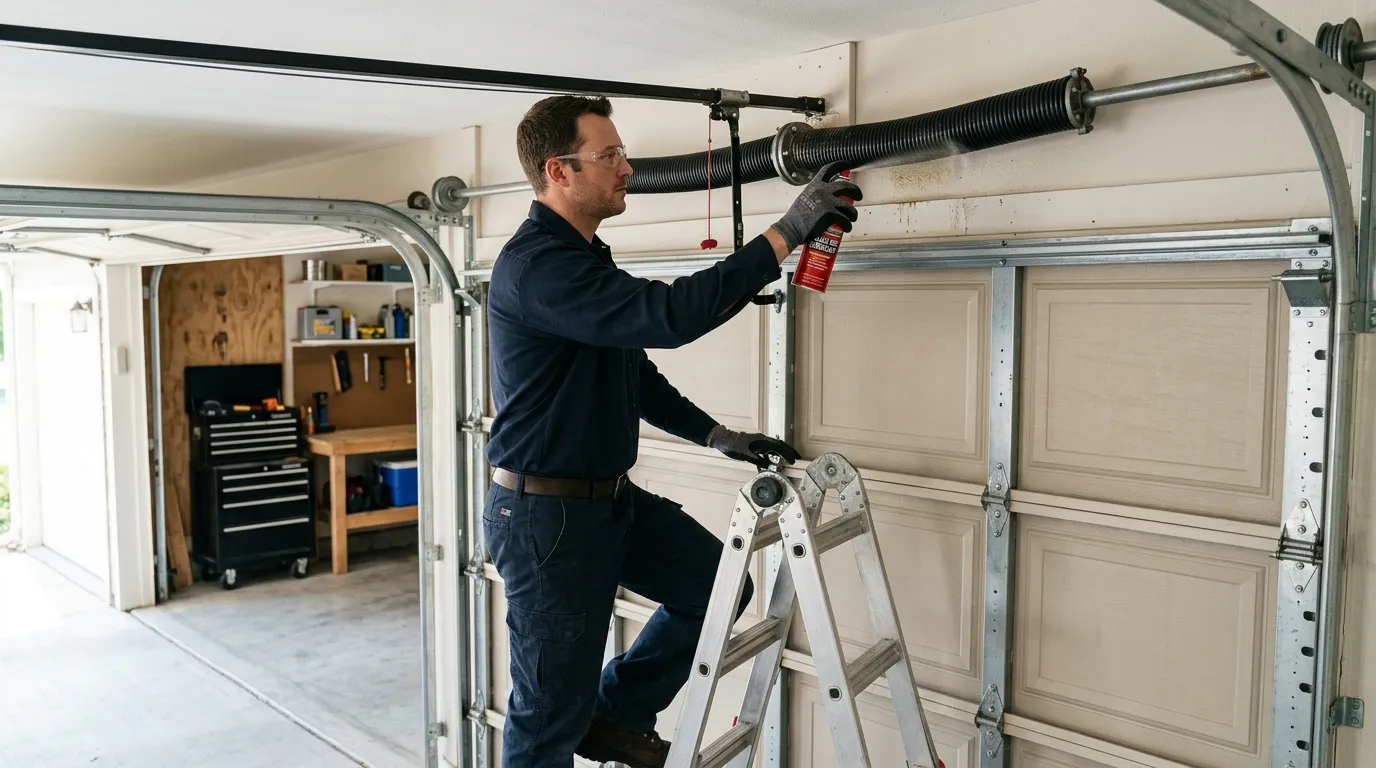
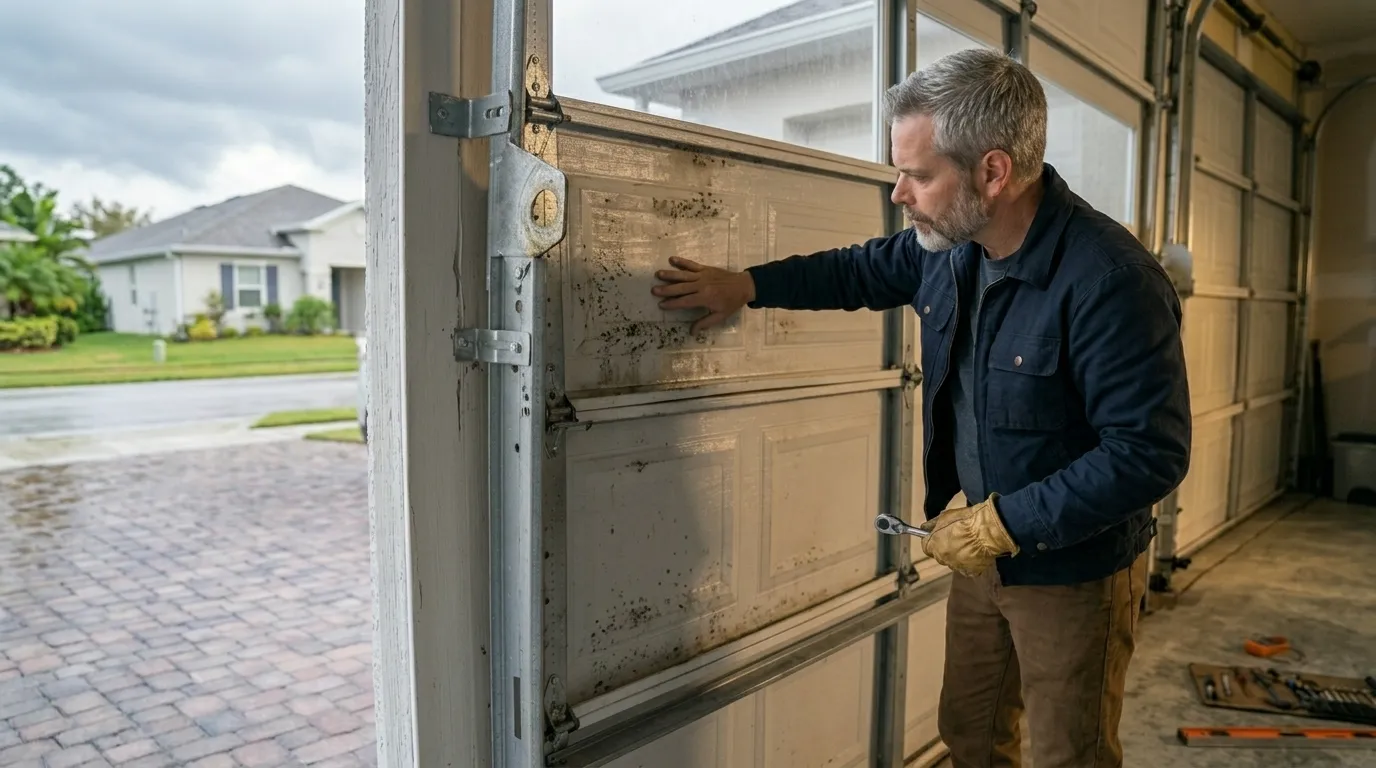
The build window for this part of the valley runs 1943 to 2012, but the median lands around 1959, and most of the named areas nearby lean the same way - pre-1960 stock is the rule, not the exception. Houses from that era were built with single-layer wood or light steel doors, side-mounted torsion springs, and openers that, if original, are long past due for a swap regardless of what's wrong with them today. What that means on a service call: hinges worn oval from decades of use, tracks that were never galvanized and have started to pit, and rollers that are the old steel kind, not nylon. We see cables fraying at the drum more often on these older setups because the original hardware wasn't built with today's cycle counts in mind. It also means panel sizes and mounting patterns from that period don't always match what's on the shelf now - a repair can take longer to source the right part than a job on a newer house would. That's the honest tradeoff of working on this vintage of door: the fix is usually cheaper than replacement, but it isn't always fast.
Where This Is
Shadow Hills sits roughly 4 miles northwest of Burbank's centre. Sun Valley is close by to the west-northwest, about 4 miles out, and Sunland and Tujunga both sit around 5 miles to the north. Lake View Terrace is a bit further, about 7 miles to the north-northwest. That puts Shadow Hills in a cluster of neighborhoods that share a similar age of housing stock and, mostly, a similar climate profile - this whole stretch of the valley sits in a moderate heat band rather than the more extreme desert conditions you'd find further out. We don't have street-level detail to hand out here - no landmark names, no cross streets - so we're not going to invent any. What we can tell you is the geography and the housing pattern, and both point to the same kind of work: repair-first calls on older torsion setups, not new-construction installs.
Typical Work
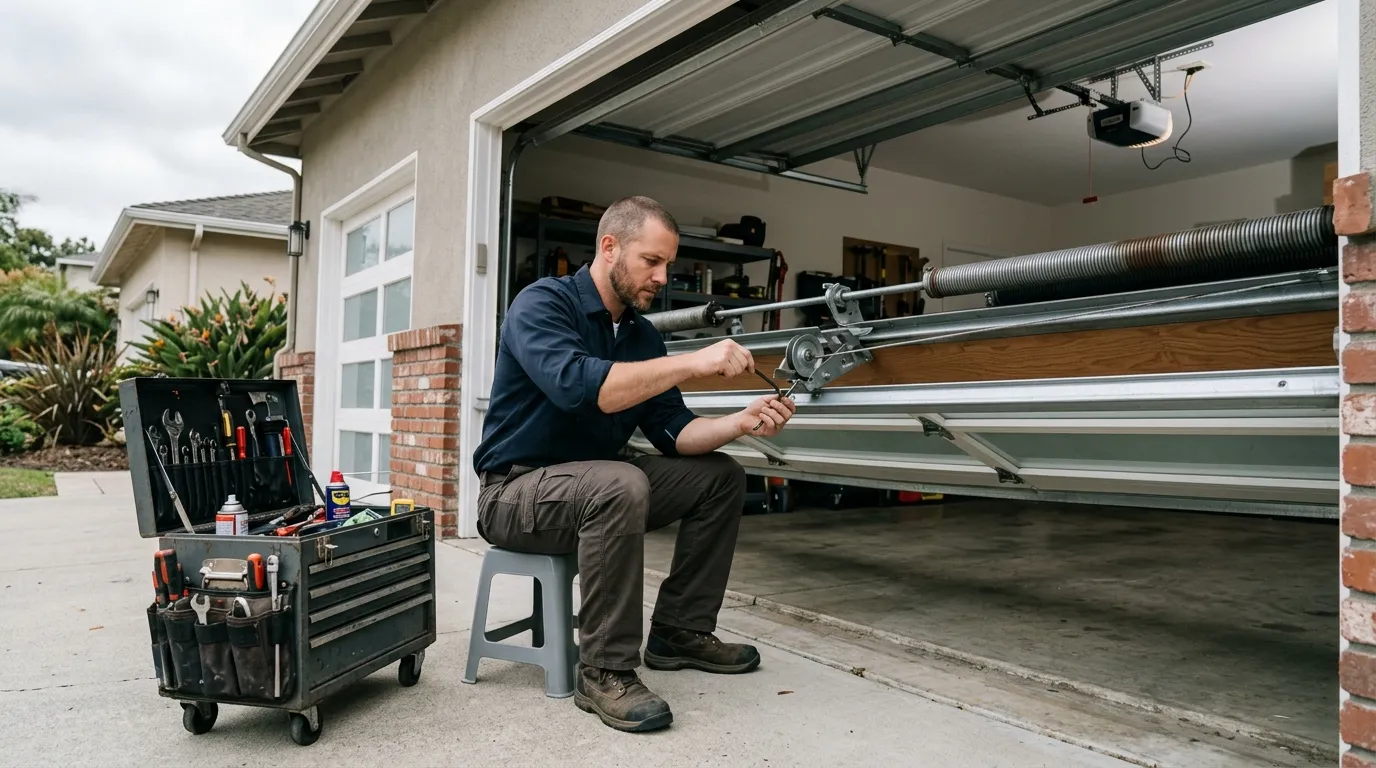
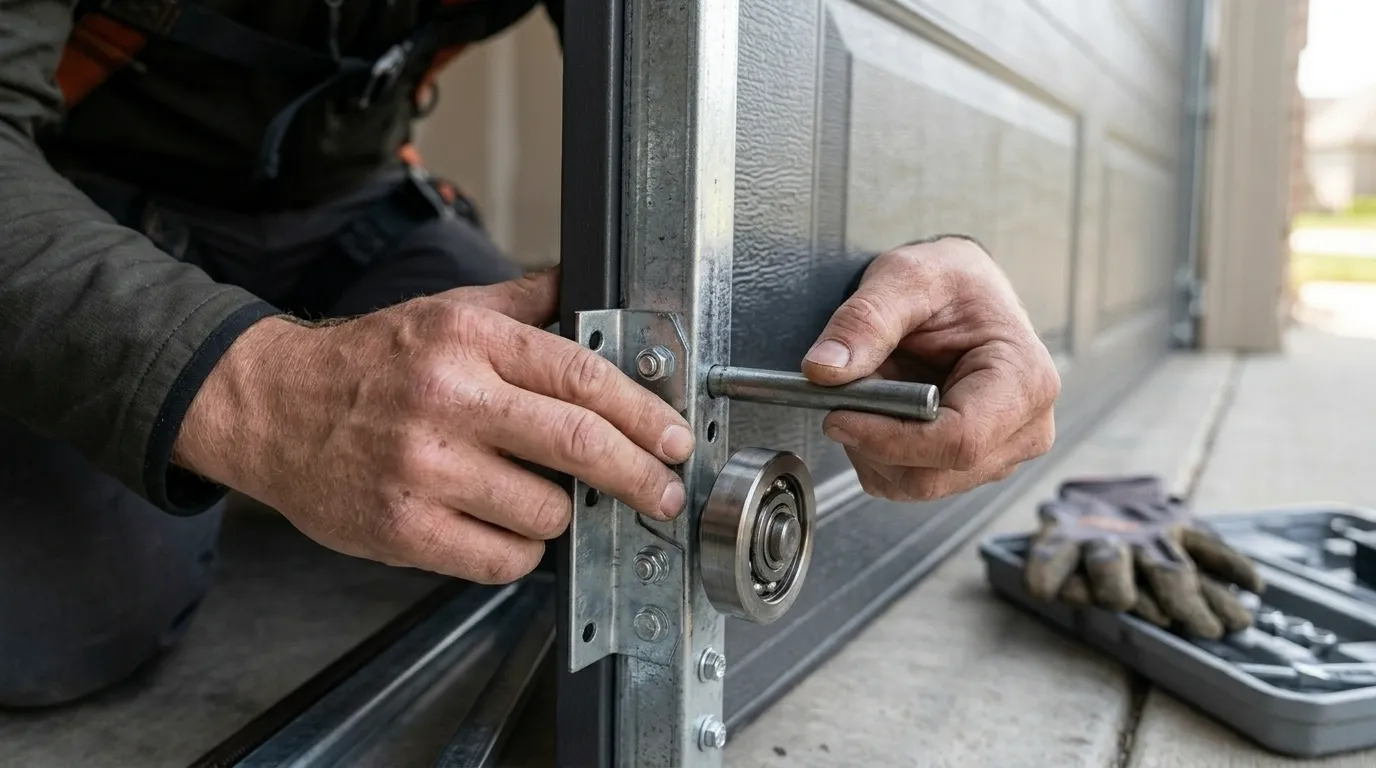
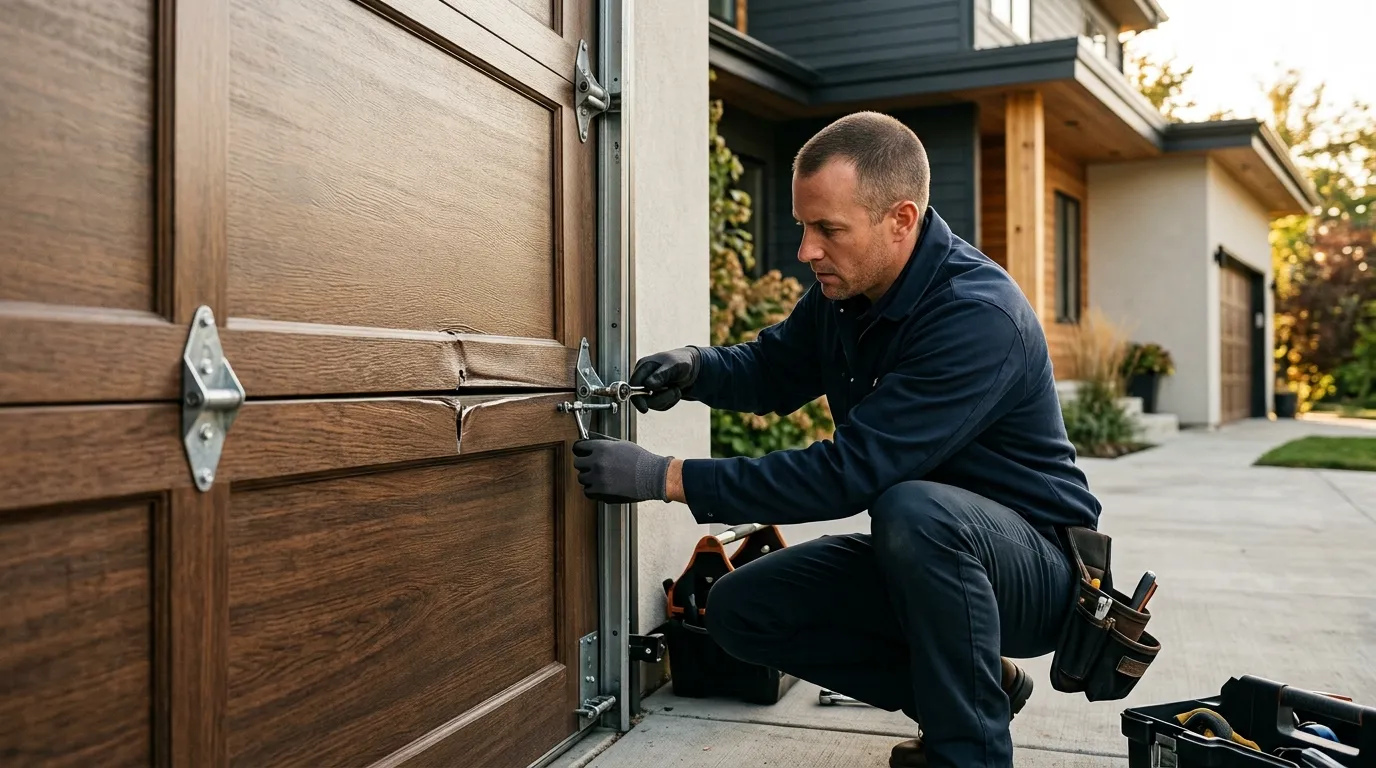
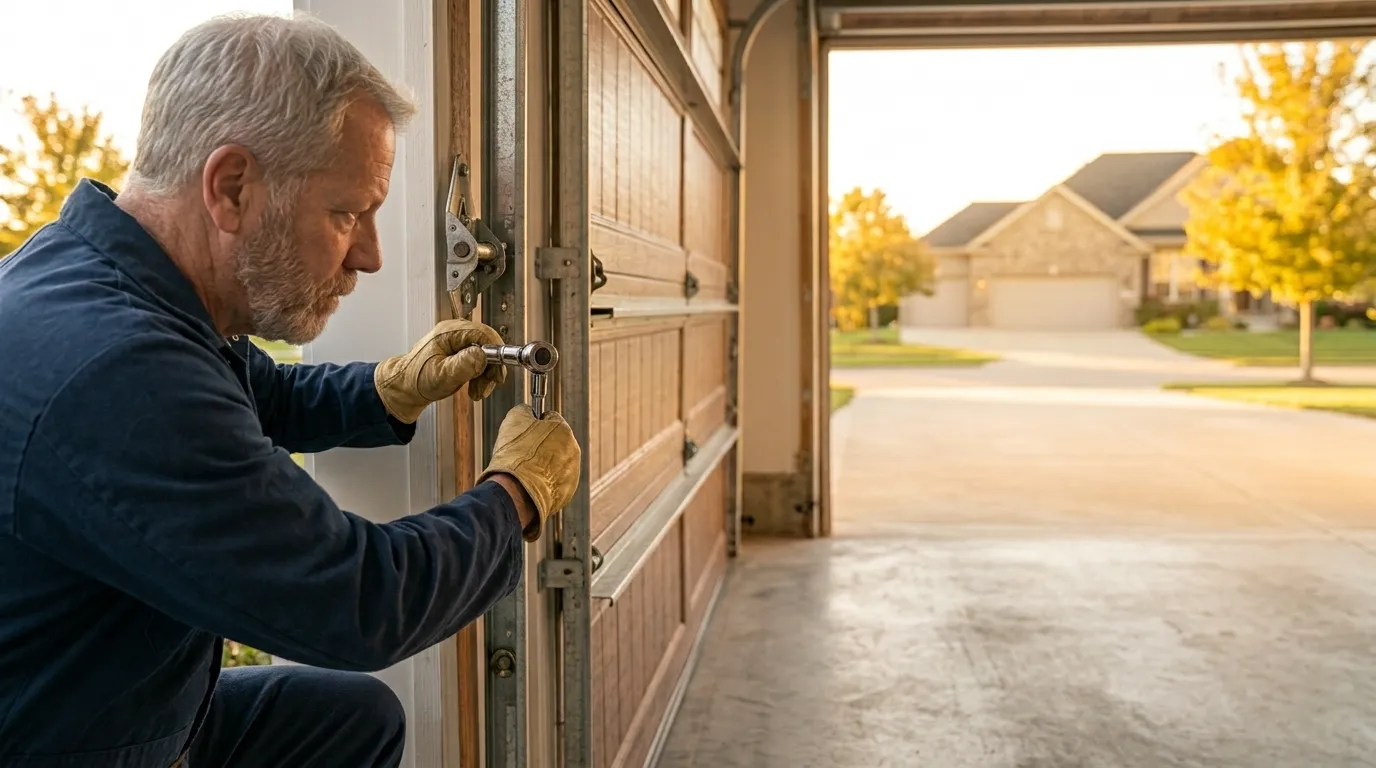
Given the age of the housing stock, the calls out here tend to fall into a few buckets. Torsion spring replacement on doors that have never had the spring swapped since the house was built - springs have a cycle life, and a house from the late 1950s has had a lot of cycles. Opener replacement, usually because the original chain-drive unit has worn its gears down rather than failed outright. Track and roller work, where decades of steel-on-steel wear has left the door running rough or binding on one side. Because this area sits in a moderate heat zone rather than an extreme one, we don't spend much time on the insulation upgrades you'd push in a hotter climate - the bigger issue here is mechanical wear from age, not heat-driven material failure. Panel replacement comes up too, though matching an original panel from a door this old sometimes takes longer to source than the labor itself. When a door's frame or track is bent badly enough, full replacement usually costs less over time than repeated patch repairs - we'll tell you when we're at that point rather than stringing a job along.
How it works
From “it’s stuck” to “it’s fixed”
01
Tell us what’s wrong
Describe the symptom - won’t open, loud bang, opener runs but the door won’t move.
02
On-site diagnosis
A technician tests the door under power and by hand and finds what actually failed.
03
Clear, up-front plan
You get the fix that’s needed and what drives the cost - before any work starts.
04
Repaired & tested
The repair is done, the door is set true and tested, and the work area left clean.
Next step
Serving Burbank, CA - tell us what your door’s doing and we’ll take it from there.
Straight answers about garage door repair in Burbank. Still unsure? Ask us directly.
Is my garage door too old to repair?
Not necessarily. A lot of houses in this part of the valley were built in the late 1950s, and many still run original or near-original torsion springs and tracks. Age alone doesn't rule out a repair - spring swaps, track alignment, and roller replacement work fine on older hardware. Replacement makes more sense when the frame itself is bent or the door has been patched repeatedly.
Do garage doors here need extra insulation for the heat?
This part of the valley sits in a moderate heat band, not an extreme one, so we don't typically push heavy insulation upgrades as a first move. Heat still stiffens old spring lubricant and can swell wood panels over time, but it's not the main driver of failures we see out here - worn hardware from age is.
Can you match the original garage door panel on an older house?
Sometimes, but it depends on the exact model and how long it's been discontinued. Houses from the 1950s and 60s often used panel sizes and mounting patterns that aren't stocked anymore. We'll check what's available before quoting, and we'll tell you upfront if sourcing an exact match will add time to the job.