What Is Built Here
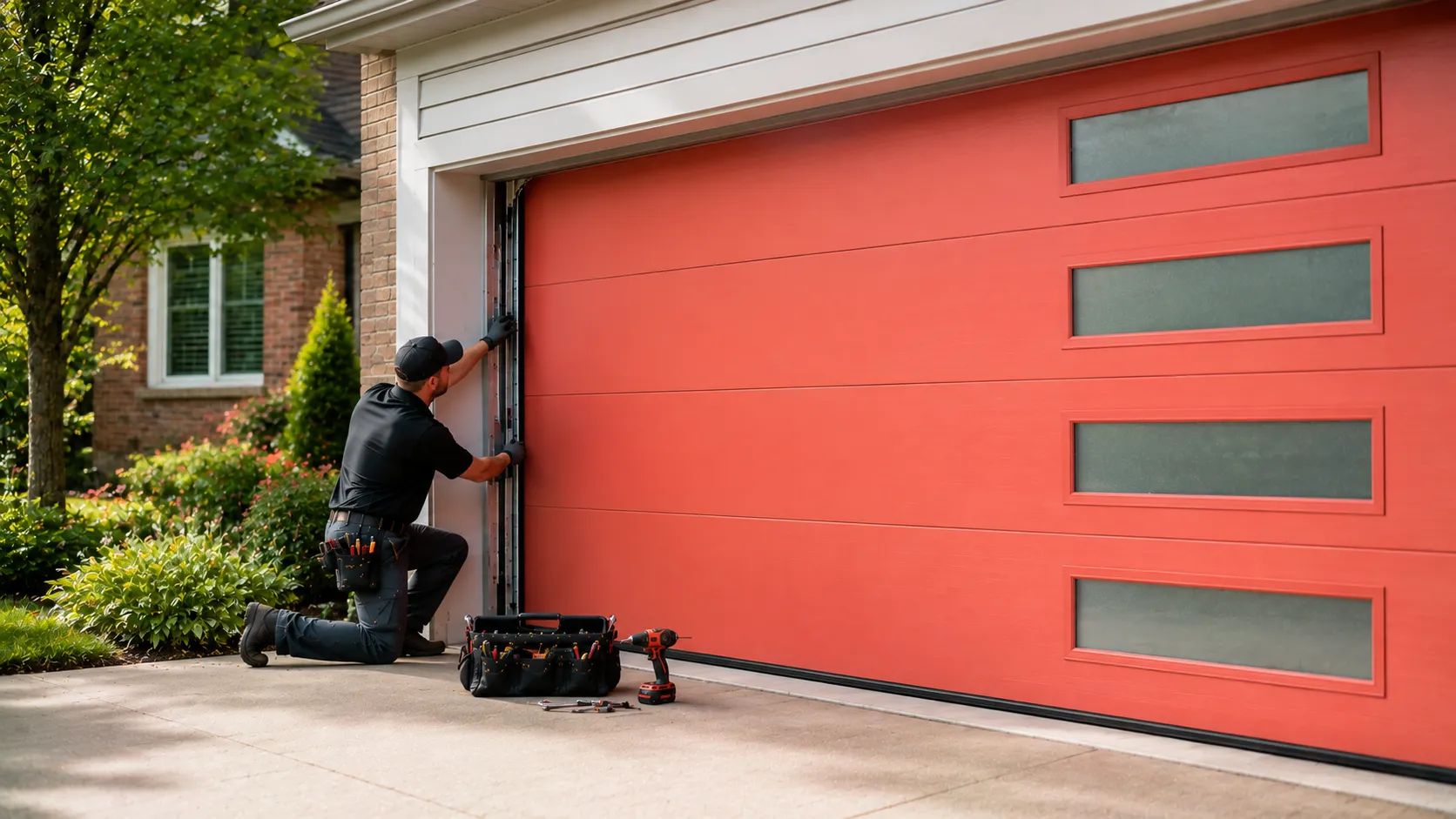
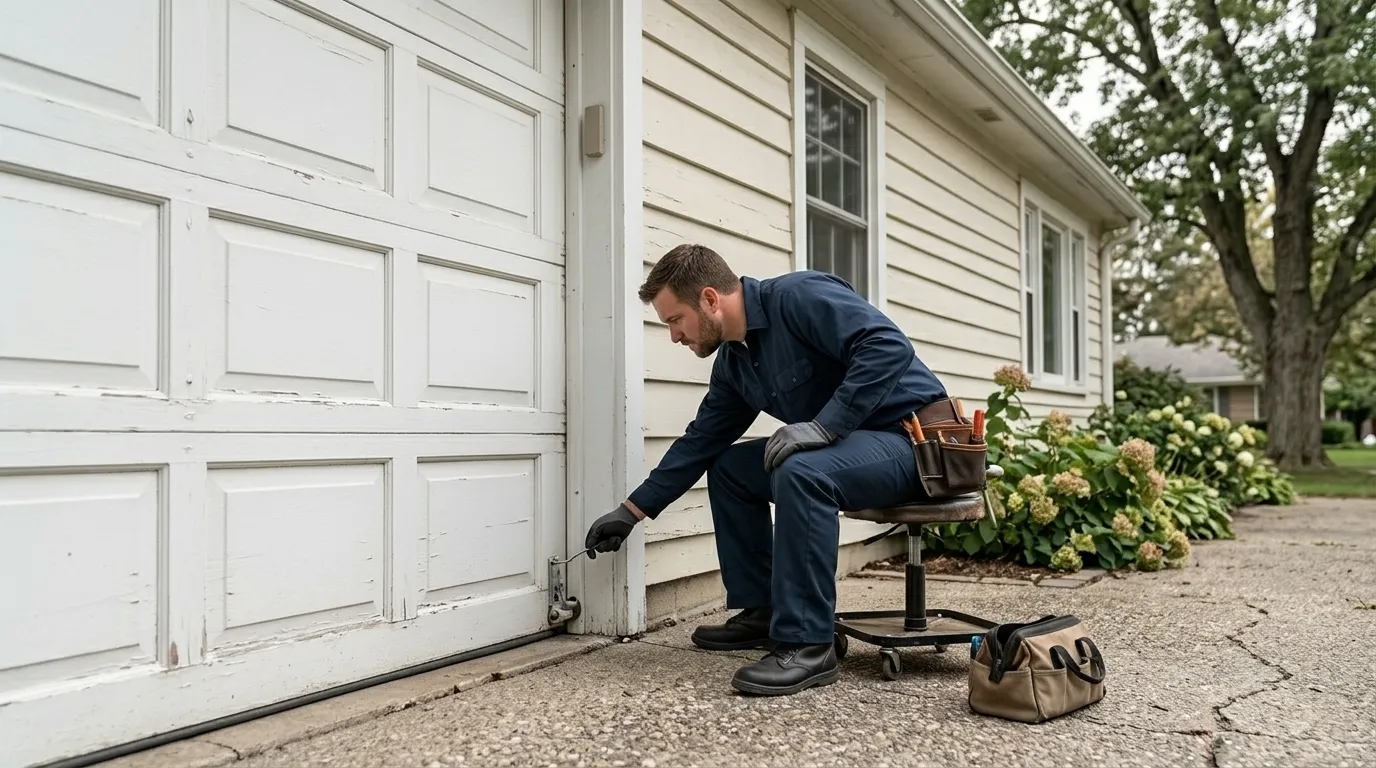
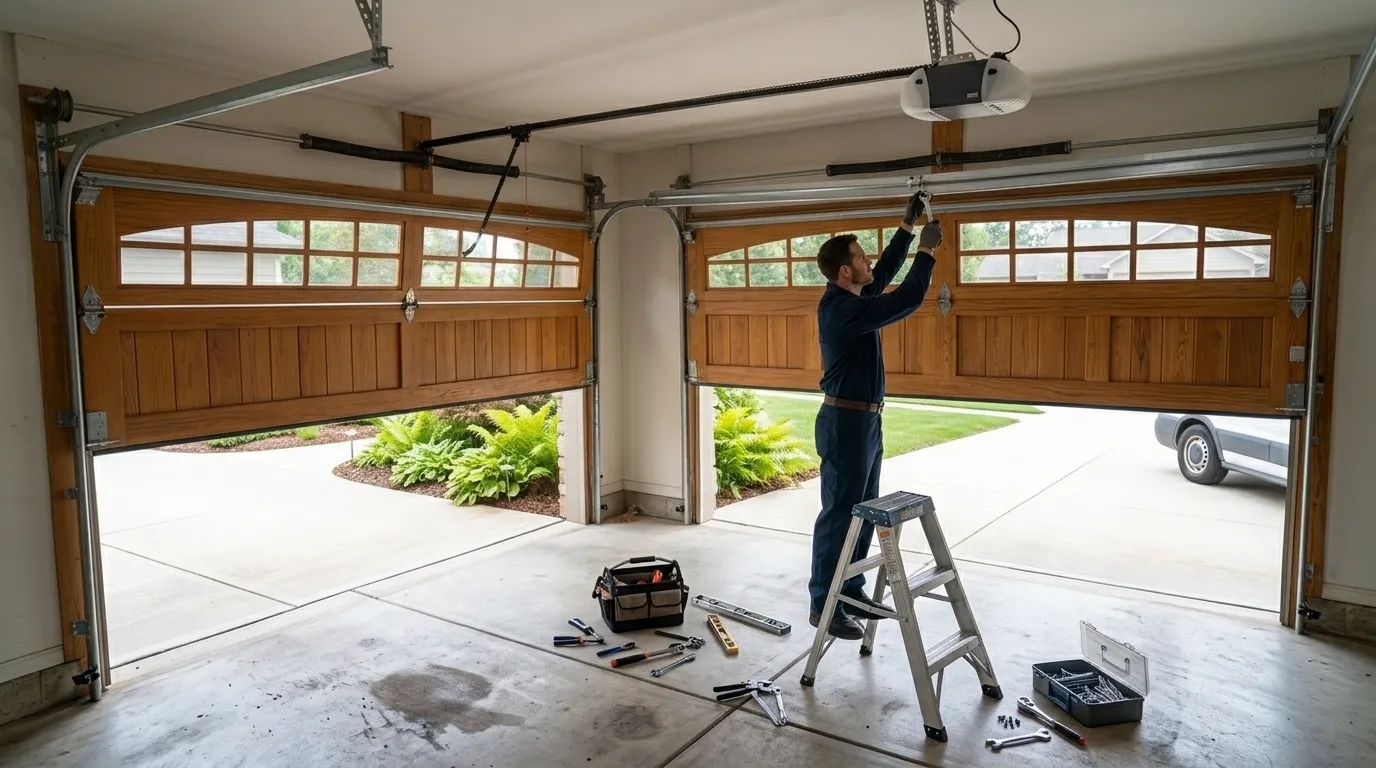
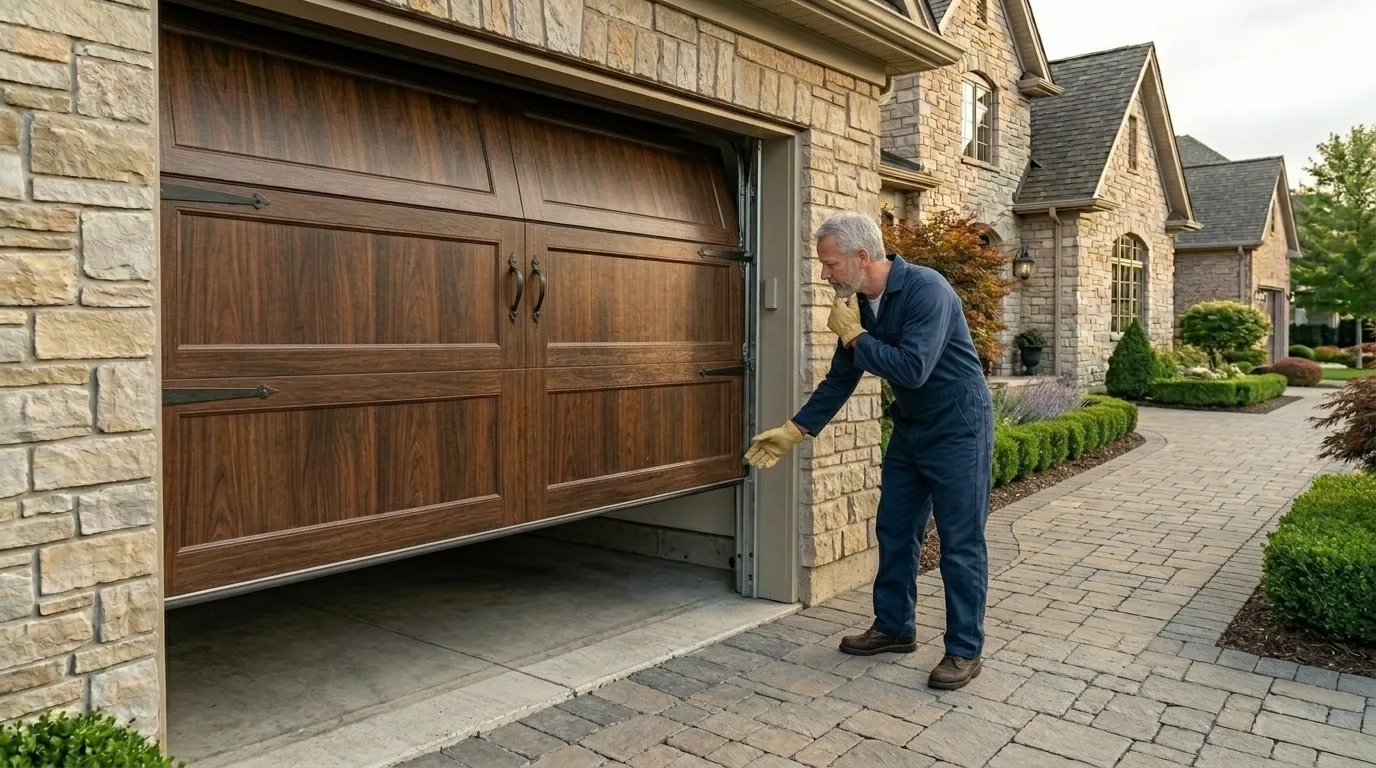
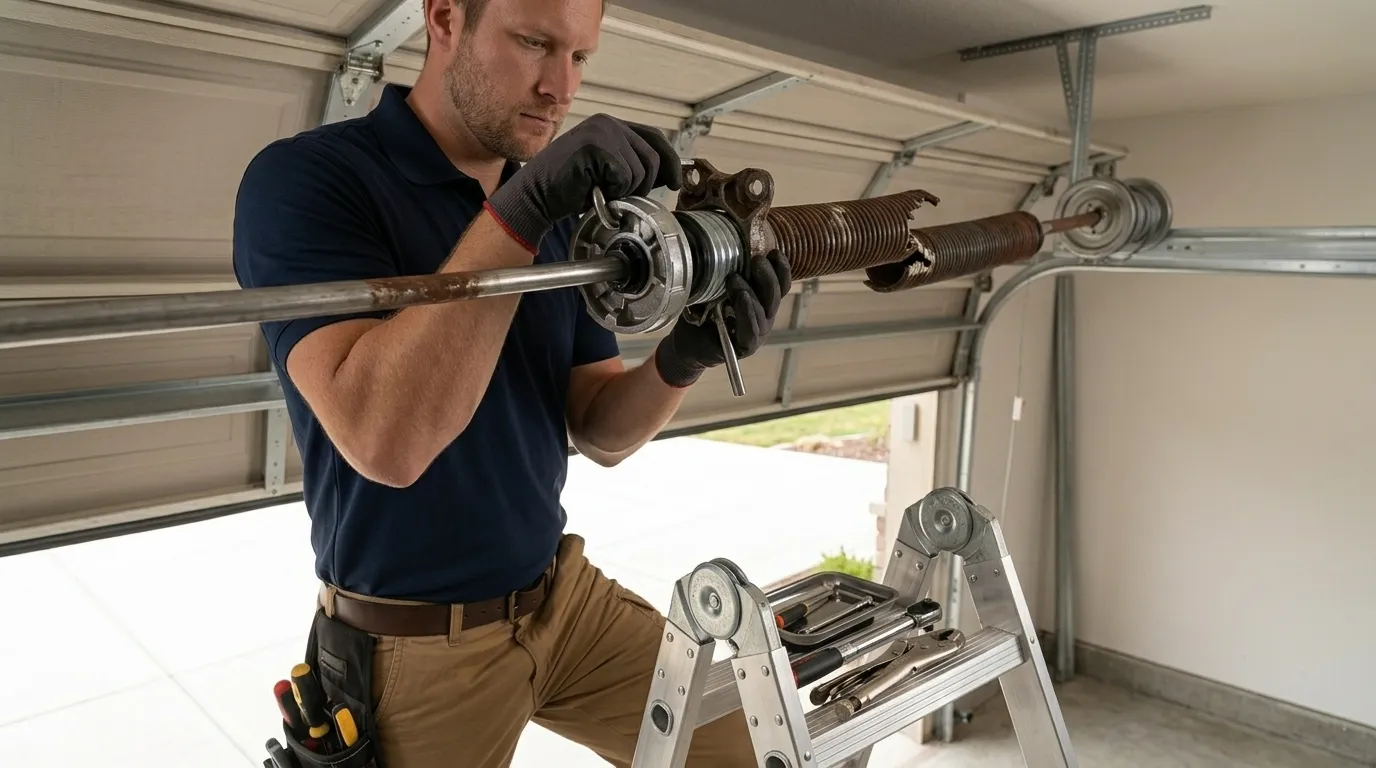
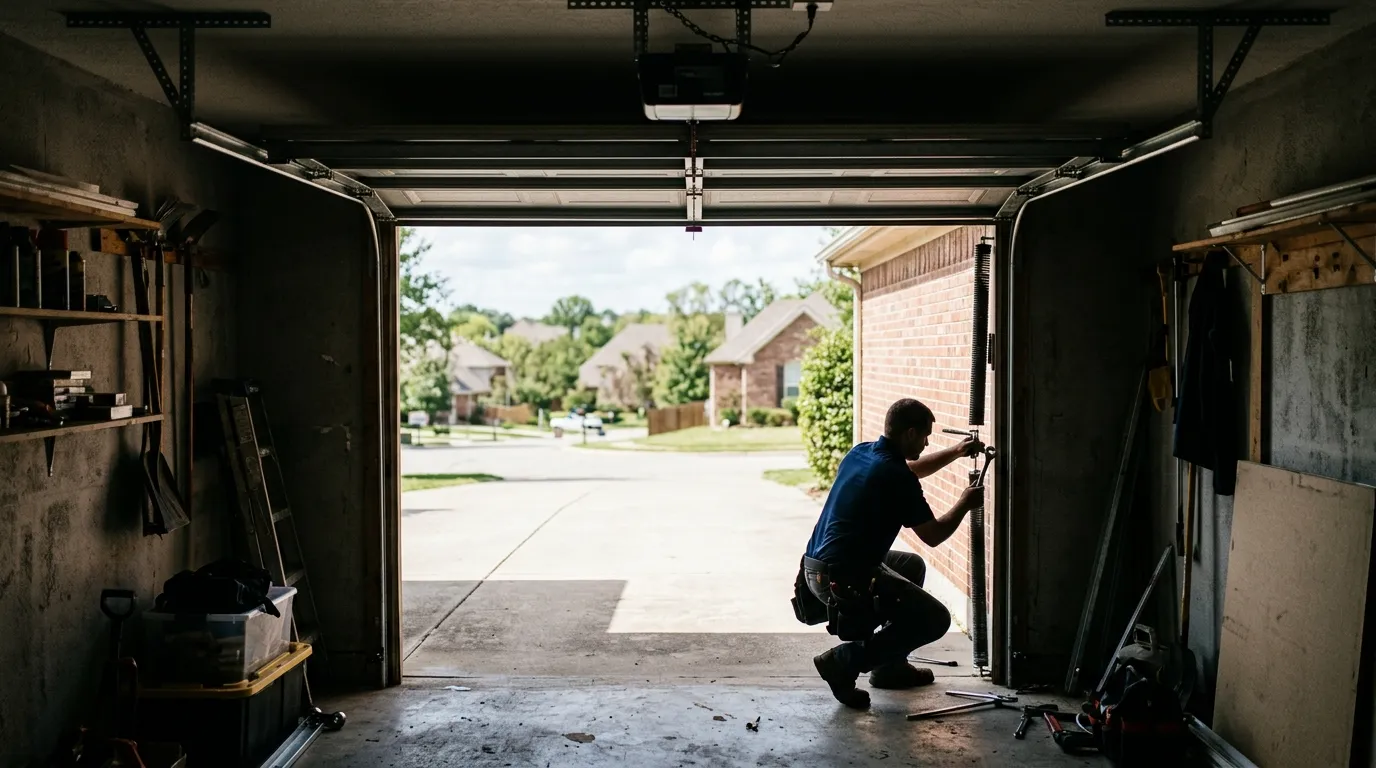
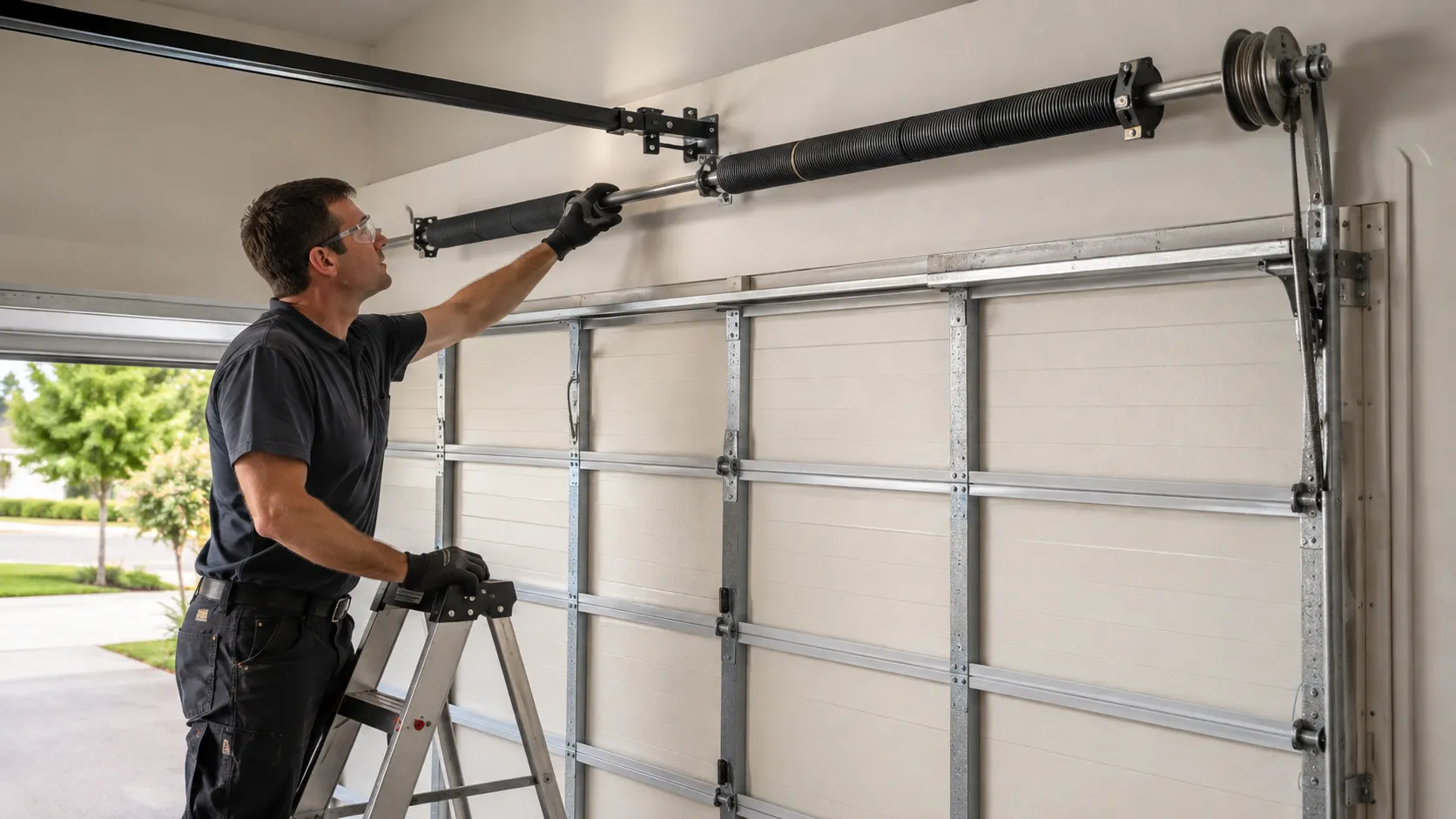
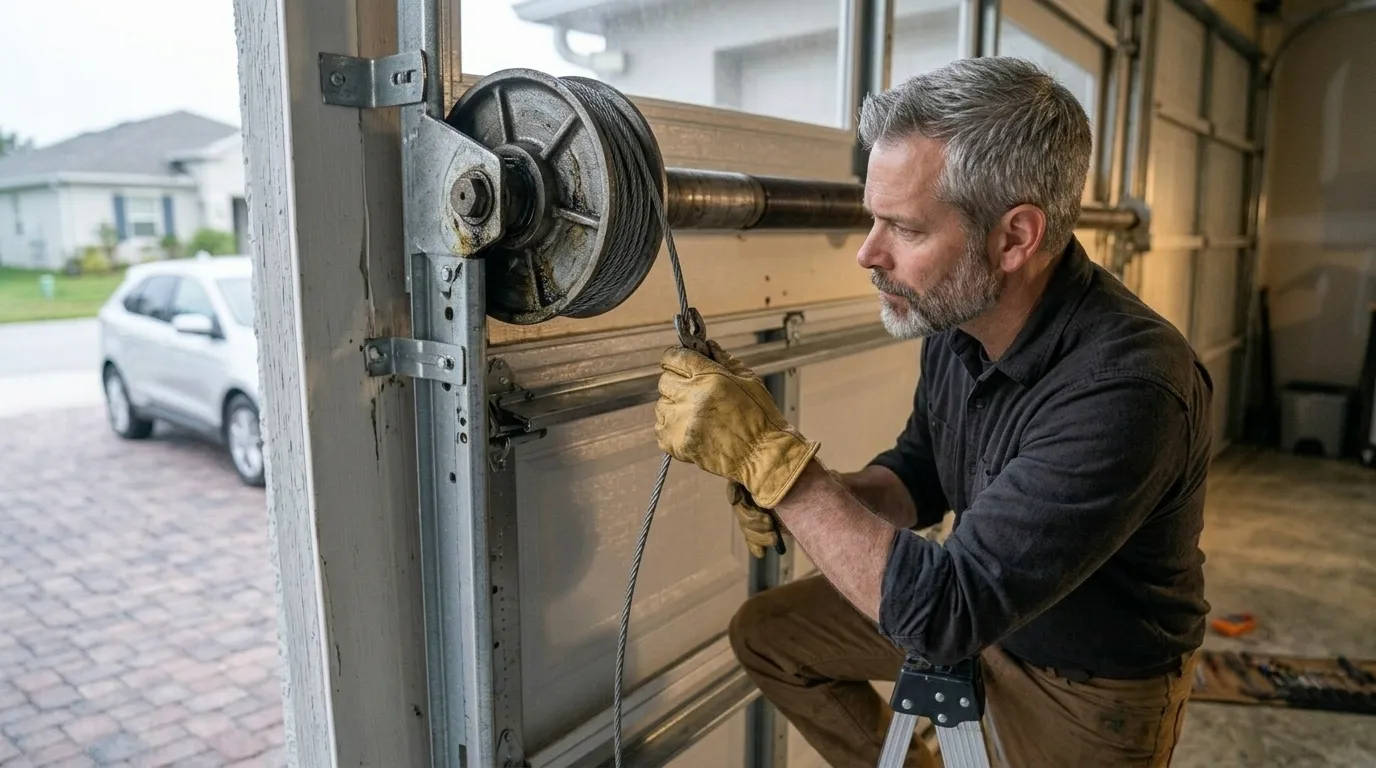
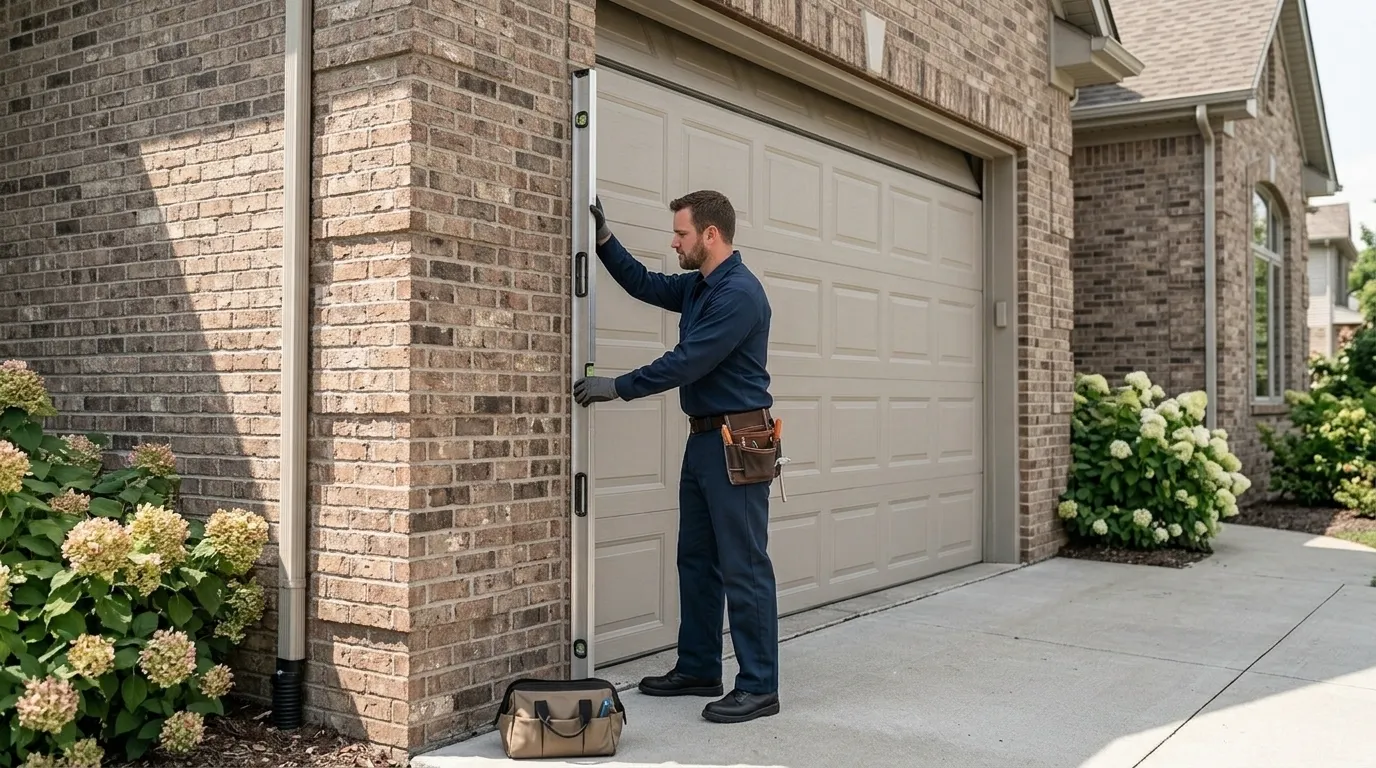
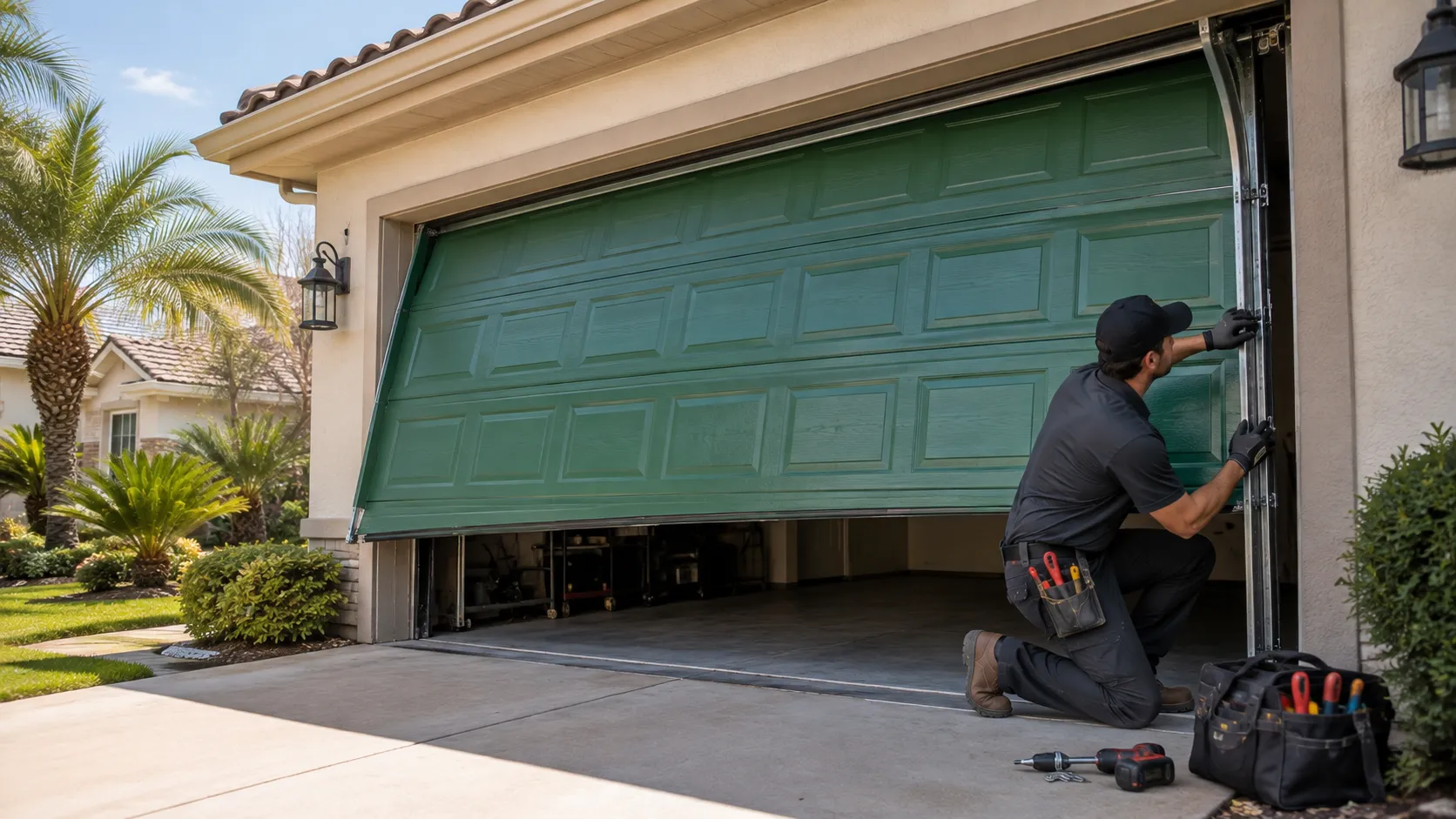
A median build year of 1959 means a lot of the garages in Sherman Oaks predate the current torsion-spring conventions entirely. Early single-car and narrow two-car openings, side-mounted hardware instead of the centered torsion tube you'd find in anything built after the 1970s, and steel doors that replaced the original wood ones at some point without anyone touching the track or the springs underneath. The climate band here rates moderate heat, not the extreme desert-adjacent swings some inland service areas deal with, so we see less of the opener gear-strip failure that comes from a plastic component baking in triple digits for weeks straight. What we see instead is age: rollers worn oval instead of round, cables fraying at the drum from decades of cycles, and springs that were sized for a lighter door than whatever got hung on that track in a later remodel. With a median household income of $86,956 across the service area, most owners here choose a mid-weight steel door with decent insulation over either the cheapest option or a full custom build, and that's the range we stock parts and quotes around.
Where This Is
Sherman Oaks is eight miles west-southwest of the Burbank service center, which puts it on the opposite side of the valley from some of the closer-in neighborhoods we cover. Studio City and Valley Village, both named in our service area, sit closer to the center than Sherman Oaks does, and Toluca Lake and the NoHo Arts District fall between the two. None of that changes the work, but it does change the drive: a call from Sherman Oaks is a longer haul than one from Toluca Lake, and we schedule accordingly rather than promising the same window for both. We don't have a landmark list or a street grid for this neighborhood to hand you, so we're not going to invent one. What we can tell you is the distance and direction, and that the housing era matches the rest of the valley floor rather than the newer construction you'd find further out.