What Is Built Here
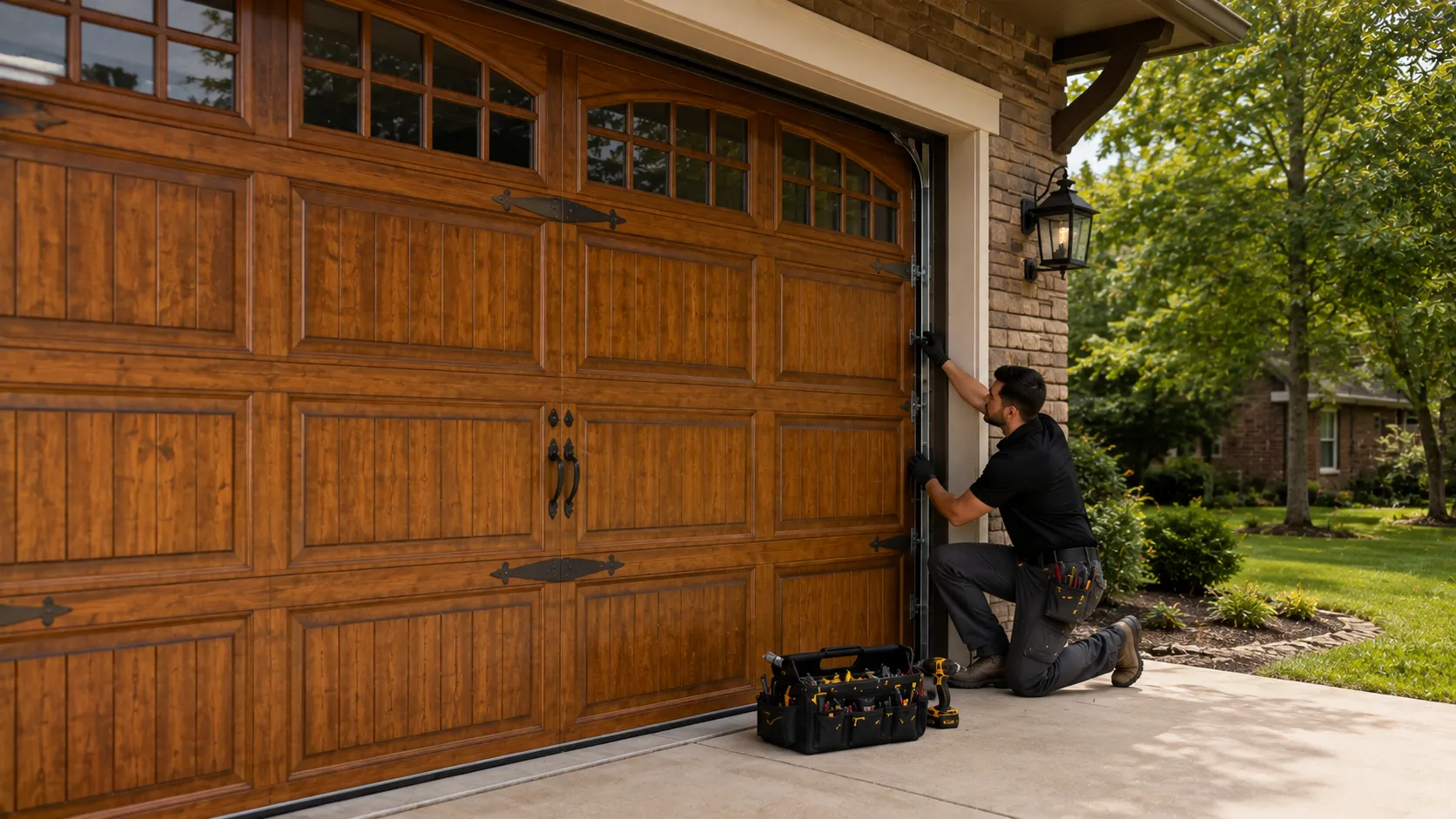
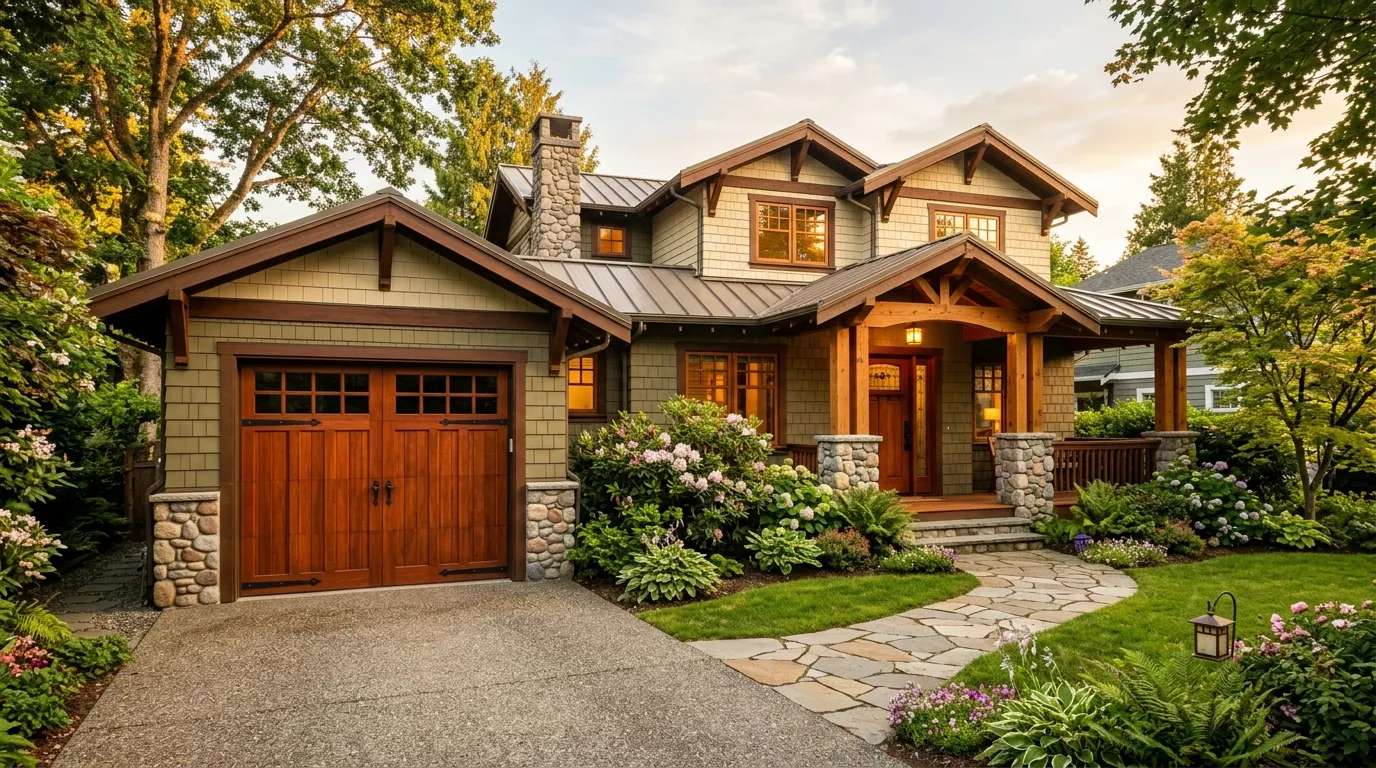
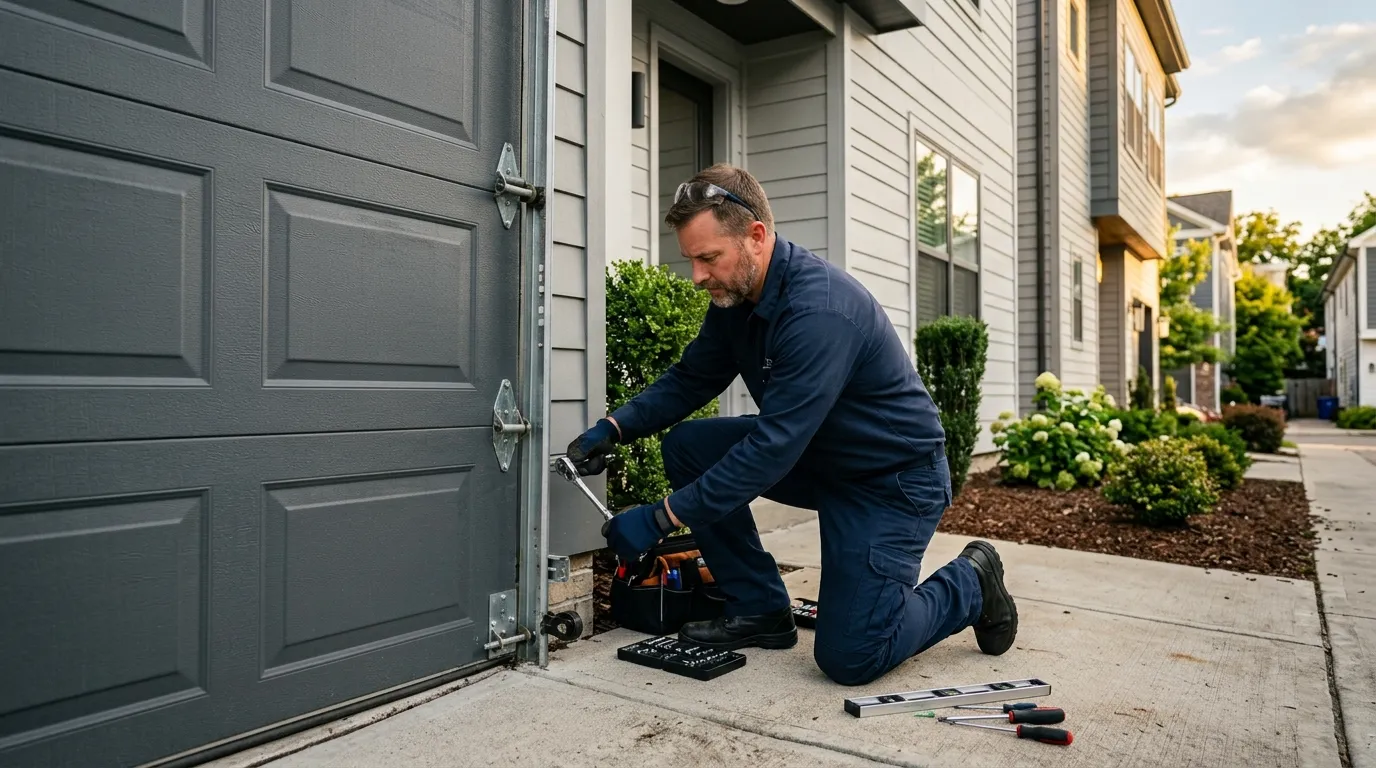
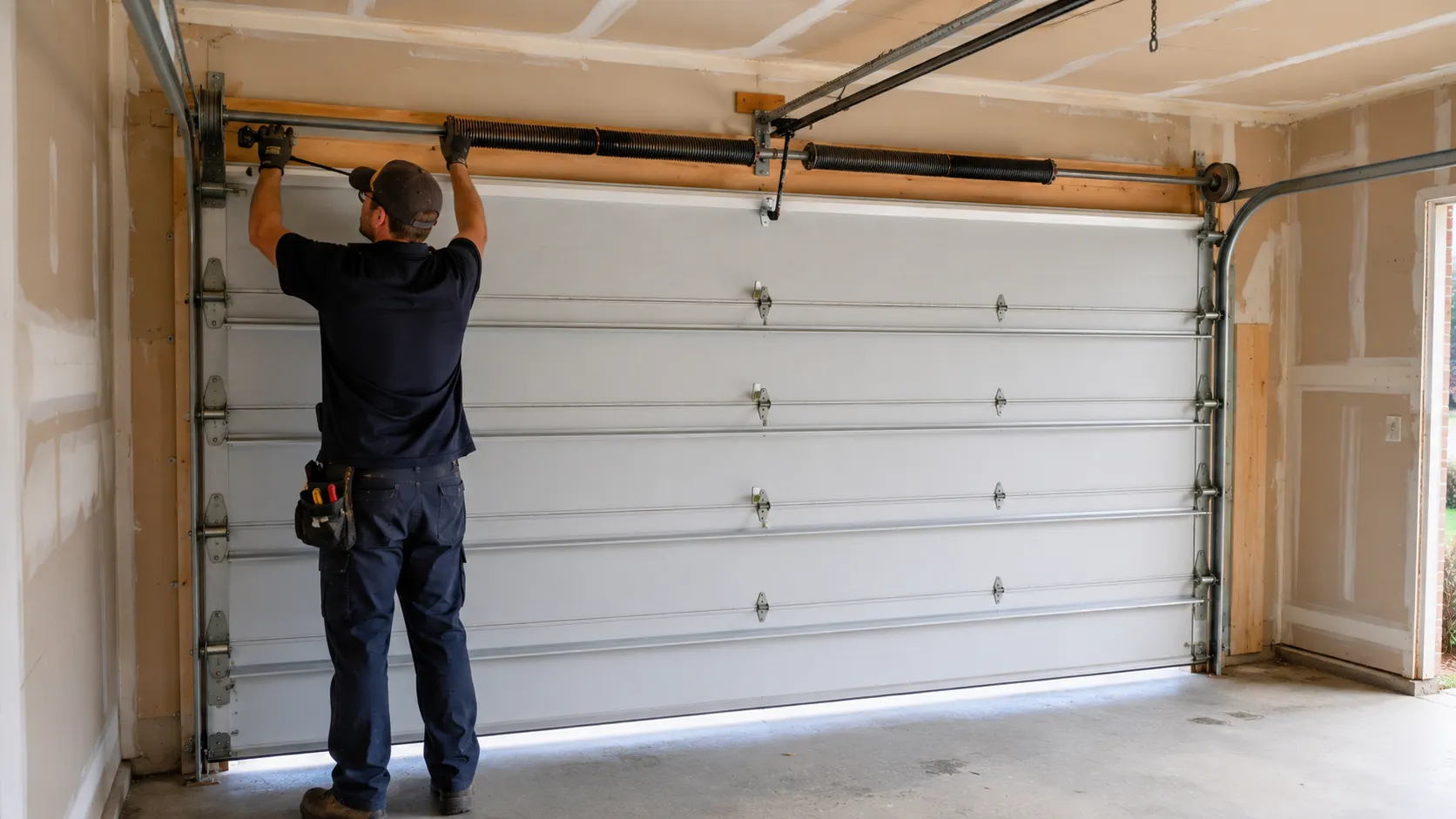
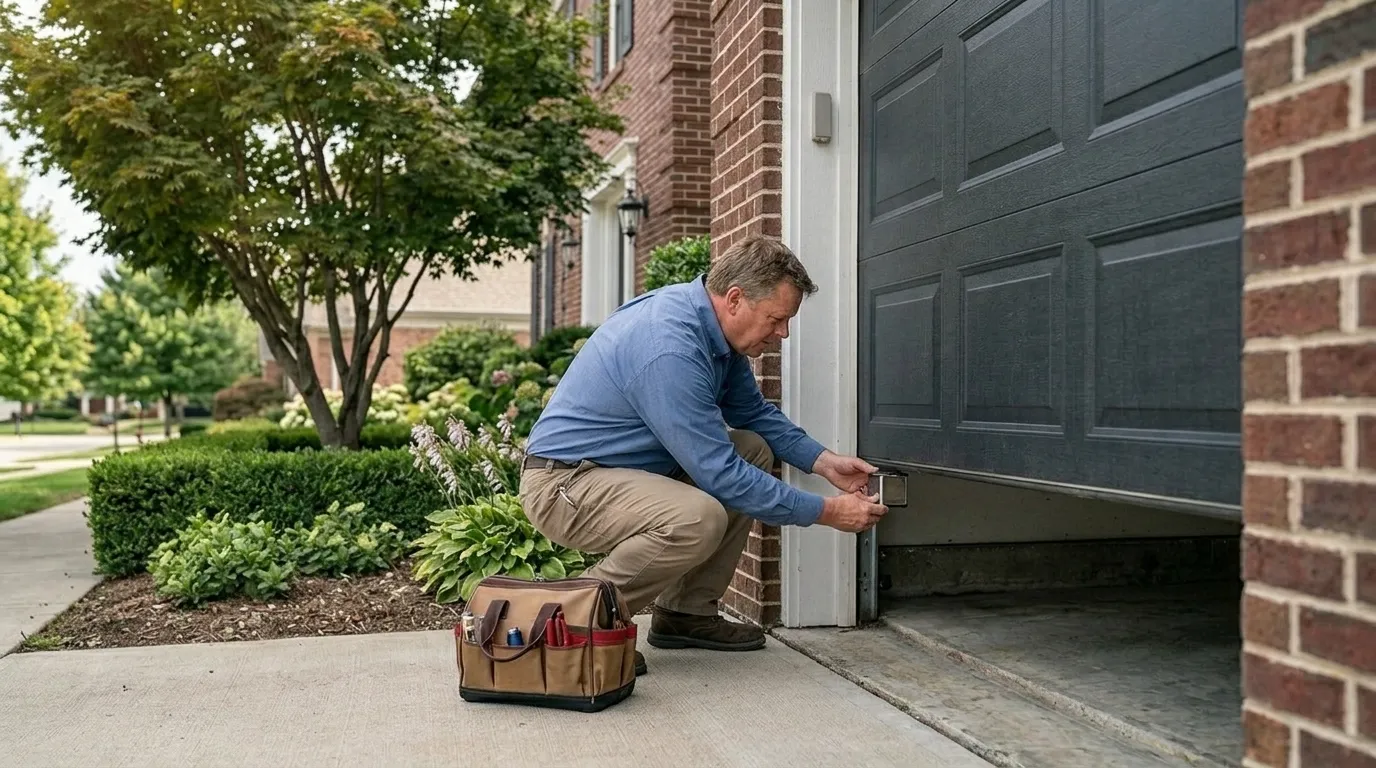
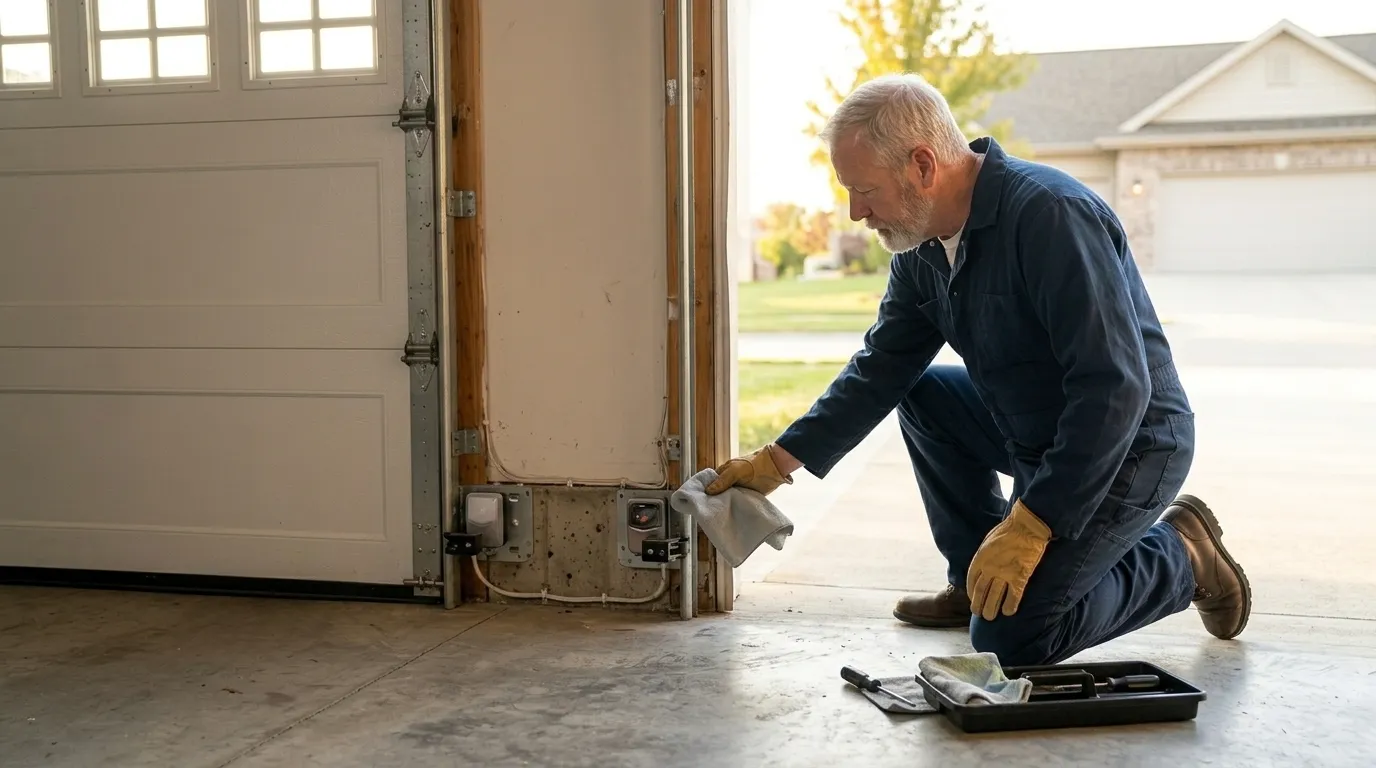
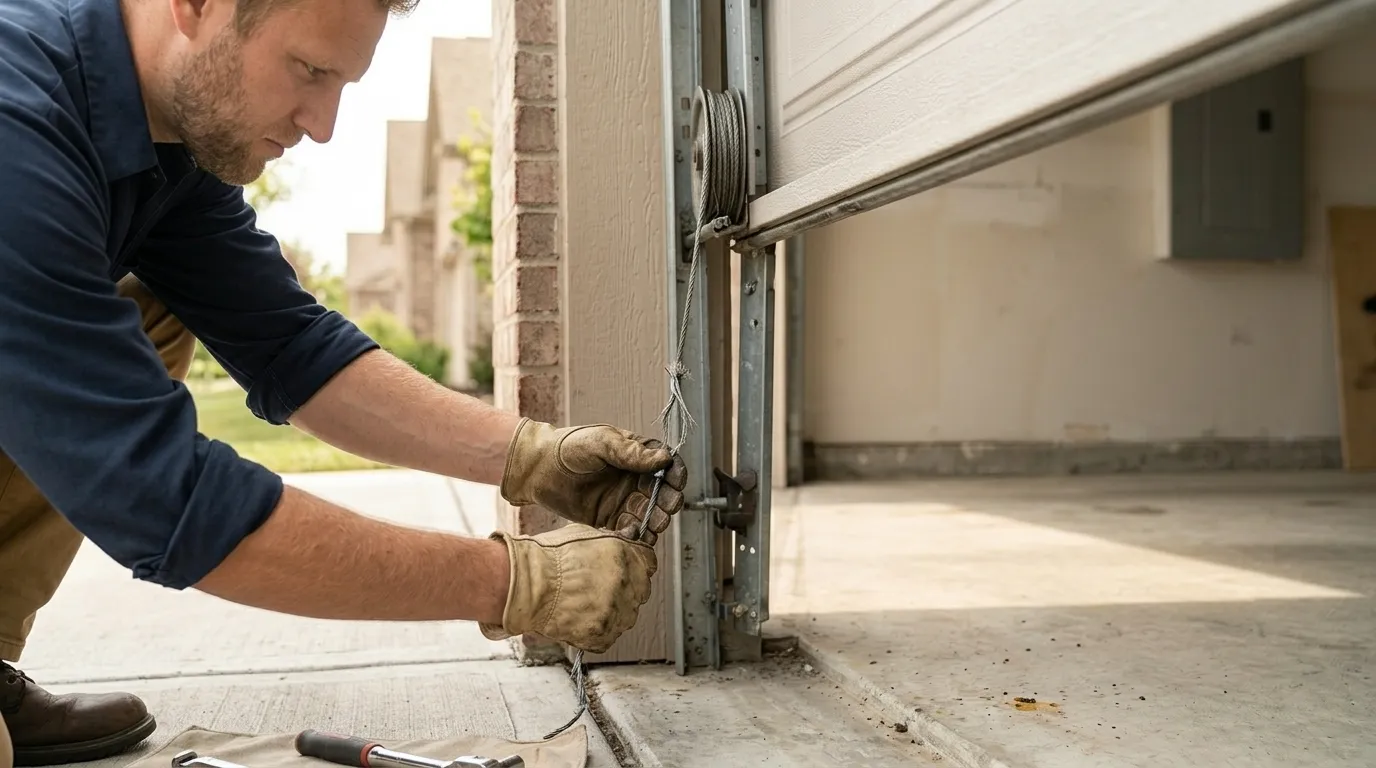
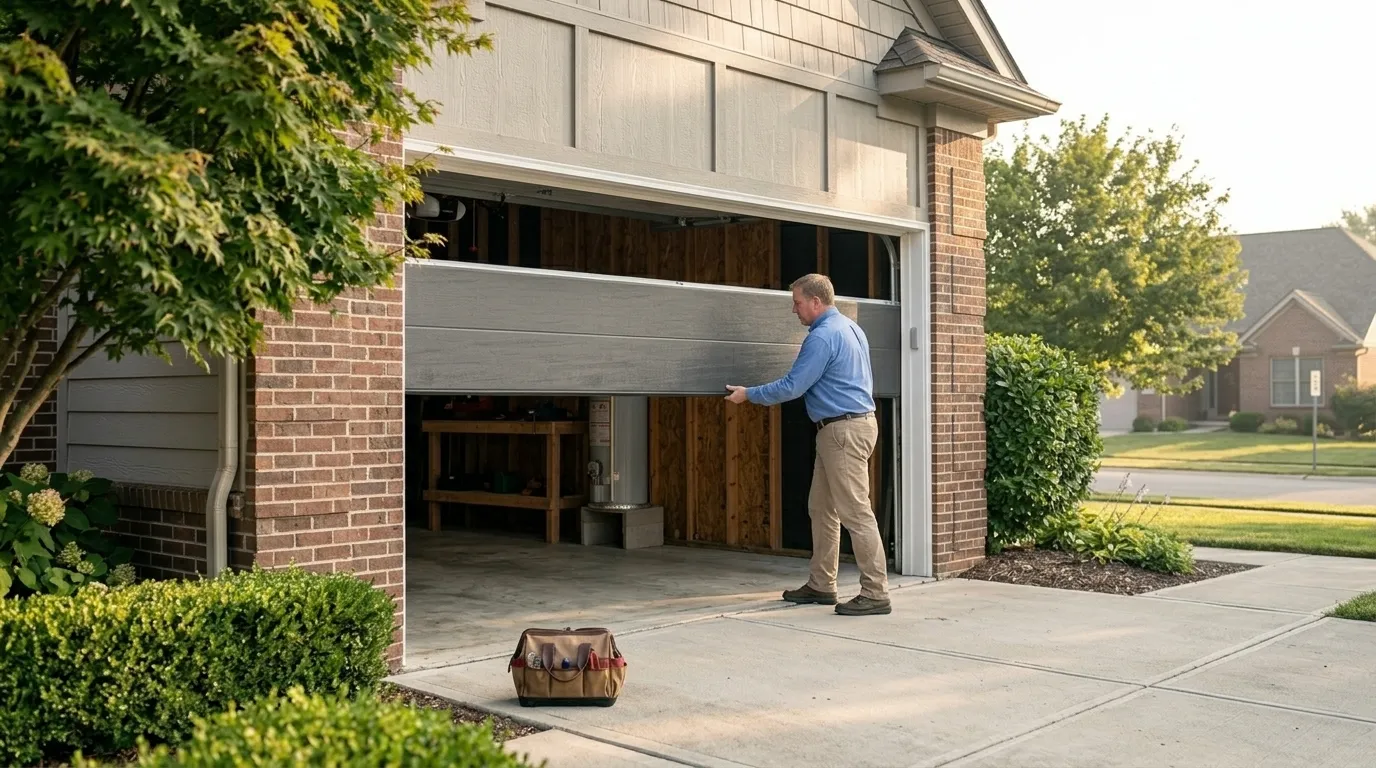
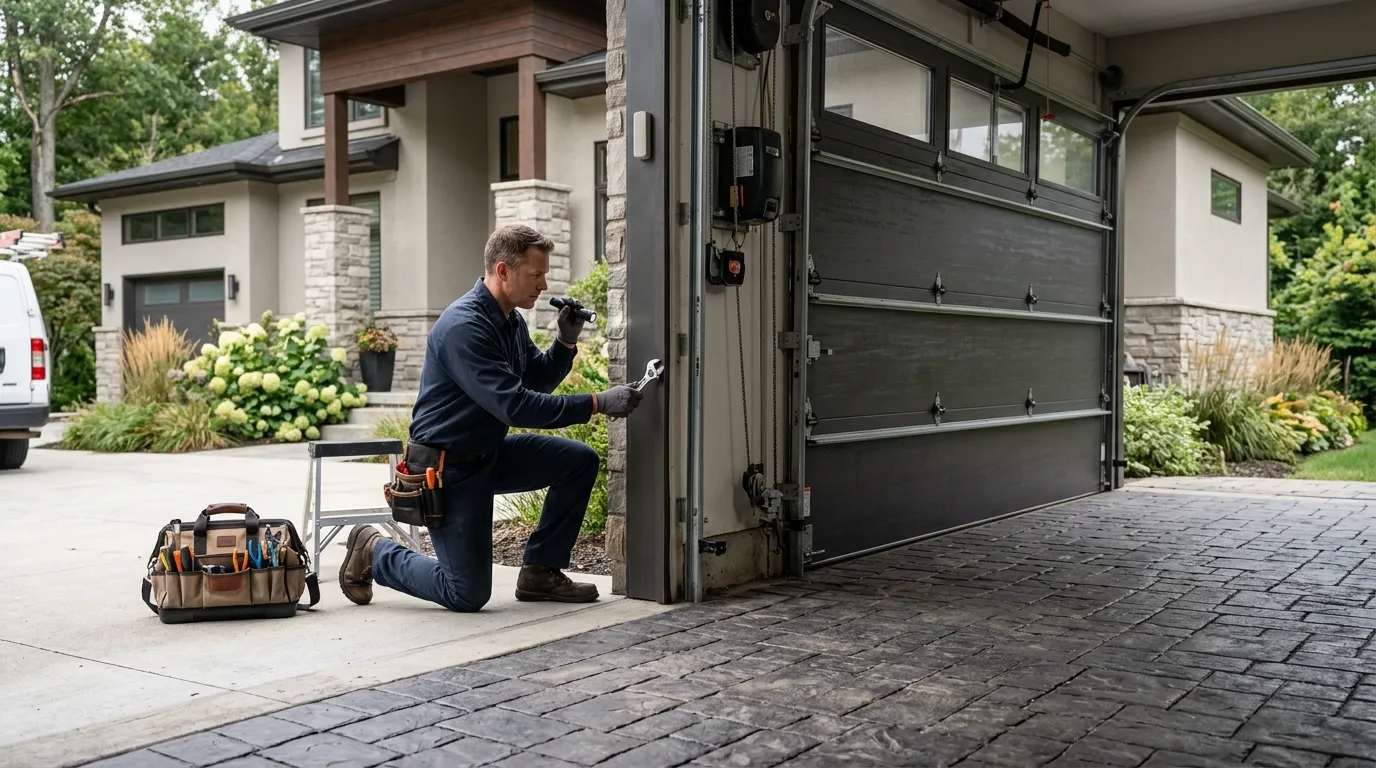
Across the service area, houses run from 1943 up through 2012, with a median build year of 1959, and most of the named areas in this territory - Tujunga included - lean toward that older end of the range rather than the newer one. A house built in the 1950s typically got a single-panel or early sectional door on a torsion or extension spring setup that was standard for its decade, mounted on hardware sized for the openings builders used then, which run narrower than a lot of what's sold new today.
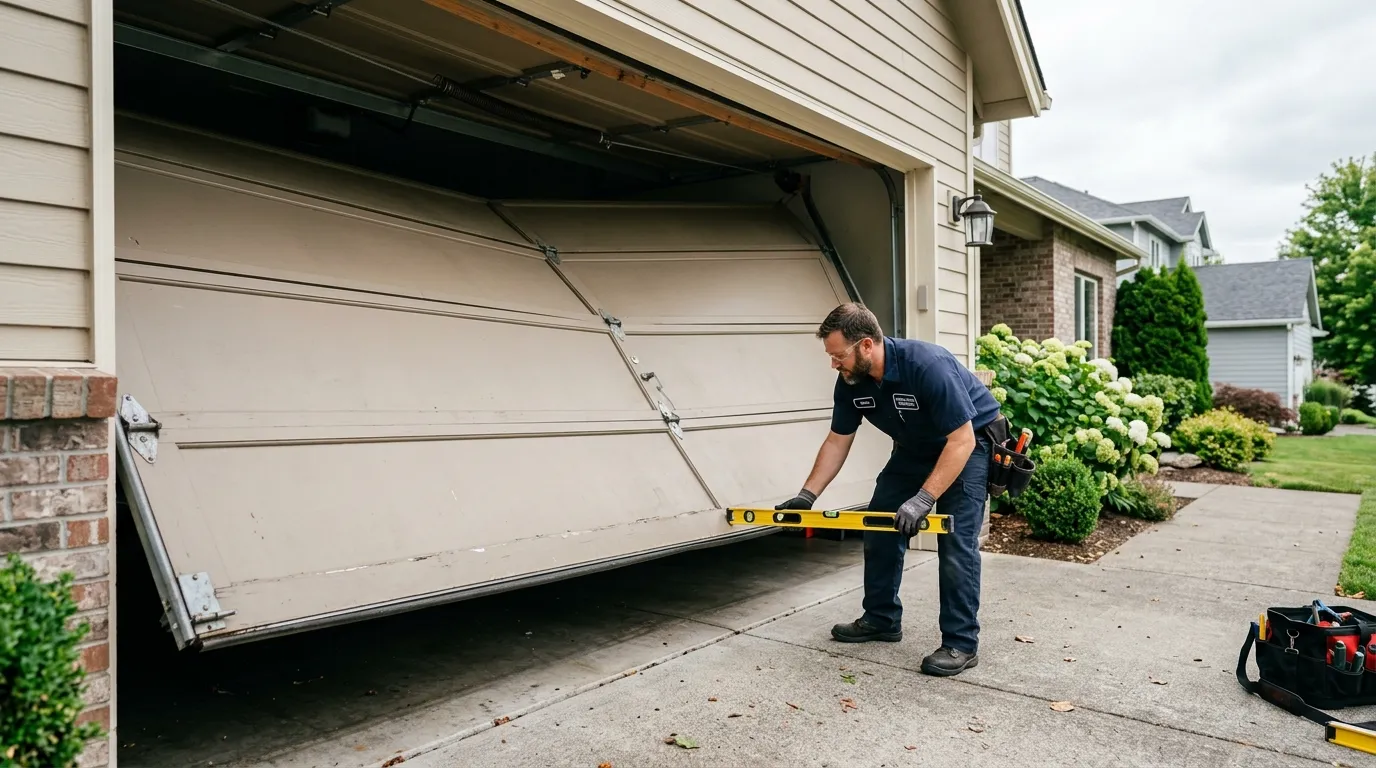
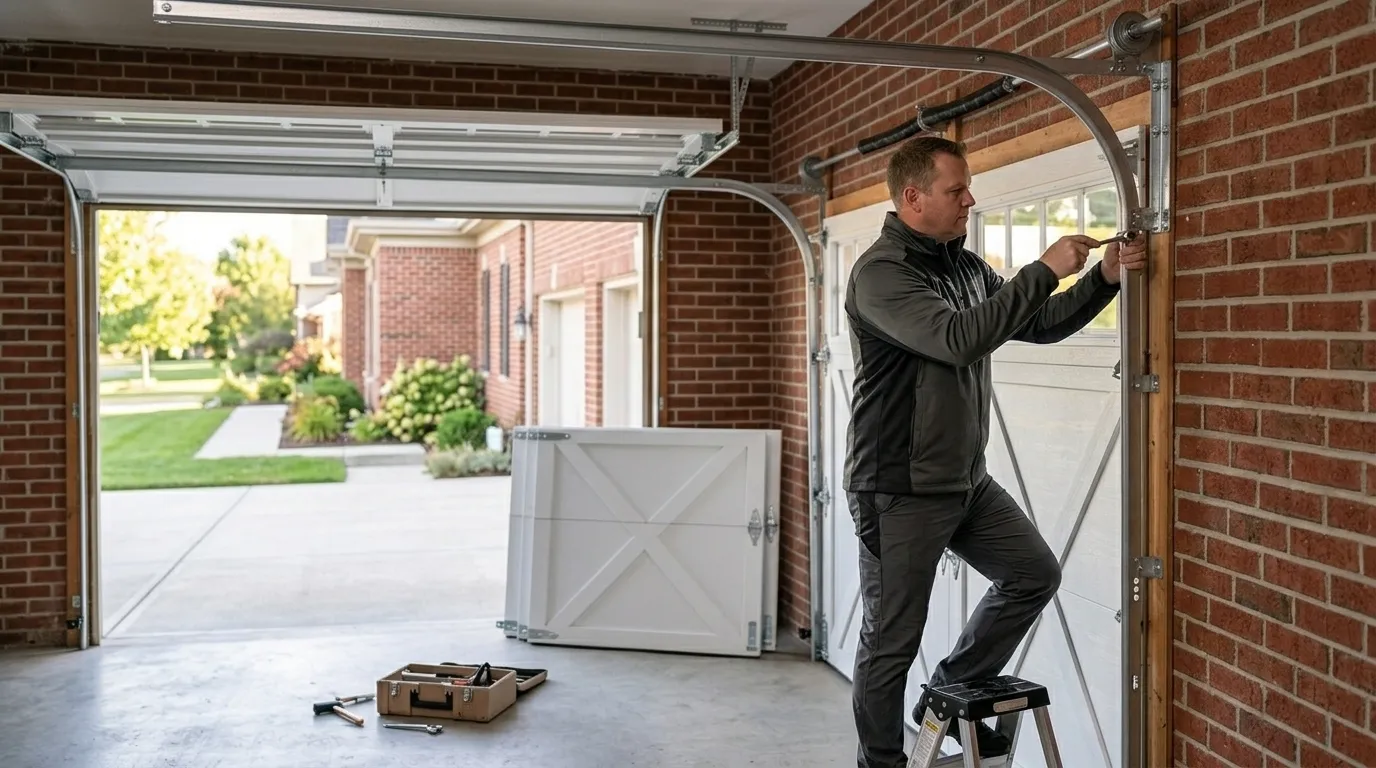
That means two things in practice. First, replacement parts for original springs and track brackets sometimes aren't a same-day stock item - we may need to order to match an older mount rather than swap in whatever's on the truck. Second, if a door has never been touched since the house was built, the spring is well past any reasonable service life and is a real safety item, not just a squeak to ignore. Newer builds mixed into the same era range get standard modern hardware and rarely have this issue.
Where This Is
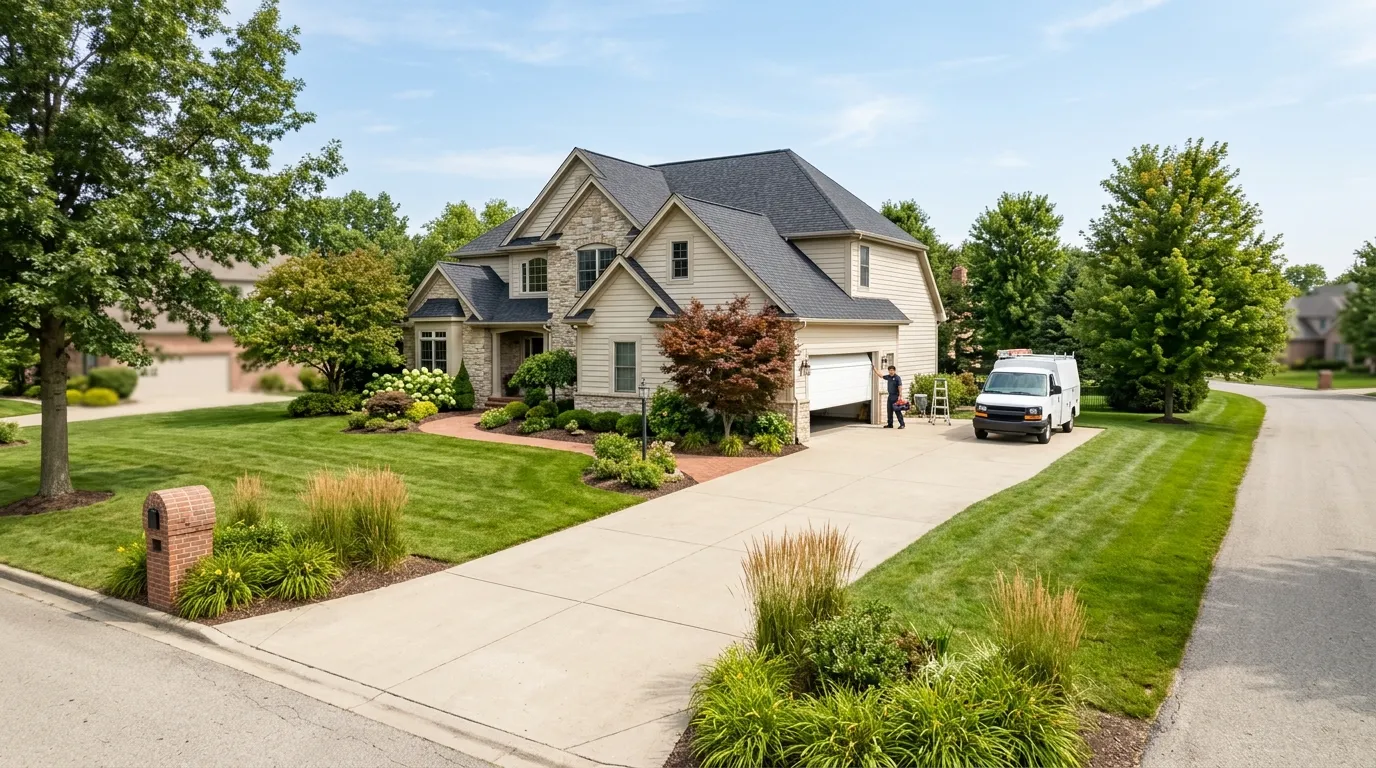
Tujunga sits about five miles north of Burbank's center, out where the flatter part of the service area gives way to the foothills. Sunland shares that same five-mile mark to the north. Shadow Hills and Sun Valley sit a mile closer in, at four miles out. Lake View Terrace and Arleta are the next ring past Tujunga, both around seven miles northwest.
Looking further out, La Crescenta-Montrose is the nearest named area beyond Tujunga's own distance, at six miles, with La Cañada Flintridge a mile past that at seven. West Hollywood and Beverly Hills, at eight and nine miles, sit down toward the opposite end of the service territory entirely - a useful marker for how spread out this area is. Tujunga's position toward the north edge is part of why the housing stock there tends to sit on the older side of the range rather than the newer end.