What Is Built Here
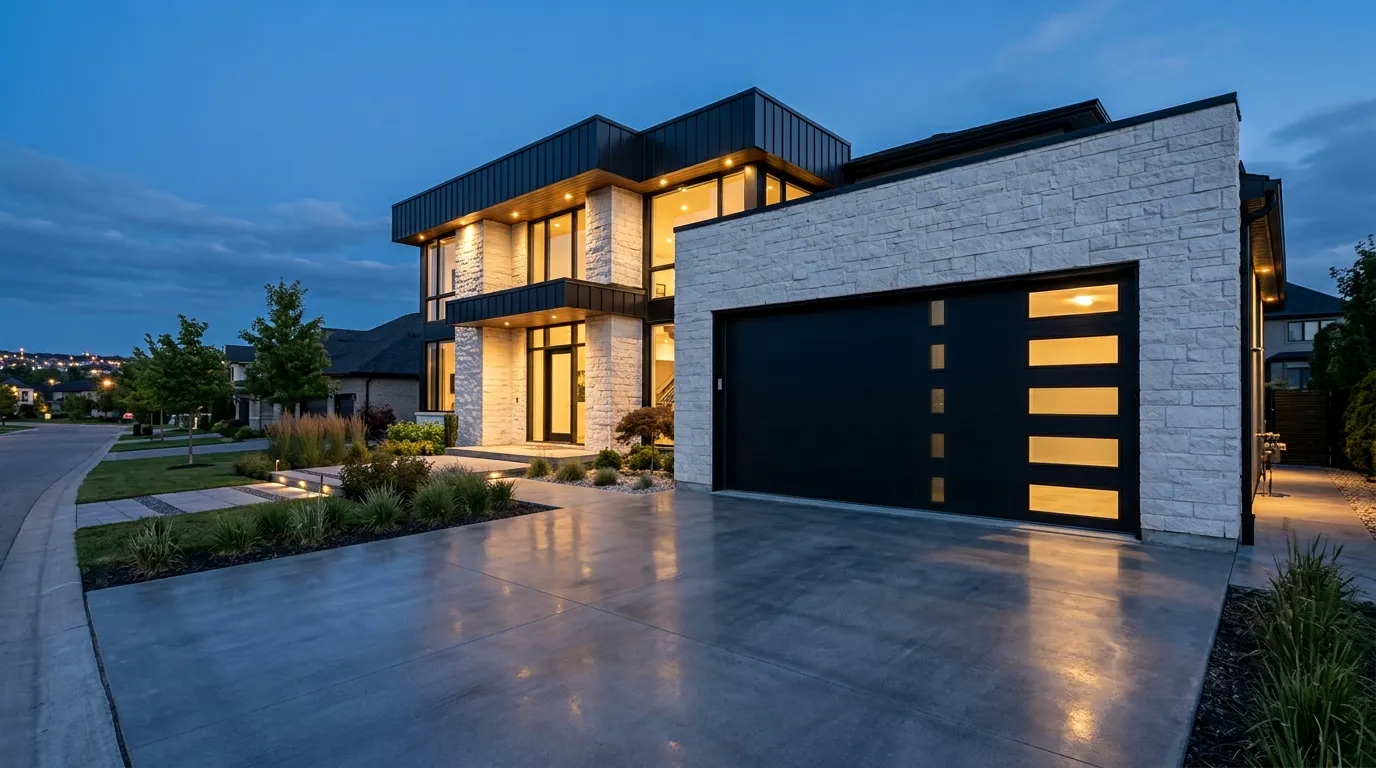
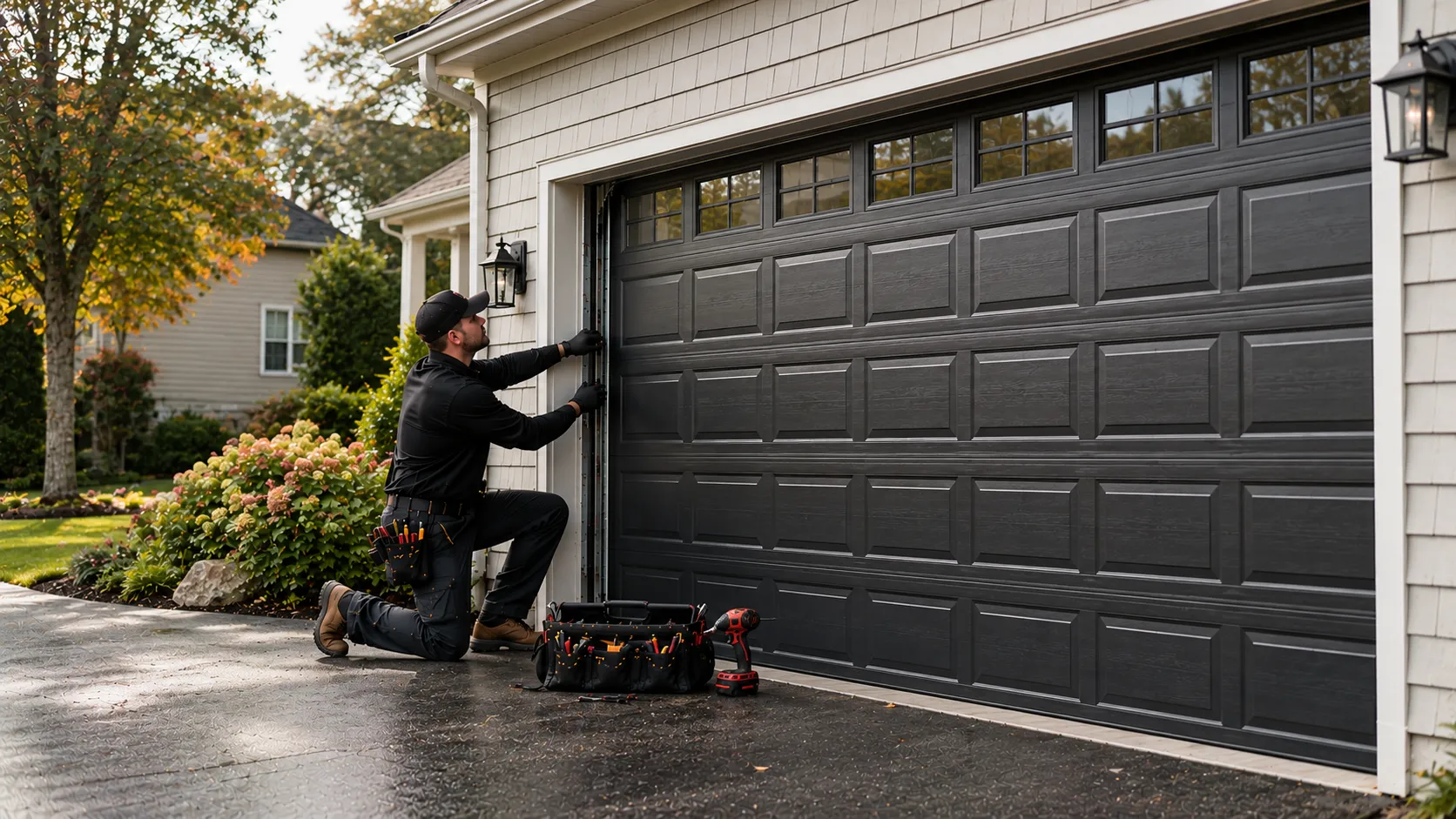
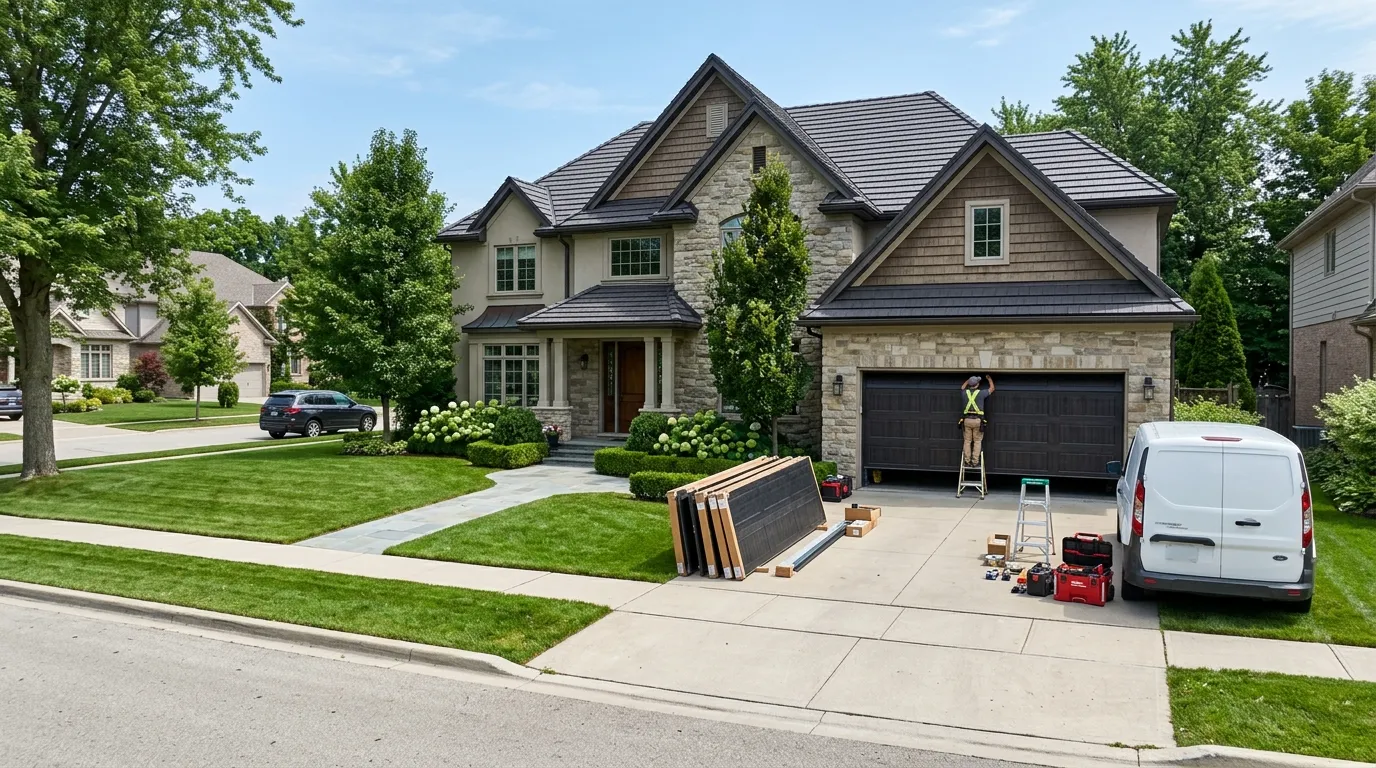
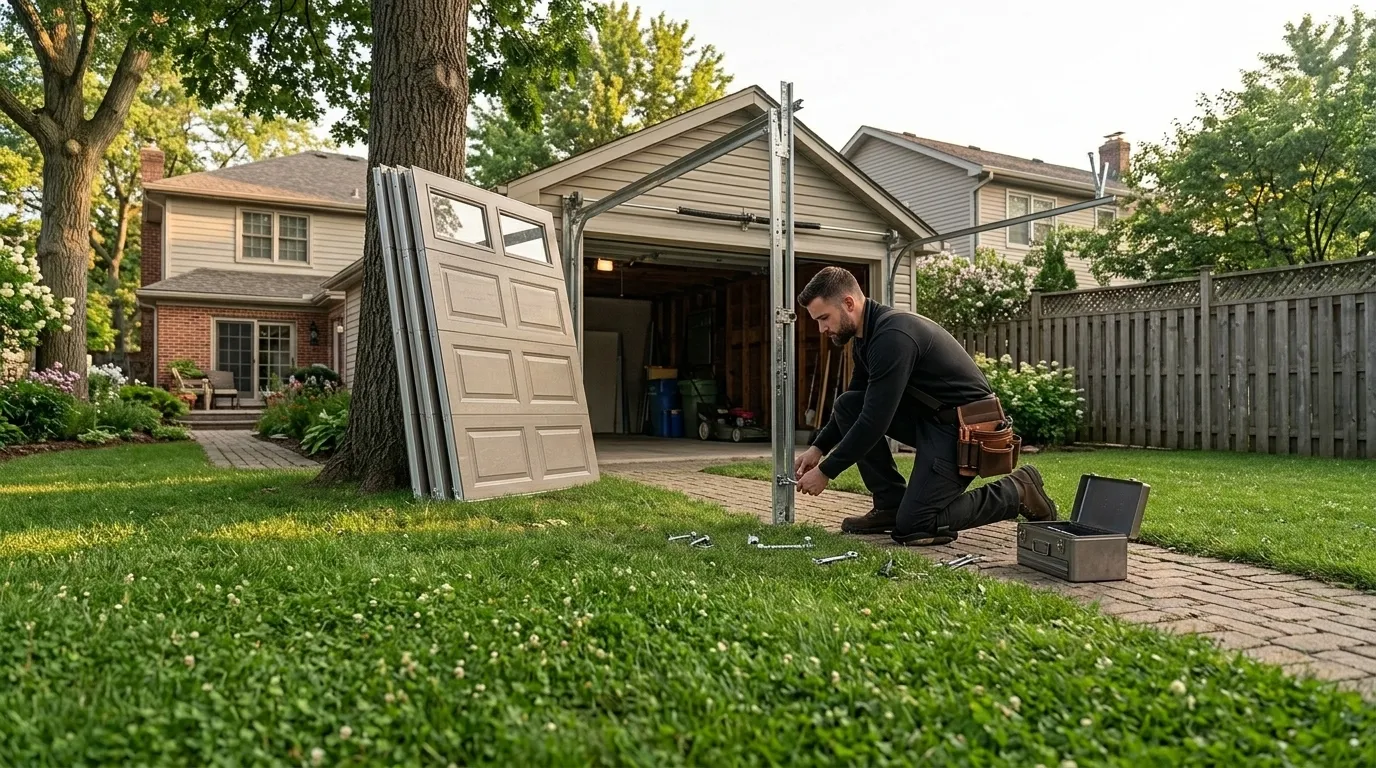
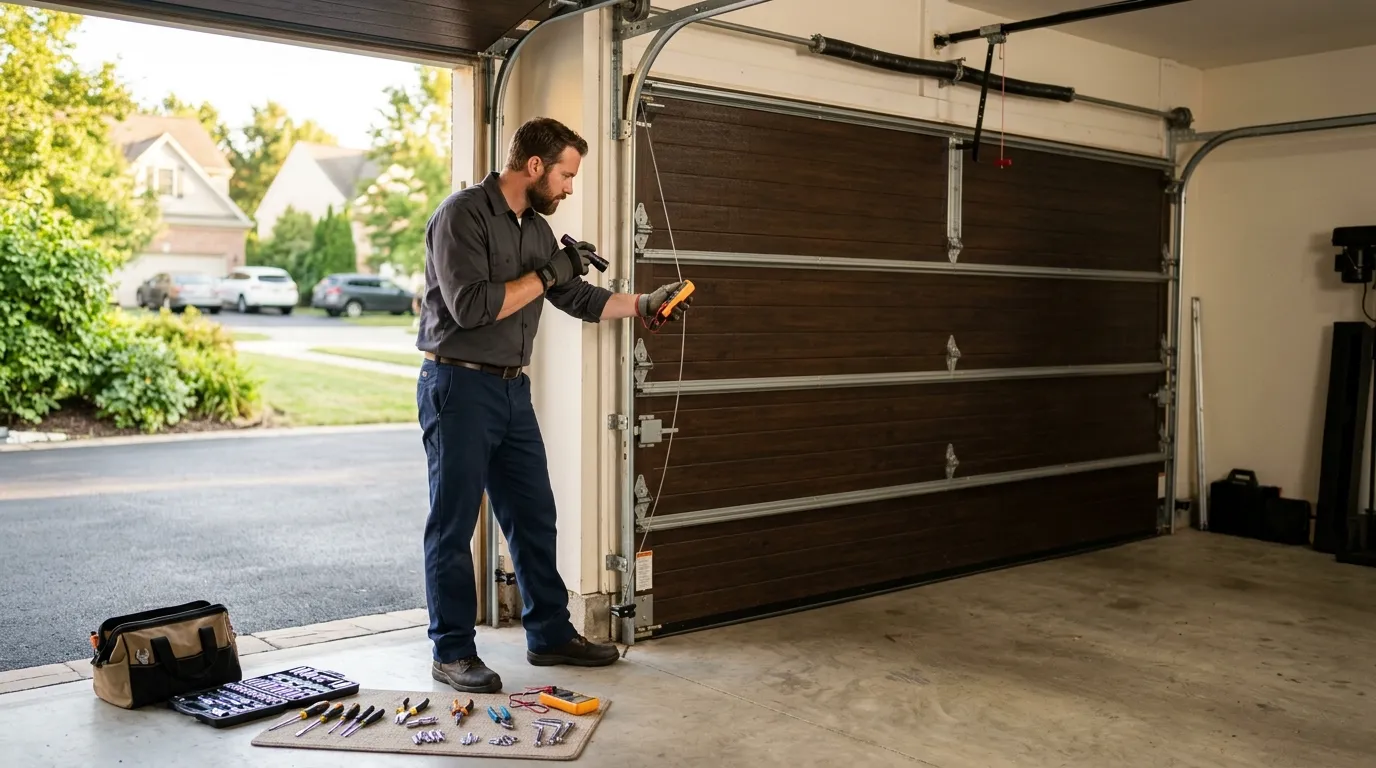
Most of the housing stock in this part of the service area went up between 1943 and the early 1960s, before insulated steel doors and modern extension springs were standard. Builders in that period used single torsion springs on single doors and lighter two-spring setups on doubles, sized for solid wood or thin steel panels that weighed less than what's sold today. Over the decades a lot of those original doors got swapped for heavier insulated replacements, but the spring and drum hardware sometimes didn't get upsized to match - which is how you end up with a door that's too heavy for its spring, wearing out cables and rollers years before it should. Later infill and remodels through the 1980s and beyond brought newer opener chassis and safety sensors, so it's a mixed bag block to block. We can't tell you which exact build era your specific house falls into without seeing it, but the odds favor pre-1960 hardware underneath a newer-looking door.
Where This Is
Valley Glen is six miles west of our shop, which keeps it on the shorter end of our routes compared to the more distant stops on the map - places like Alhambra, San Marino, or Culver City, all thirteen miles out or more. It's closer than La Crescenta-Montrose and La Cañada Flintridge, both a mile or two farther out, and well inside the range of same-day work. We don't have named landmarks or cross streets for Valley Glen specifically, and we're not going to invent any just to make this section read longer. What we can tell you is the practical part: a six-mile trip means less time on the road and more time on the actual repair, and it means a callback for a second visit - say, a part that has to be ordered - isn't a half-day round trip.